

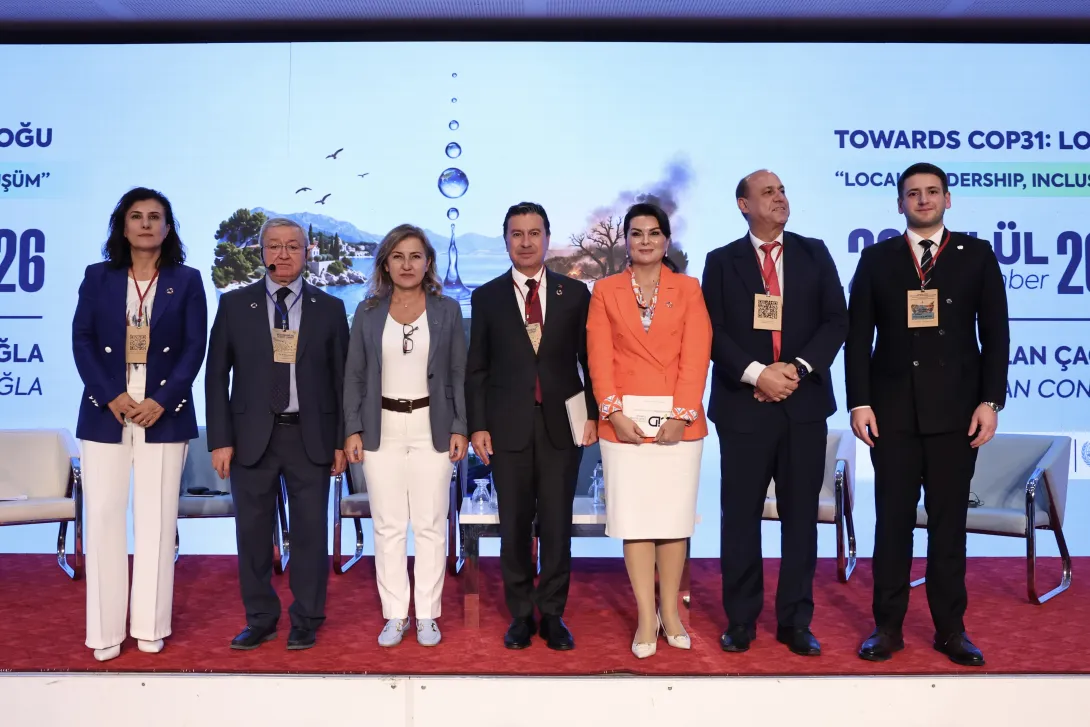
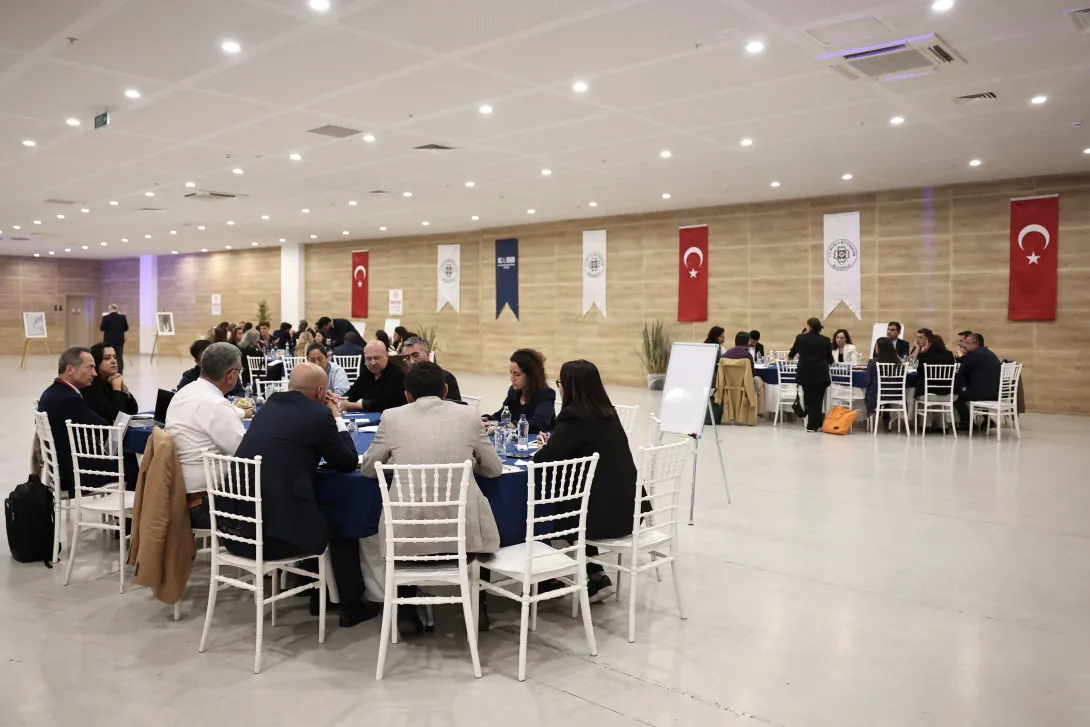
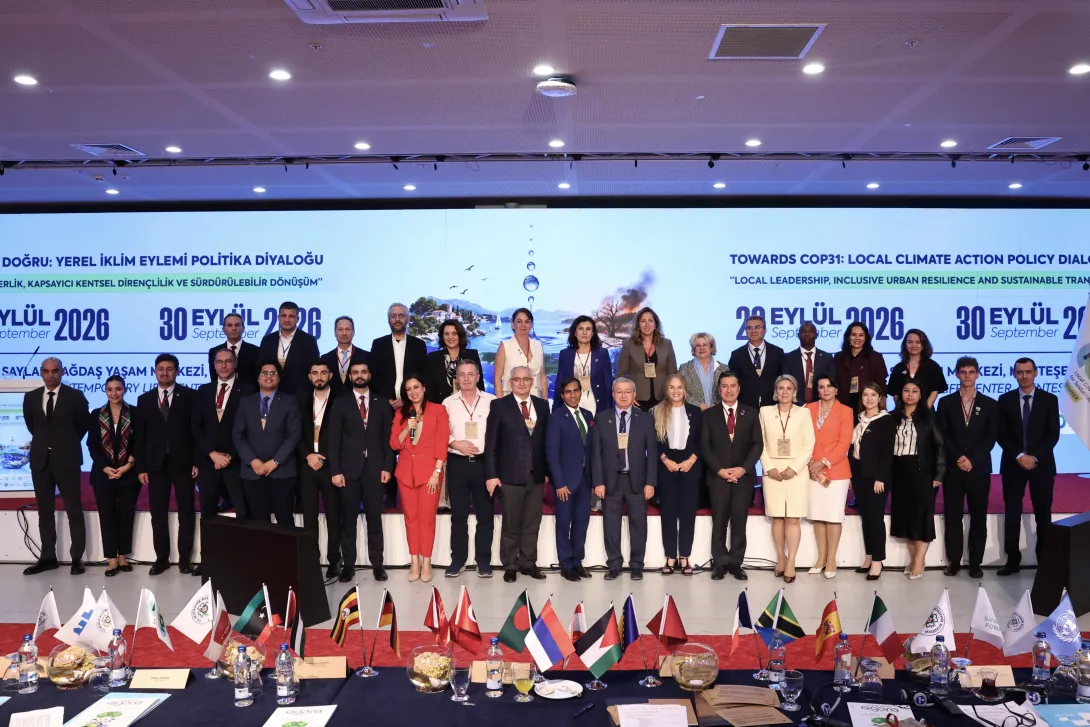
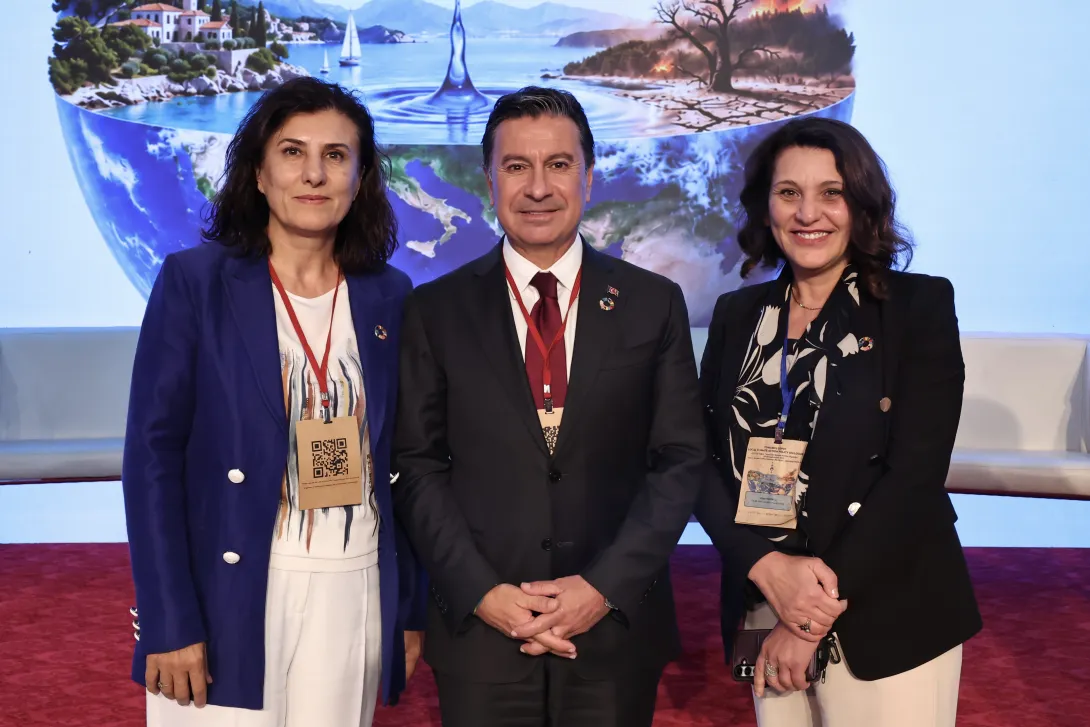
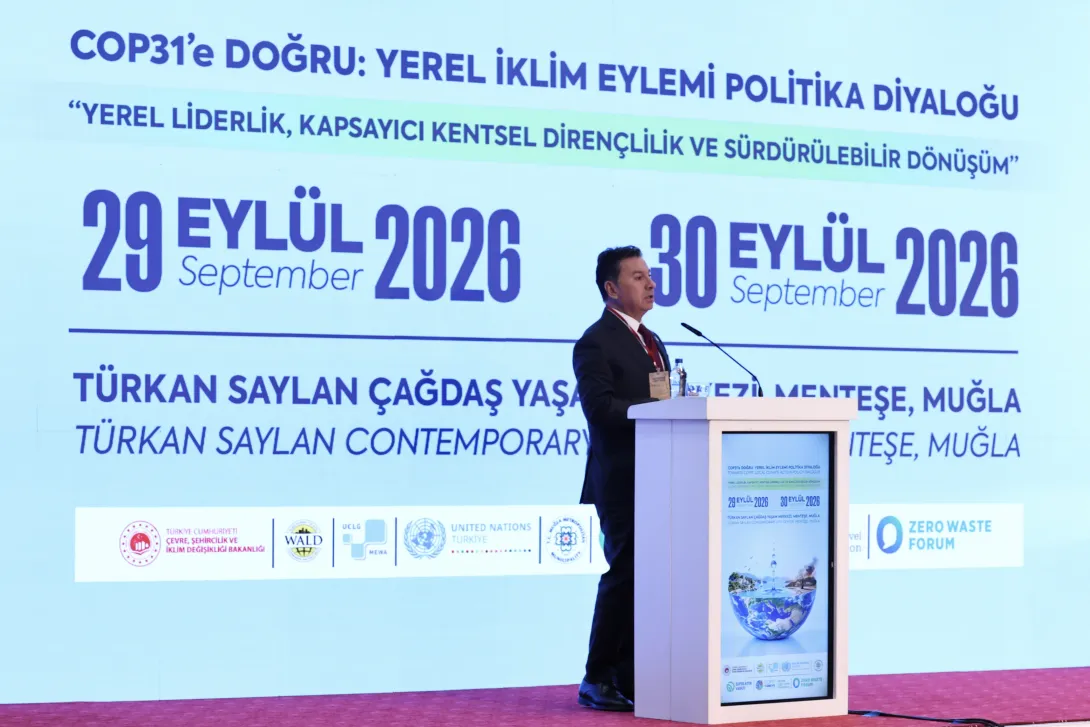
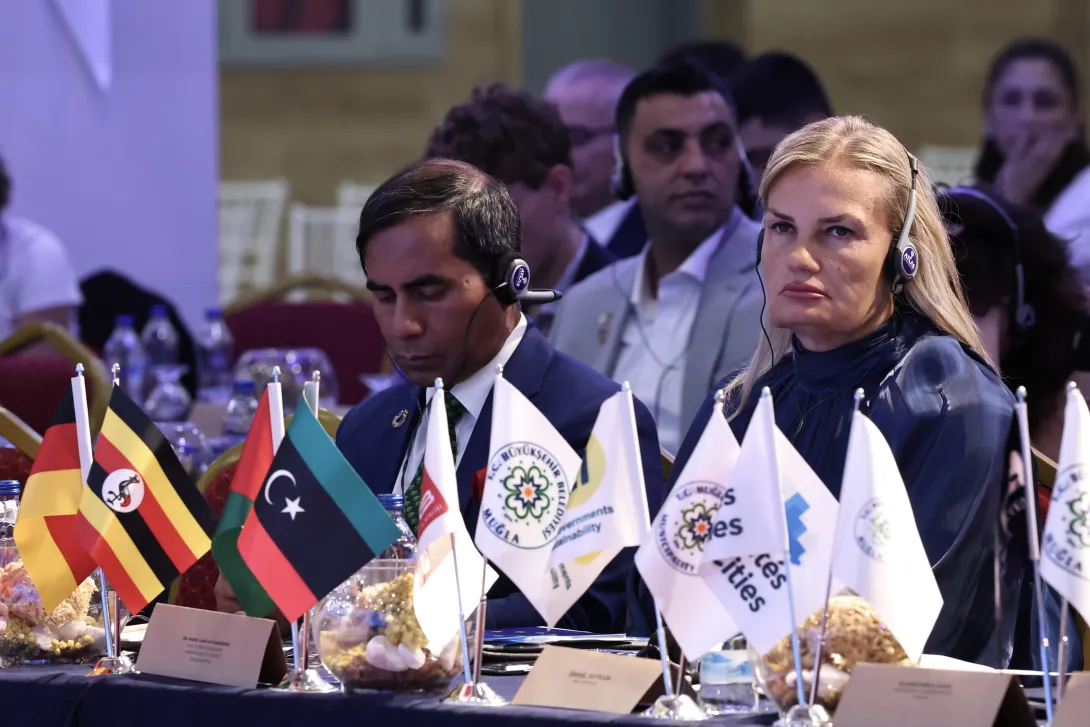
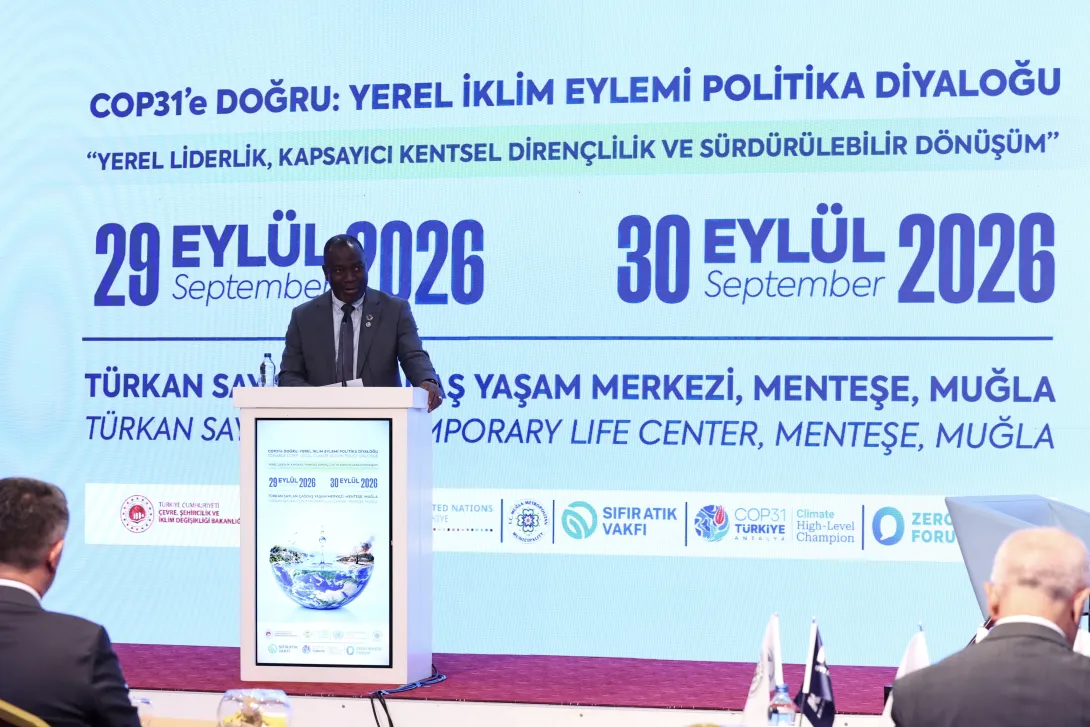
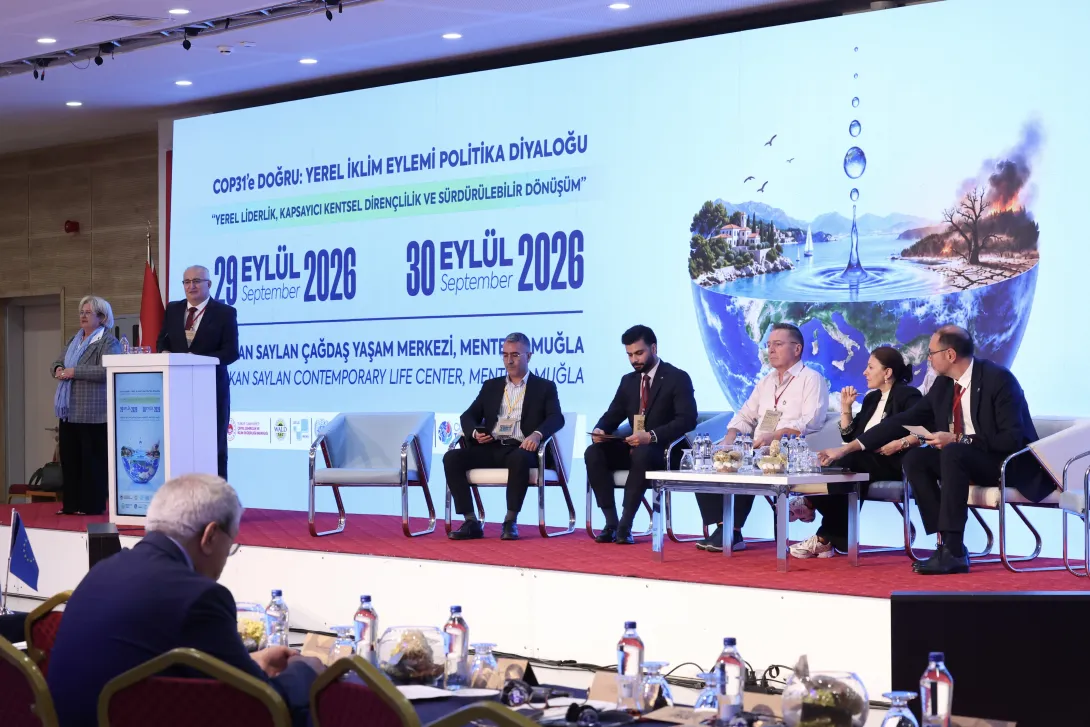
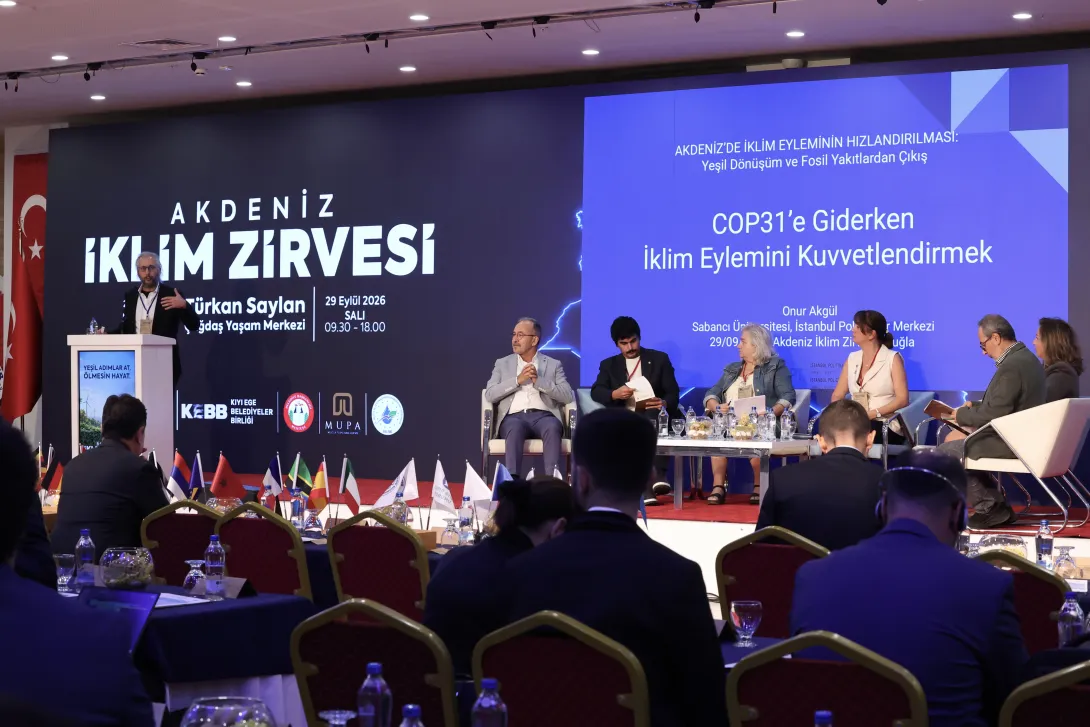
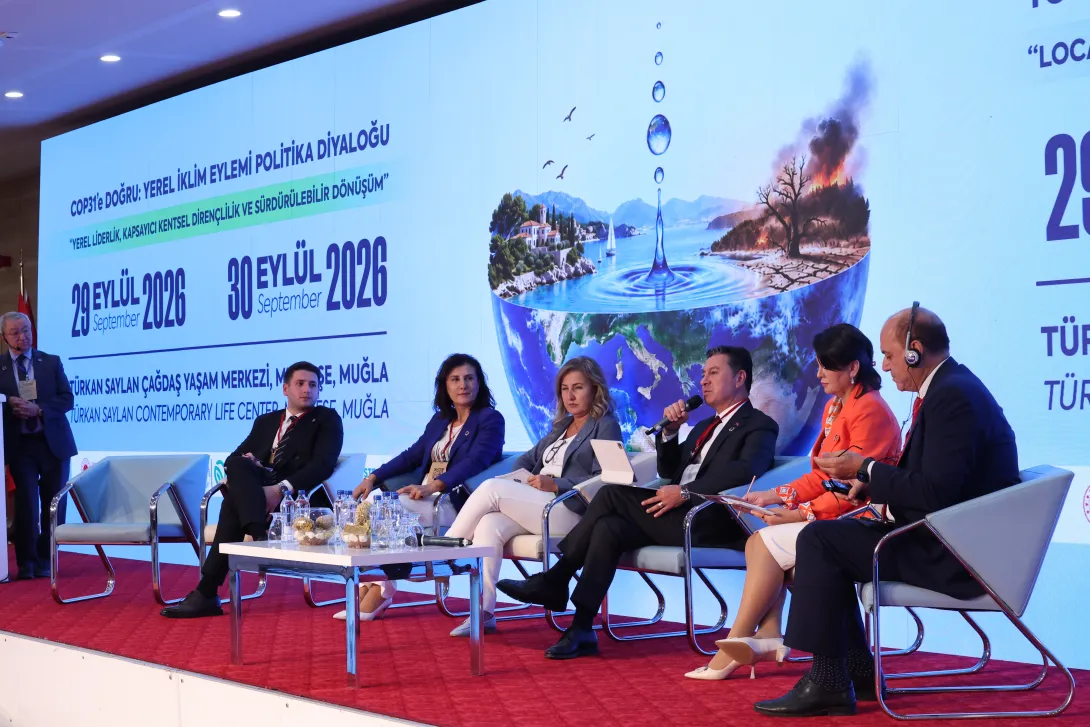
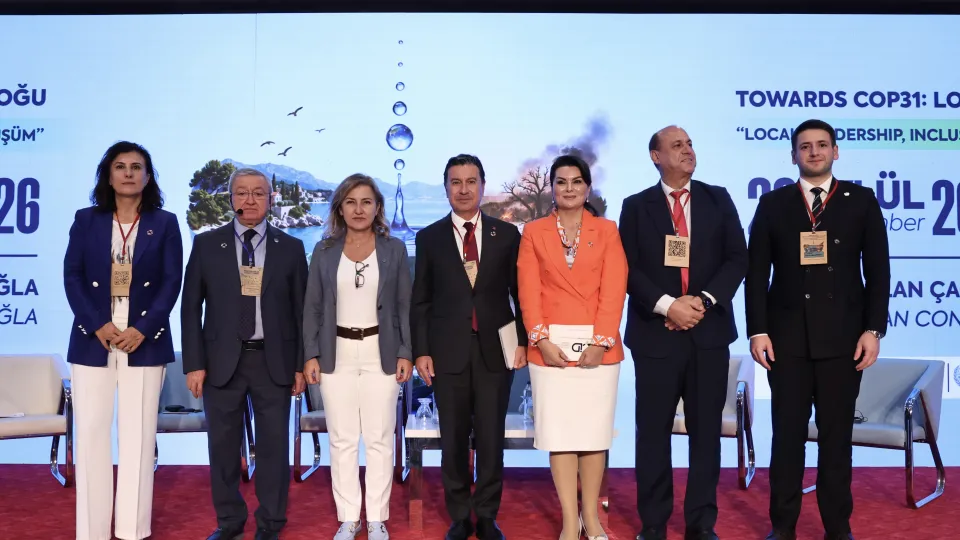
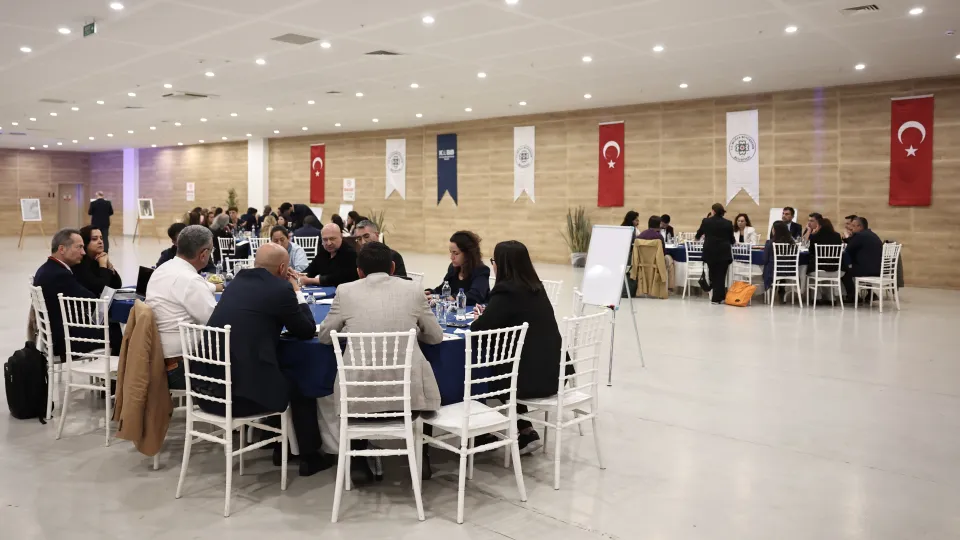
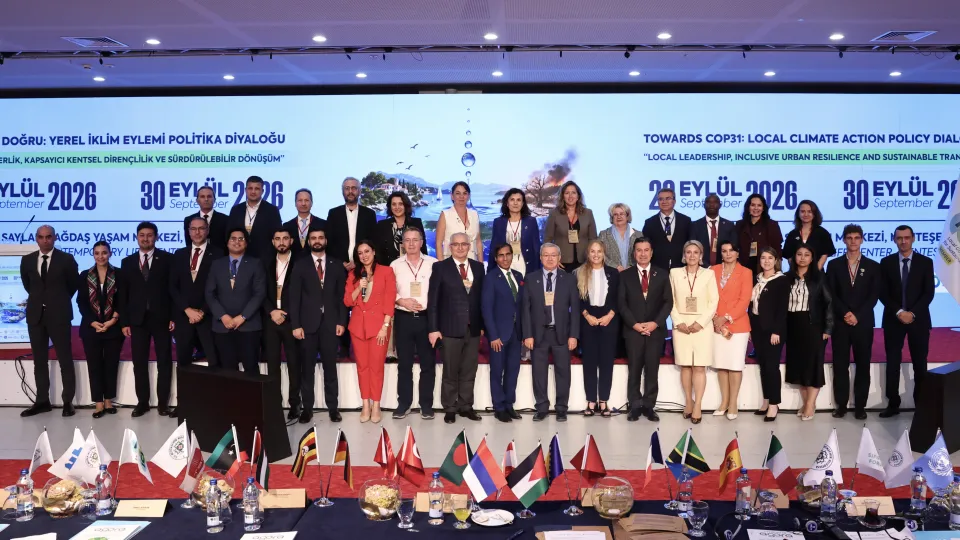
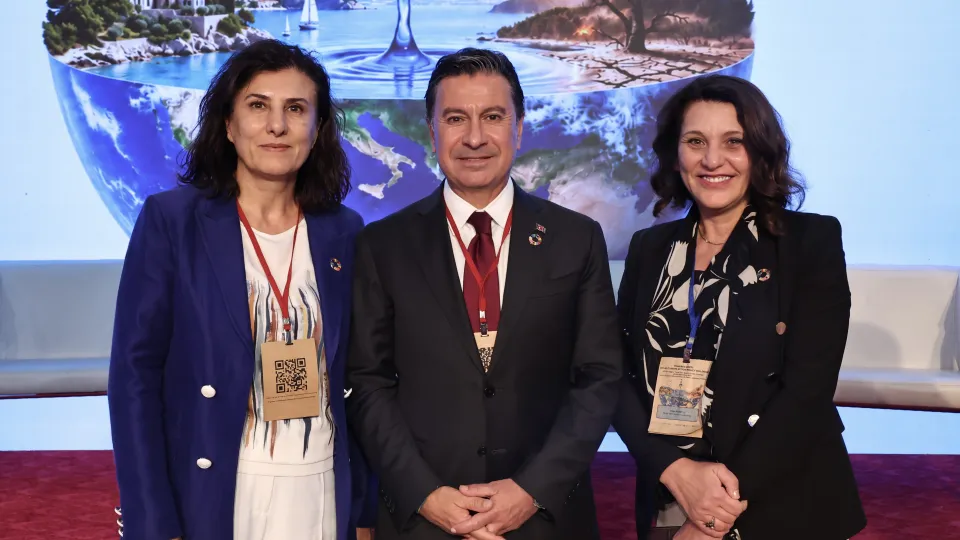
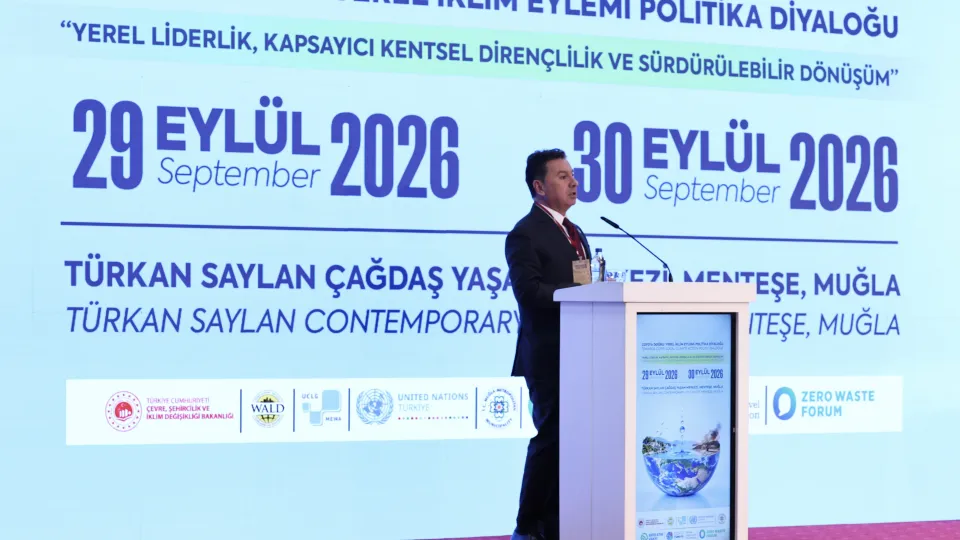
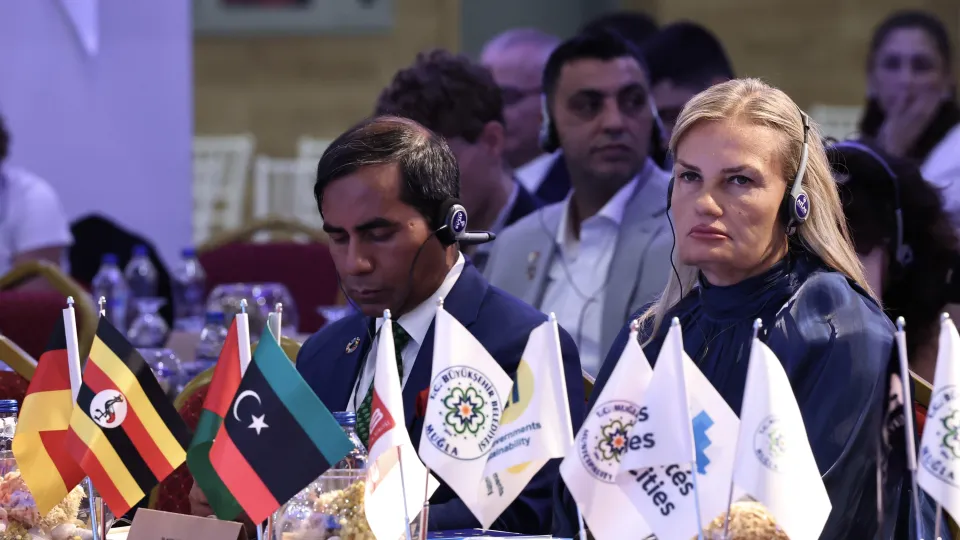
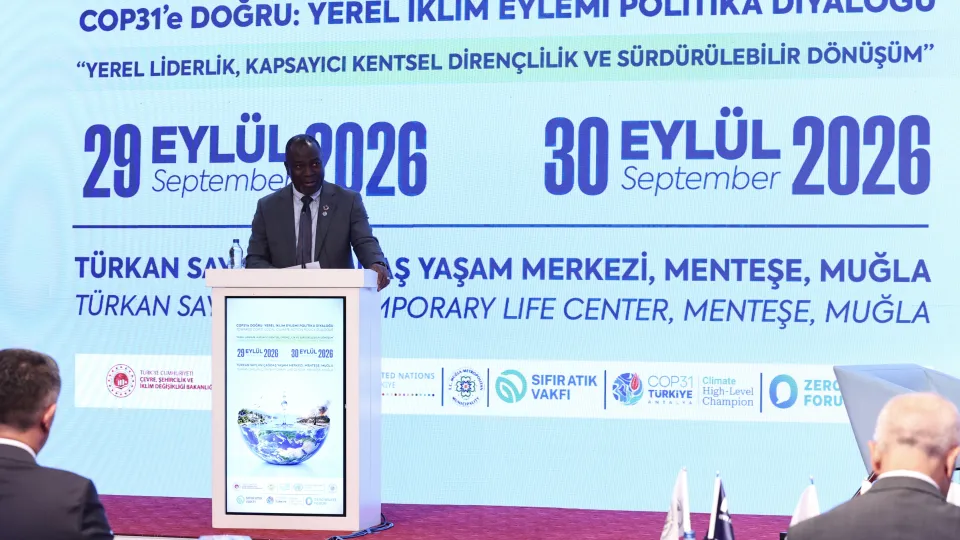
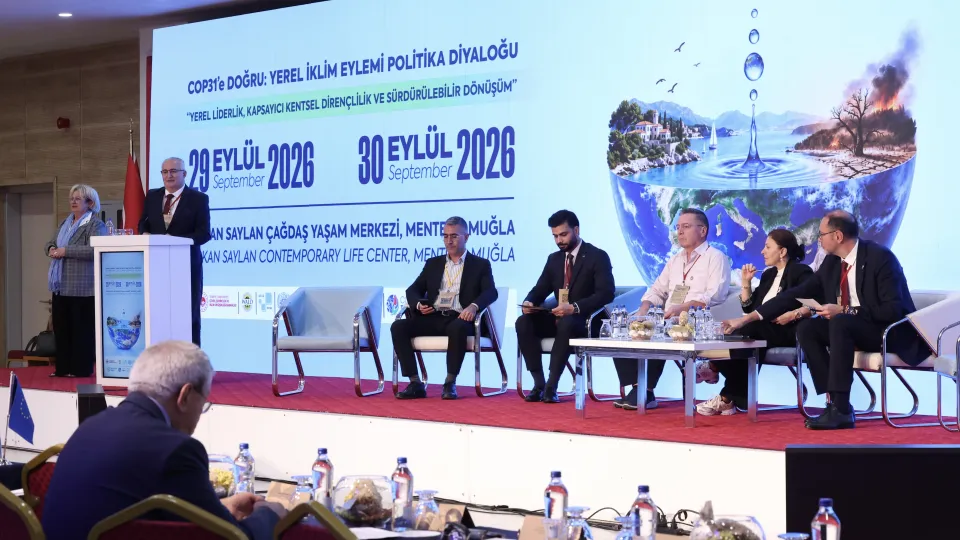
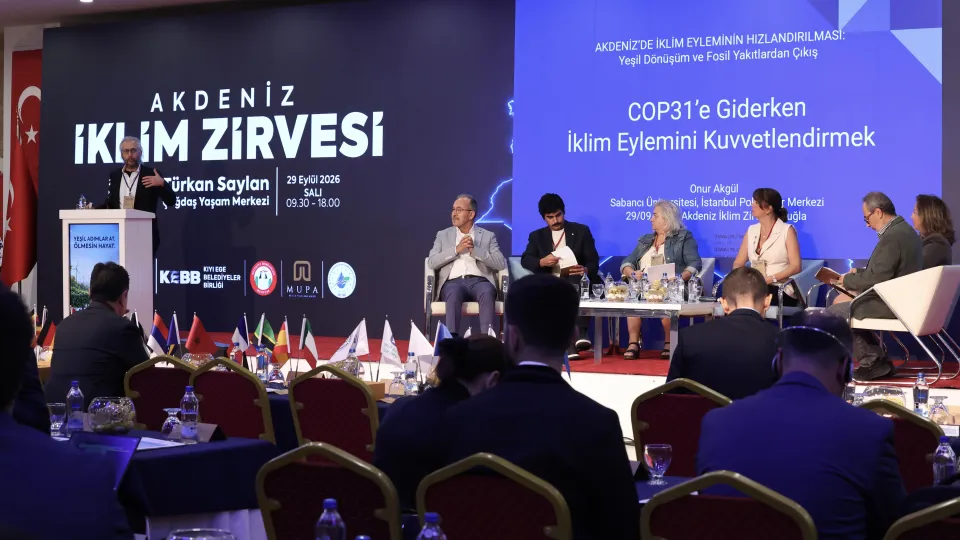
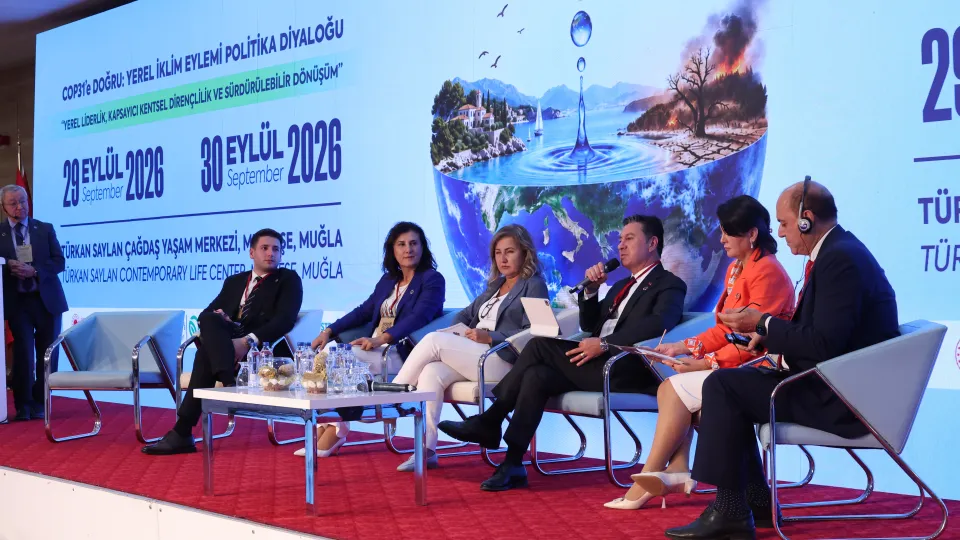
The “Dialogue on Local Climate Policies Towards COP31” was held as part of the Mediterranean Climate Summit. Bringing together representatives of national and international civil society organizations, local governments and academia, the meeting addressed the phase-out of coal, just transition financing, climate resilience in the Mediterranean basin and the crucial role of municipalities in the COP31 process.
Local Leadership and Regional Cooperation Emphasized for Climate Resilience in the Mediterranean
In their remarks, Clare Hart, Vice President of Montpellier Méditerranée Métropole, and Maria Luisa Wyganowski, Head of Cooperation at the EU Delegation to Türkiye, highlighted that the Mediterranean basin is one of the regions most severely affected by global warming and that local governments are on the front lines of climate action despite lacking sufficient funding and authority.
The speakers emphasized the need for cities to build comprehensive “social resilience” that protects not only physical infrastructure but also vulnerable groups. They called for municipalities to be urgently provided with the necessary legal powers and access to climate finance.
It was further stressed that lasting solutions cannot be achieved through top-down policies alone, but require strong regional cooperation networks built from the bottom up, enabling cities to share experiences and develop joint responses.
Local Leadership and Multilevel Climate Governance Discussed in Main Session
The main session, titled “Local Leadership for Climate Action and Multilevel Climate Governance,” was moderated by Dr. Mehmet Duman and brought together central government representatives and local stakeholders.
The panel focused on how climate policies can be translated into concrete action.
Baharramov: “Ecological Transformation Must Be Built Together with Citizens”
Telman Baharramov, Representative of the UN-Habitat Regional Office for Eastern Europe and Central Asia, emphasized that ecological transformation must be developed not merely for cities, but together with citizens, civil society organizations and local economic stakeholders.
He stressed that integrating climate action into local development plans is essential and that cities cannot tackle the climate crisis on their own without the support of multilevel governance mechanisms.
Aras: “Successful Local Practices Must Be Scaled Up”
Ahmet Aras, Mayor of Muğla Metropolitan Municipality and President of the Union of Coastal Aegean Municipalities, focused on how innovative solutions developed by cities can be translated into concrete action.
Aras emphasized that successful local practices should not remain limited to the cities in which they originate but should be expanded and scaled up. He noted that lasting success can only be achieved through the wider adoption of these solutions.
Aslan: “Projects Must Be Feasible and Bankable, Not Just Funded”
Gamze Aslan, Head of the International Operations Department at İLBANK, highlighted that securing funding alone is insufficient for local governments to implement climate investments. She stressed that projects must also be technically feasible and financially bankable.
Aslan pointed out that projects lacking feasibility studies, environmental and social impact assessments, or solutions to property ownership issues may fail to be implemented even when financing is available.
She therefore emphasized the importance of strengthening municipalities’ technical capacities in project preparation and development.
Sefiani: “Inaction Is No Longer an Option”
Mohamed Sefiani, Mayor of Chefchaouen, Morocco, and Vice President of ICLEI, described the Mediterranean basin as a climate change hotspot and stressed that inaction is no longer an option.
He noted that cities are developing practical solutions but emphasized that national governments must remove administrative barriers, while global financial institutions should make climate funding directly accessible to cities to support their efforts.
Altan Arslan: “The Role of Local Governments Must Not Be Sidelined”
Dr. Şengül Altan Arslan, Deputy Secretary General of the Union of Municipalities of Turkiye (UMT), emphasized that local governments must not be relegated to a secondary role in shaping climate policies and that decisions taken at national and global levels must respond to local needs.
She also highlighted the need for stronger municipal representation in international networks and announced that cooperation among different platforms would be strengthened to amplify the voices of local leaders throughout the COP31 process.
Güner: “Tackling Climate Change Is Largely a Matter of Communication”
Sevda Güner, President of the International Environmental Communication Association, argued that tackling the climate crisis fundamentally requires a cultural transformation and behavioral change, making communication a central component of climate action.
She emphasized that no project can succeed without engaging local communities and involving them in decision-making processes.
Güner cited examples of multimillion-euro investments that had been cancelled due to a lack of local acceptance and public support, underscoring the importance of securing community participation and trust.
Joint Declaration on Local Climate Commitment Presented
The two-day summit concluded with an evaluation of the key outcomes of the thematic sessions, moderated by Ali Murat Duman, Deputy Secretary General of United Cities and Local Governments Middle East and West Asia Section (UCLG-MEWA).
Following the evaluation, Muğla Metropolitan Mayor Ahmet Aras presented the “Joint Declaration on Local Climate Commitment,” marking the conclusion of the summit.