

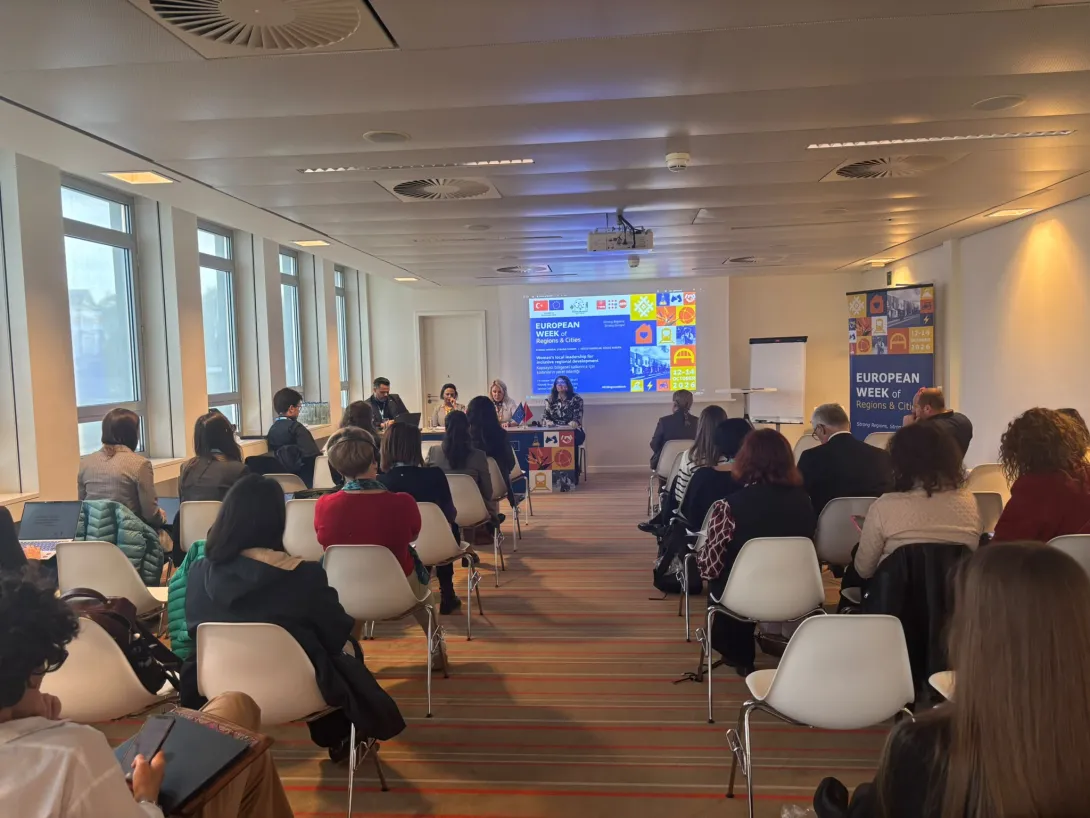
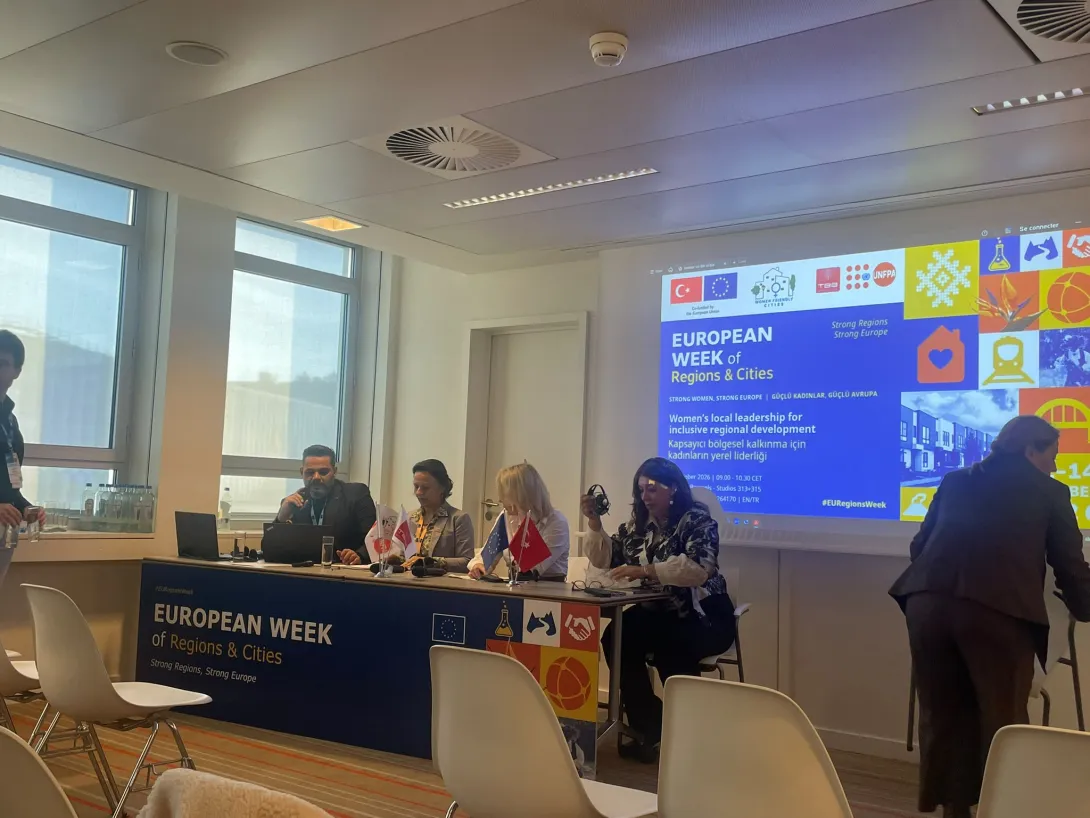
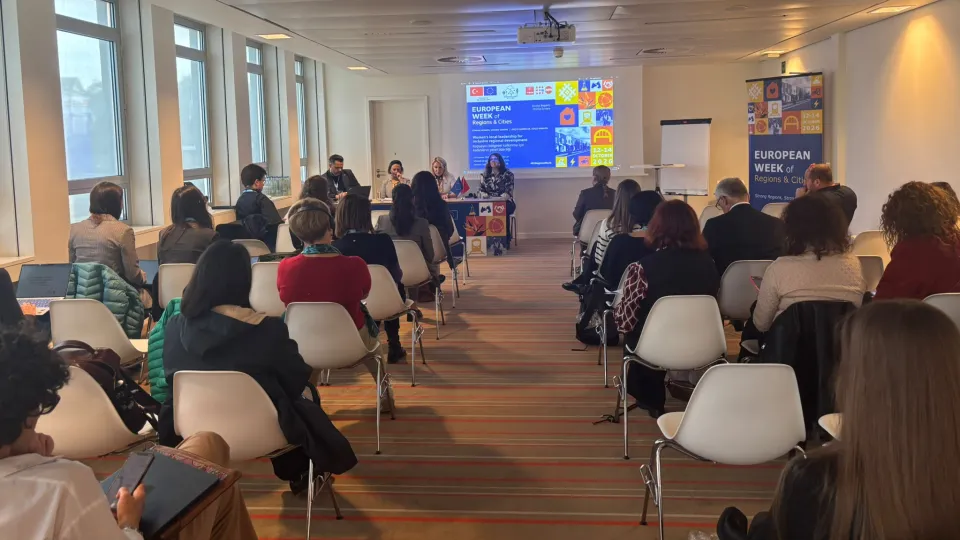
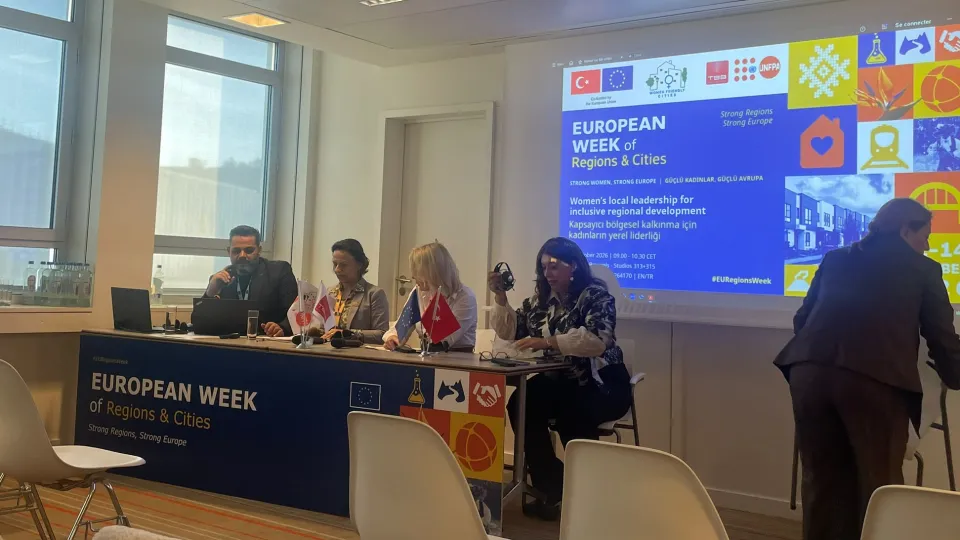
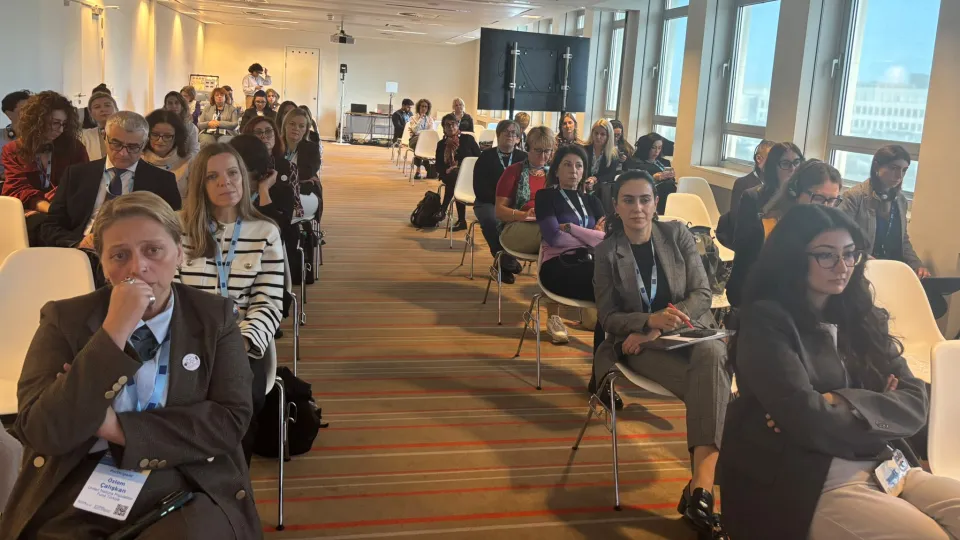
As part of the European Week of Regions and Cities 2026, one of Europe’s largest annual gatherings on regional and urban policy, the Union of Municipalities of Turkiye (UMT), in cooperation with the United Nations Population Fund (UNFPA) Türkiye, organized a session titled “Strong Women, Strong Europe: Women’s Local Leadership for Inclusive Regional Development.”
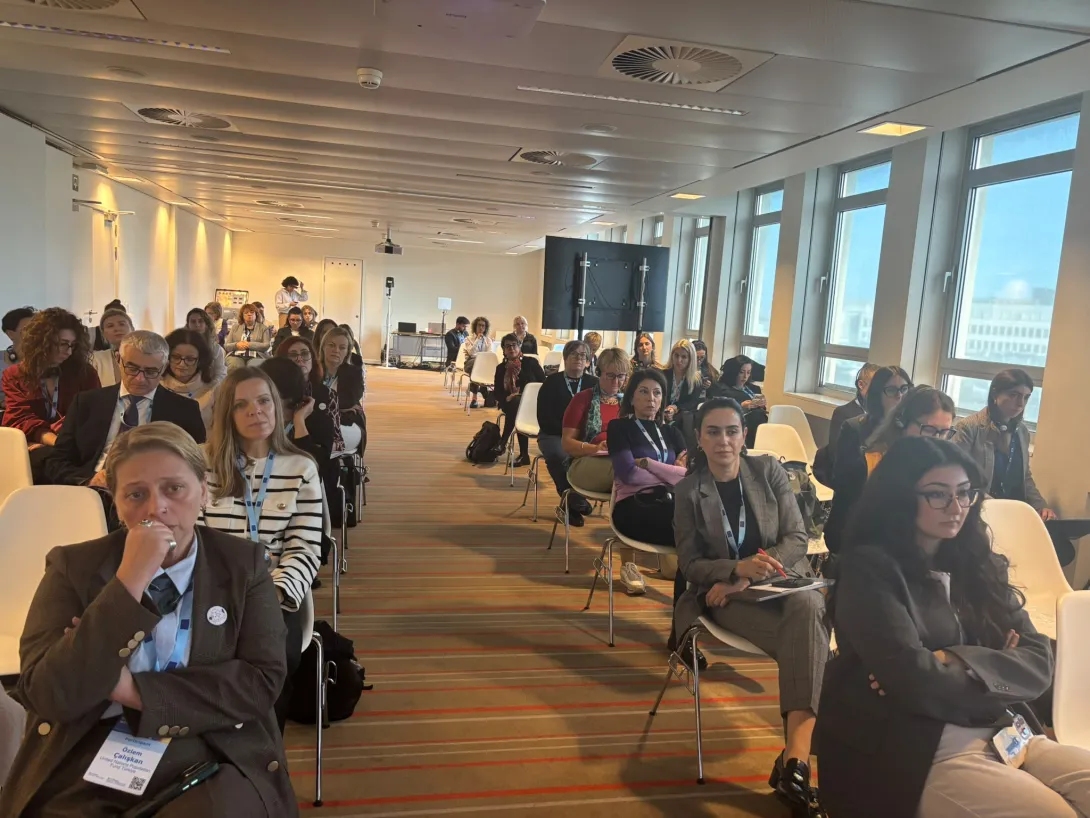
Bringing together local government representatives, policymakers, civil society organizations and experts from across Europe, the session focused on the contribution of women’s local leadership to inclusive regional development and the functioning of equality mechanisms within municipalities.
Moderating the session, Assoc. Prof. Dr. Yahya Can Dura, Director of Foreign Relations at UMT, emphasized that financial instruments must be supported by a participatory governance approach that takes local needs into account to ensure the effective implementation of Cohesion Policy at the local level.
Dura noted that incorporating women’s experiences and needs into local policies could contribute to more inclusive services and stronger social cohesion. He opened the discussion by addressing the mechanisms and partnerships needed to translate these contributions into tangible outcomes.
Jelena Drenjanin, Chair of the European Committee of the Regions’ Working Group on Türkiye, highlighted the links between women’s participation in decision-making processes and education, employment, economic development and resilience to crises.
Drenjanin presented the 24-hour childcare center established in her municipality as a concrete example of an initiative supporting women who face the risk of leaving employment due to caregiving responsibilities, enabling them to enter and remain in the workforce.
Emphasizing that representation alone is insufficient, Drenjanin stated that women must also have a meaningful influence on policy agendas, resource allocation and decision-making. She further stressed that cohesion policies should take into account the access of women living in rural areas to services and employment opportunities.
Mariam A. Khan, UNFPA Türkiye Representative, stated that the third phase of the Women-Friendly Cities Programme, implemented since 2006, covers 25 municipalities across Türkiye’s seven regions and more than 200 women’s civil society organizations.
Khan noted that 24 of the participating municipalities have established local equality units and that the program reaches approximately 60 percent of Türkiye’s population.
She emphasized that equality initiatives should not remain limited to temporary projects but should instead be institutionalized within municipalities’ routine operations, information and monitoring systems, and planning and budgeting processes.
Addressing women’s caregiving responsibilities and labor force participation, Khan highlighted the importance of childcare, healthcare and counseling services tailored to local needs, as well as women’s cooperatives and the joint design of services by municipalities and civil society organizations.
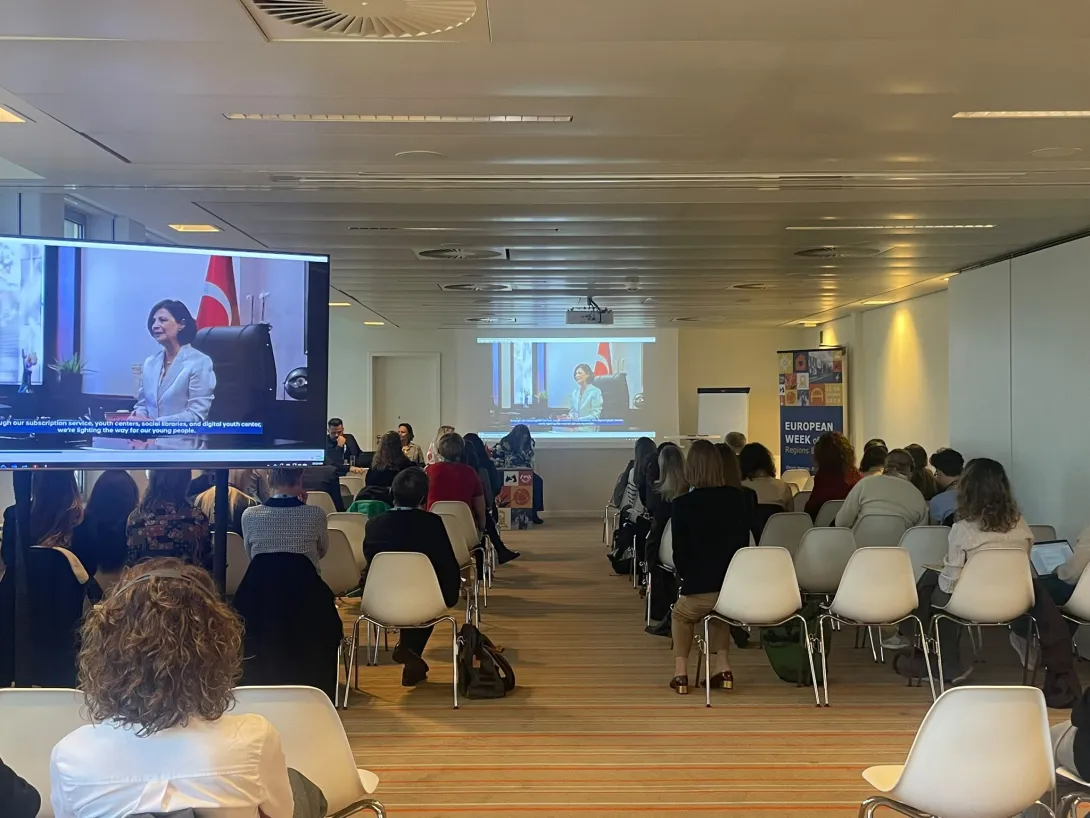
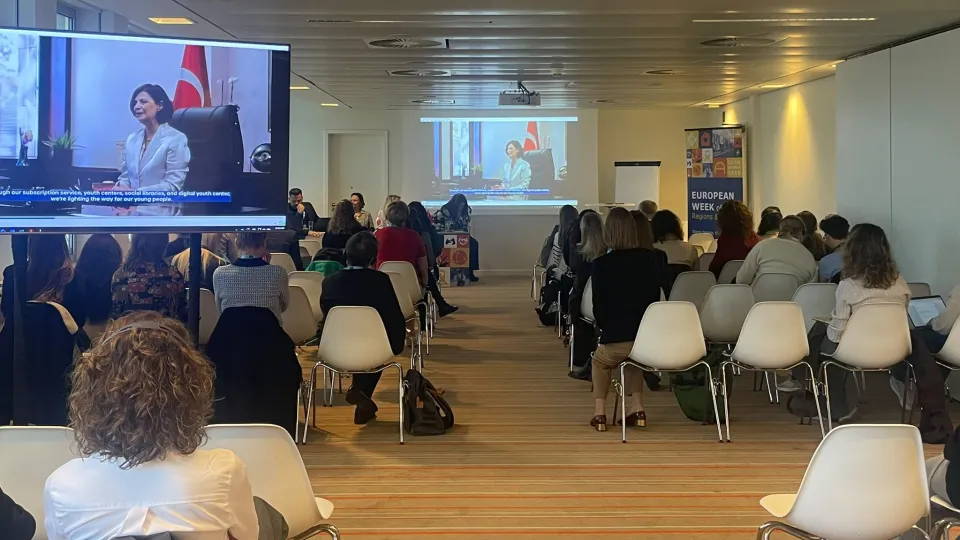
Eskişehir Metropolitan Mayor Ayşe Ünlüce, who joined the session through a video message, stated that strong participation by women in local government is not merely a matter of representation but also reflects a commitment to shaping how cities are governed.
Sharing examples of services provided in Eskişehir for women, children, young people, older persons and individuals with caregiving responsibilities, Ünlüce outlined the municipality’s initiatives concerning its local equality unit and action plan, the use of disaggregated data, and the integration of a gender equality perspective into strategic planning and budgeting.
Neila Akrimi, representative of VNG International, emphasized that having women at the decision-making table does not automatically translate into authority or influence. She stressed the need for institutional support to enable women to shape decision-making processes, policy agendas and the allocation of resources.
Discussing leadership in terms of openness, care, cooperation, courage, ethics and technical competence, Akrimi highlighted the importance of using local data to identify and address the needs of women from different age groups and regions.
She noted that local government initiatives aimed at strengthening women’s participation could generate broader impacts beyond local communities by increasing trust and improving access to services.
As part of the European Week of Regions and Cities, participants also visited exhibition stands showcasing various European institutions and projects to learn more about their activities.