

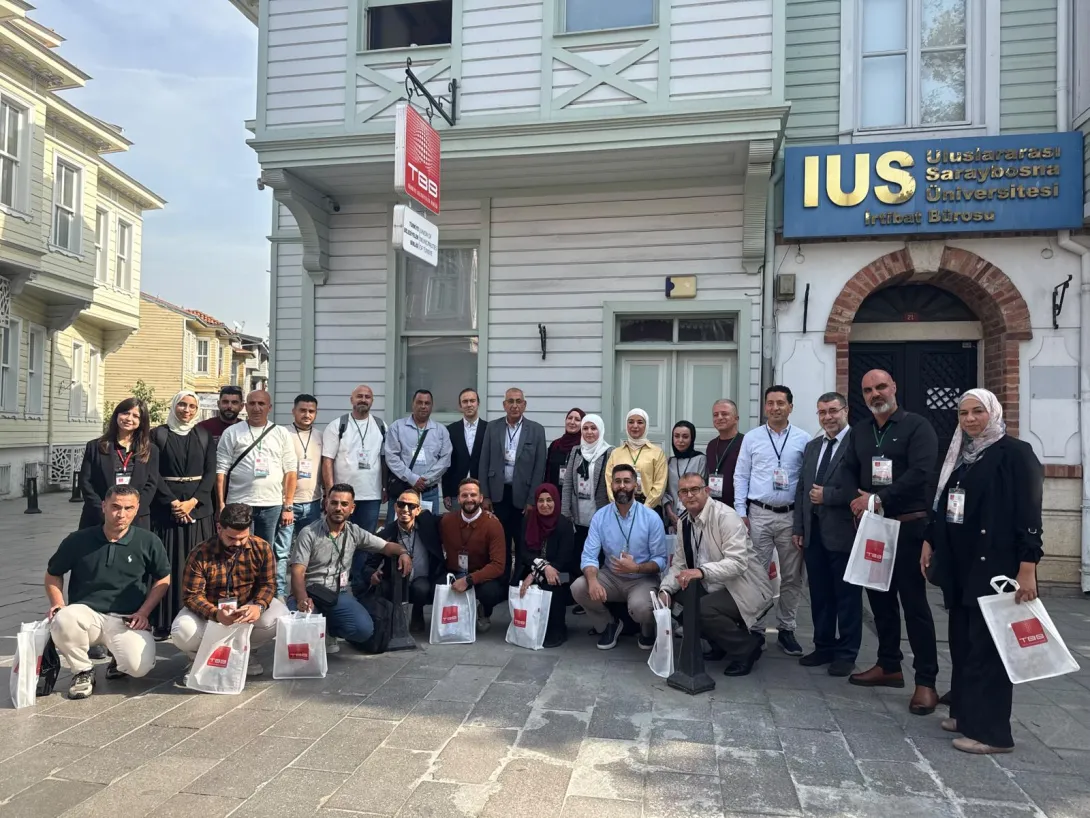
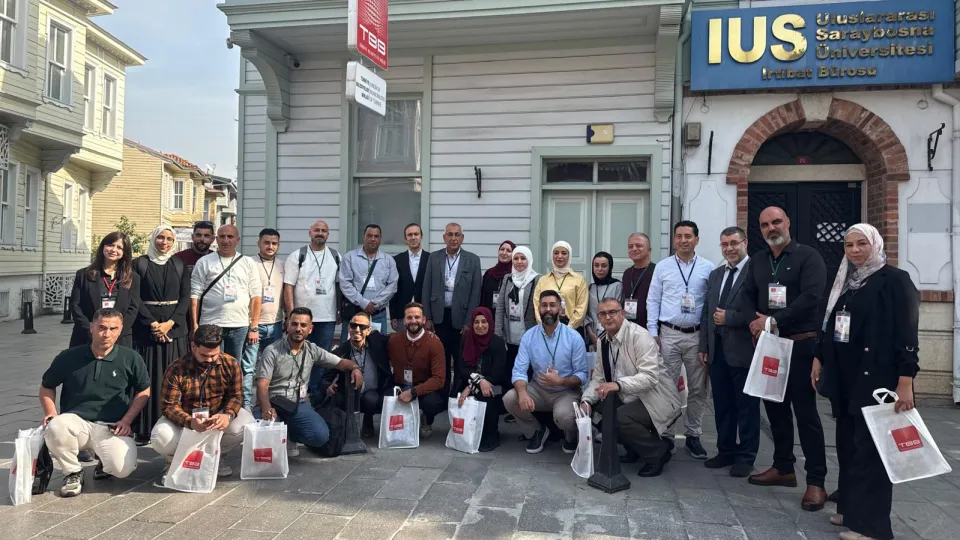
The Union of Municipalities of Turkiye (UMT) hosted 24 Palestinian municipal representatives in Istanbul as part of a training program organized in cooperation with the Association of Palestinian Local Authorities (APLA). Covering international municipal partnerships, disaster awareness, water loss management and integrated solid waste management, the program combined technical training sessions with institutional visits, facility tours and field inspections.
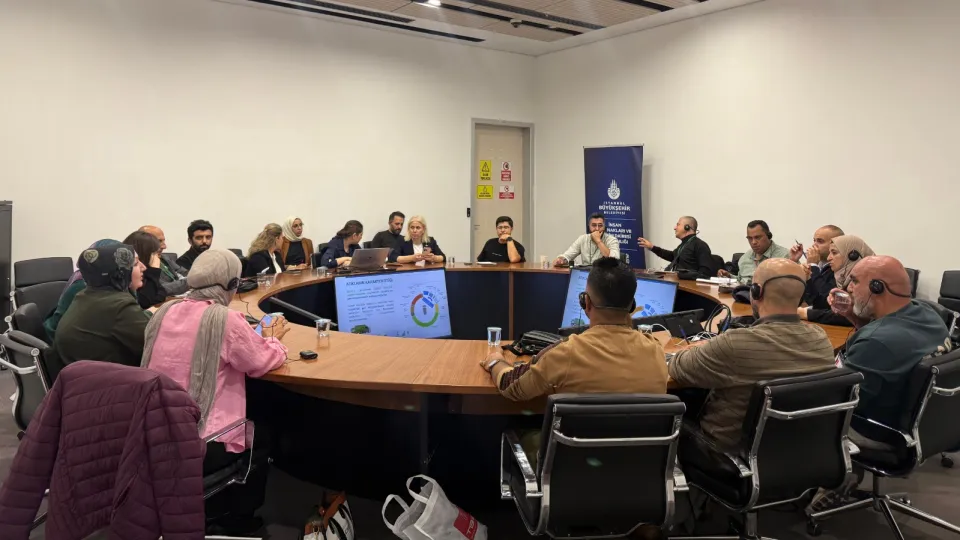
During the UMT–APLA Istanbul Training Program, held from October 12 to 14, participants exchanged knowledge and experience on improving municipal services. Following joint training sessions on the first day, the delegation was divided into two groups of 12 participants according to their areas of expertise. Over the following two days, the groups attended parallel training sessions and technical visits focusing on water loss management and integrated solid waste management.
Addressing Concrete Needs and Promoting Sustainable Cooperation in International Partnerships
The program began with a visit to the Strategic Research Center at the UMT Istanbul Office. Murat Kodaz, an expert from the Foreign Relations Directorate, delivered a training session titled “International Municipal Partnerships: From Needs to Sustainable Cooperation.”
The session emphasized that international municipal partnerships should go beyond signing cooperation protocols or organizing reciprocal visits and should instead serve as practical tools for improving local services and strengthening institutional capacity. Topics such as needs assessment, selection of suitable partners, identification of shared objectives, allocation of responsibilities and monitoring of results were discussed through examples from municipal practices.
The training also highlighted UMT’s role in supporting the international representation of municipalities, developing partnerships and facilitating knowledge exchange. Participants were introduced to international local government networks, while the links between global objectives and the day-to-day activities of municipalities were explained through the Sustainable Development Goals, the New Urban Agenda and the Global Covenant of Mayors for Climate and Energy.
Disaster Awareness Training and Earthquake Simulation at AFAD
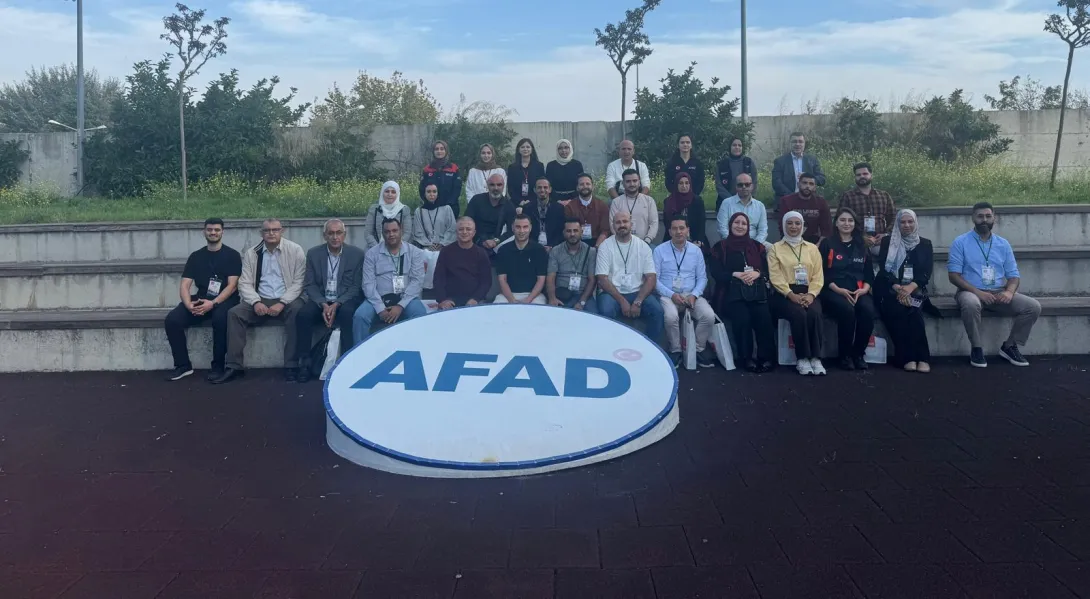
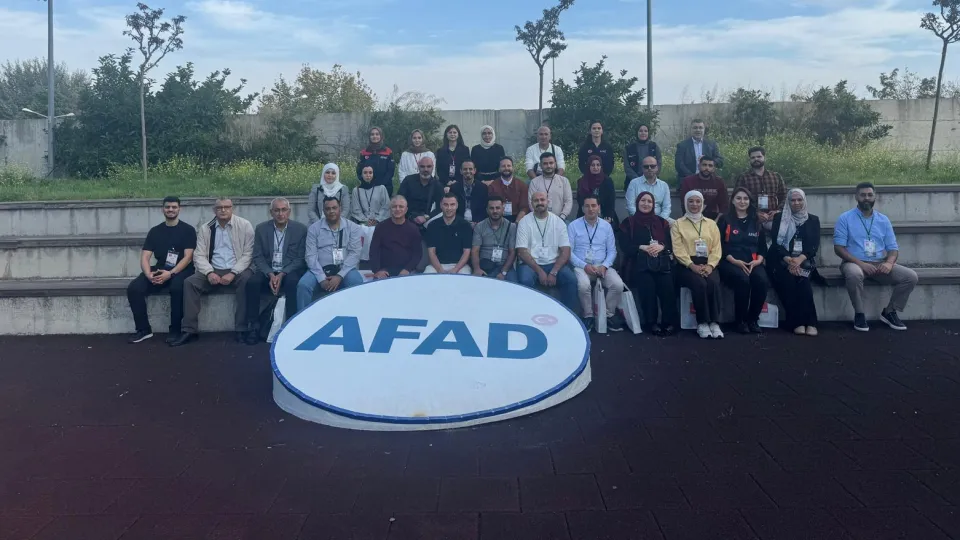
On the afternoon of the same day, the delegation attended Disaster Awareness Training at the Bakırköy/Yeşilköy Campus of the Disaster and Emergency Management Authority (AFAD).
The training addressed preventive measures against earthquakes, floods and similar disasters, appropriate safety procedures during emergencies, and the importance of preparedness.
During the practical component, participants experienced an earthquake simulation, reinforcing the knowledge gained during the training by allowing them to experience the effects of an earthquake in a controlled environment.
Parallel Training Sessions on Water Loss and Solid Waste Management
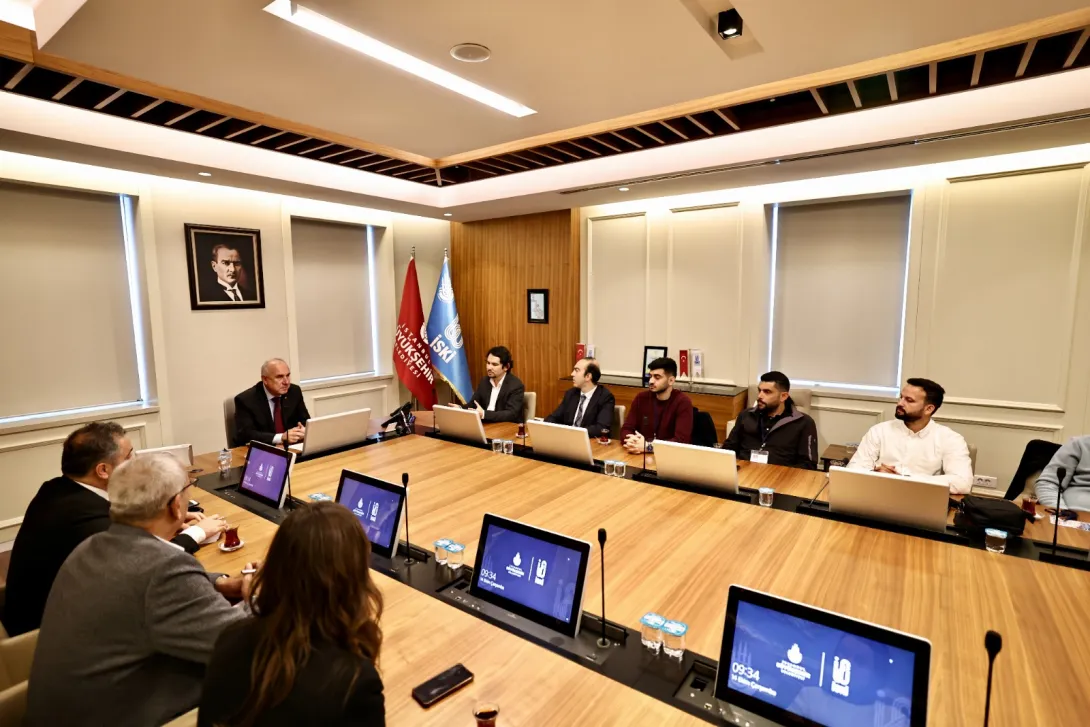
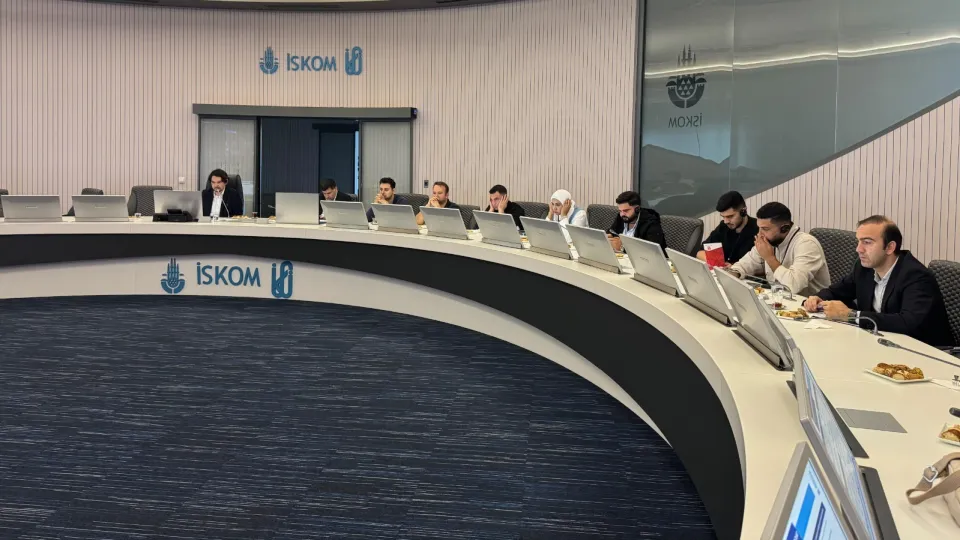
On October 13, the two groups attended simultaneous training sessions hosted by the Istanbul Water and Sewerage Administration (İSKİ) and the Istanbul Metropolitan Municipality (IMM).
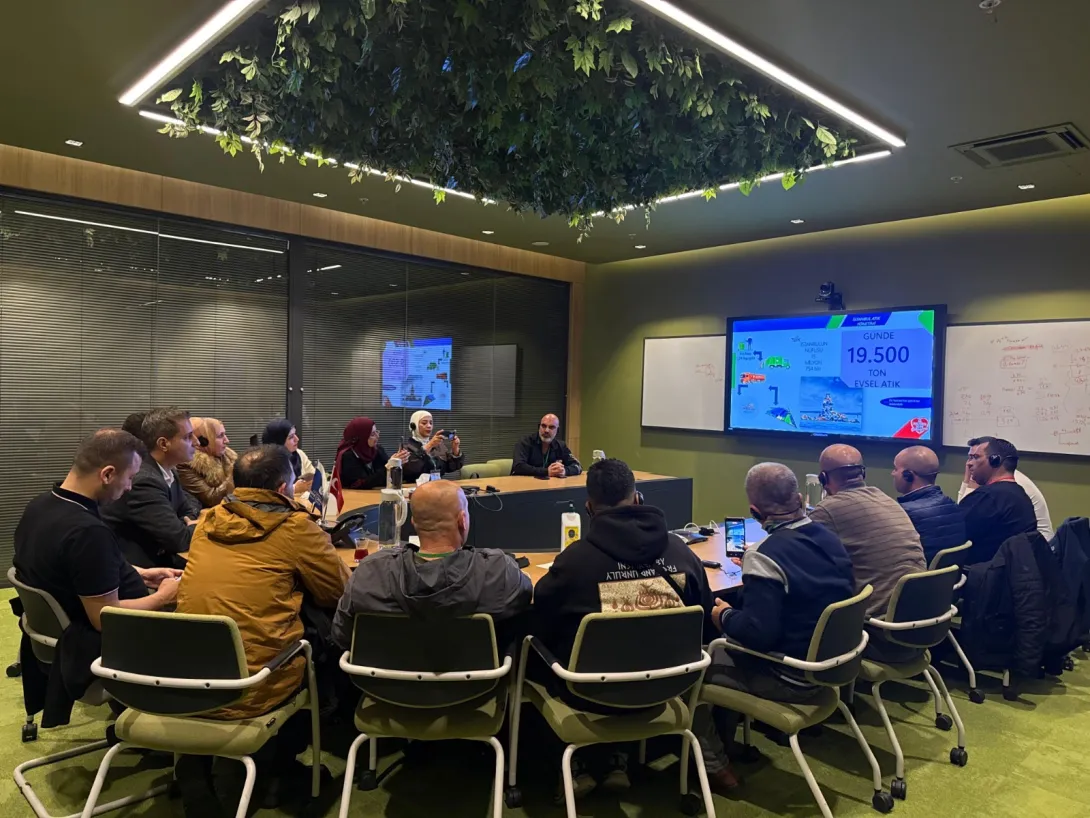
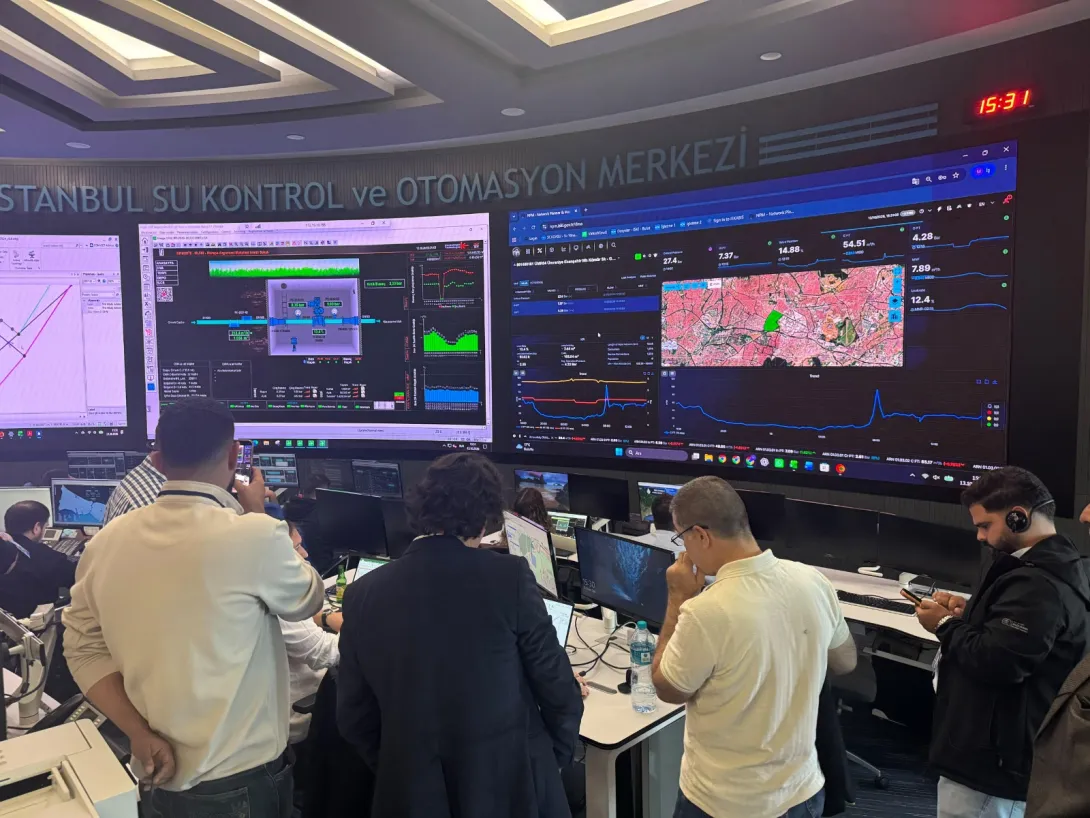
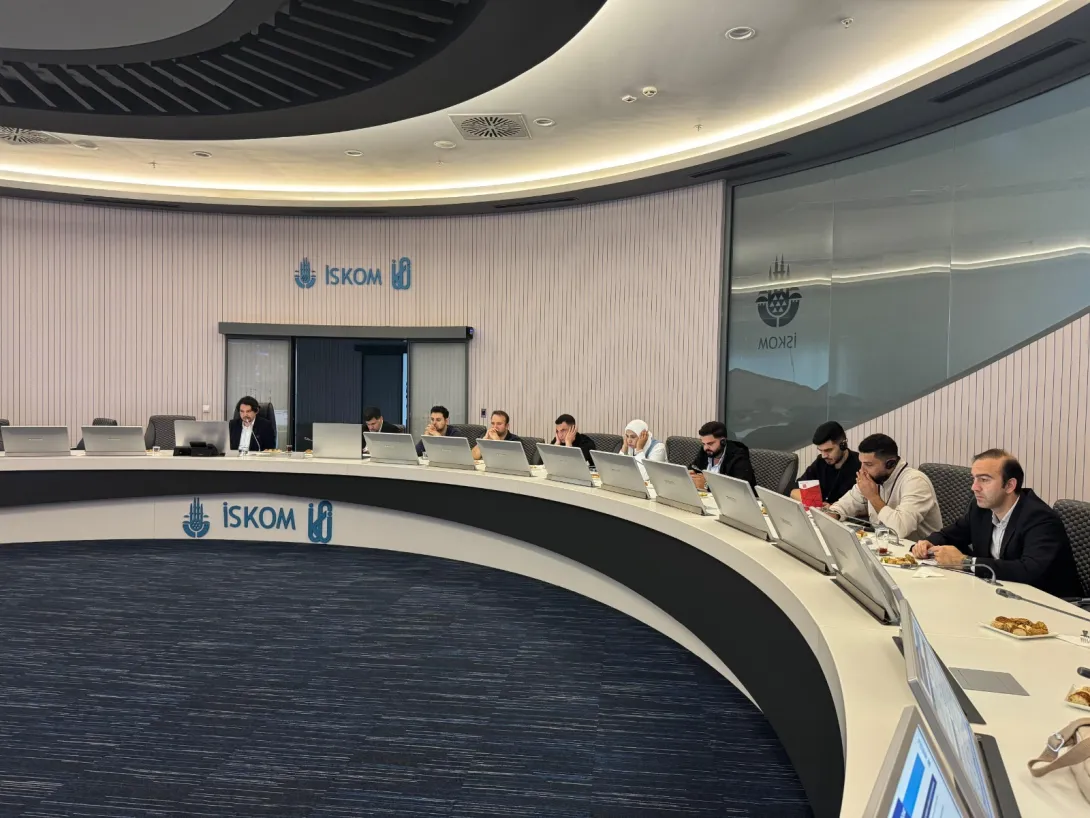
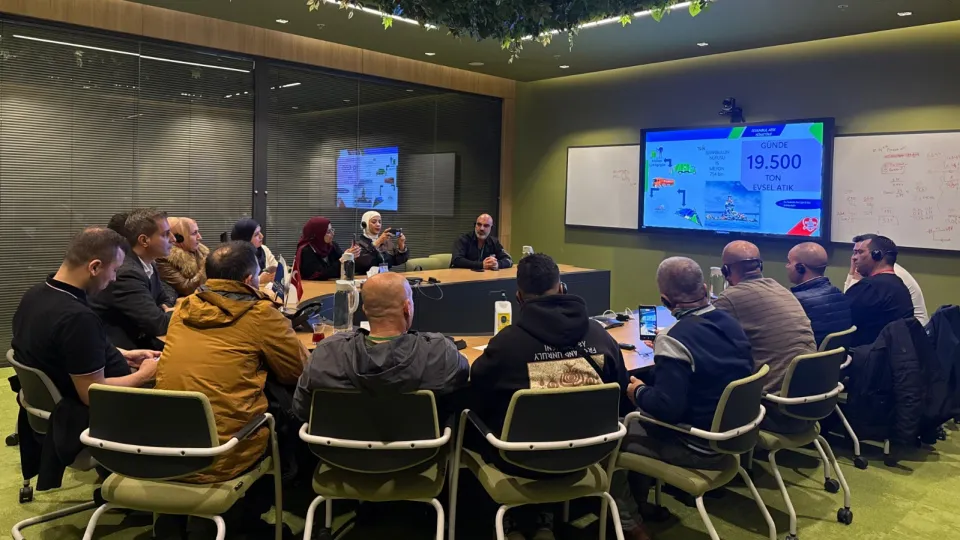
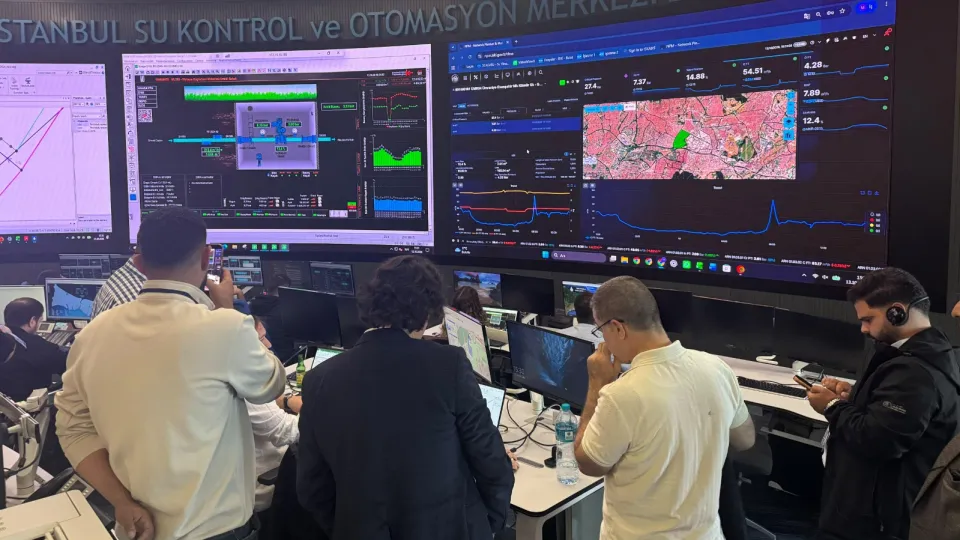
At the Istanbul Water Control and Automation Center (İSKOM), operated by İSKİ, Alper Erol, Head of the Asian Side Water Loss and Leakage Department, delivered a training session titled “Water Loss Management in Distribution Networks.”
The session introduced Istanbul’s water resources and distribution system and covered water balance, physical and apparent water losses, the division of distribution networks into measurable district metered areas, hydraulic modelling and pressure management.
Examples were presented on identifying network failures through digital monitoring, data analysis and alarm systems, as well as detecting leaks using acoustic methods.
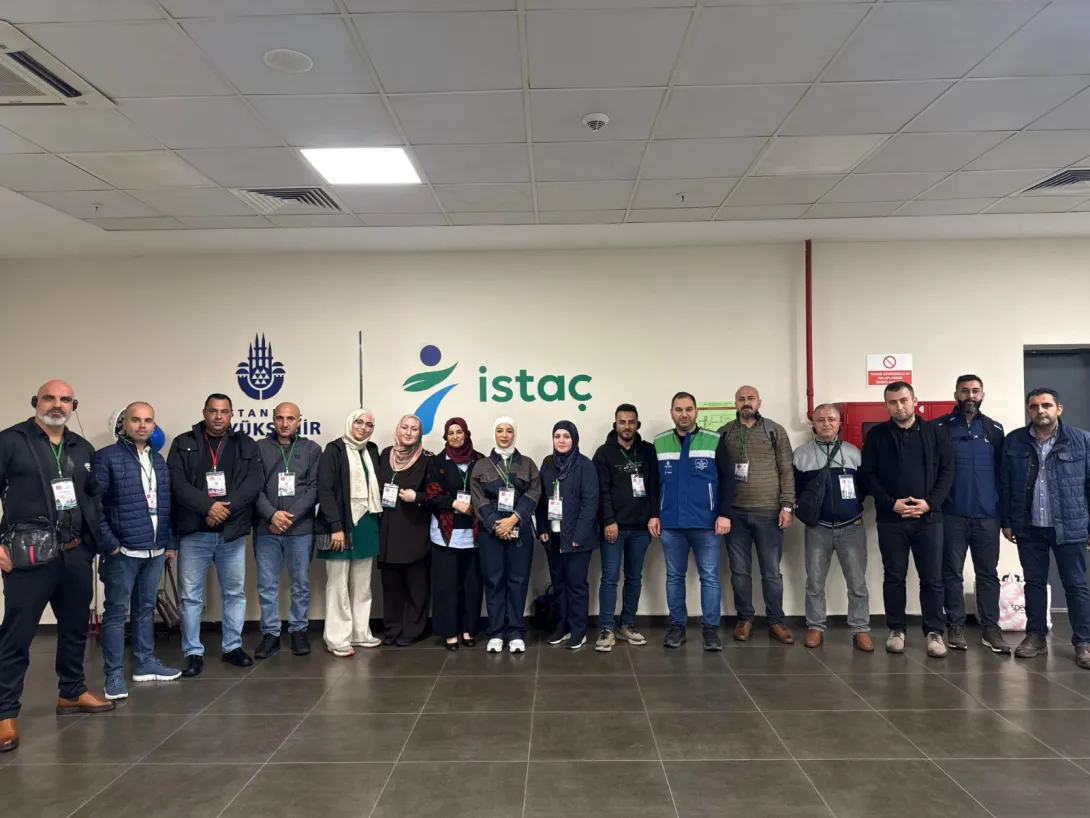
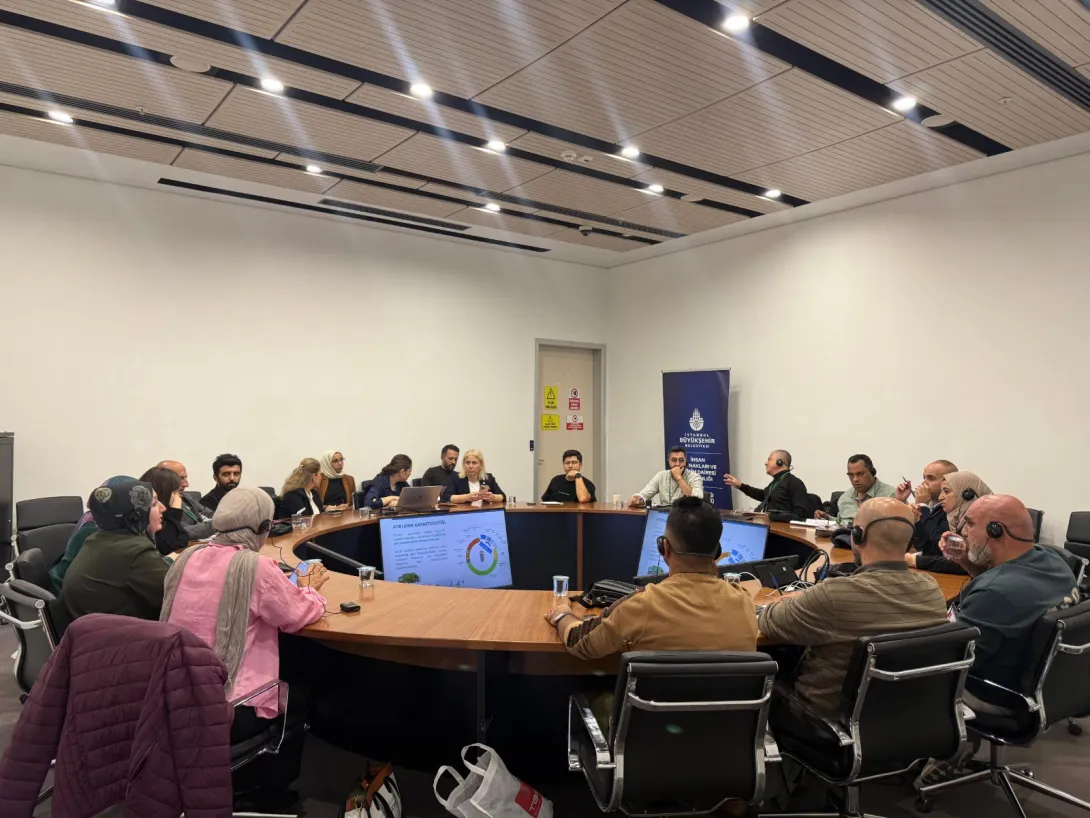
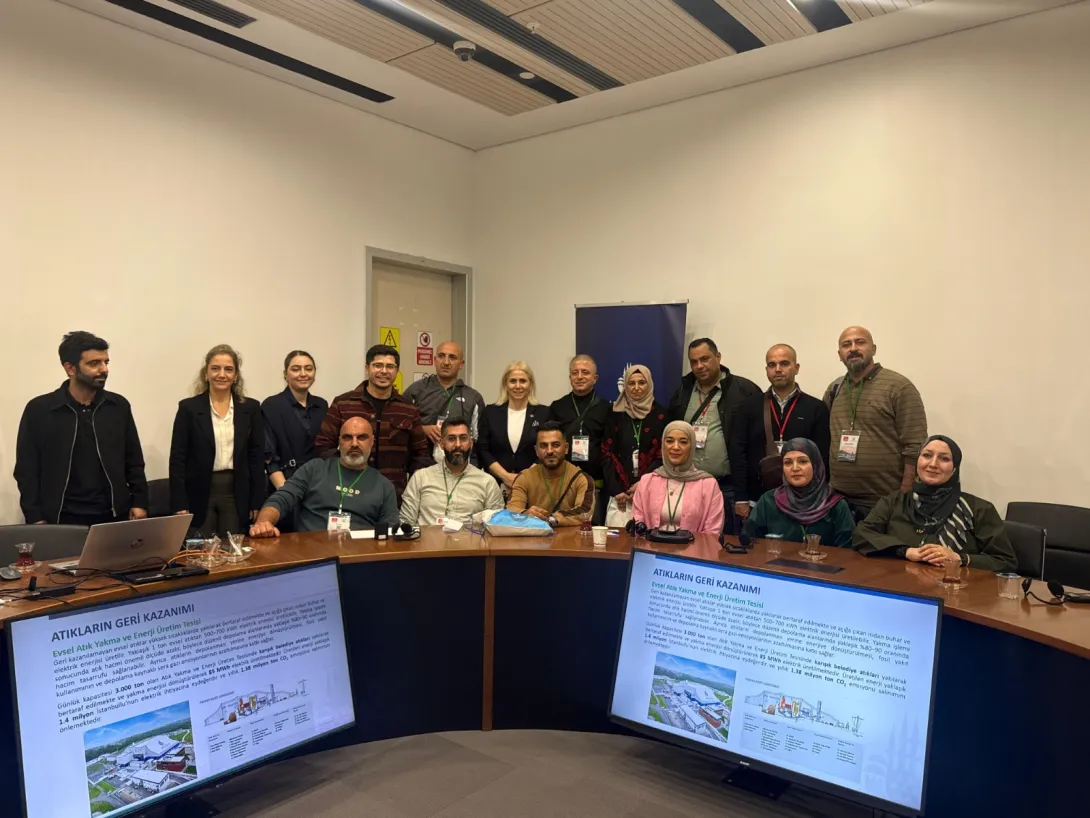
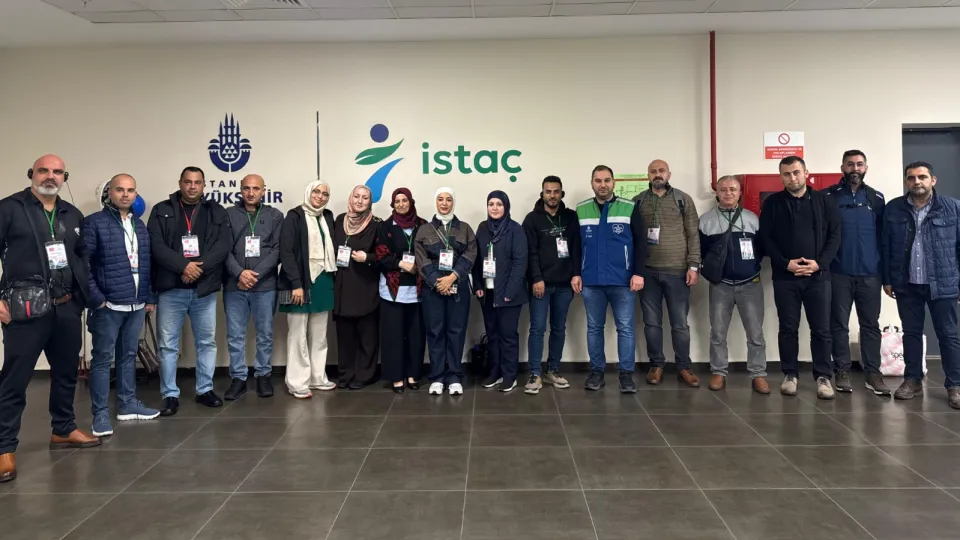
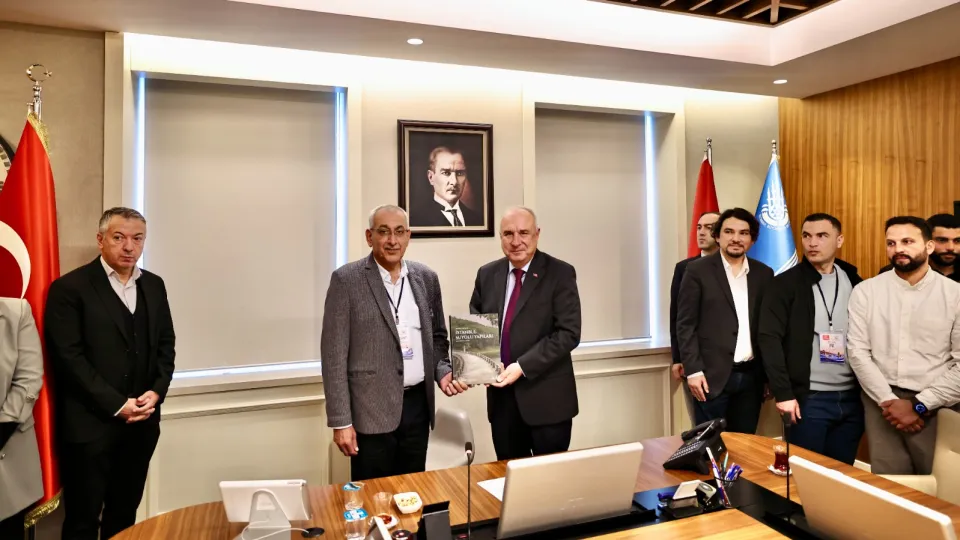
Meanwhile, the integrated solid waste management group visited Prof. Dr. Ayşen Erdinçler, Head of the Environmental Protection and Control Department at IMM.
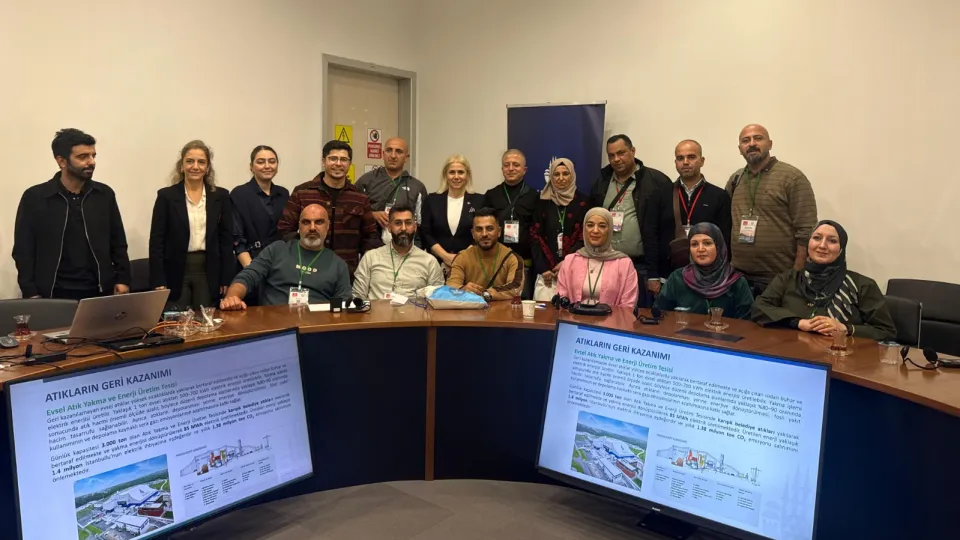
The visit was followed by training sessions delivered by experts from the IMM Waste Management Directorate. These sessions addressed waste prevention, reduction, reuse, recycling, energy recovery and disposal processes.
Using examples from Istanbul’s municipal practices, the experts explained separate waste collection at source, zero-waste initiatives, composting, biomethanization and waste incineration methods.
In addition to the technical aspects of waste management, participants discussed operational processes, costs, planning requirements and environmental impacts.
Waste Recovery Processes Examined On-Site in Kemerburgaz
Technical training continued on October 14 with facility visits and field inspections.
Accompanied by experts from the IMM Waste Management Directorate, the integrated solid waste management group examined biomethanization, composting and waste incineration processes at the Kemerburgaz facilities.
During the visits, participants received information on the production of biogas and energy from organic waste, compost production, and the use of compost as a soil conditioner in parks and gardens.
At the waste incineration and energy recovery facilities, the delegation learned about the thermal treatment of waste and the generation of electricity from the heat produced during the process.
The visits enabled participants to observe the practical, facility-scale implementation of methods introduced during the previous day's training sessions.
Message of Solidarity and Practical Field Inspections at İSKİ
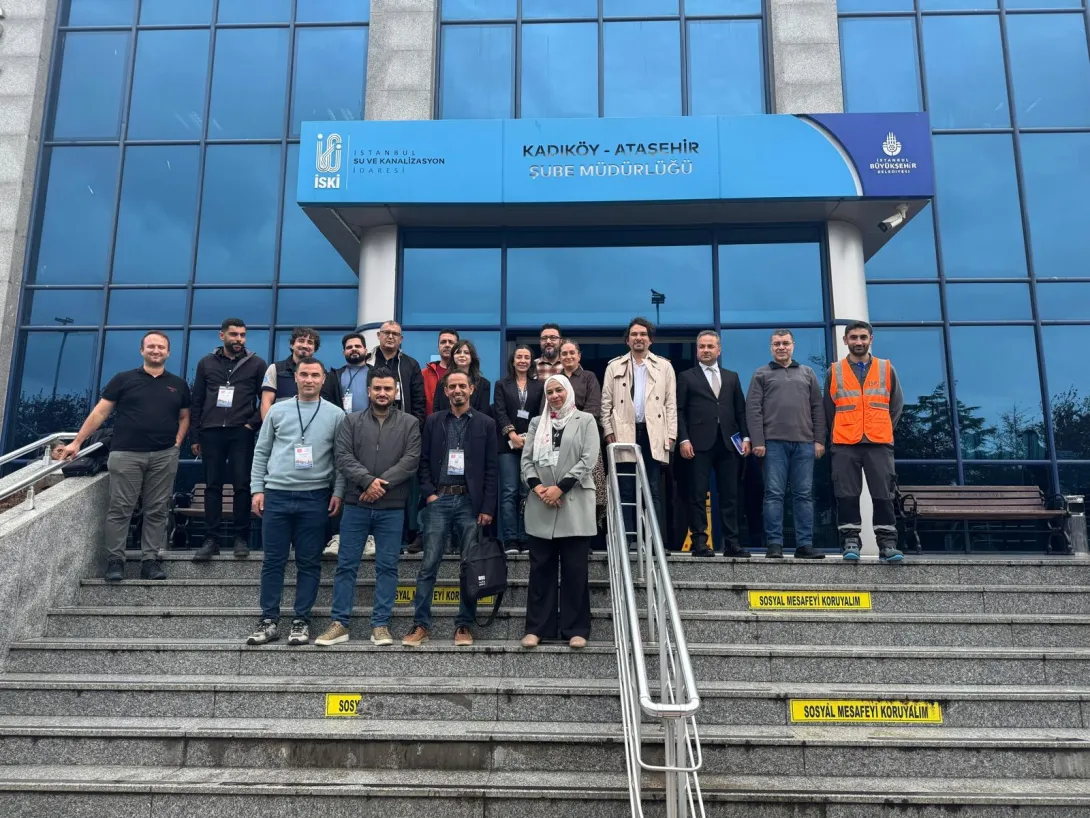
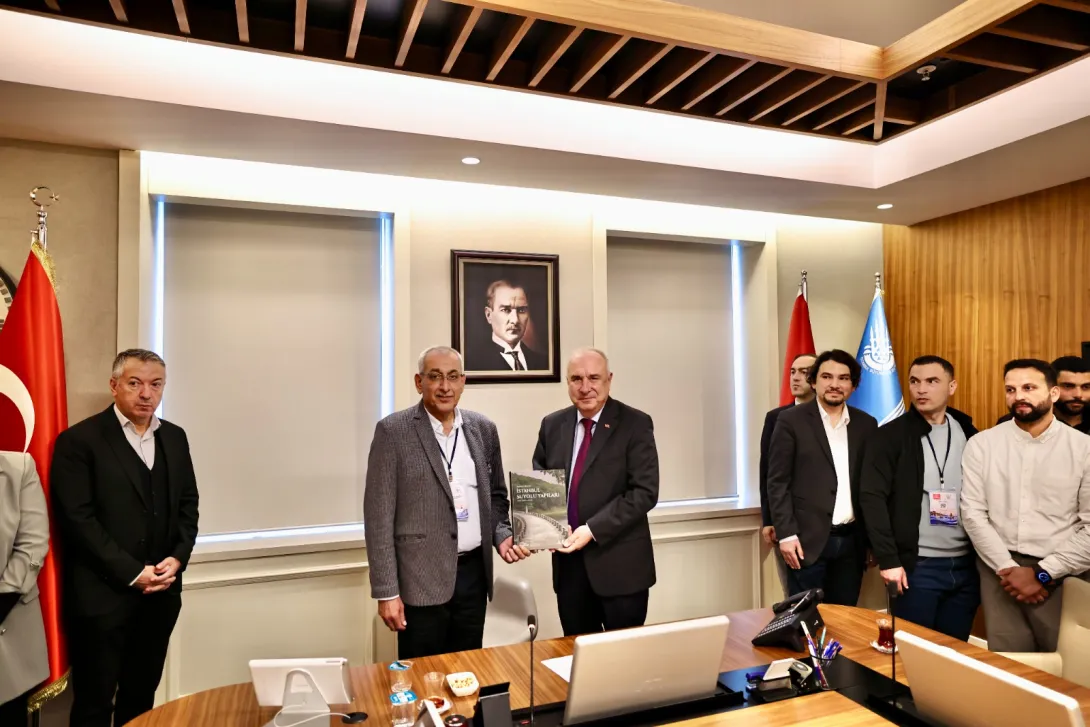
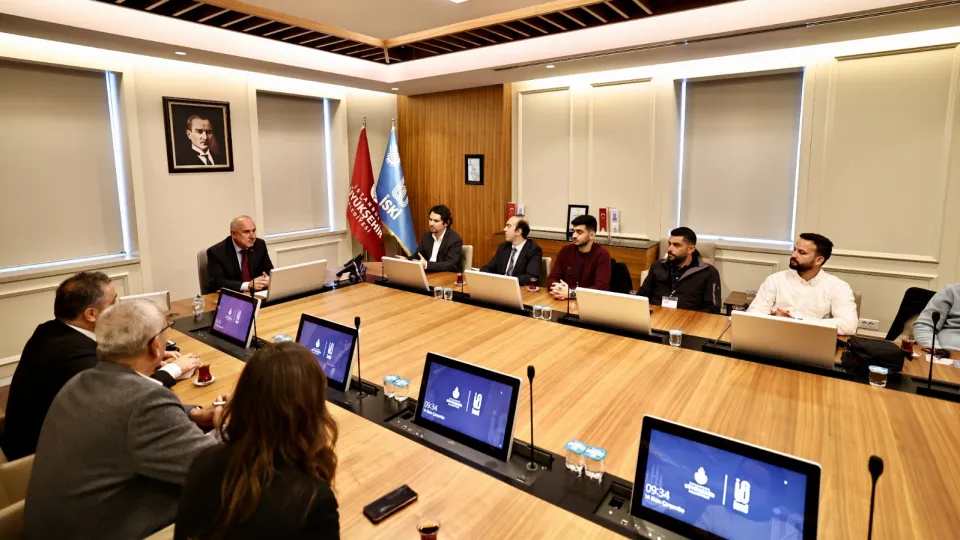
The water loss management delegation began its October 14 program with a visit to Assoc. Prof. Dr. Şafak Başa, General Manager of İSKİ.
Başa provided information about İSKİ’s drinking water and wastewater services in Istanbul, its ongoing activities and its institutional capacity. He emphasized that İSKİ remains open to international partnerships, mutual exchange of experience and technical cooperation.
Stating that they were closely following developments in Palestine, Başa expressed deep sorrow over the situation and conveyed a message of solidarity with the Palestinian people and local authorities.
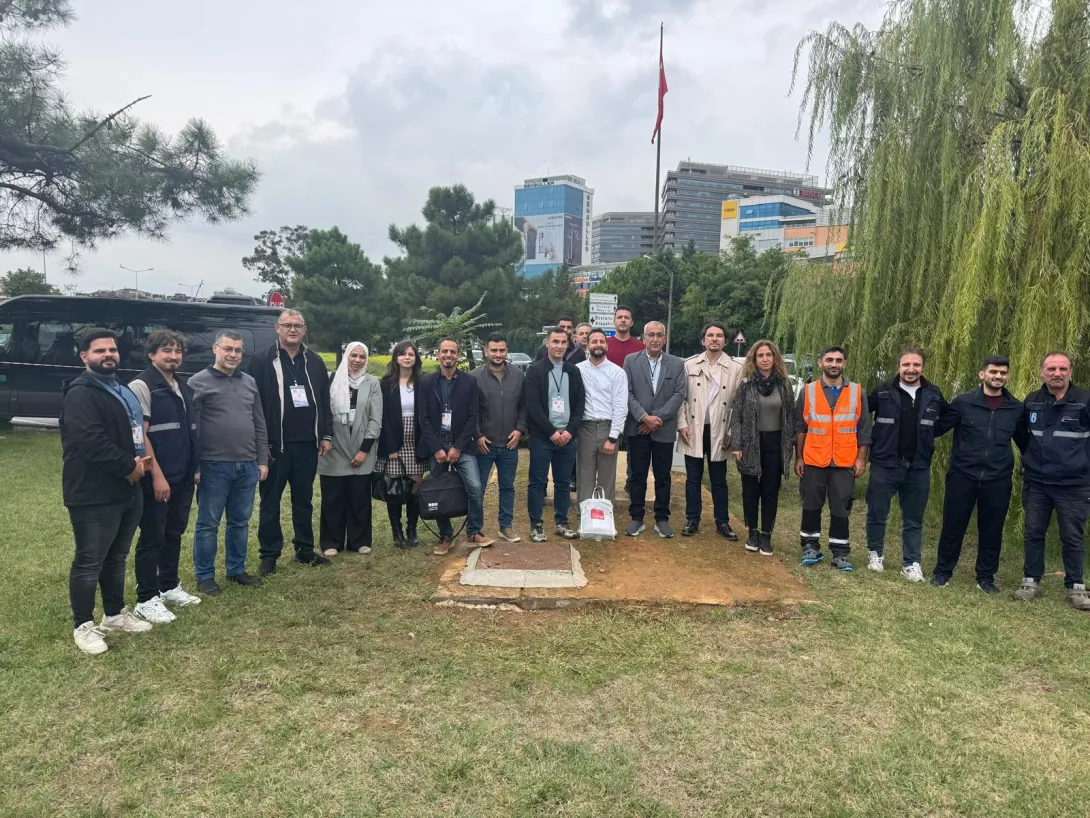
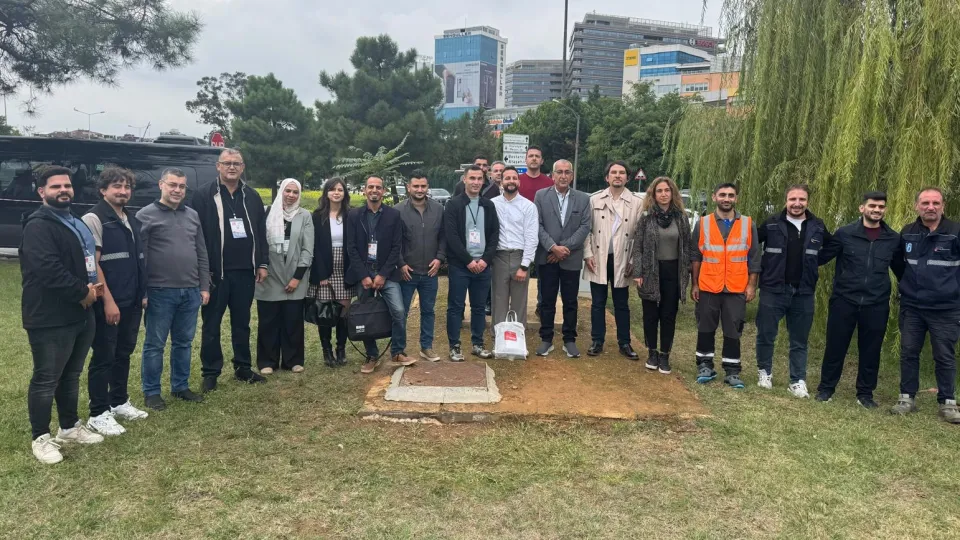
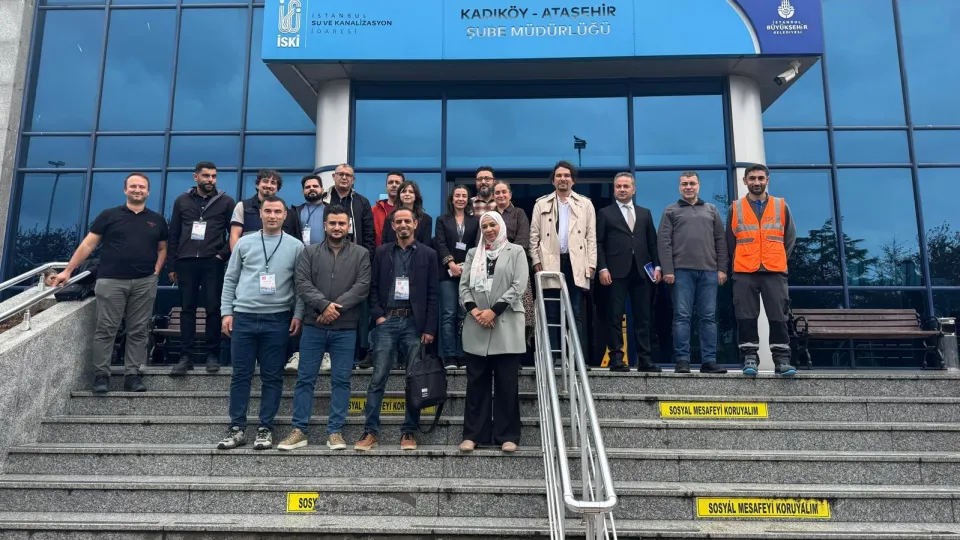
Following the meeting, the delegation conducted a field visit on Istanbul’s Asian Side, accompanied by Alper Erol.
Participants observed the use of fixed noise loggers and acoustic listening techniques for detecting water losses and leaks. They also received technical information about the devices and measurement methods used at water distribution network access points.
During a visit to a District Metered Area (DMA) control room, participants examined pressure control and management practices.
The delegation was briefed on how remote monitoring and control systems enable water pressure to be adjusted according to different times of day, measurements at critical points to be recorded, and alarms to be triggered in response to unusual changes in flow rates.
By combining joint training sessions with specialized technical instruction and on-site inspections, the program provided Palestinian municipal representatives with an opportunity to observe the practical application of methods used in local service delivery.
The initiative aimed to strengthen the exchange of knowledge and experience among municipalities and support the development of sustainable technical partnerships.