
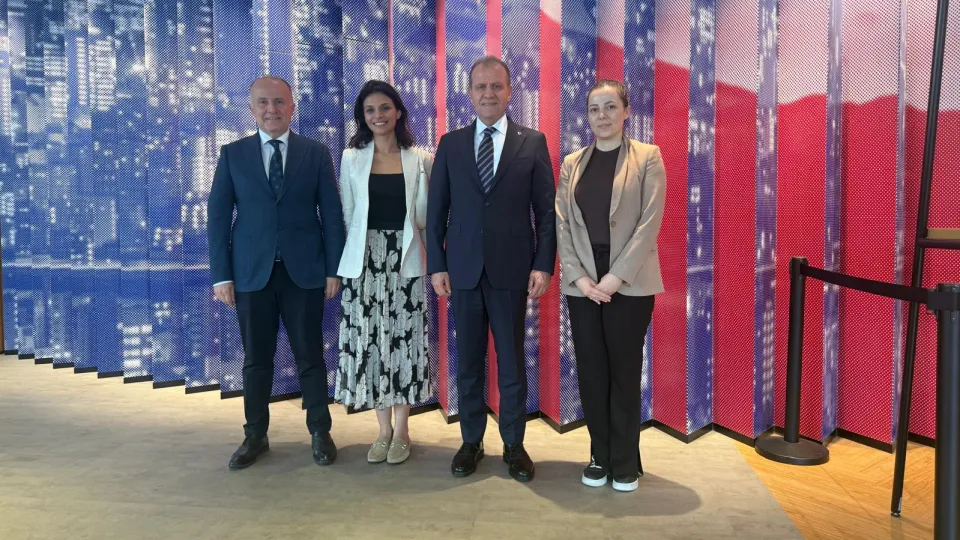
Vahap Seçer: “Japan’s Experience Will Be a Valuable Reference for the Work We Will Carry Out in Our Cities”
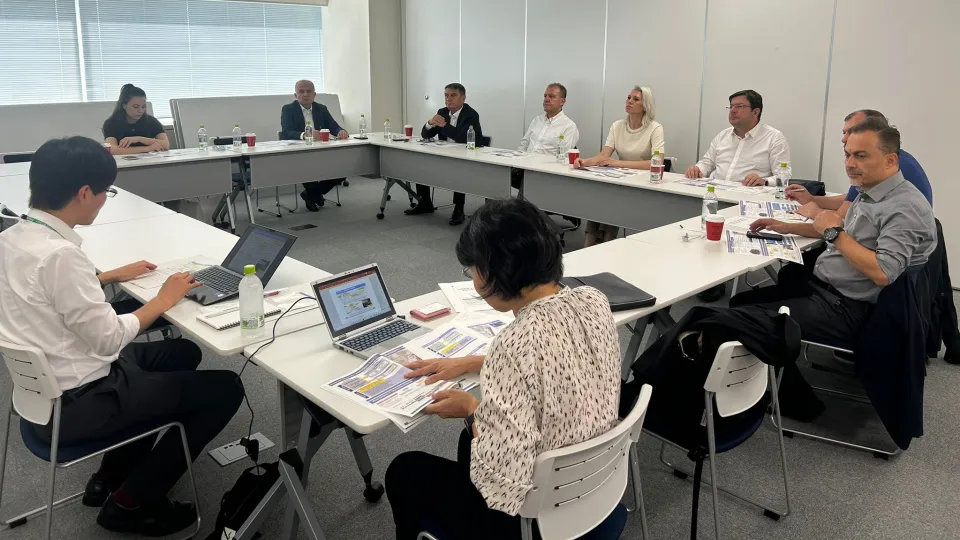
The Union of Municipalities of Turkiye (UMT) conducted a study visit to Japan as part of the “Project on Enhancing Capacity for Local Disaster Risk Reduction and Waste Management,” jointly implemented with the Japan International Cooperation Agency (JICA).
Mayors in Japan
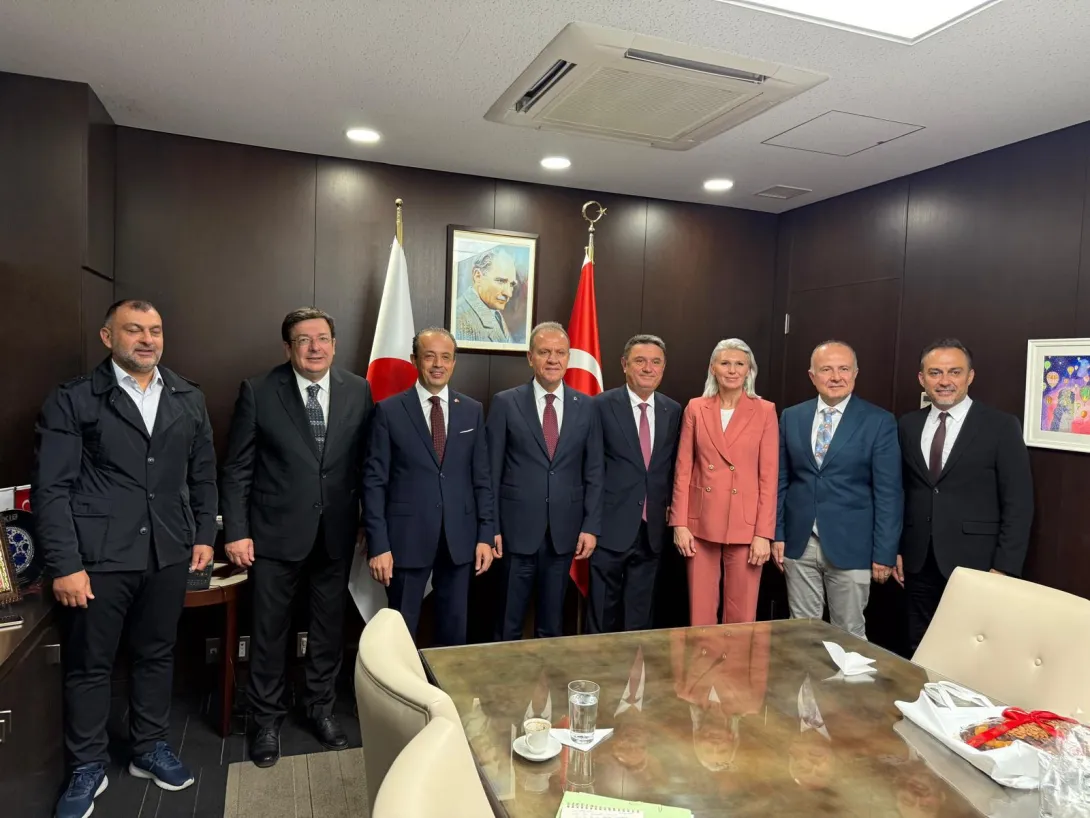
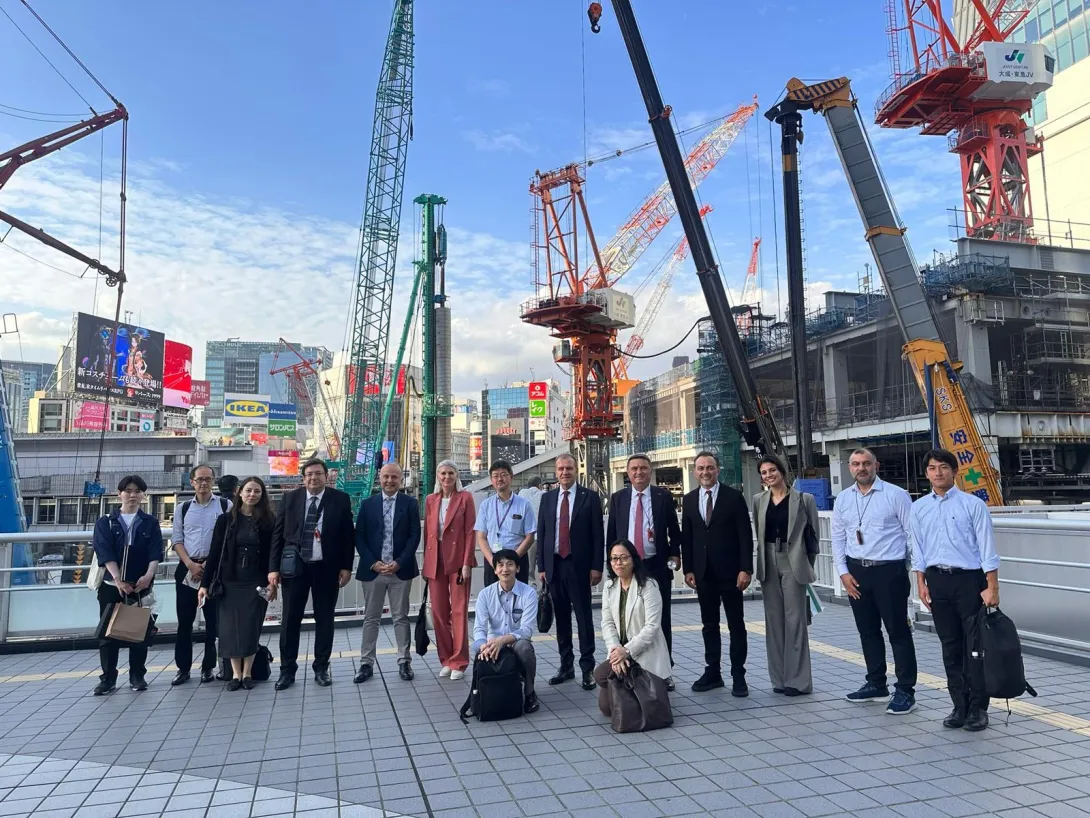
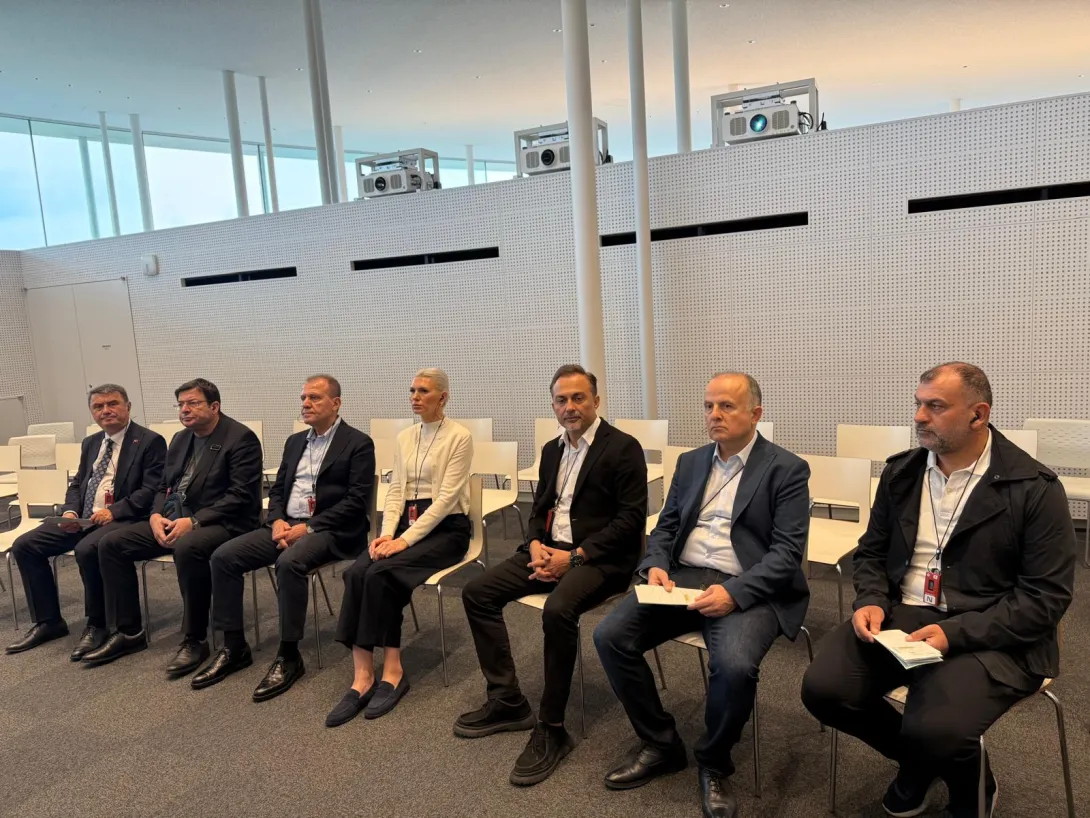
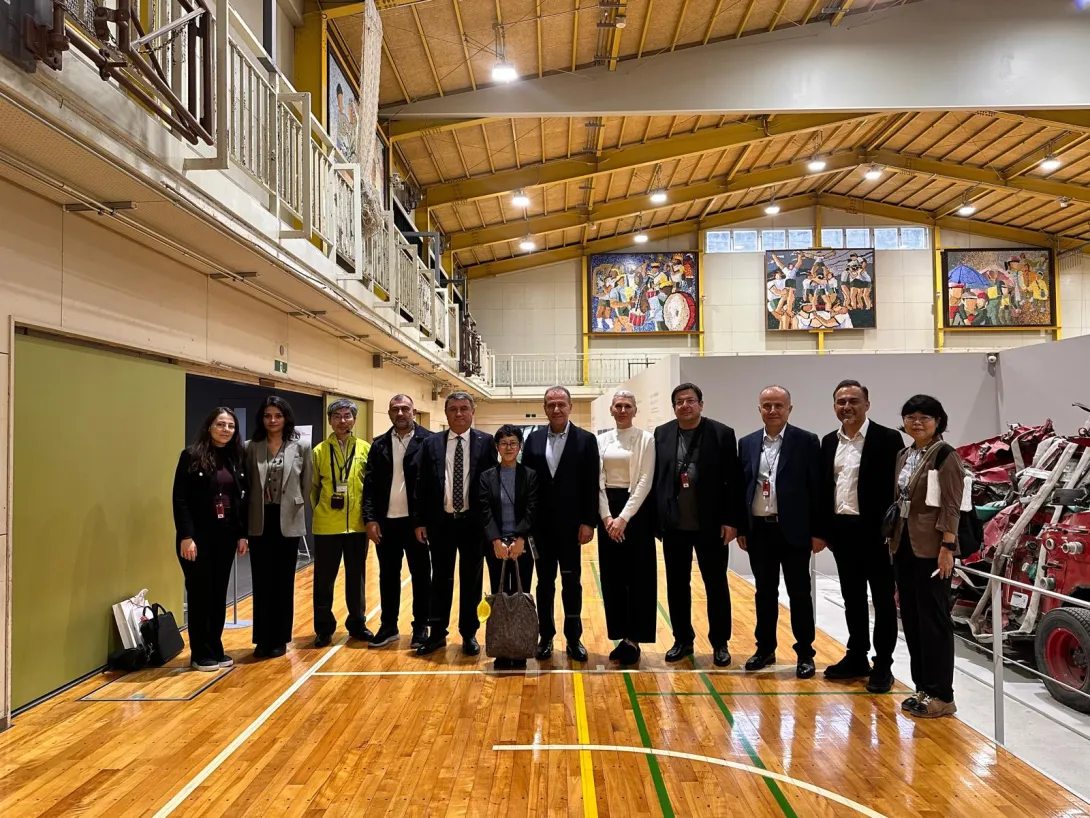
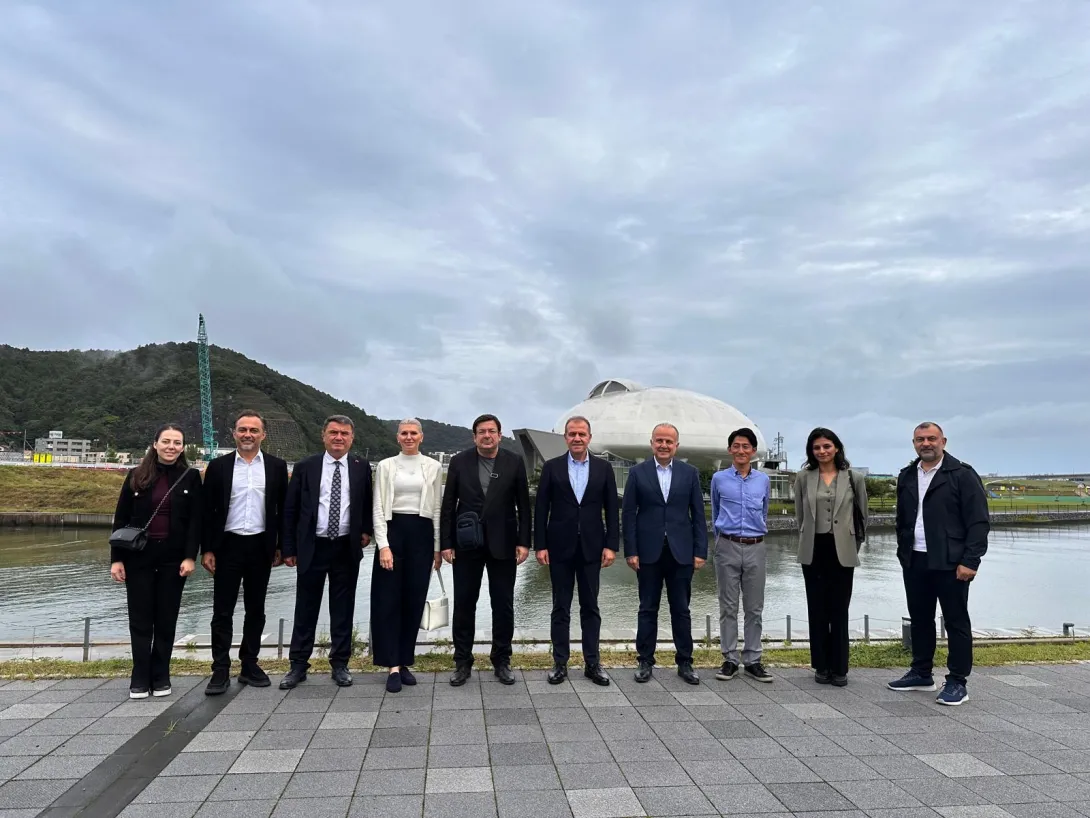
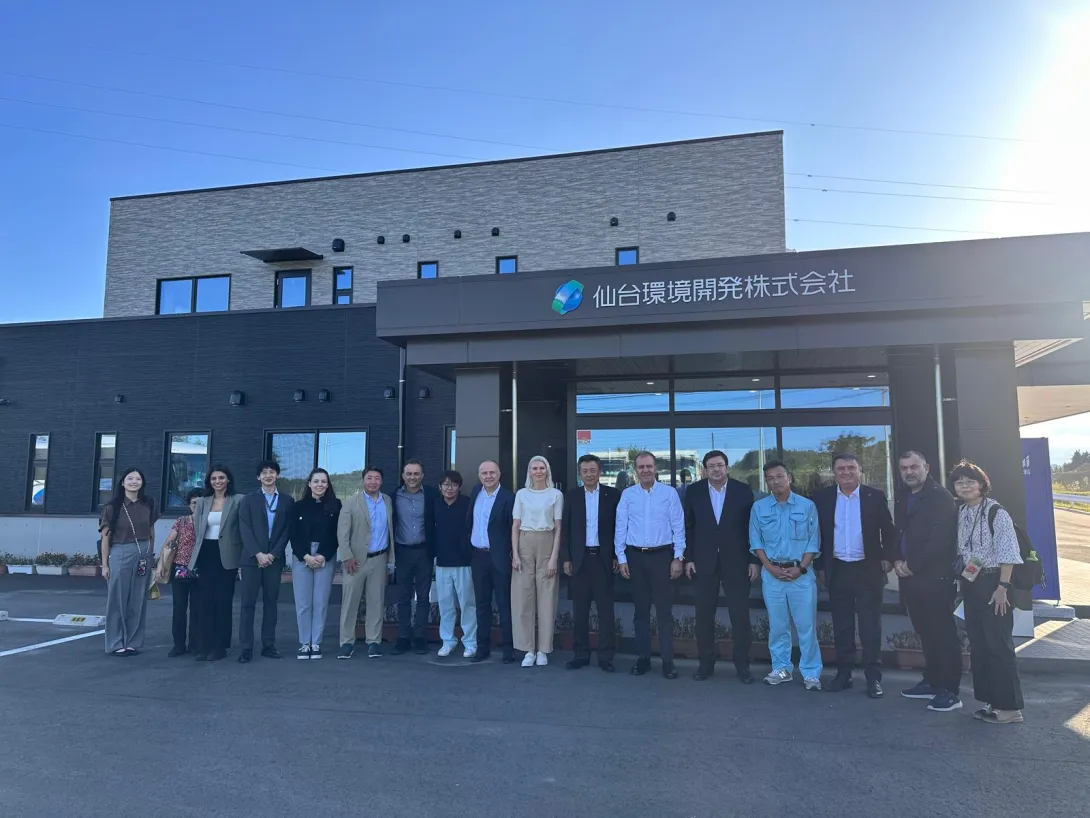
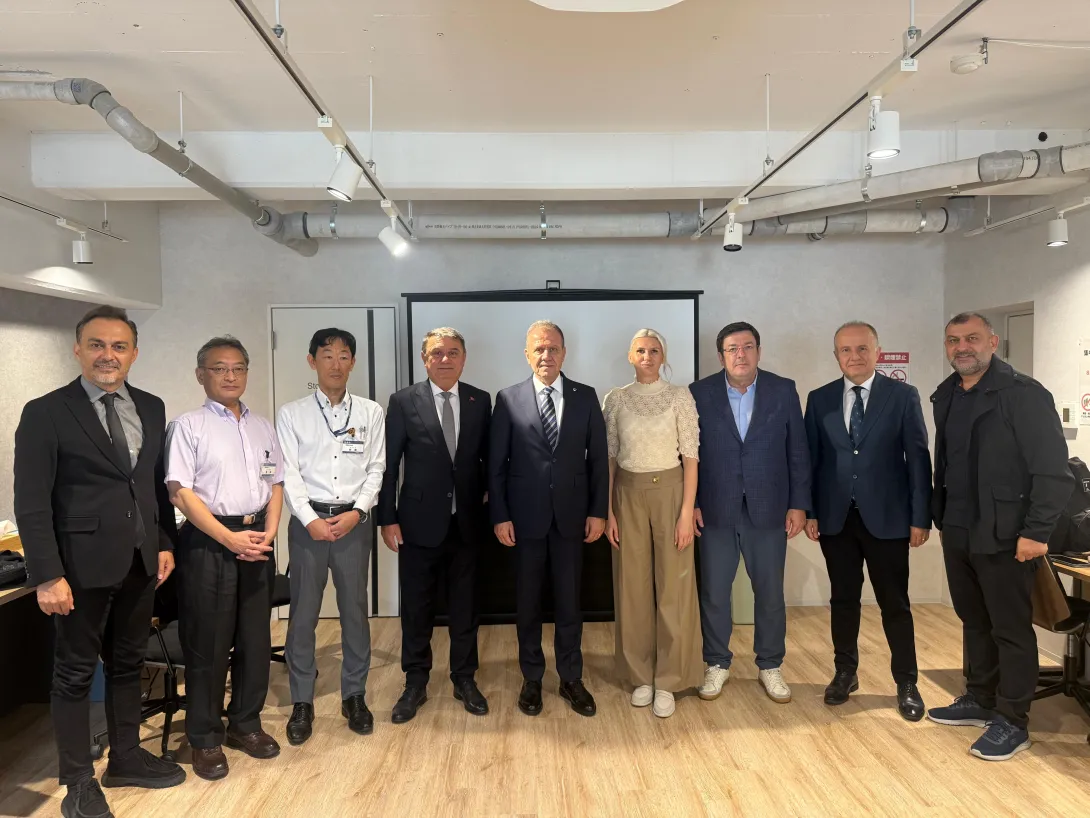
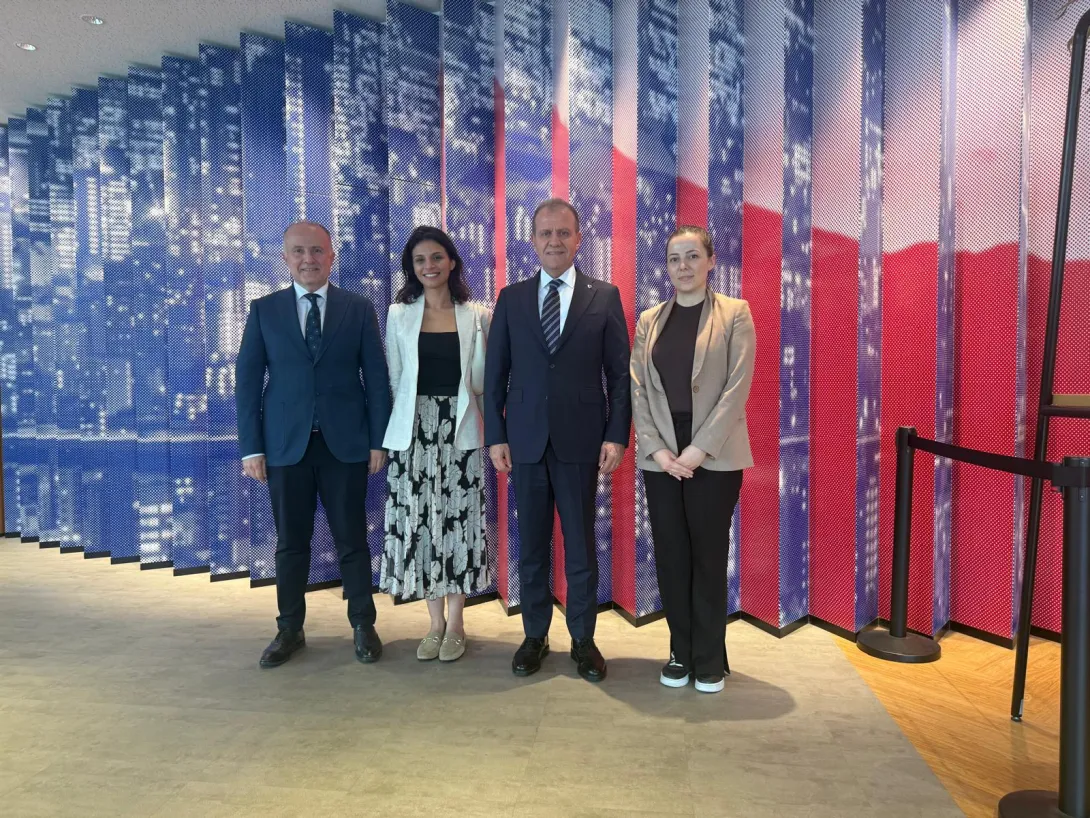
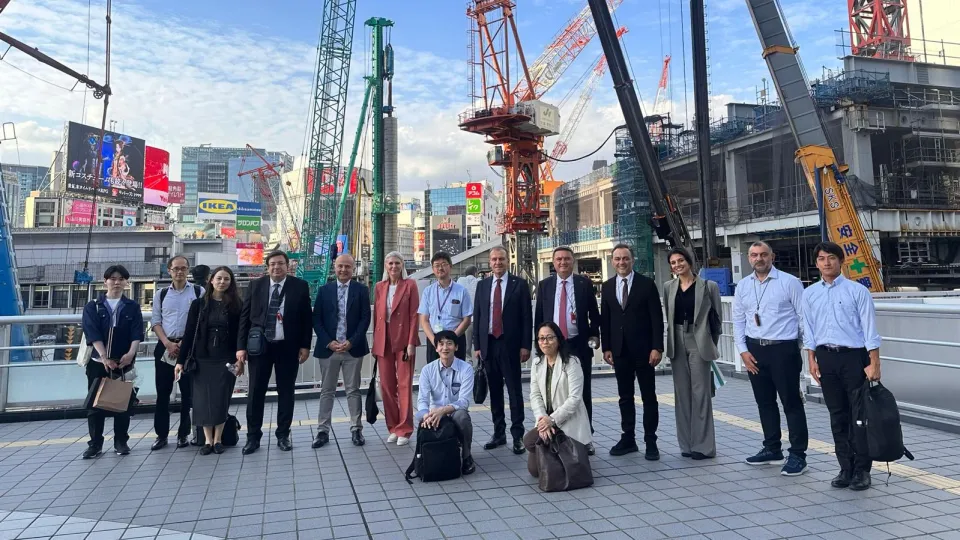
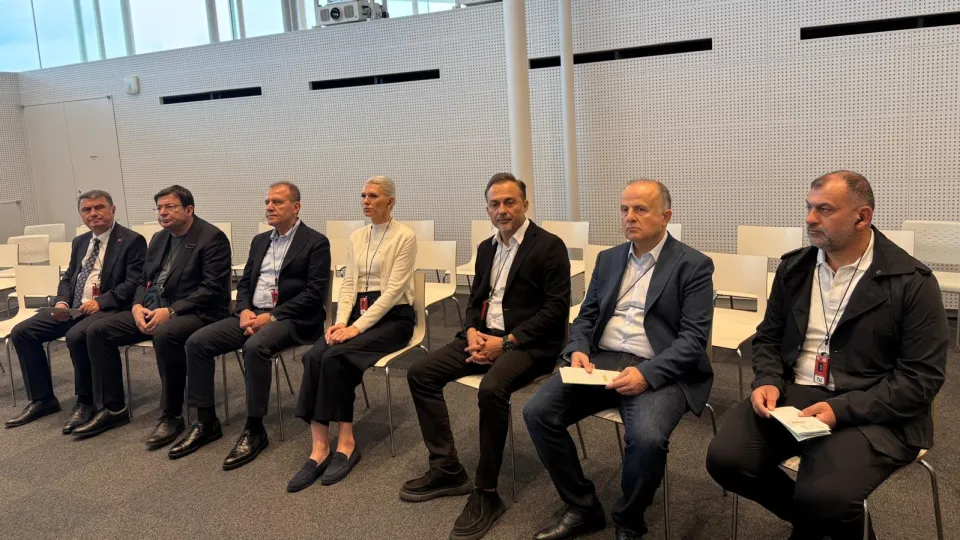
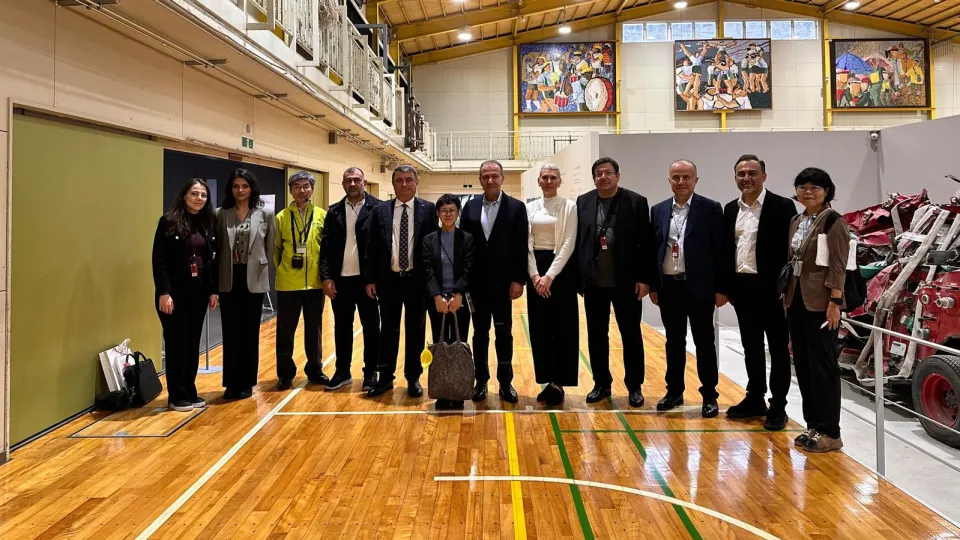
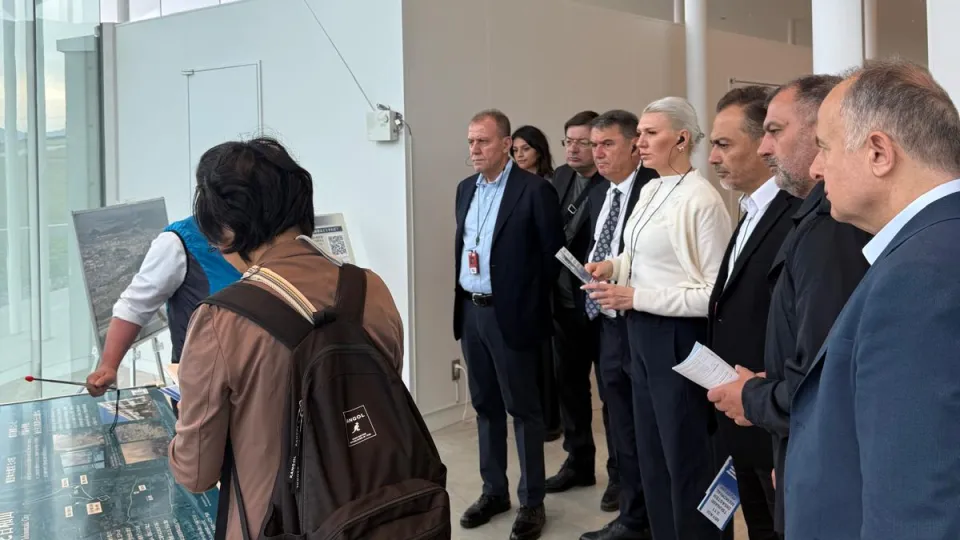
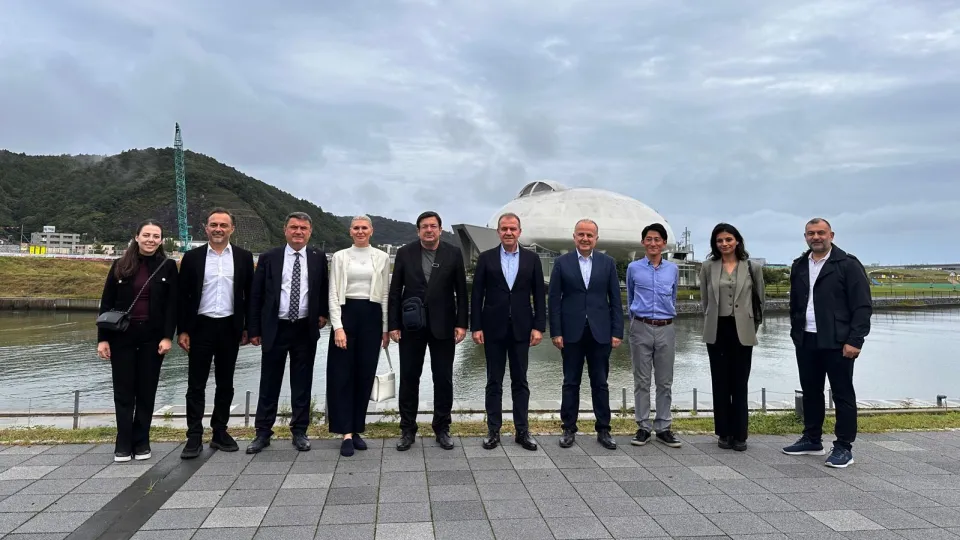
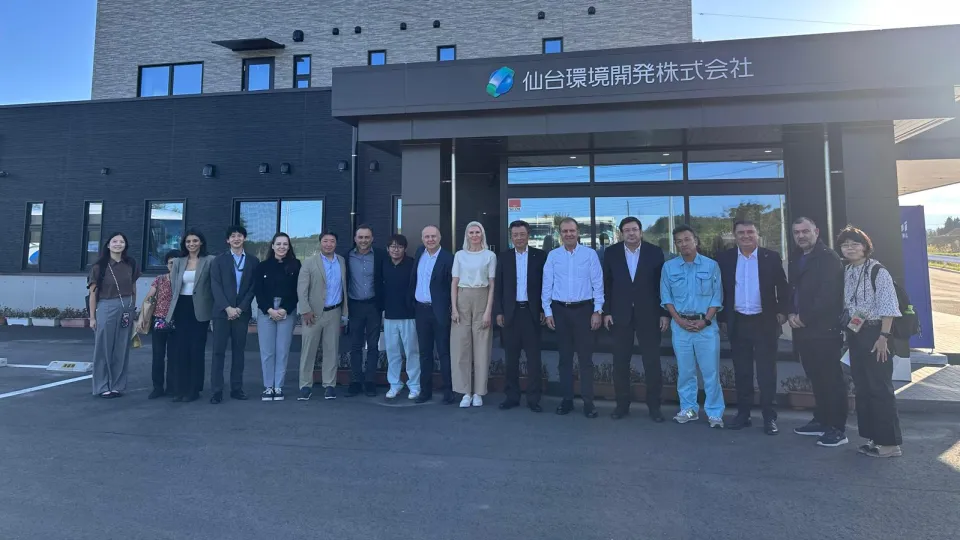
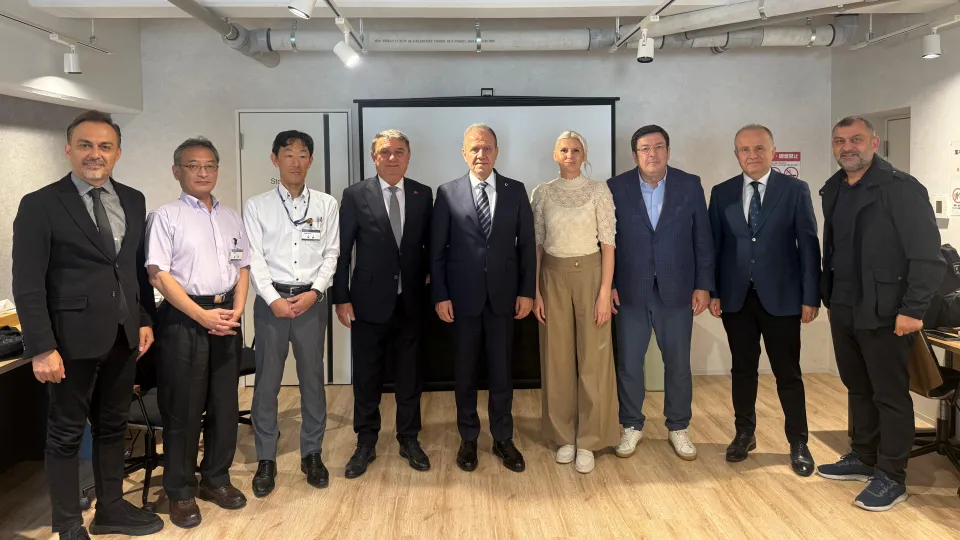
Within the scope of the project, which focuses on key areas such as urban planning, reconstruction, seismic retrofitting, and debris waste management, a delegation led by UMT Vice President and Mayor of Mersin Metropolitan Municipality Vahap Seçer visited the cities of Tokyo, Shibuya, Ishinomaki, and Sendai.
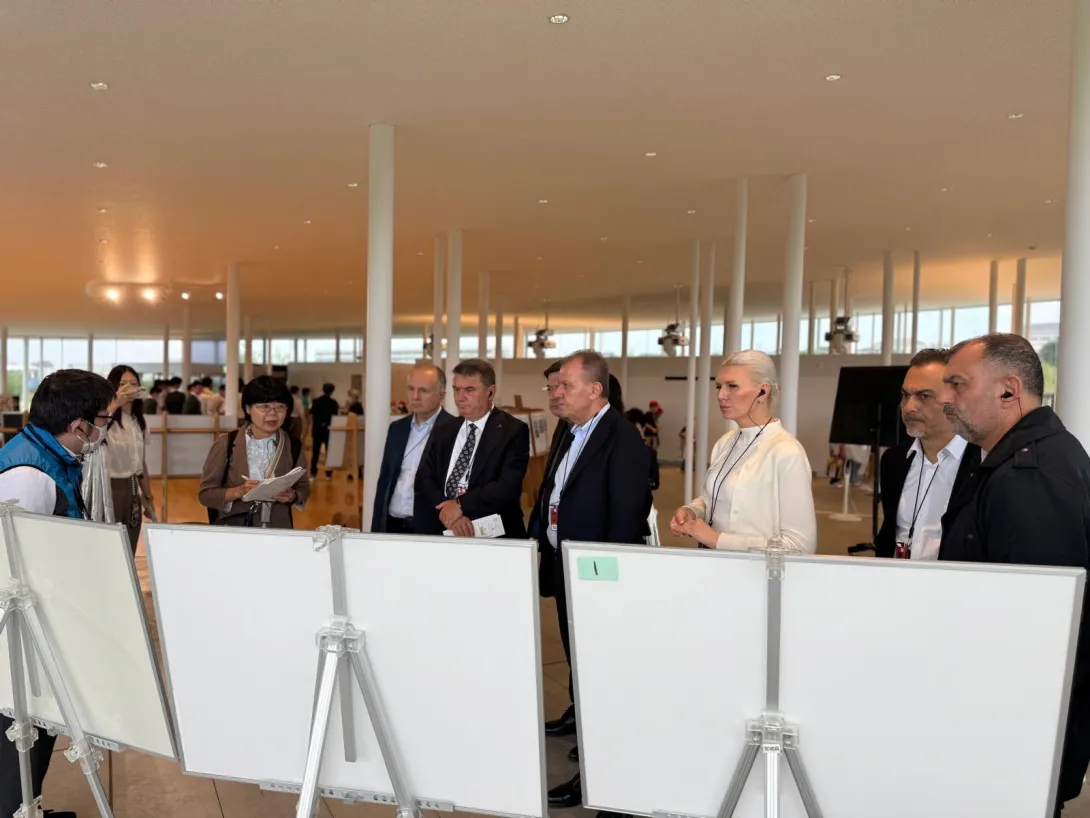
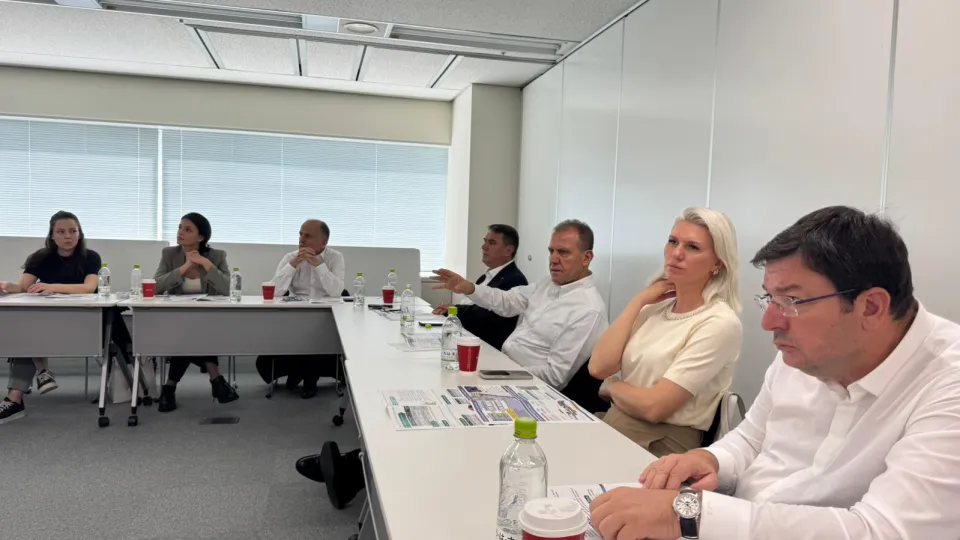
The delegation included Mayor of Zonguldak Tahsin Erdem, Mayor of Çanakkale Muharrem Erkek, Mayor of Bilecik Melek Mızrak Subaşı, Deputy Secretary General of Malatya Metropolitan Municipality Mustafa Katipoğlu, Deputy Mayor of Bolu Rasim Özdemir, UMT Deputy Secretary General Feridun Ulutaş, and UMT experts. The delegation examined Japan’s disaster management practices on-site and benefited from the experiences gained during the recovery process.
Visit to the Tokyo Embassy and Shibuya Municipality
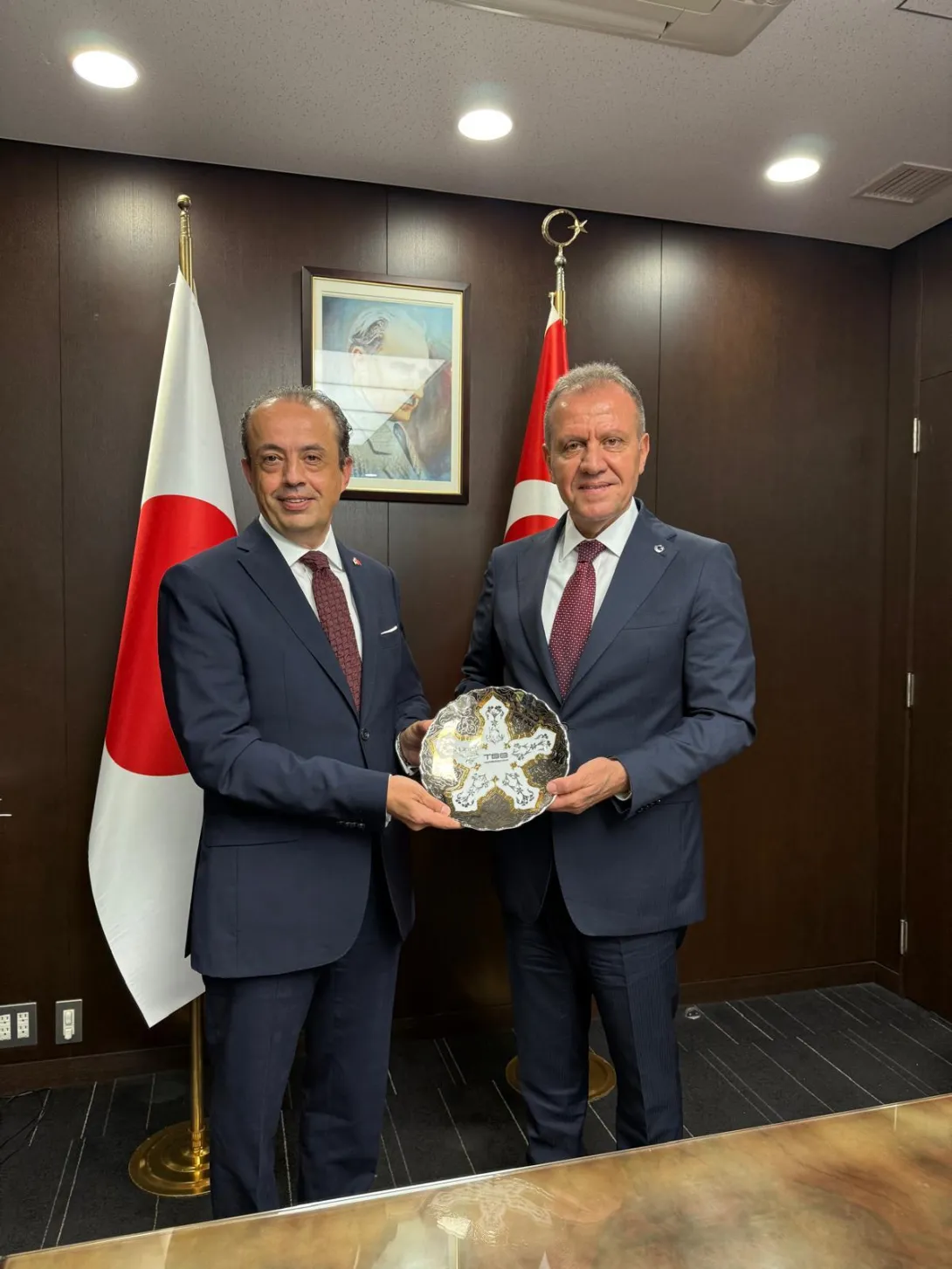
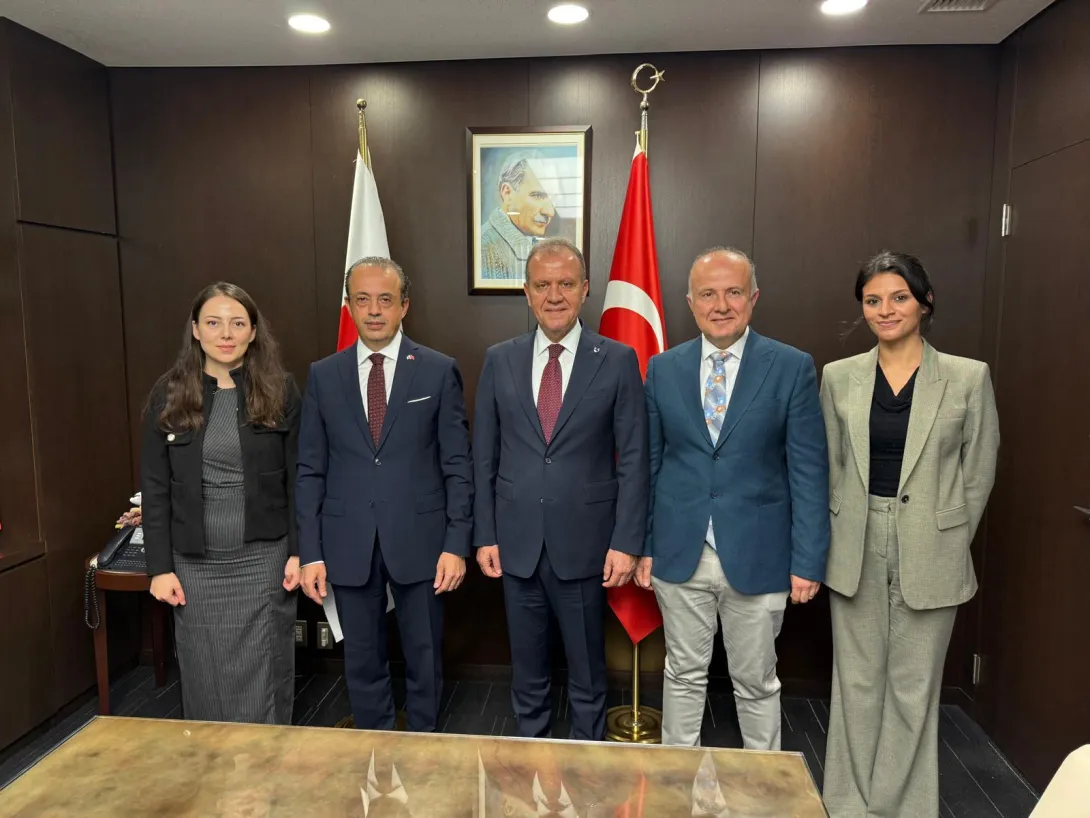
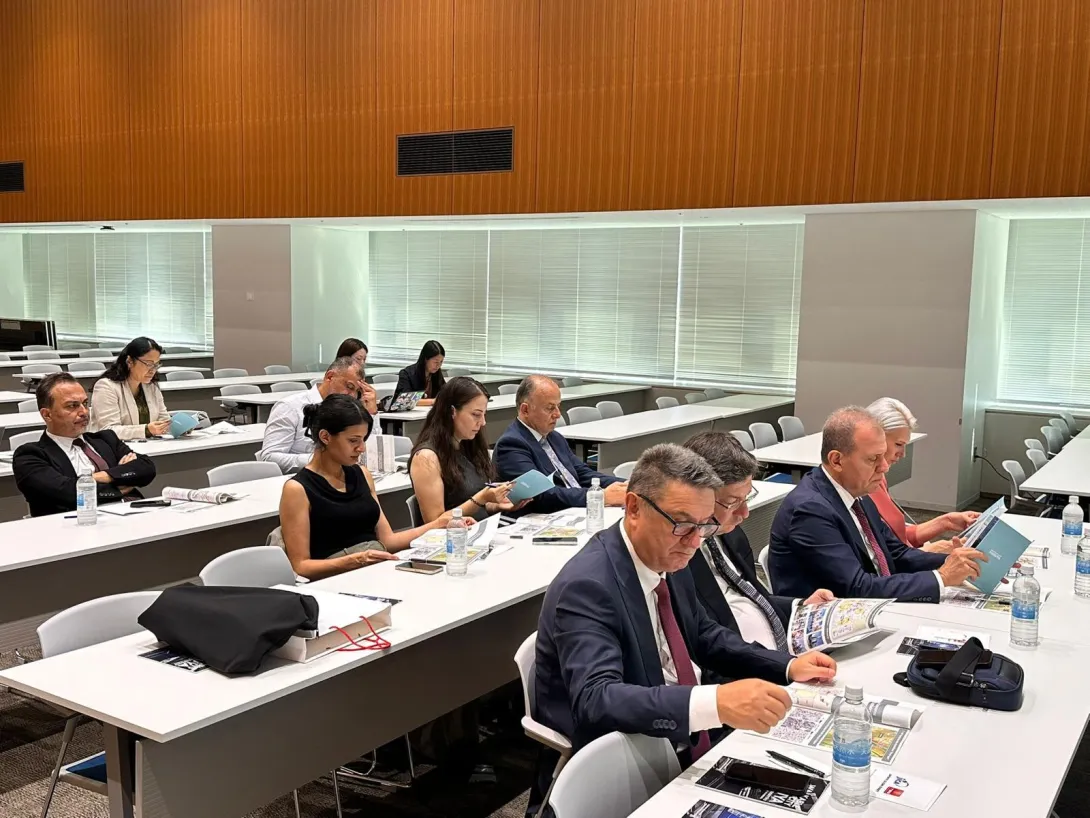
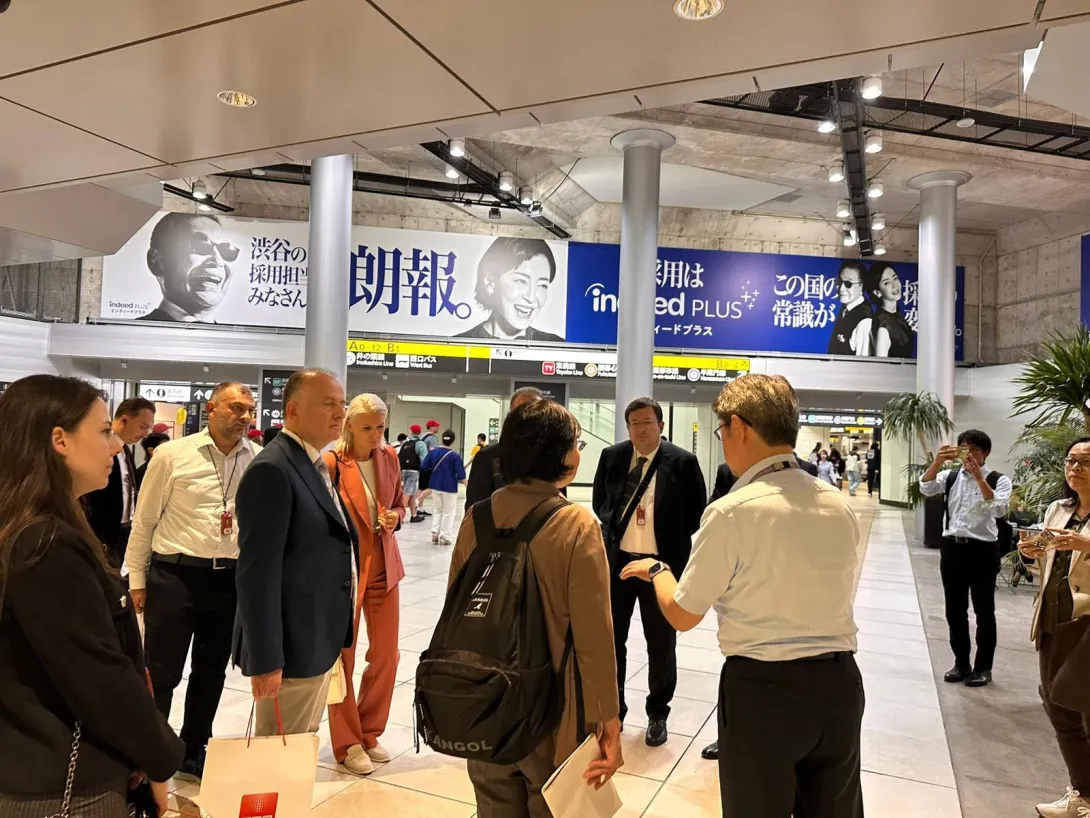
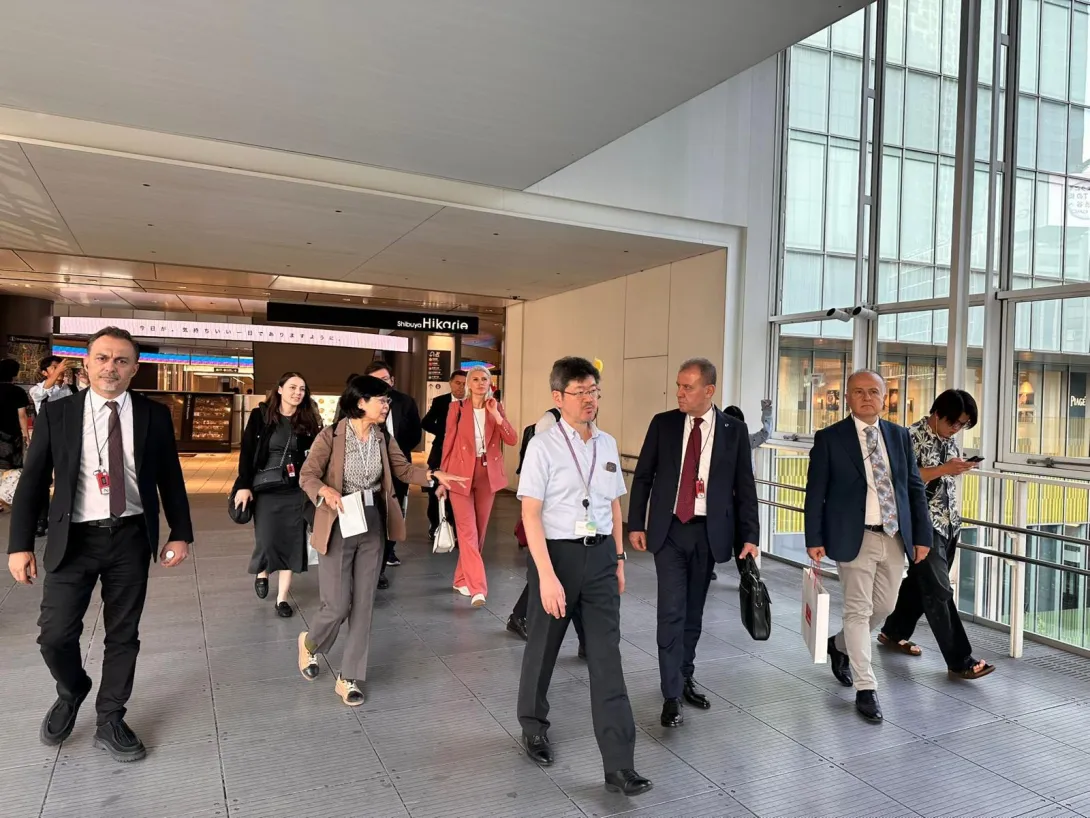
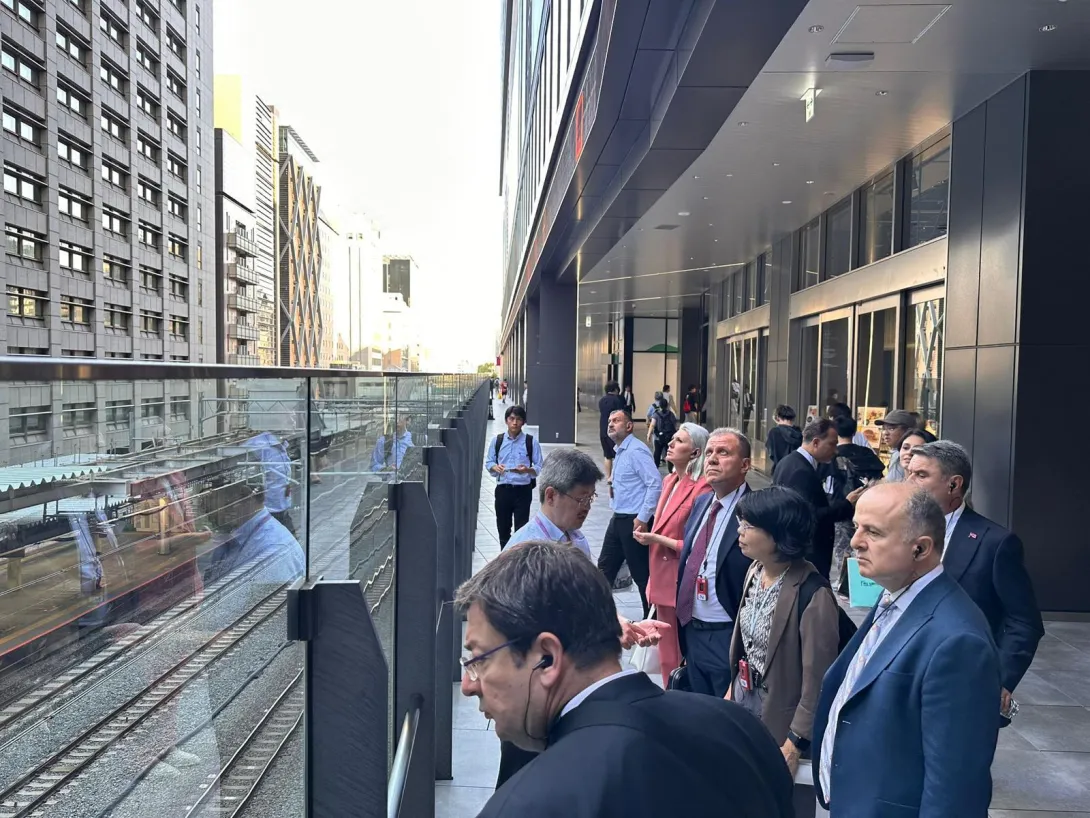
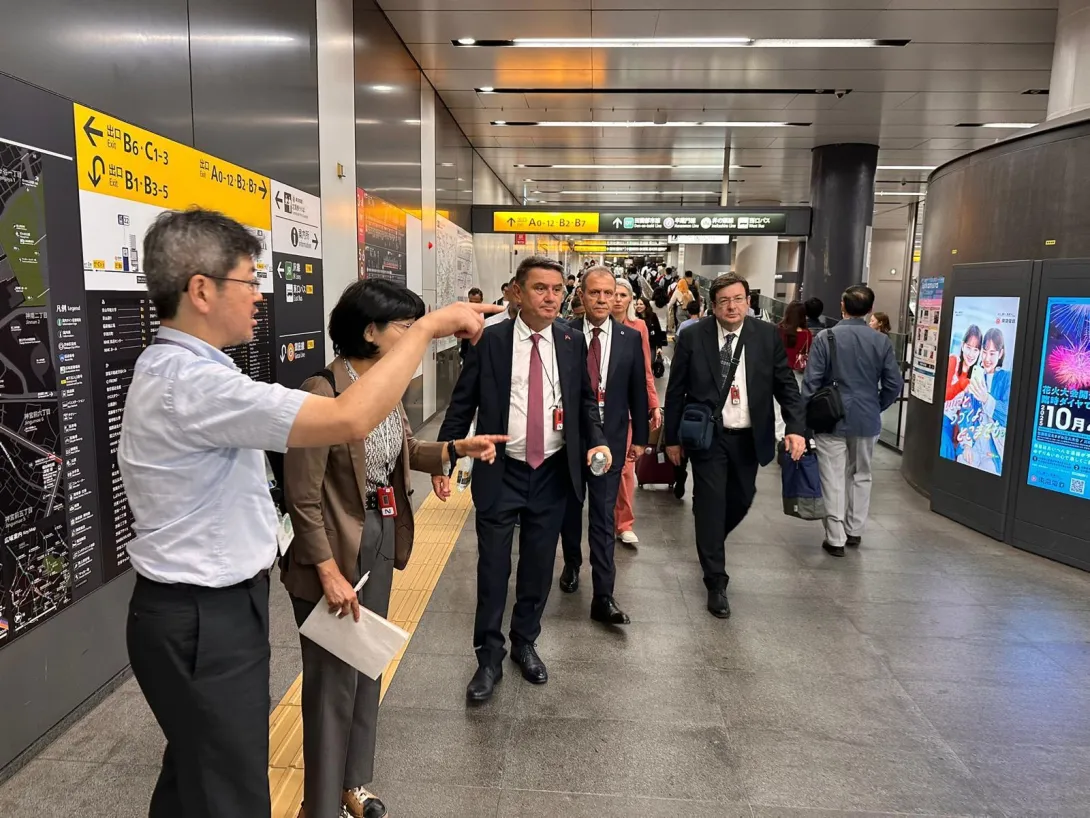
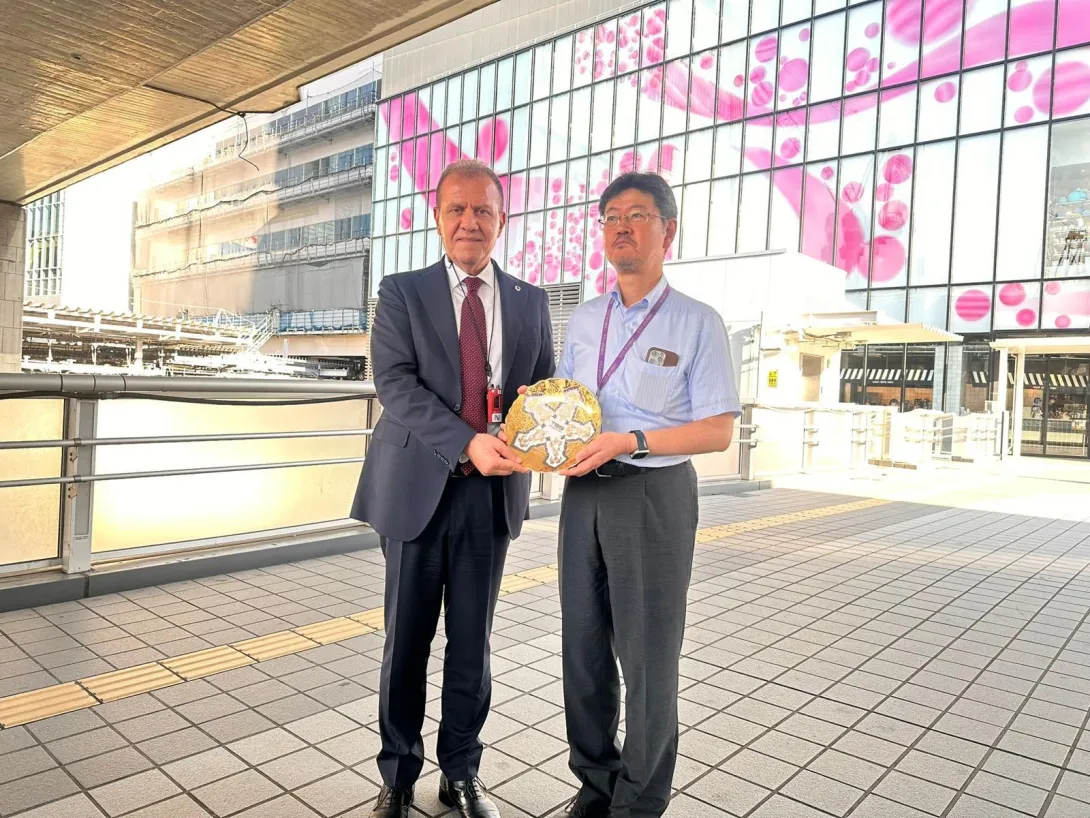
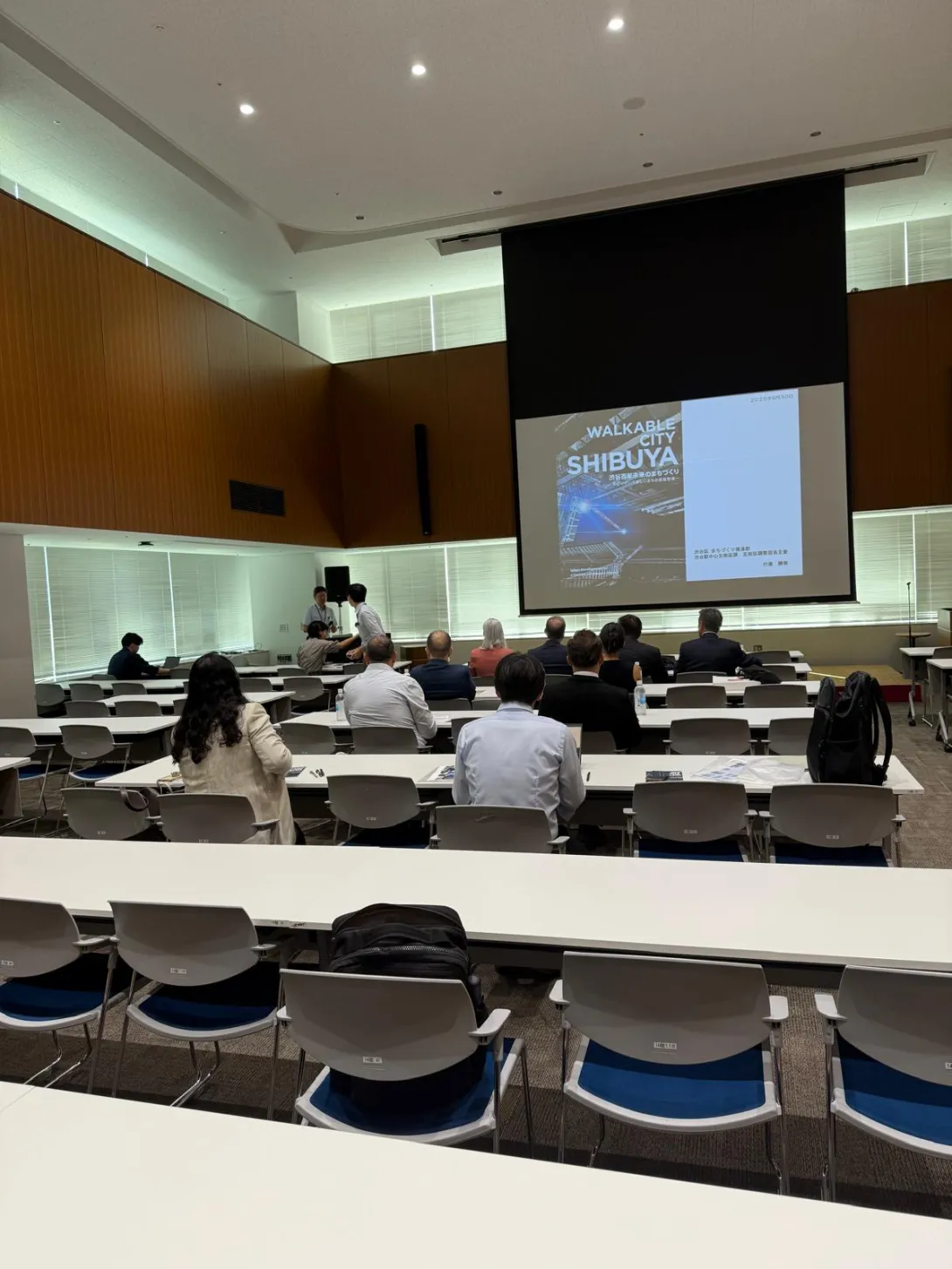
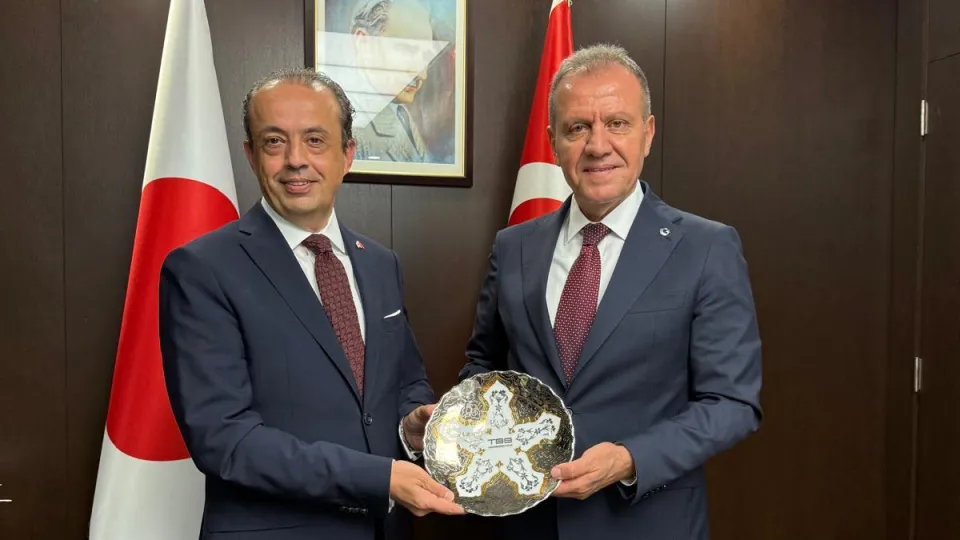
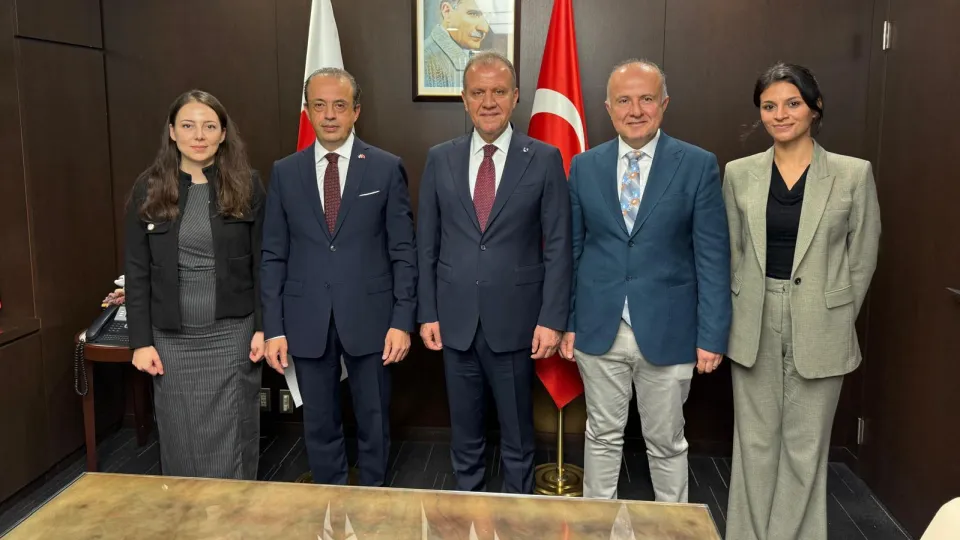
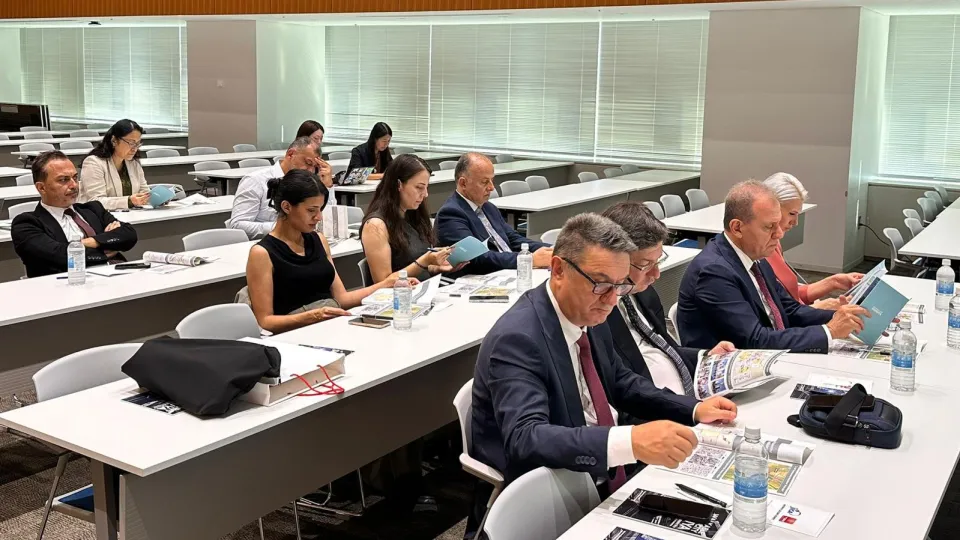
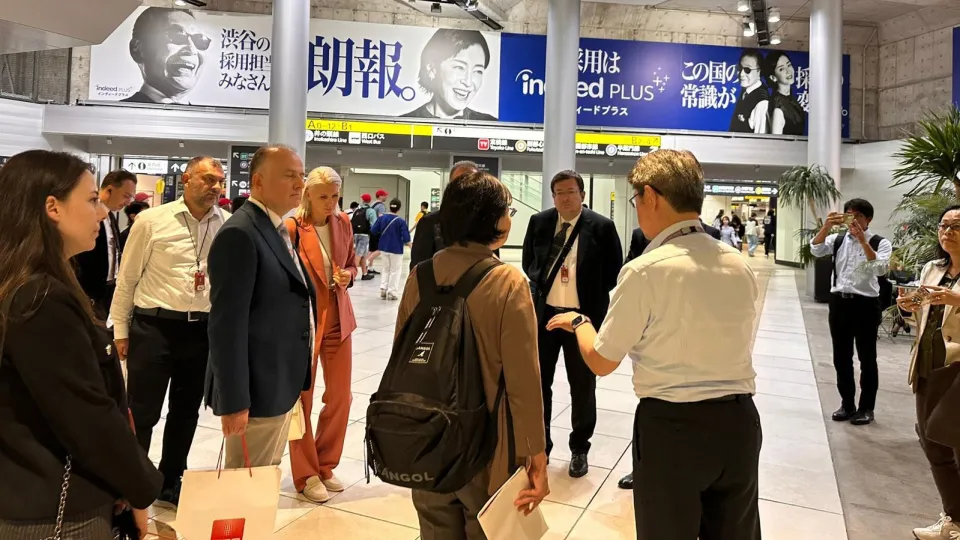
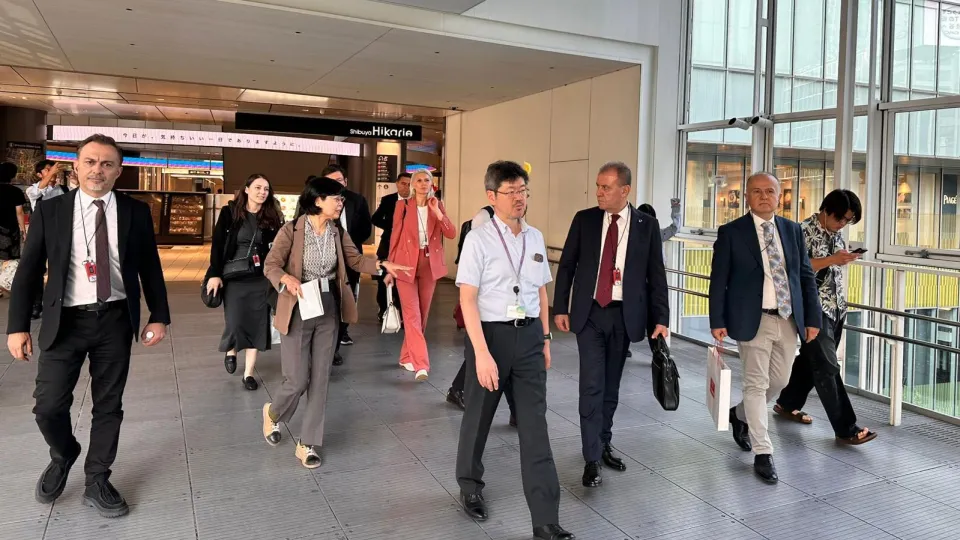
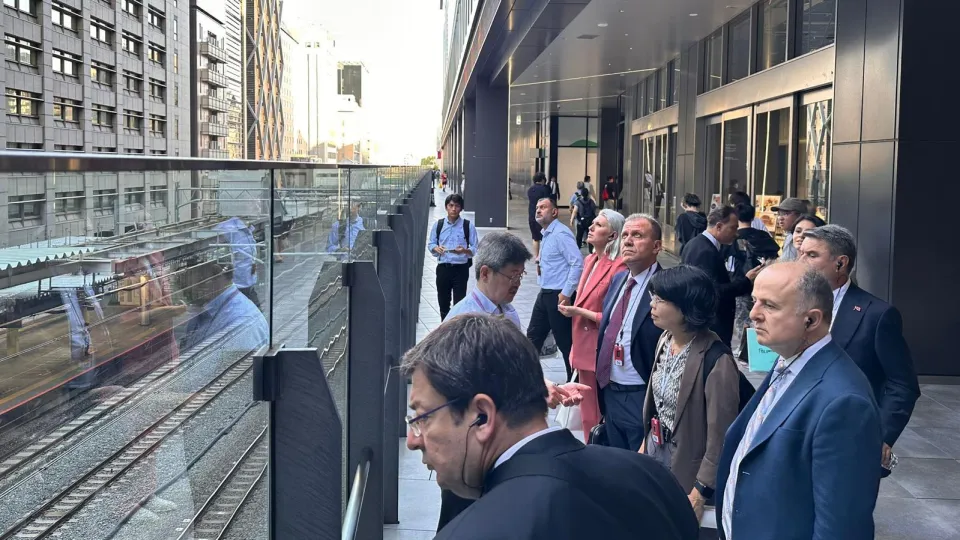
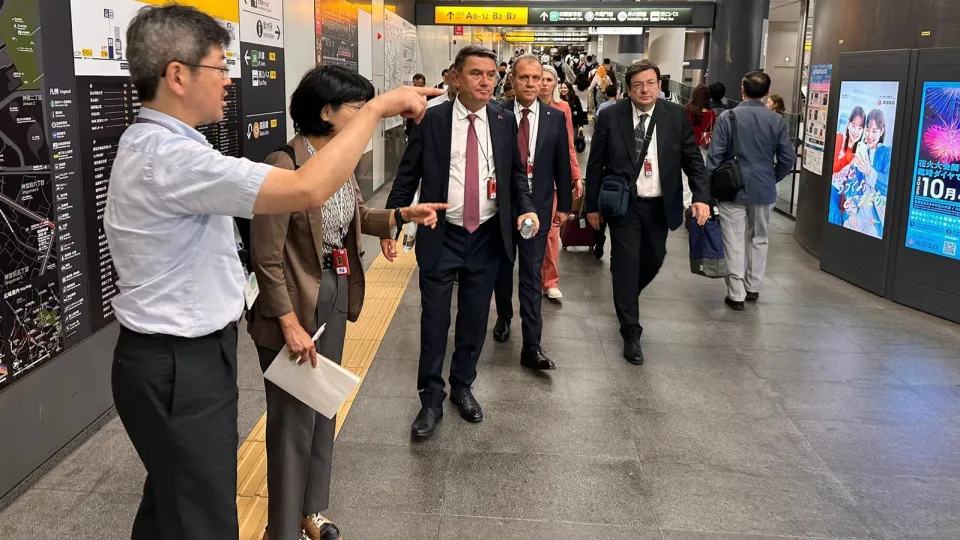
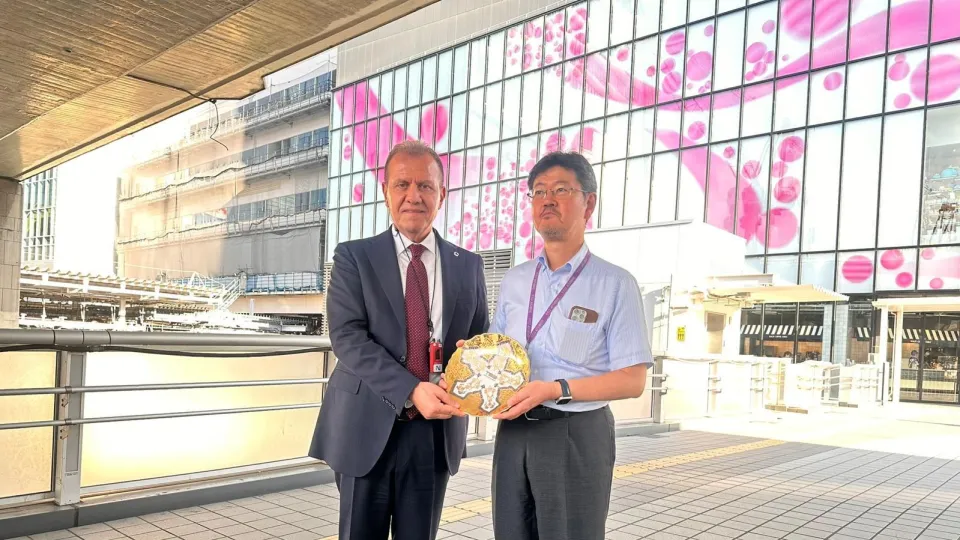
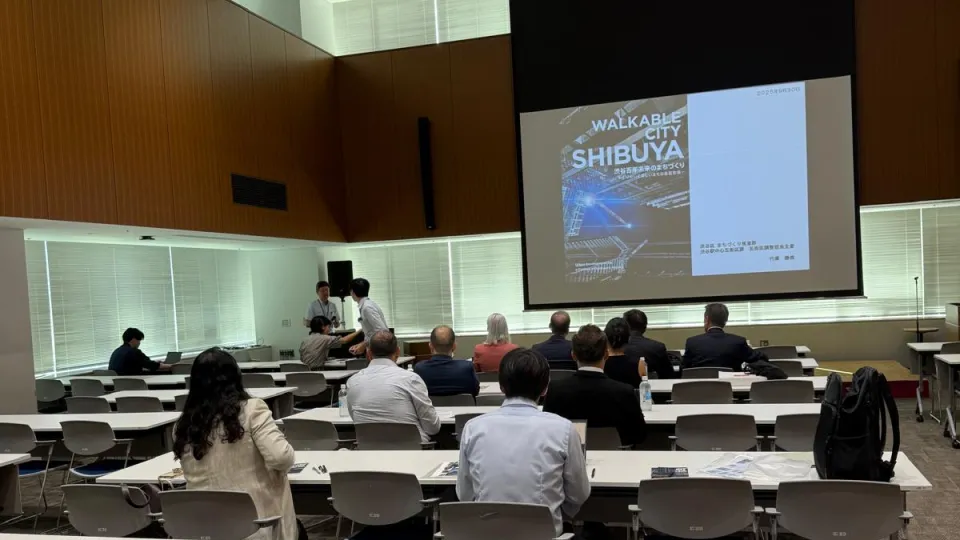
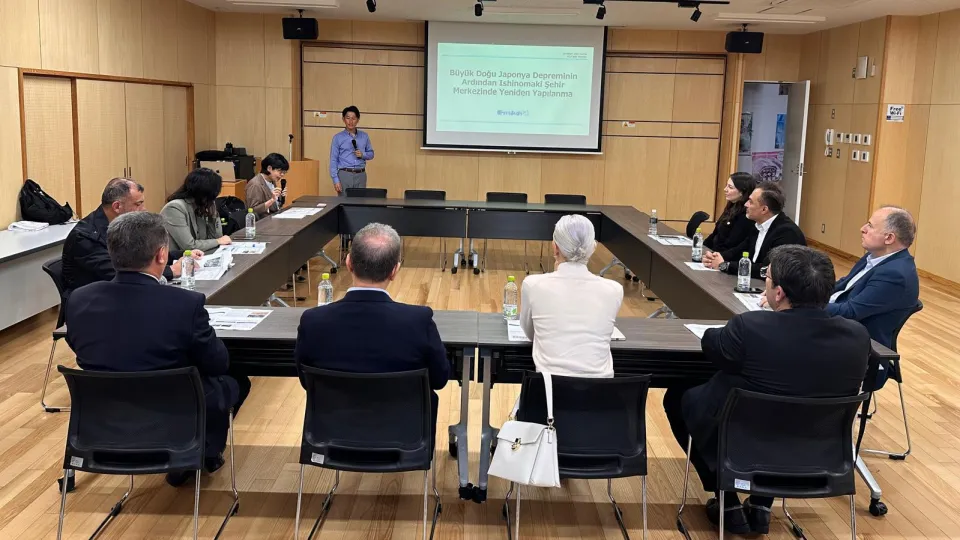
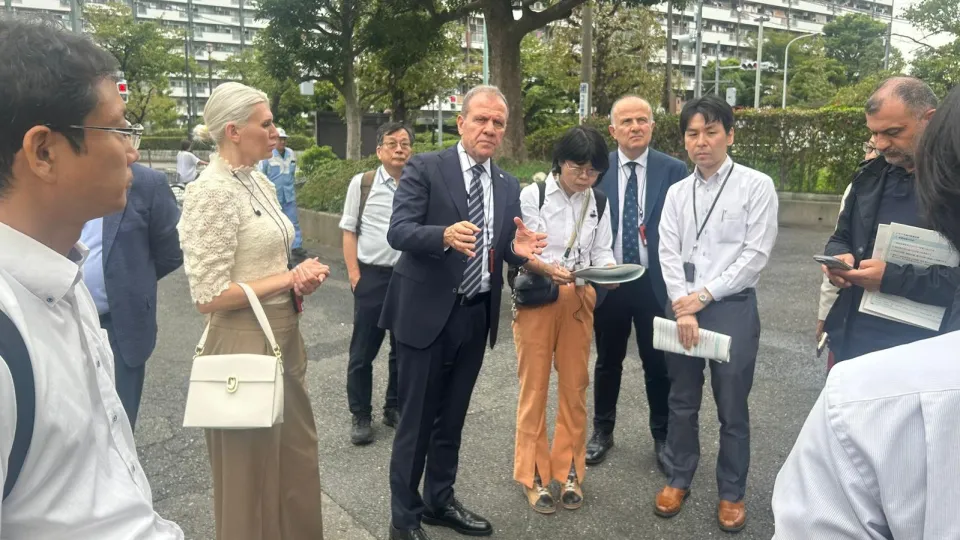
In Tokyo, the delegation first visited the Turkish Ambassador to Tokyo, Oğuzhan Ertuğrul. At Shibuya Municipality, Urban Redevelopment Coordinator Morita Katsuya Yukohiro gave a presentation to the delegation, who also conducted field observations in urban transformation and reconstruction areas around Shibuya Station.
Firsthand Observations of the 2011 Earthquake and Tsunami
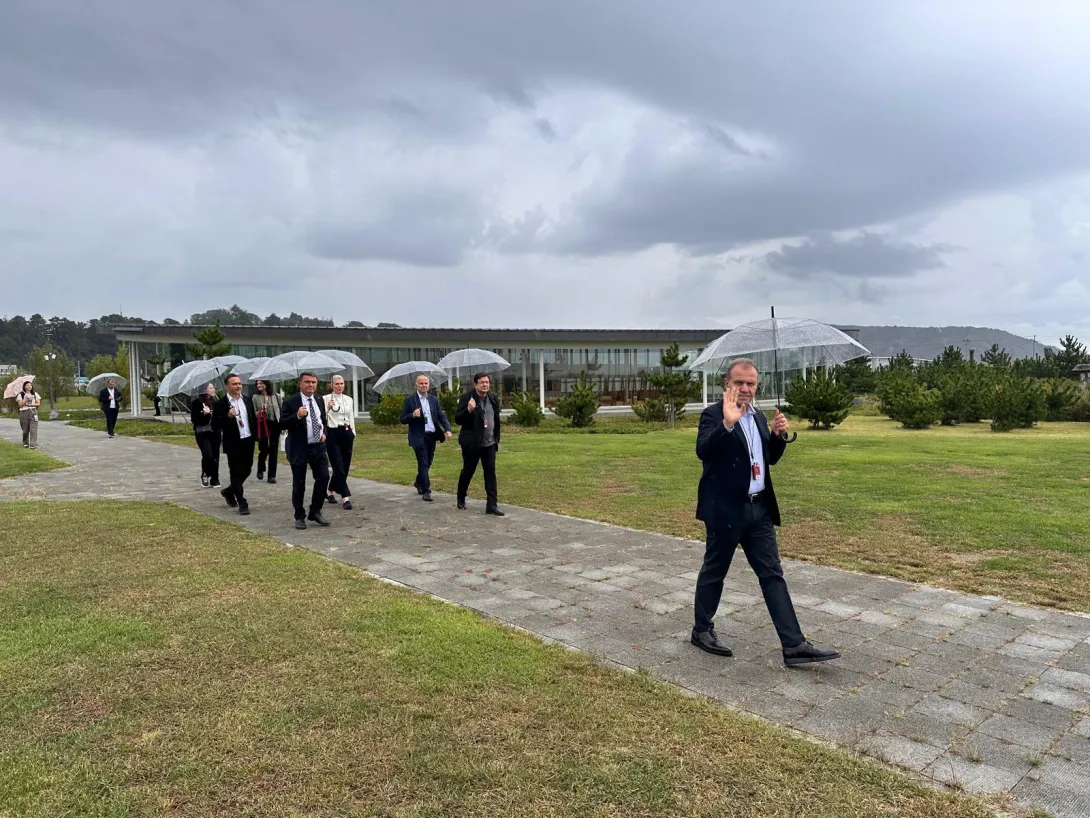
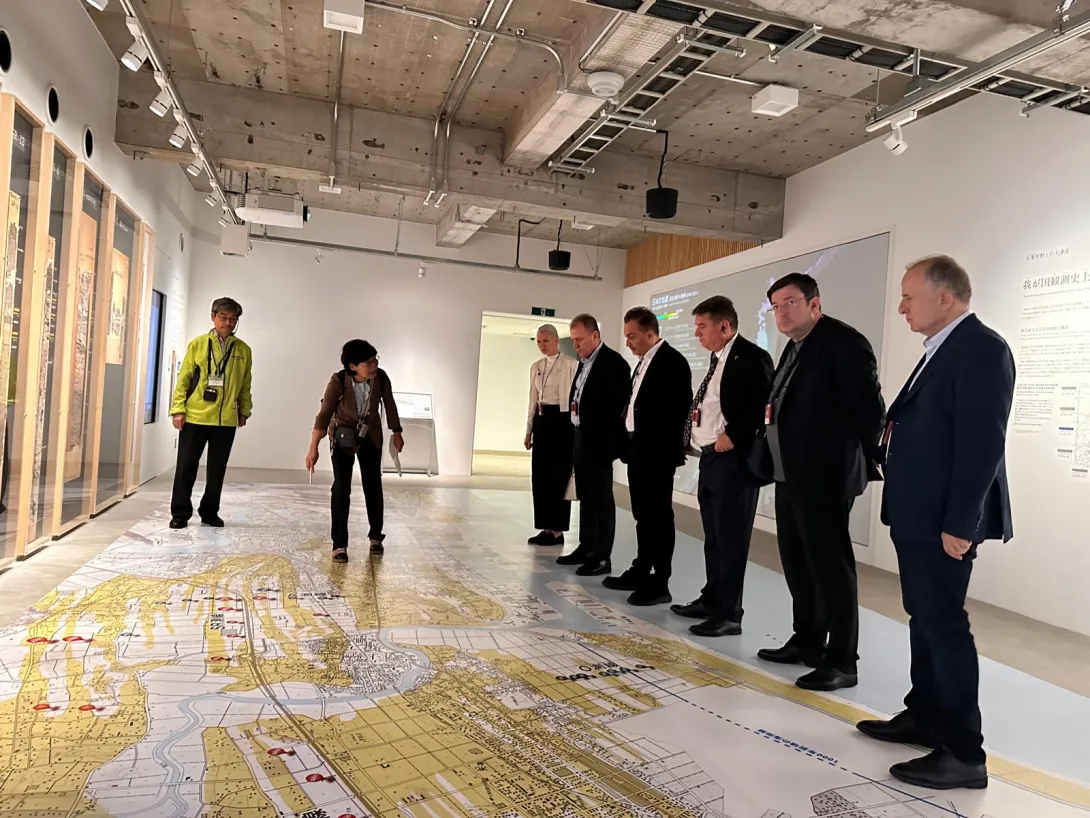
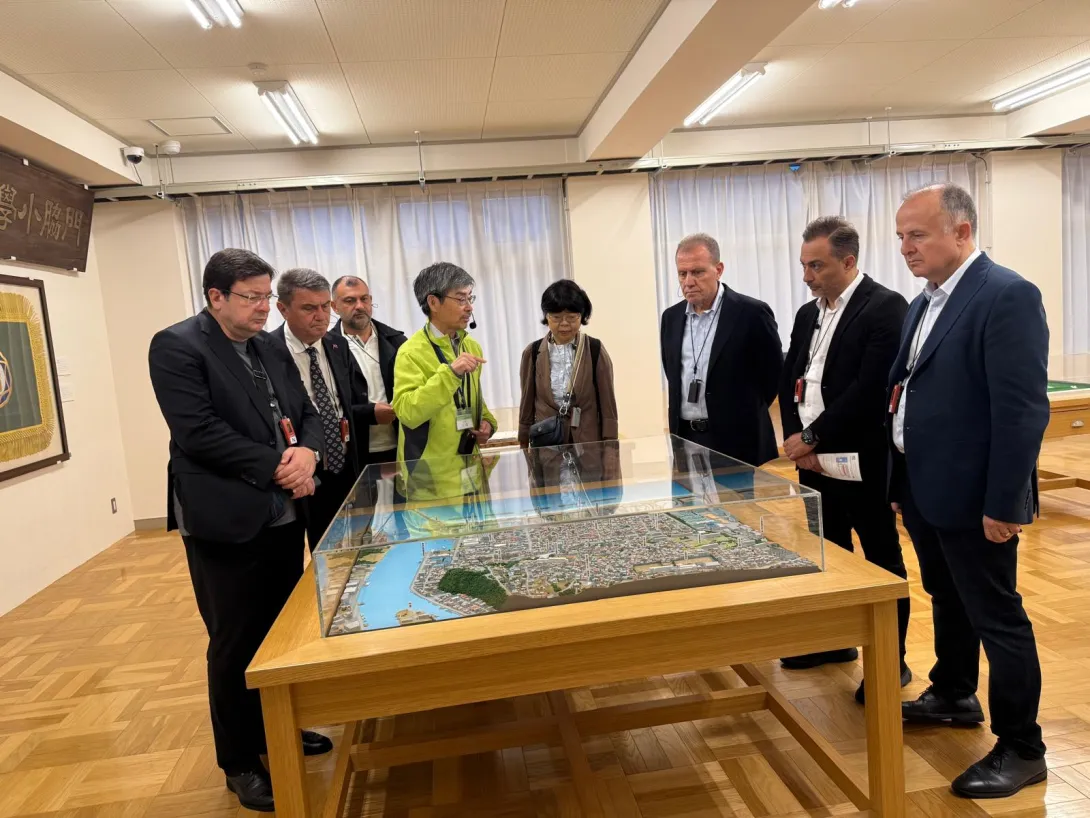
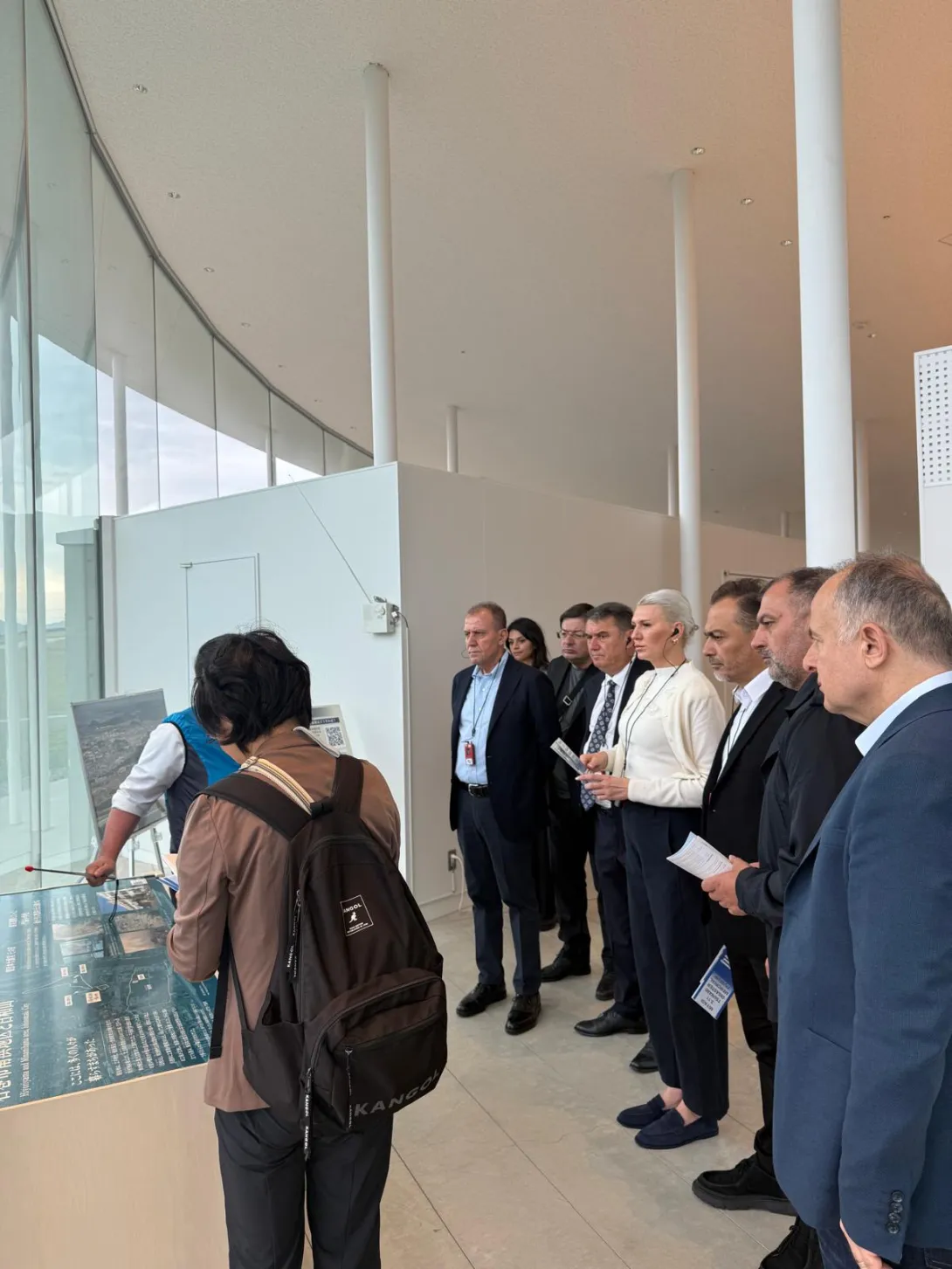
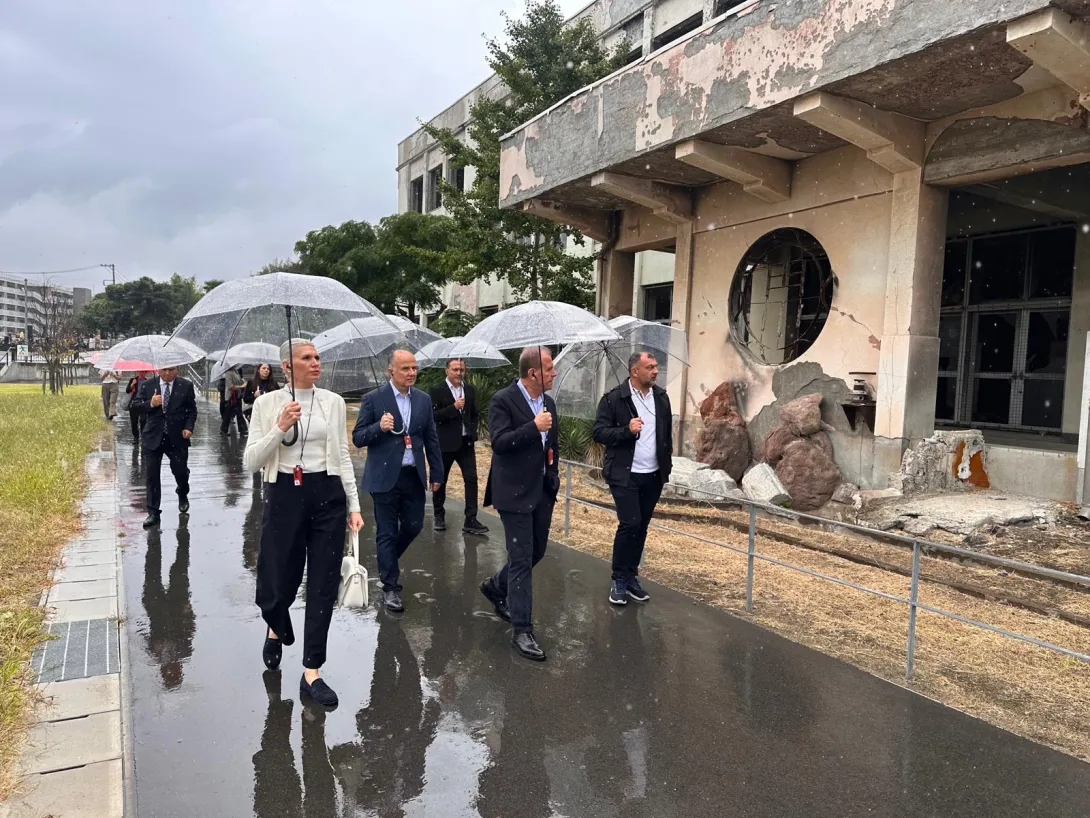
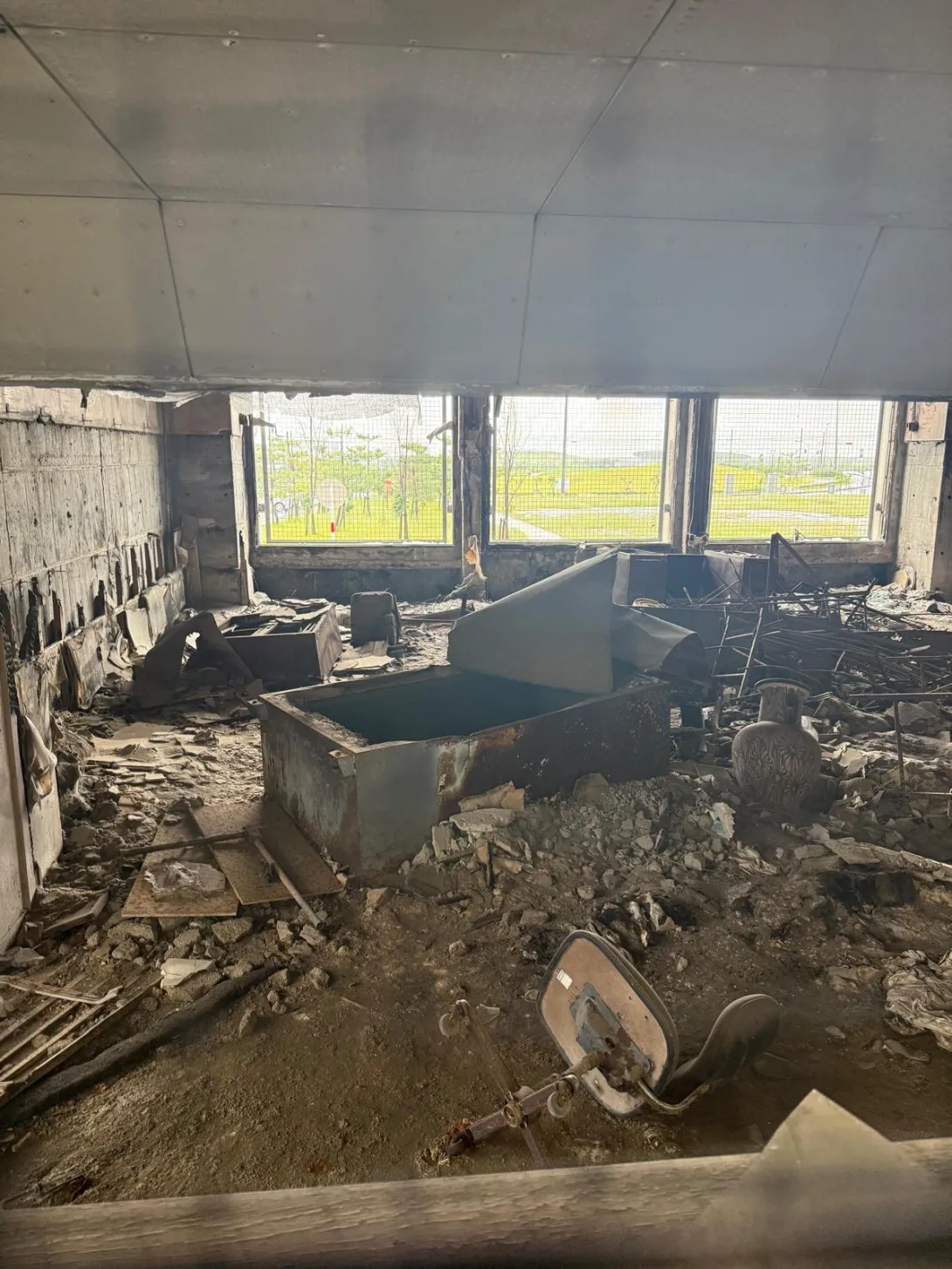
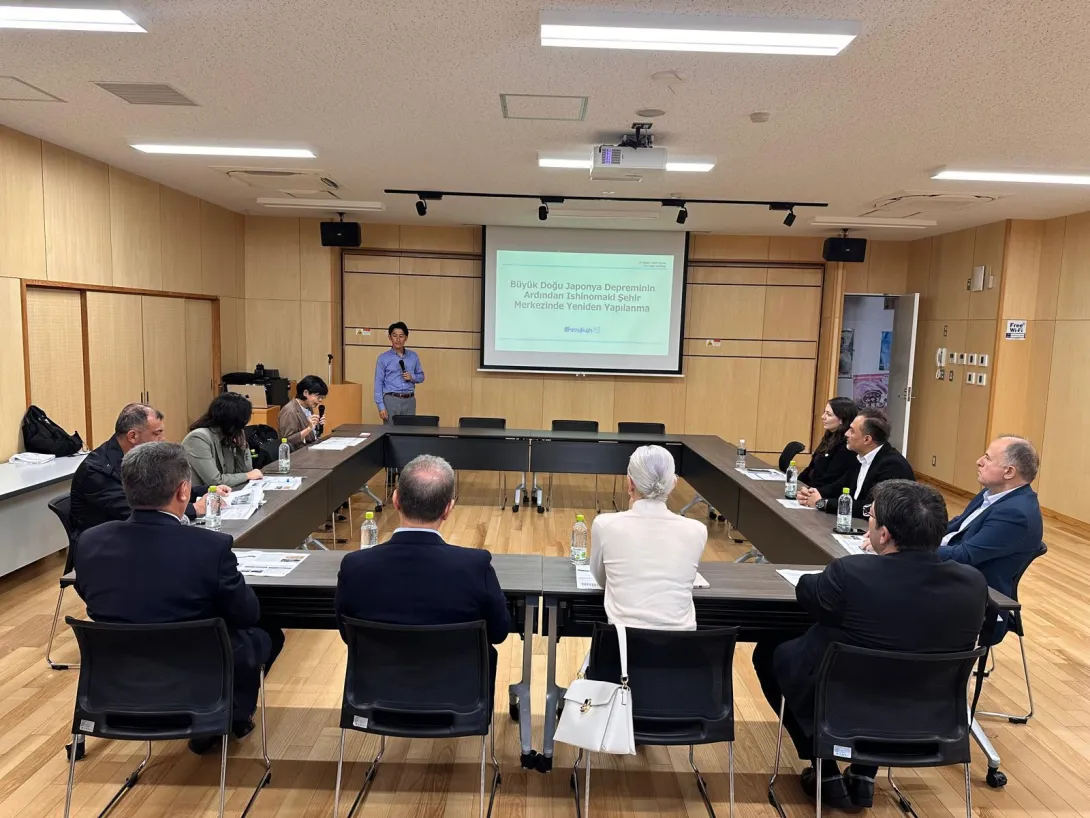
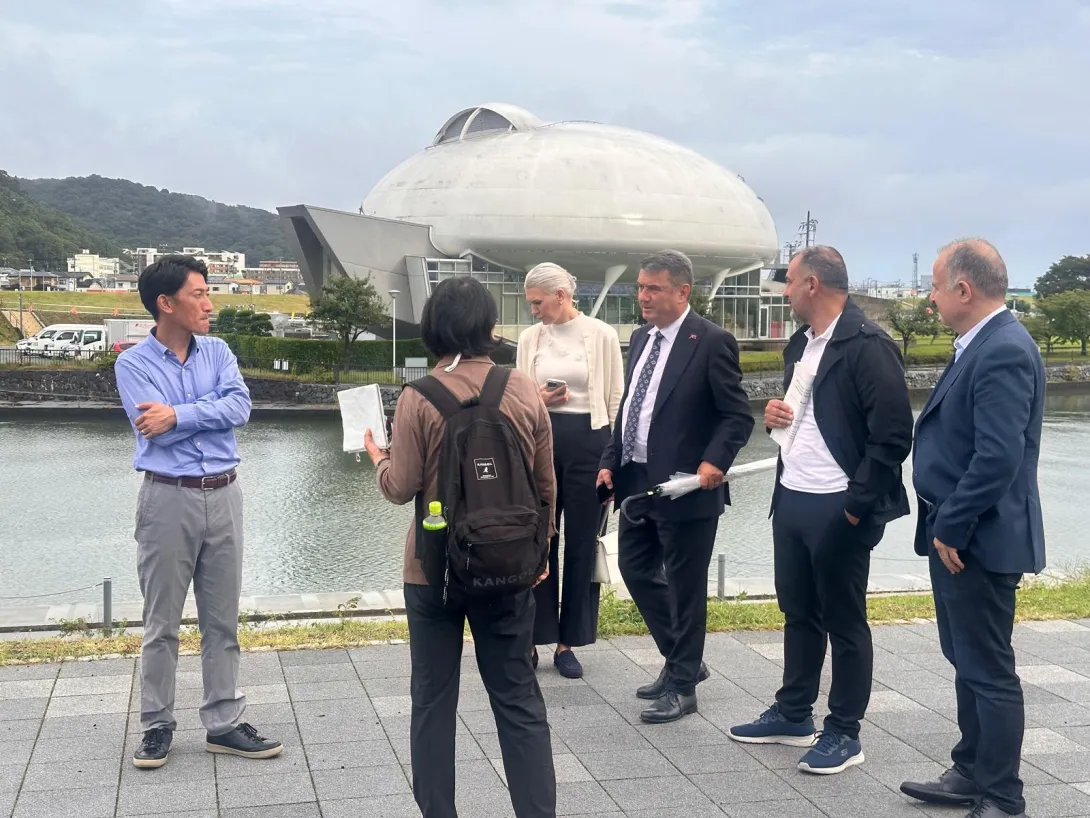
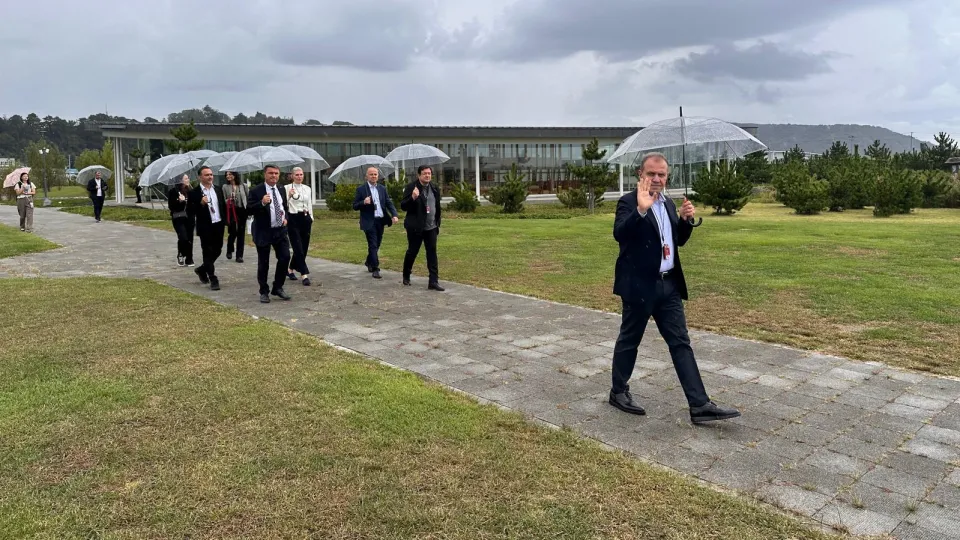
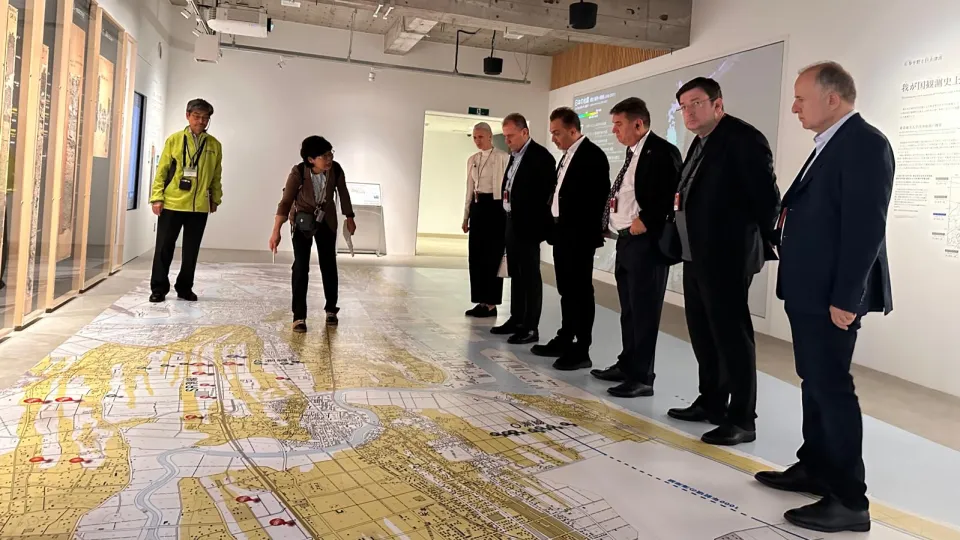
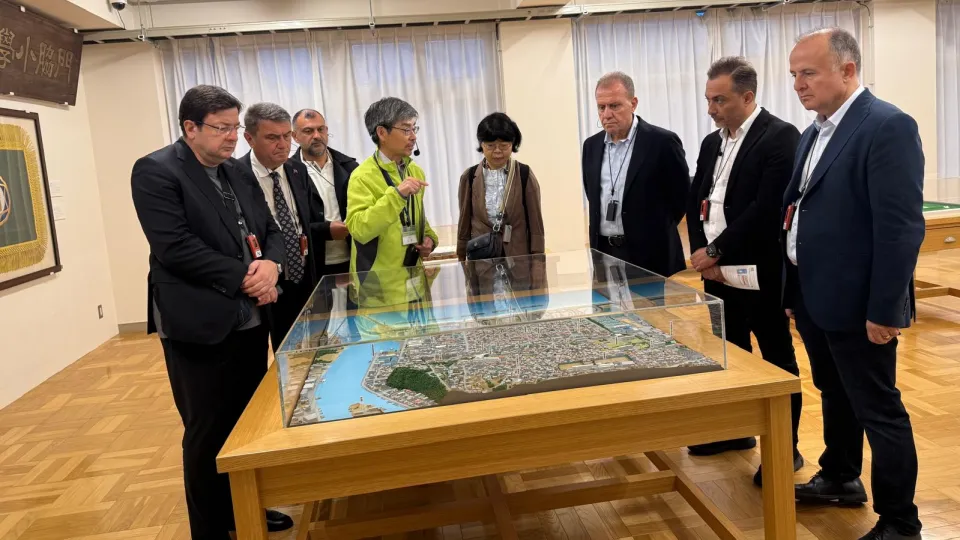
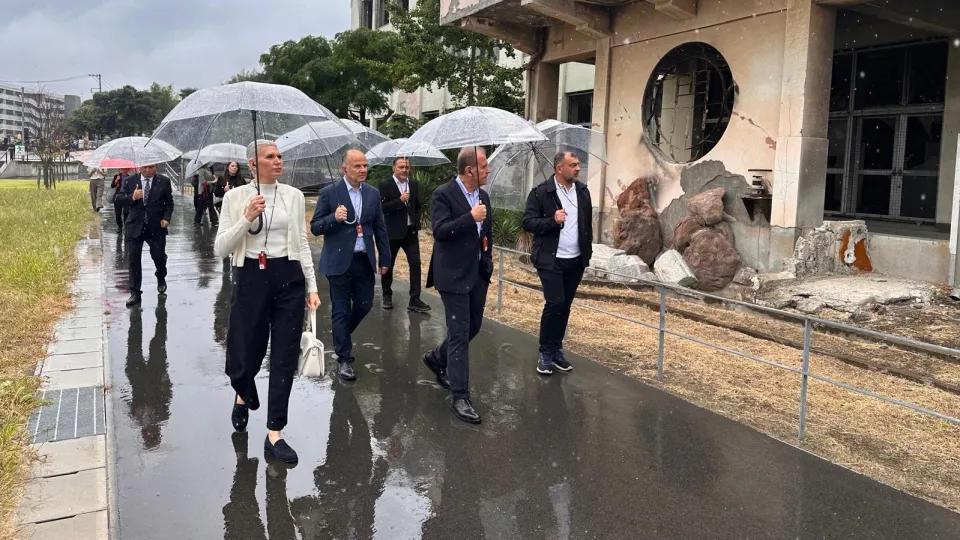
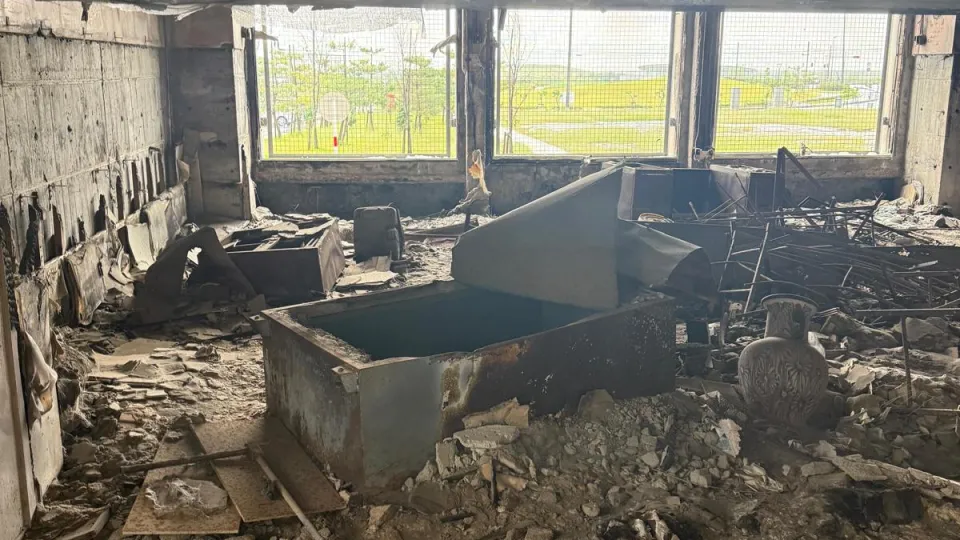
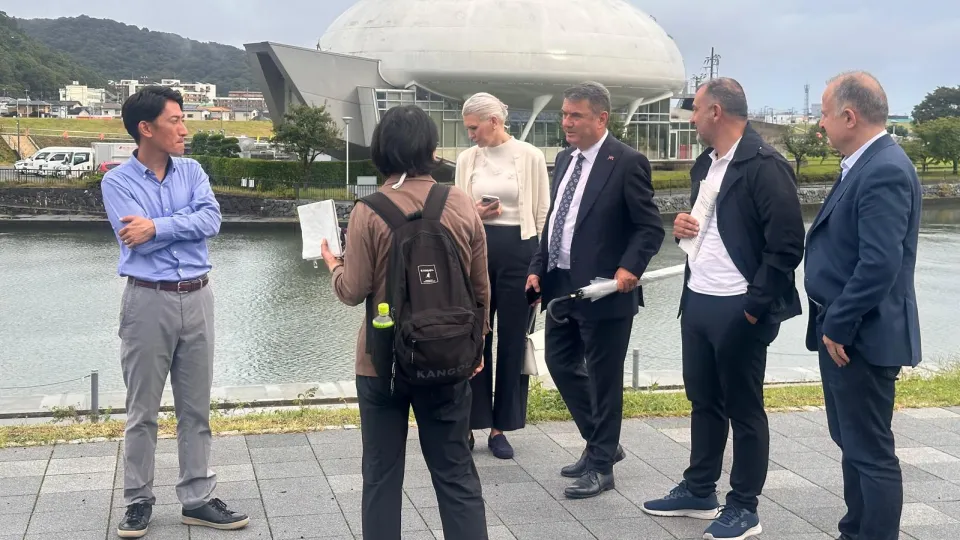
The delegation visited the Disaster Memorial Museum and the damaged Kadonowaki Elementary School in Ishinomaki, one of the cities affected by the 2011 Great East Japan Earthquake and tsunami. Tomohiro Kariya, Director of the Urban Development Unit at Machizukuri Manbow Company, provided insights into reconstruction and revitalization efforts.
Disaster Planning and Education Practices in Sendai
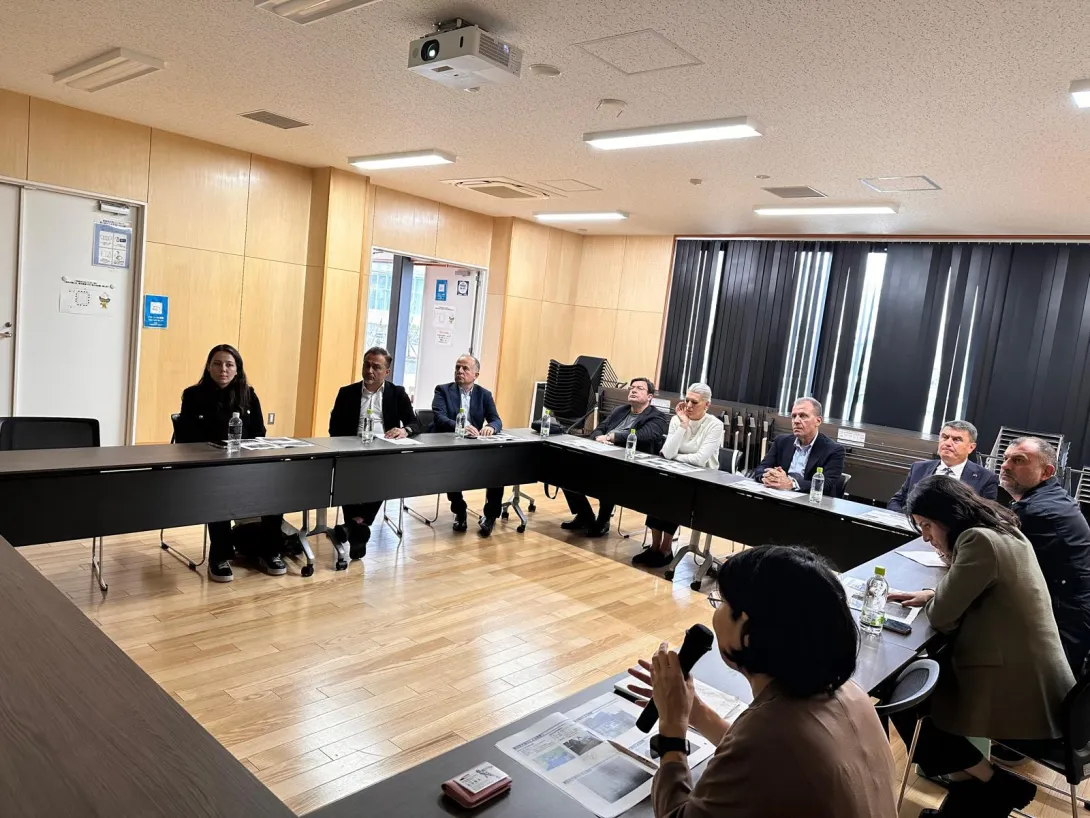
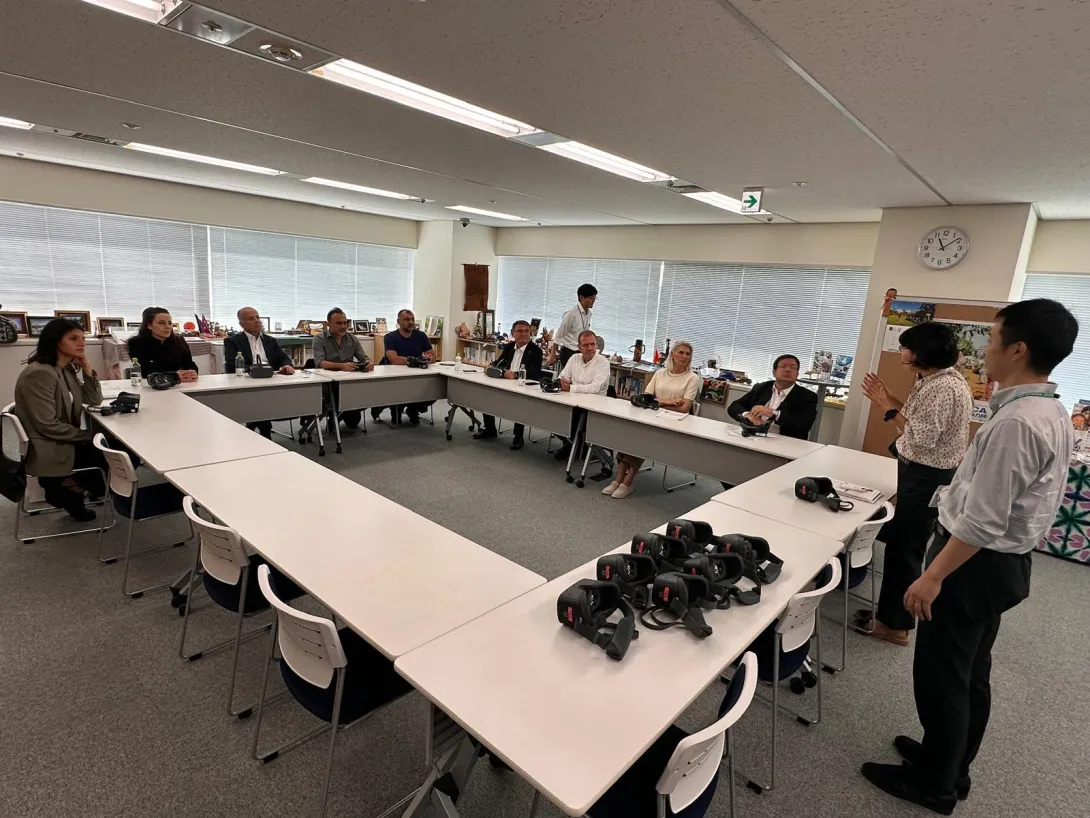
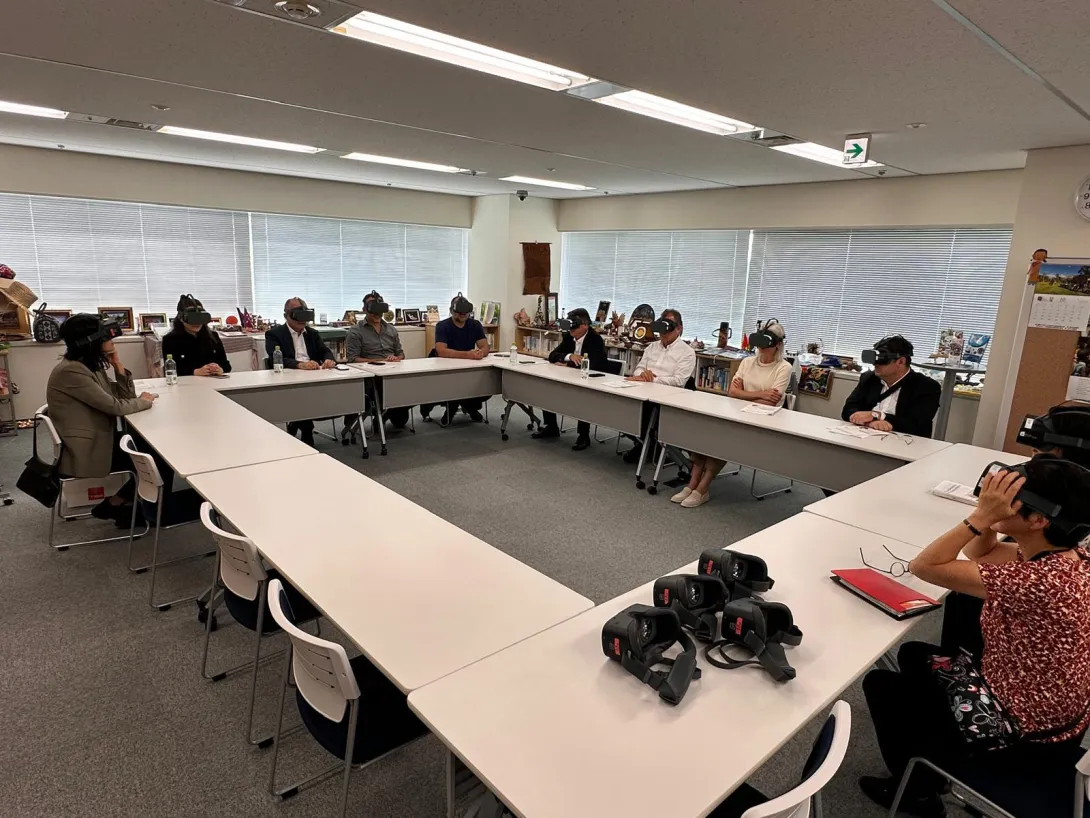
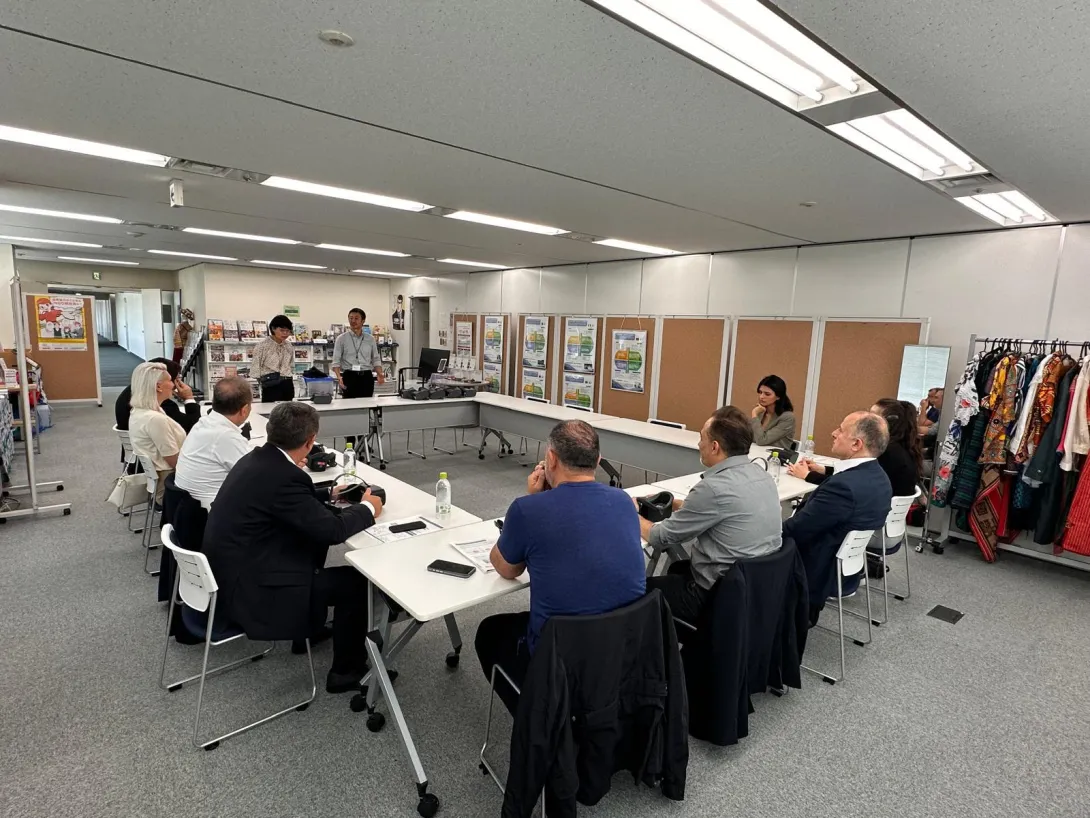
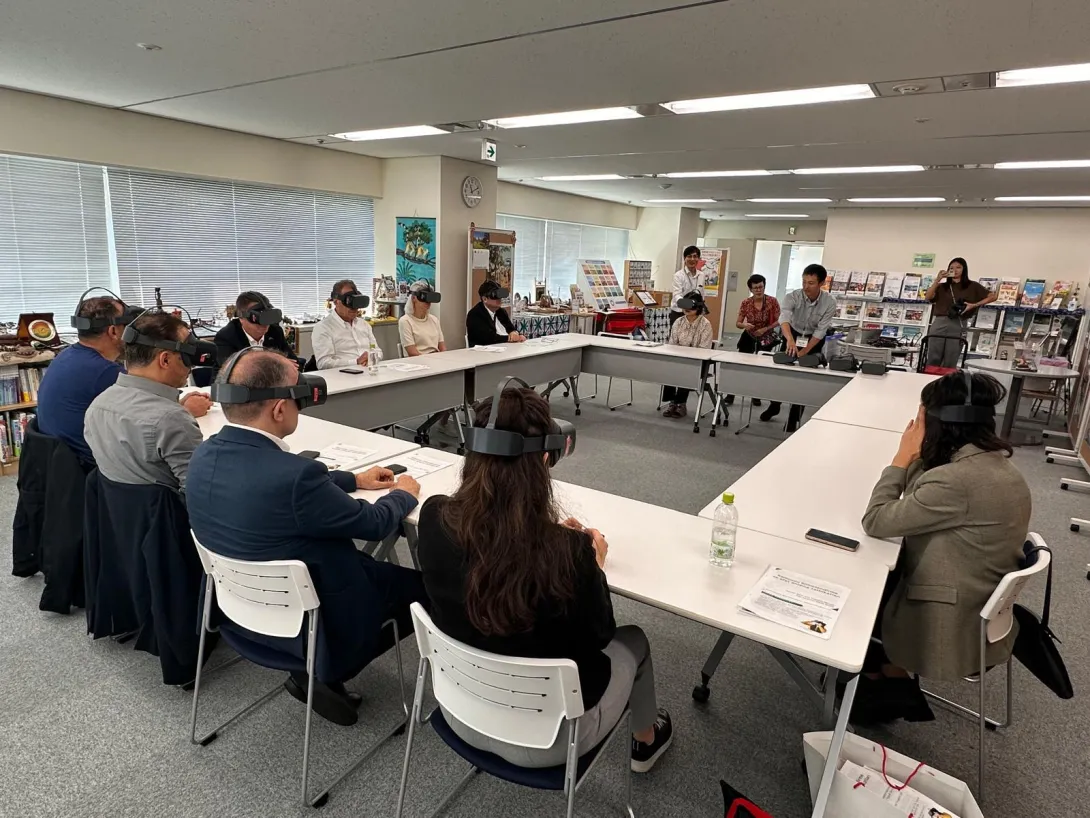
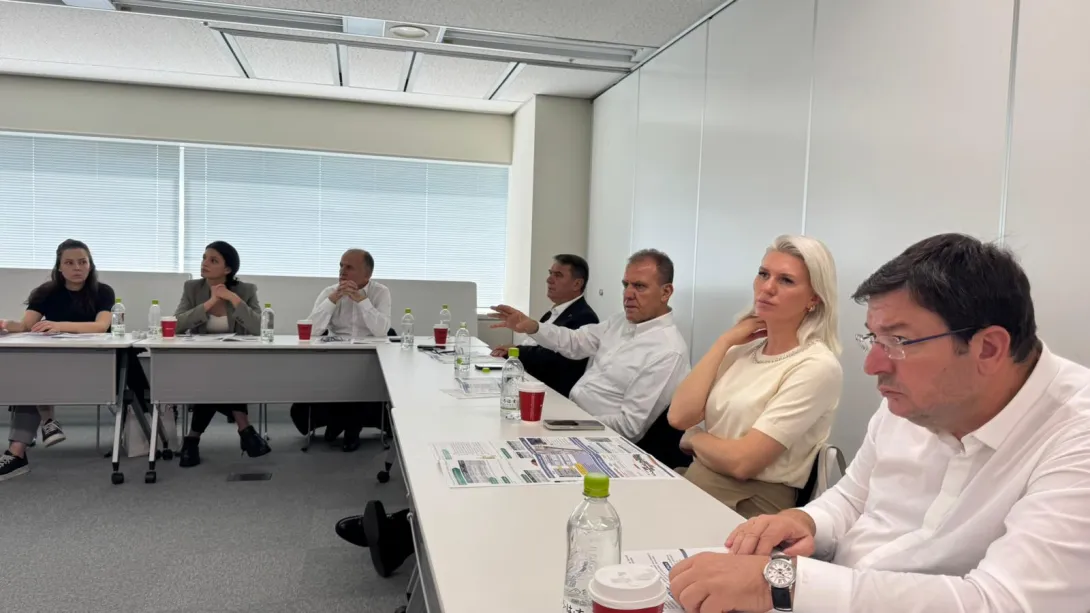
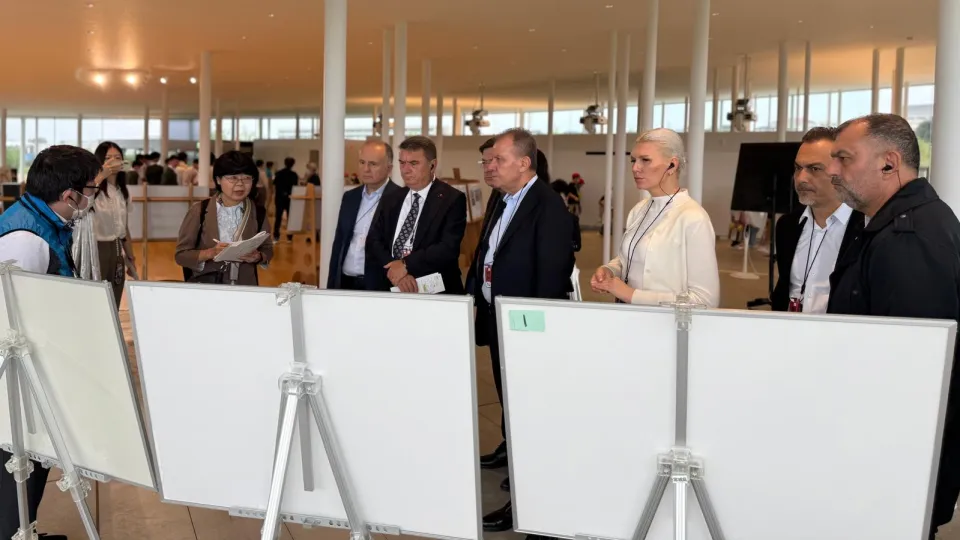
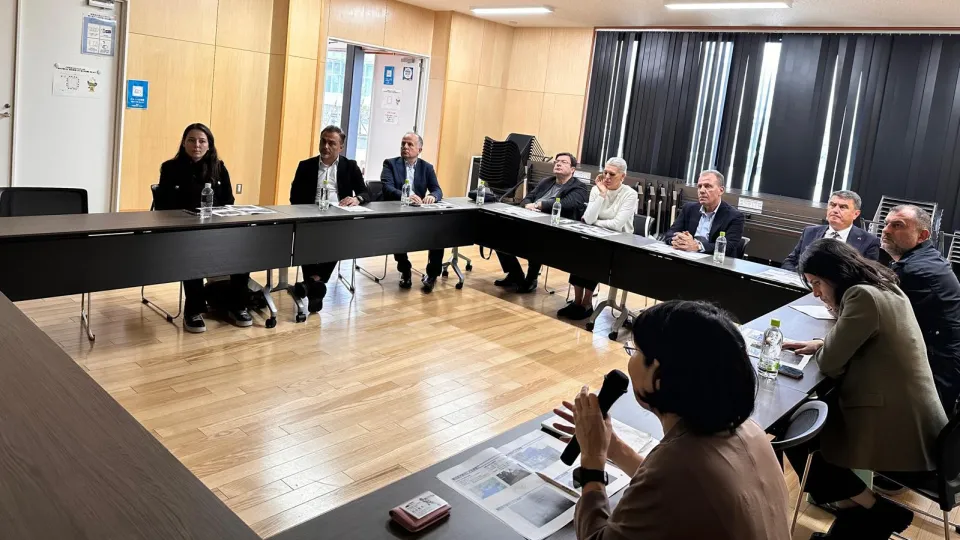
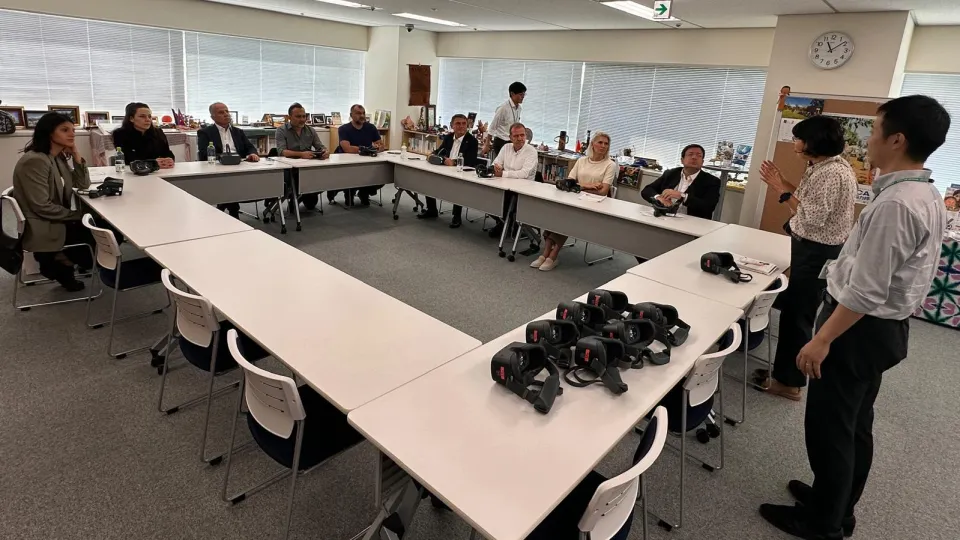
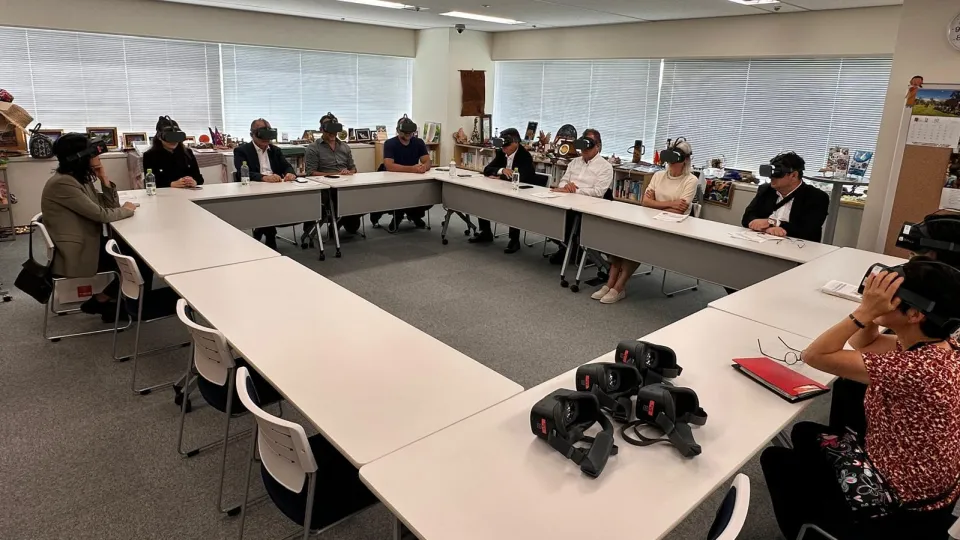
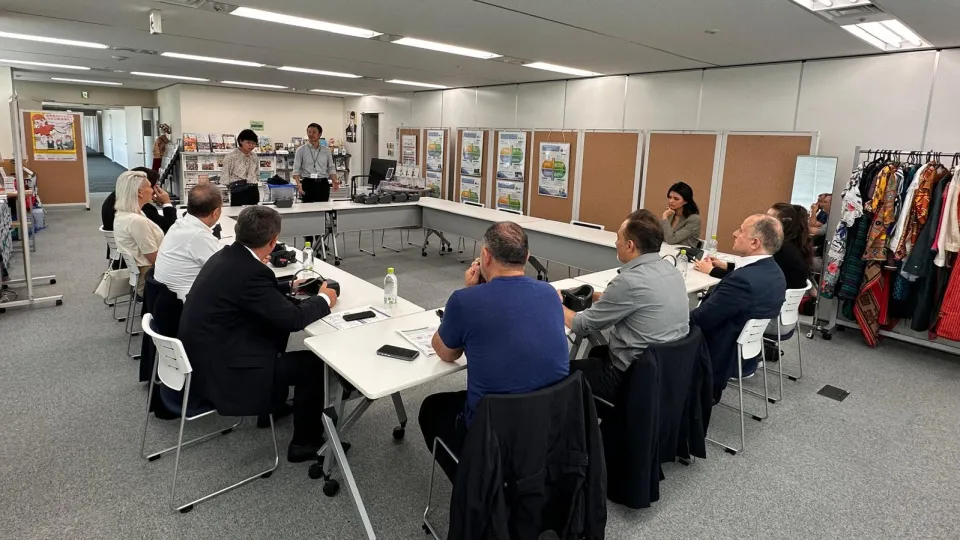
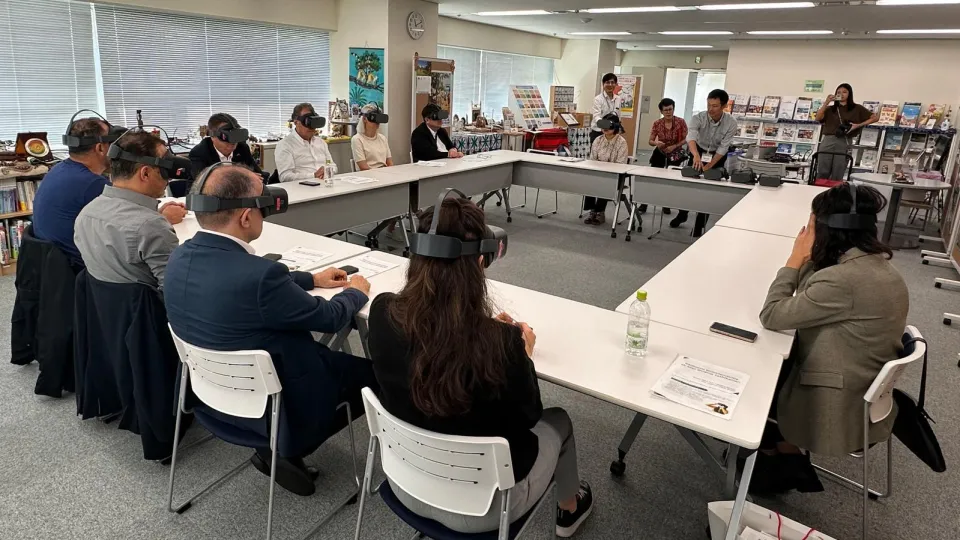
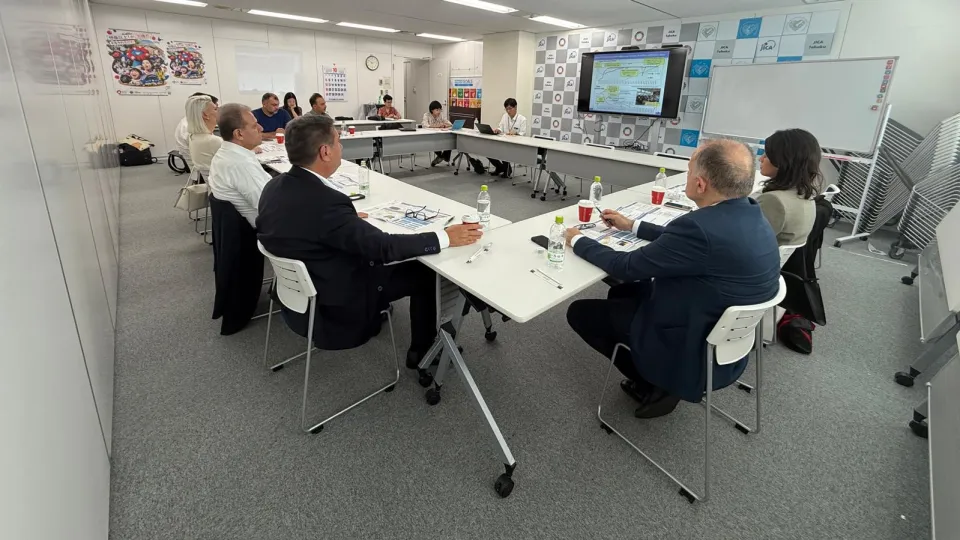
In a meeting with Sendai Municipality, topics such as the Regional Disaster Prevention Plan, inter-institutional coordination, and public education initiatives were discussed. Participants experienced earthquake simulations using VR goggles provided by Sendai City’s Crisis Management Bureau Disaster Risk Reduction Promotion Unit.
JDTS and Solid Waste Management Practices
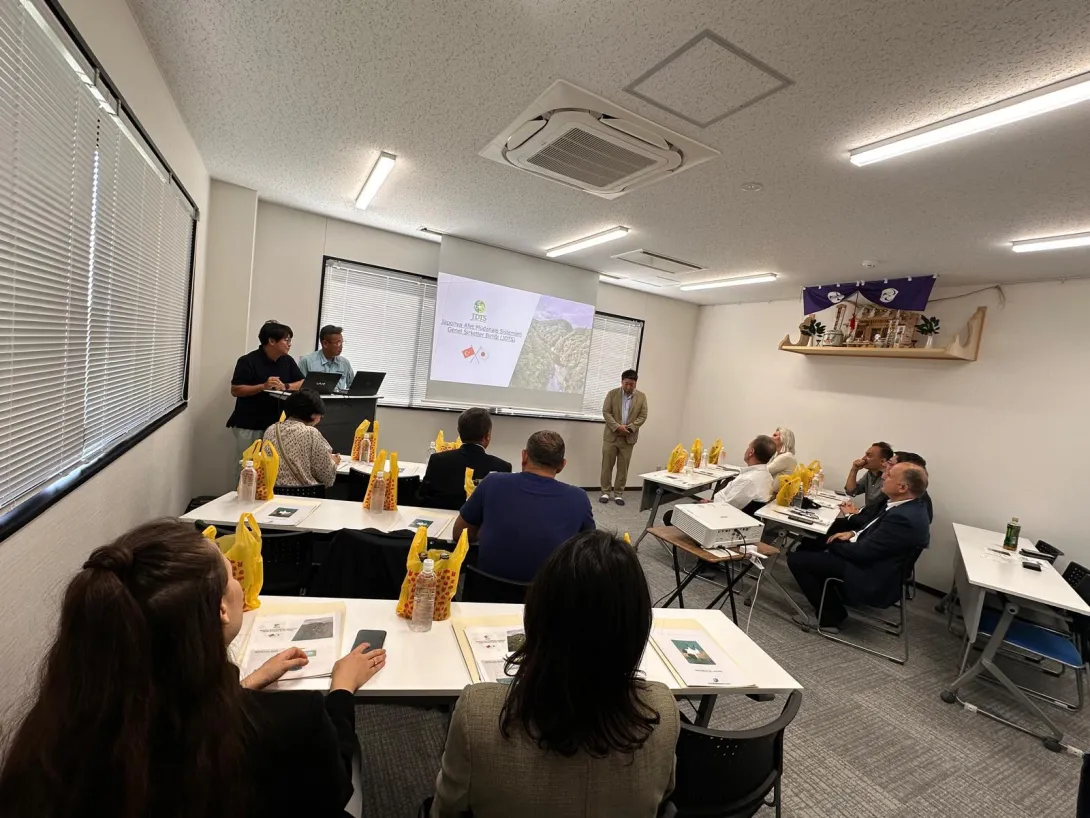
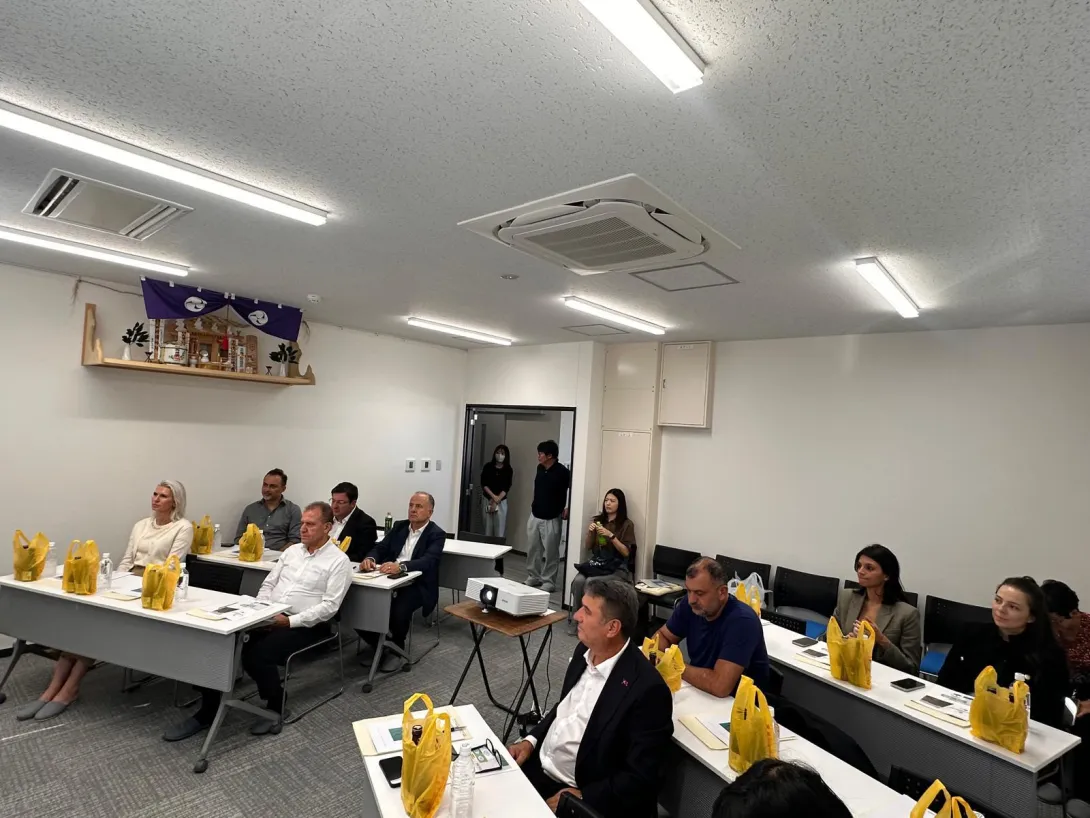
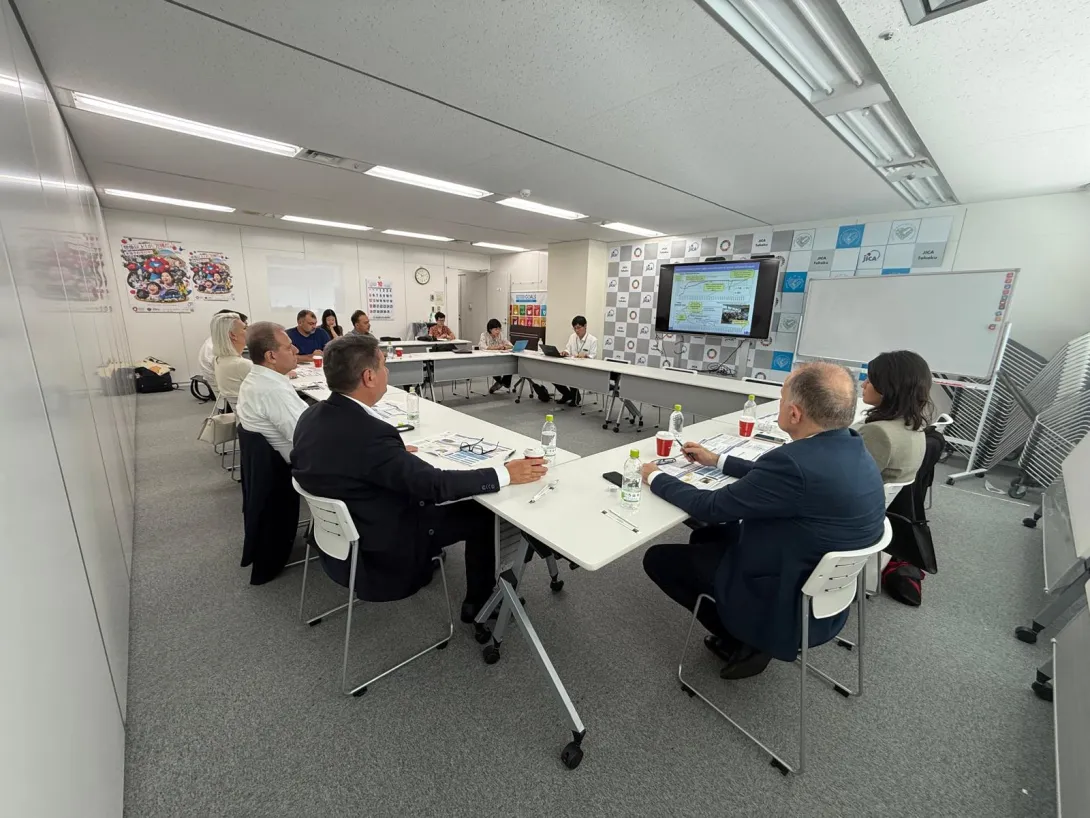
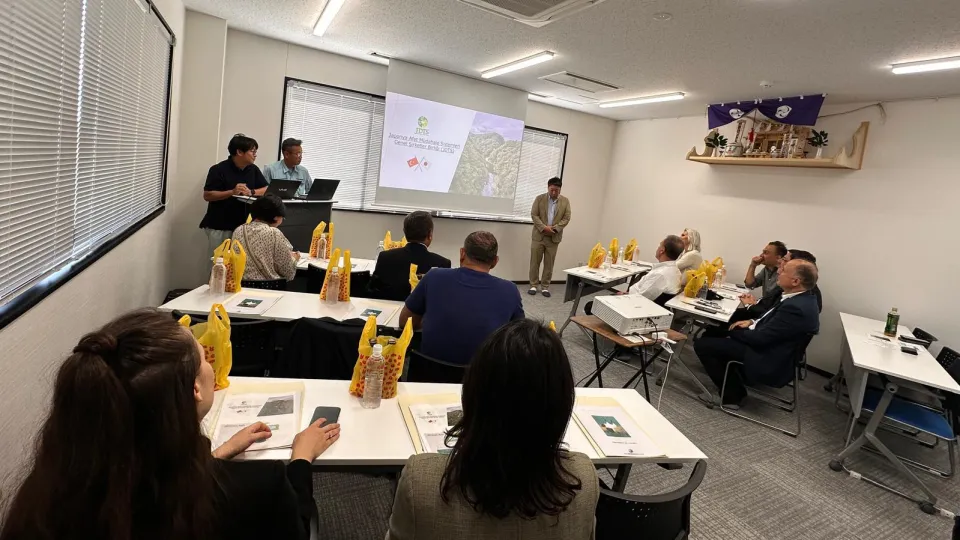
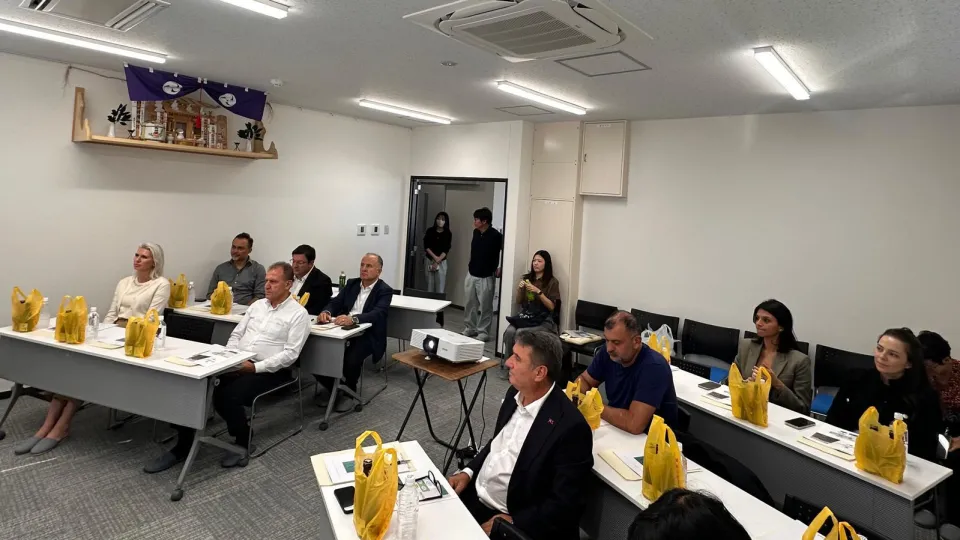
The UMT delegation received a presentation from the Japan Disaster Waste Management Systems (JDTS) and was informed about the waste management strategies implemented after the 2011 earthquake. Good practices were shared on critical issues such as the disposal of asbestos-containing construction materials.
Seismic Retrofitting Practices Observed
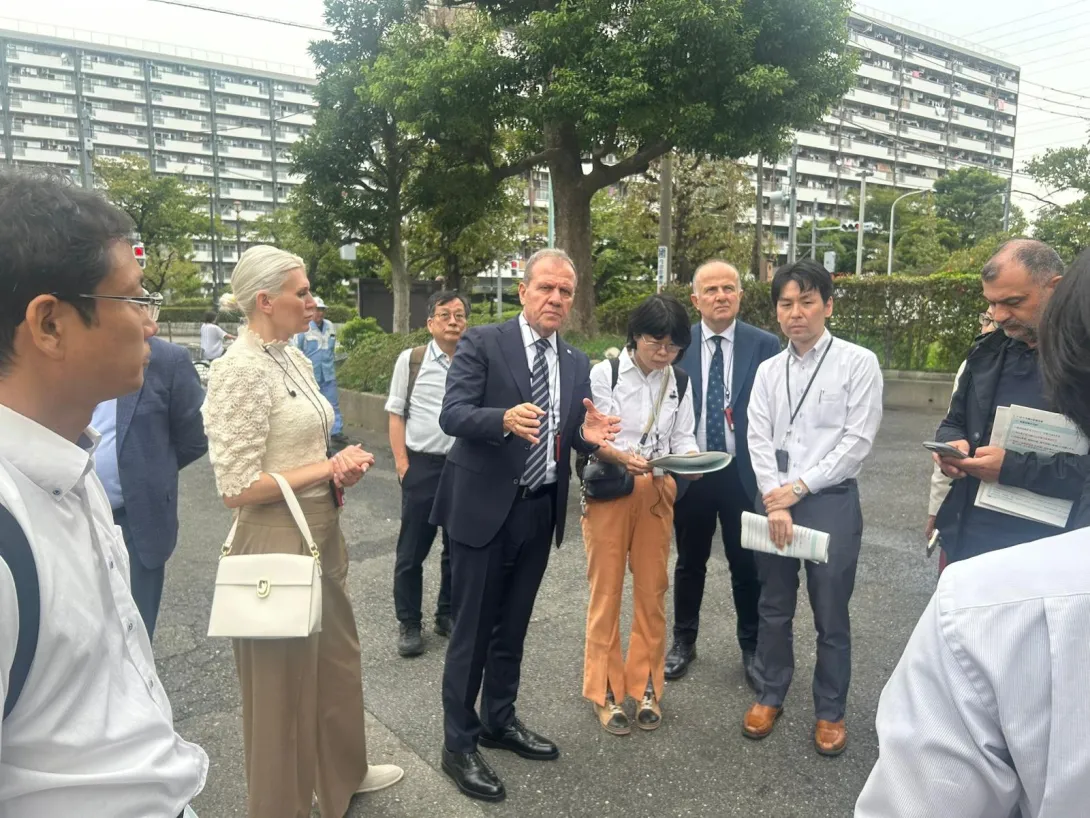
During site visits, the delegation was briefed on the “Earthquake-Resistant Renovation Incentive Plan” led by Itabashi Municipality. To observe practical implementations, the delegation visited the Takashimadaira Housing Complex and received information on its seismic retrofitting process and outcomes.
Seçer: “Sharing Experiences is Crucial”
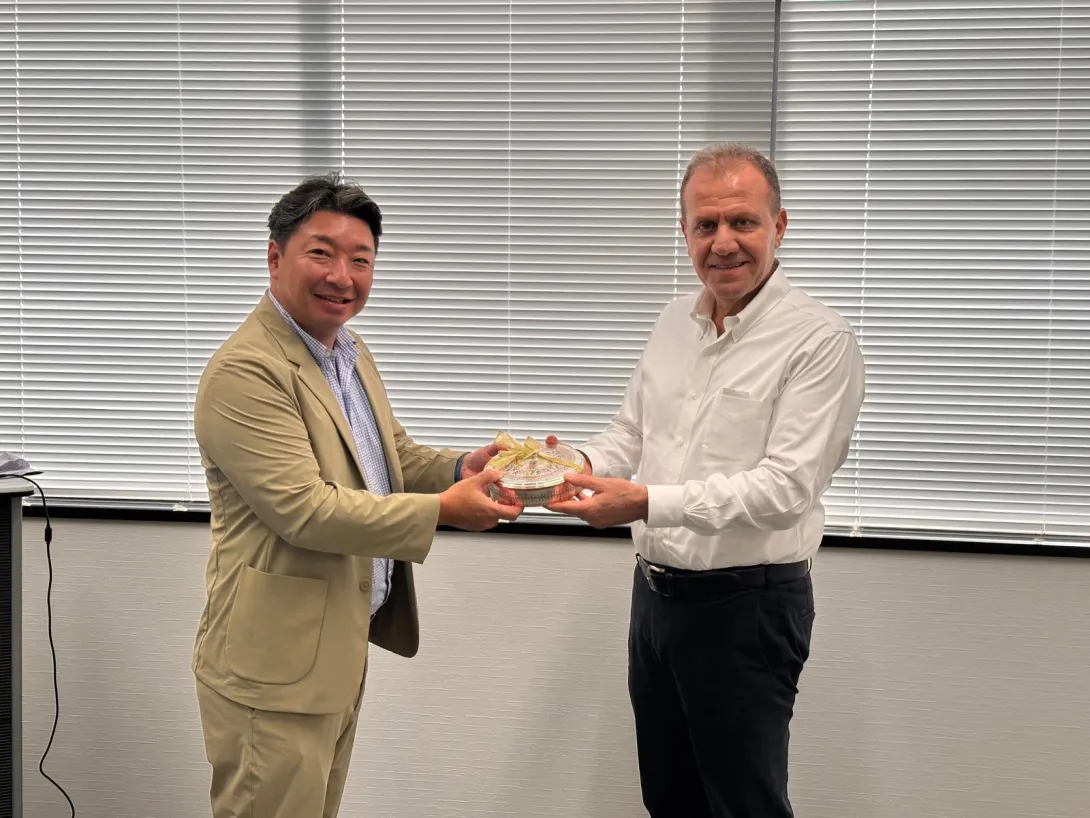
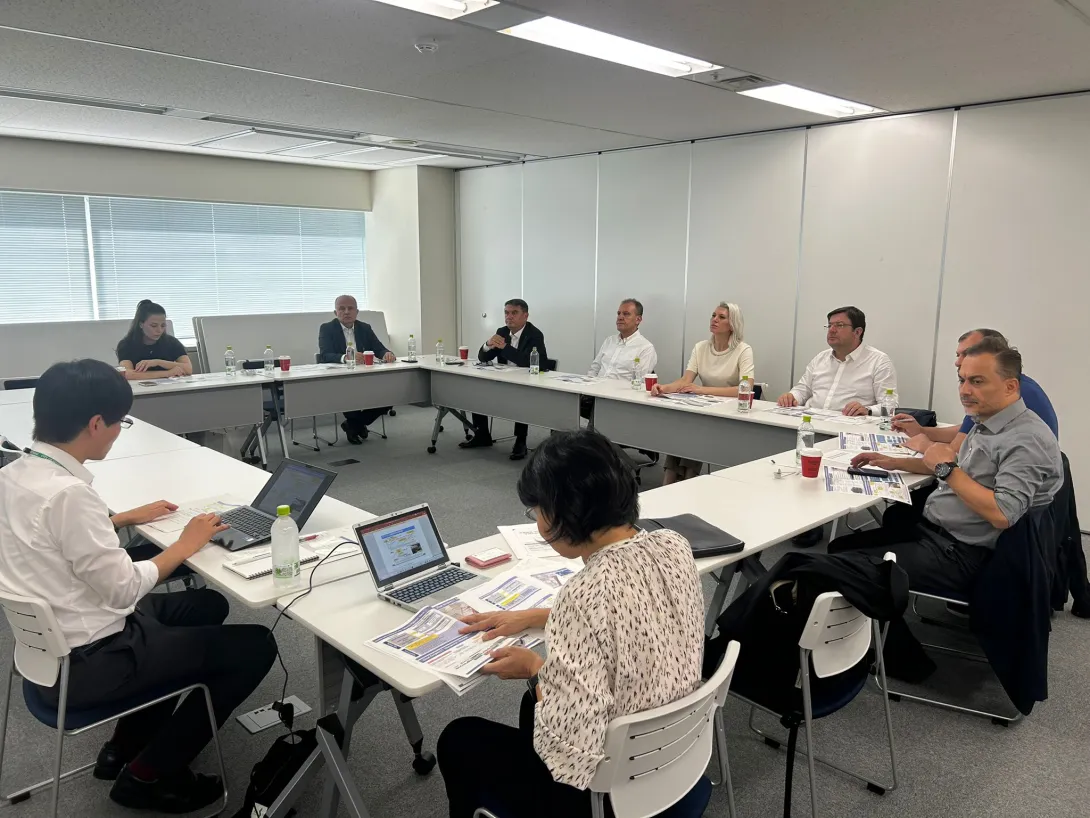
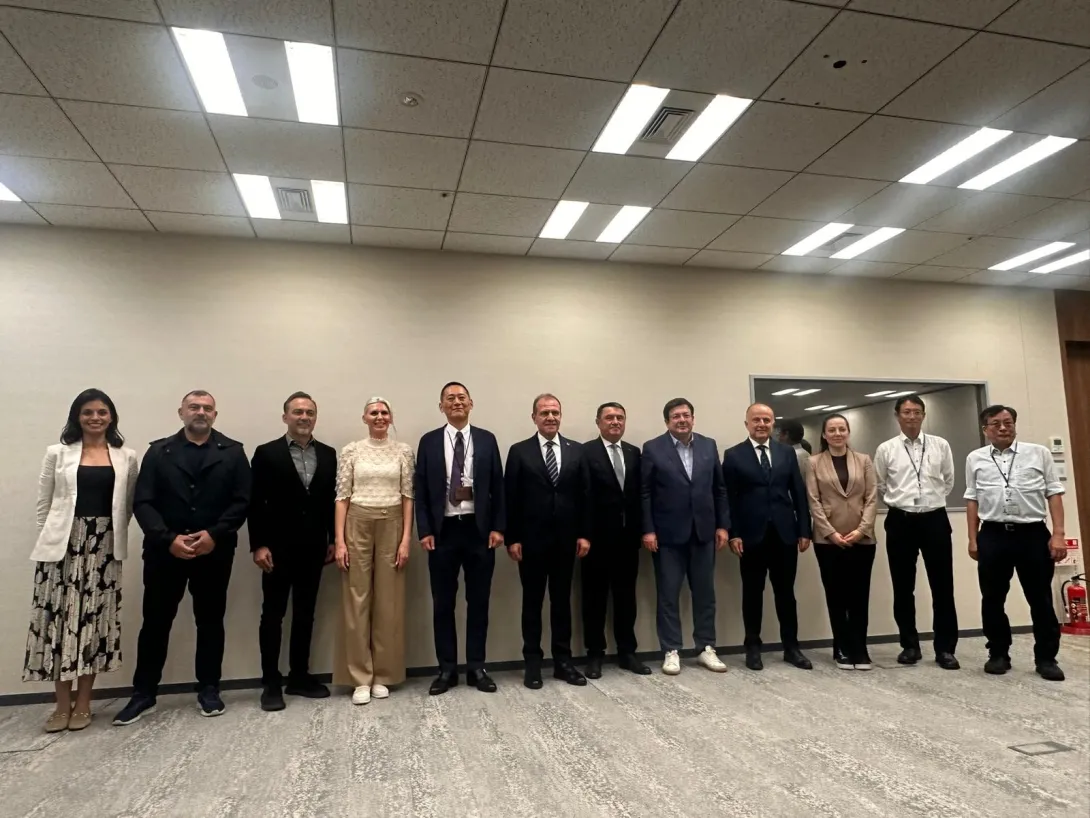
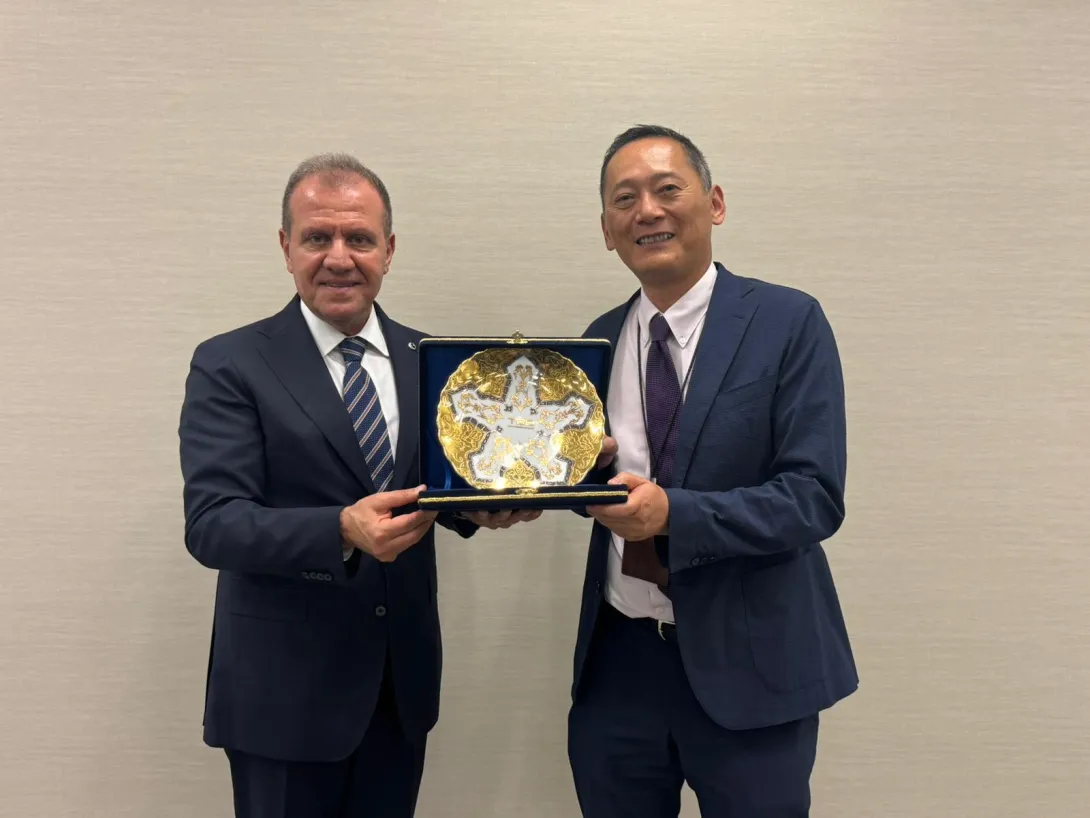
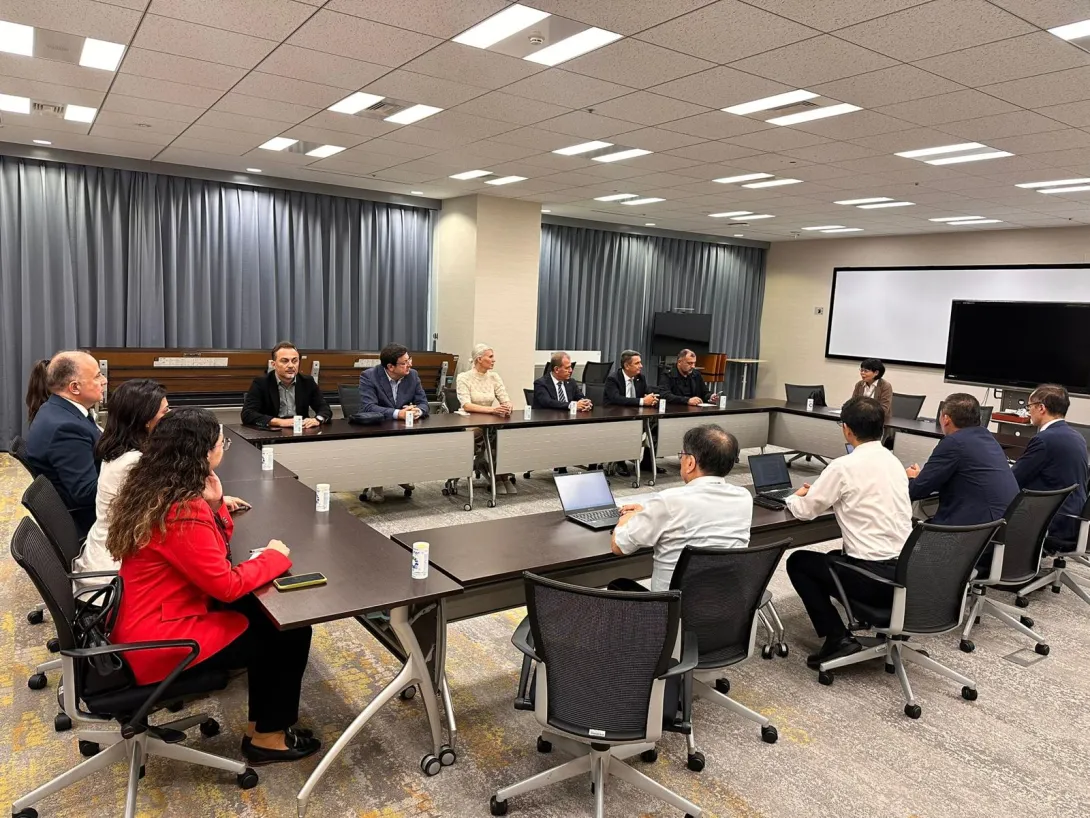
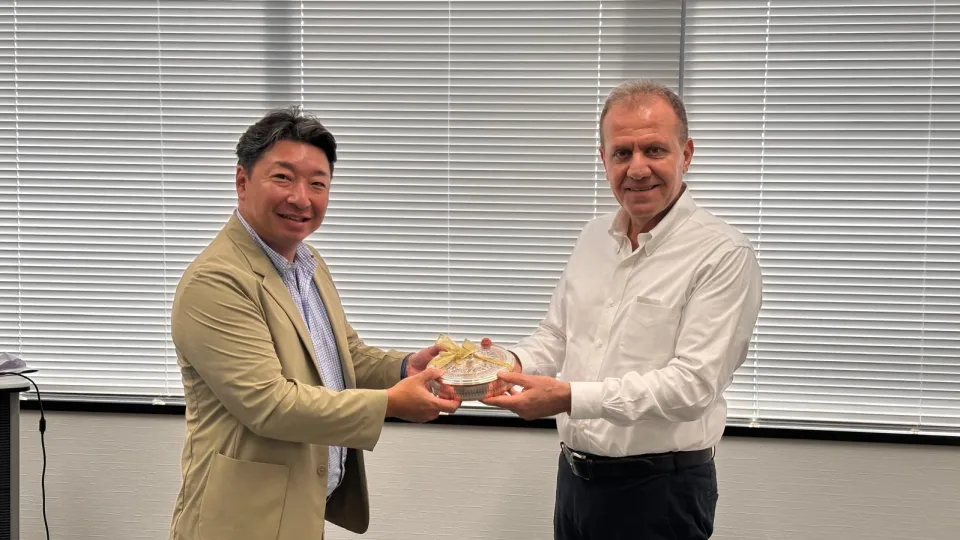
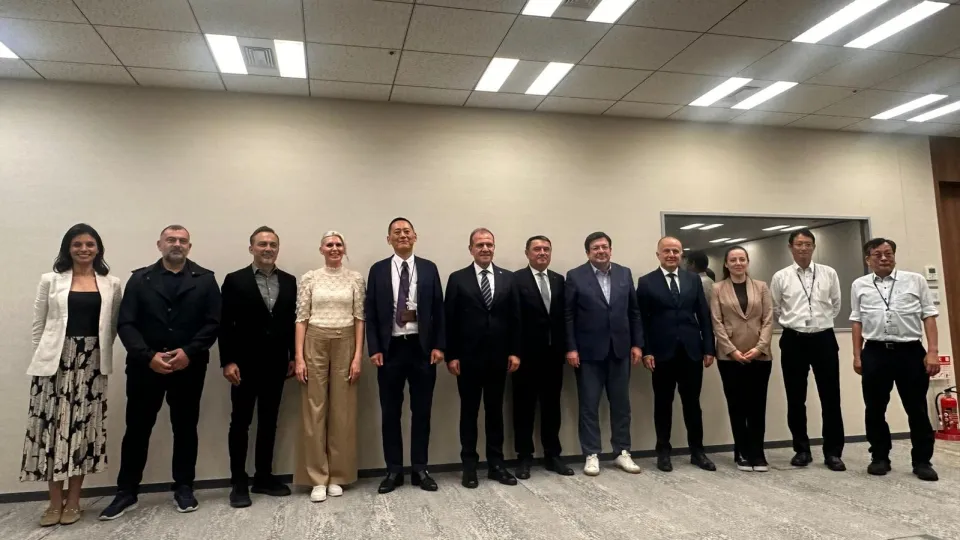
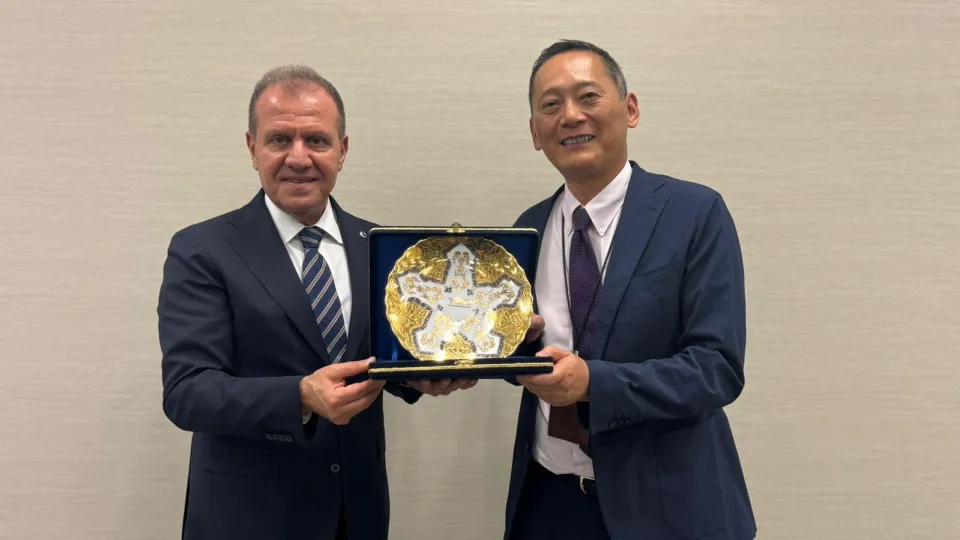
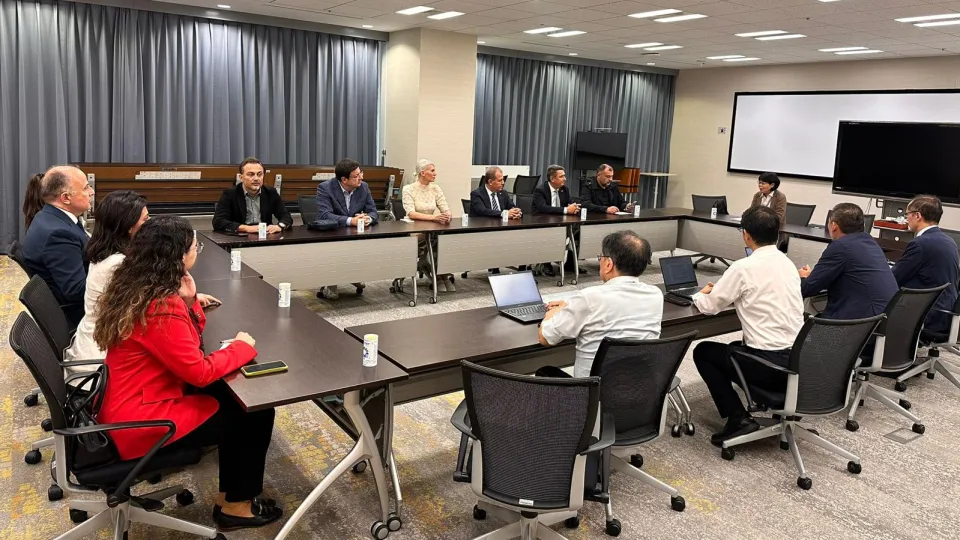
The program concluded with a visit to JICA Headquarters. On the final day, a meeting was held to evaluate the visits and observations conducted throughout the week and to discuss future areas of cooperation between UMT and JICA. During the meeting, UMT Vice President Seçer met with the Director General of JICA’s Global Environment Department to assess the current collaboration and explore future joint initiatives.
Seçer emphasized the benefits of the technical site visits. He noted that witnessing the damage caused by the Great East Japan Earthquake and tsunami firsthand was highly informative. Highlighting that Türkiye, like Japan, lies in an earthquake-prone region, Seçer stated that the visit offered numerous mutual learning opportunities between the two countries.
Seçer said, “Earthquakes are a major disaster we also face, and this visit gave us a basis for comparison. We have experienced similar disasters. Comparing our practices with those in Japan and assessing the applicability of some of the practices we observed here in Türkiye will be highly beneficial for our future efforts.”
Japan’s Disaster Response Strategies
Emphasizing that Japan has drawn lessons from past disasters and made regulatory changes while taking comprehensive steps to build resilient cities, Seçer added, “They have introduced strict requirements in zoning regulations for constructing earthquake-resistant buildings, enhanced inspections, and continued their efforts in collaboration with the public, civil society, government agencies, and the private sector.”
Emphasis on Waste Management and Environmental Health
Regarding JICA, Seçer stated, “I believe it is highly valuable for JICA to work on joint projections specifically with our Union of Municipalities of Turkiye and to contribute more broadly to Türkiye–Japan cooperation.”
He also pointed out that the visit provided technical insights, particularly on post-disaster waste management, recycling, and environmentally safe disposal methods.
Referring to the waste management challenges in Türkiye following the earthquakes centered in Kahramanmaraş on February 6, 2023, Seçer noted, “If you can’t manage waste, you threaten environmental health. From nature to groundwater and human health, many negative environmental factors converge.”
Seçer underlined that such visits would serve as a crucial reference for future efforts in Türkiye.
Seçer: “We Must Strengthen Our Knowledge Base”
Stressing that disaster management should encompass not only the moment of crisis but also the preparatory and risk reduction phases beforehand, Seçer said, “We need to be more prepared in these areas, enhance our knowledge base, and improve our practices. Visits like this provide essential information for before, during, and after disasters. We extend our thanks to the Japanese government and JICA.”