

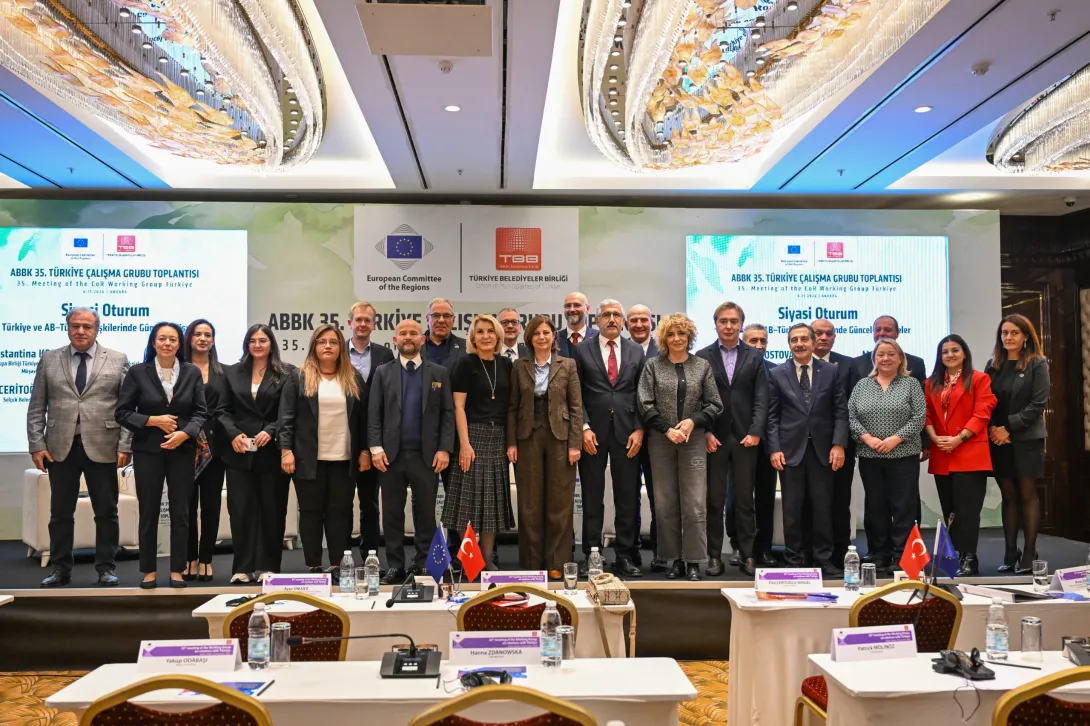
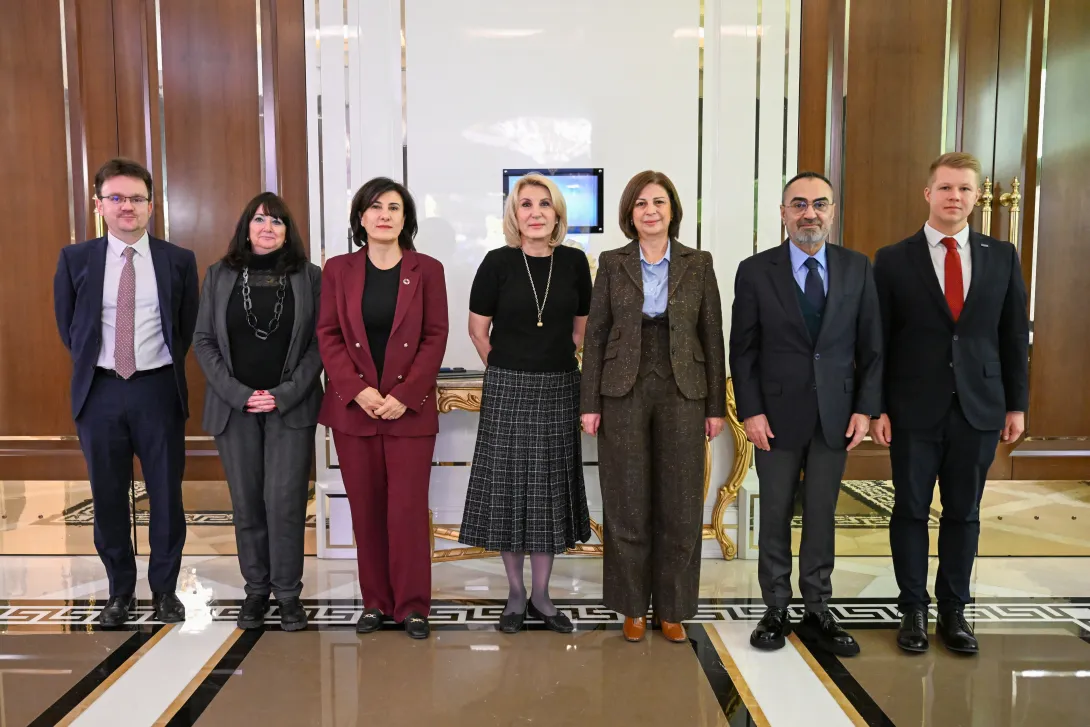
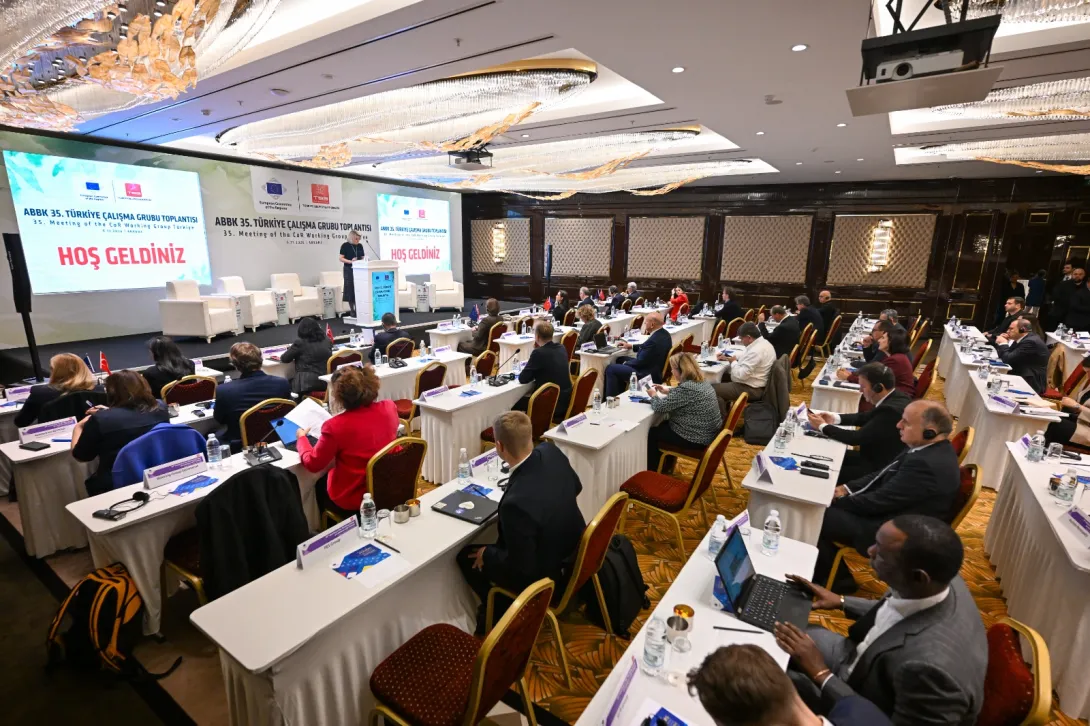
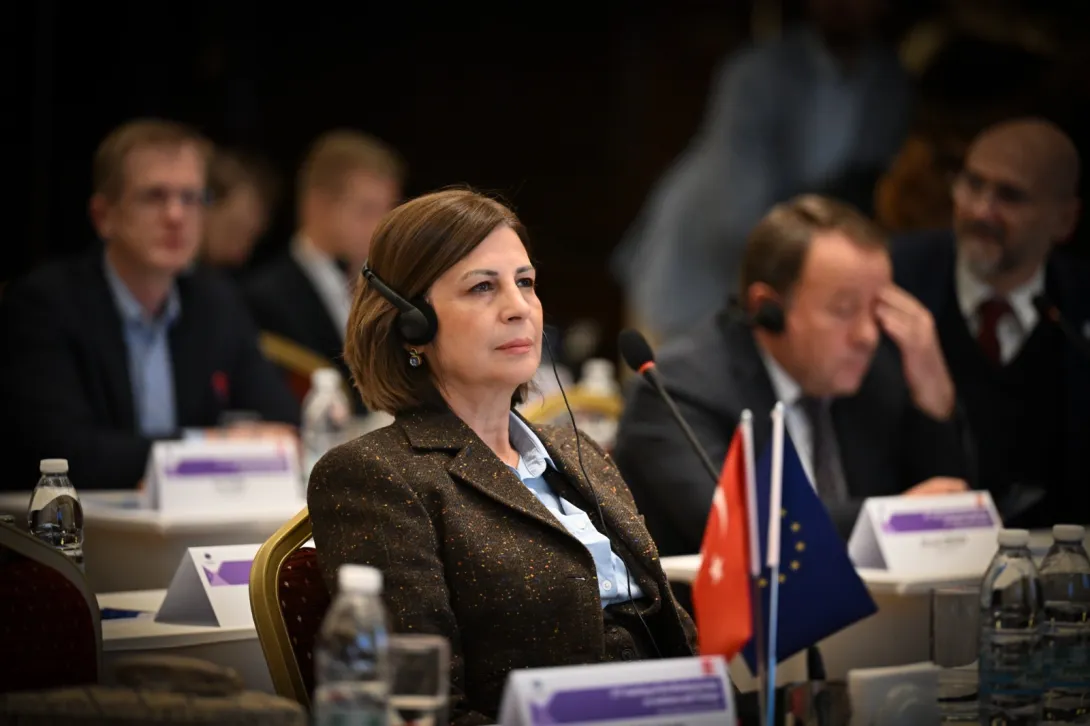
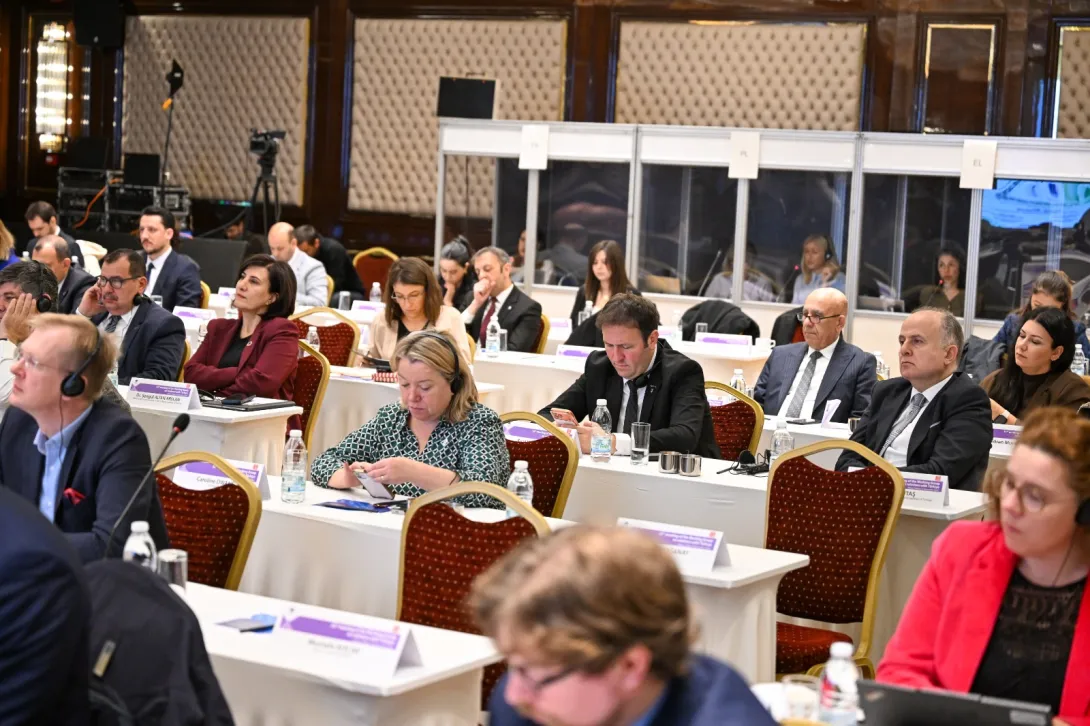
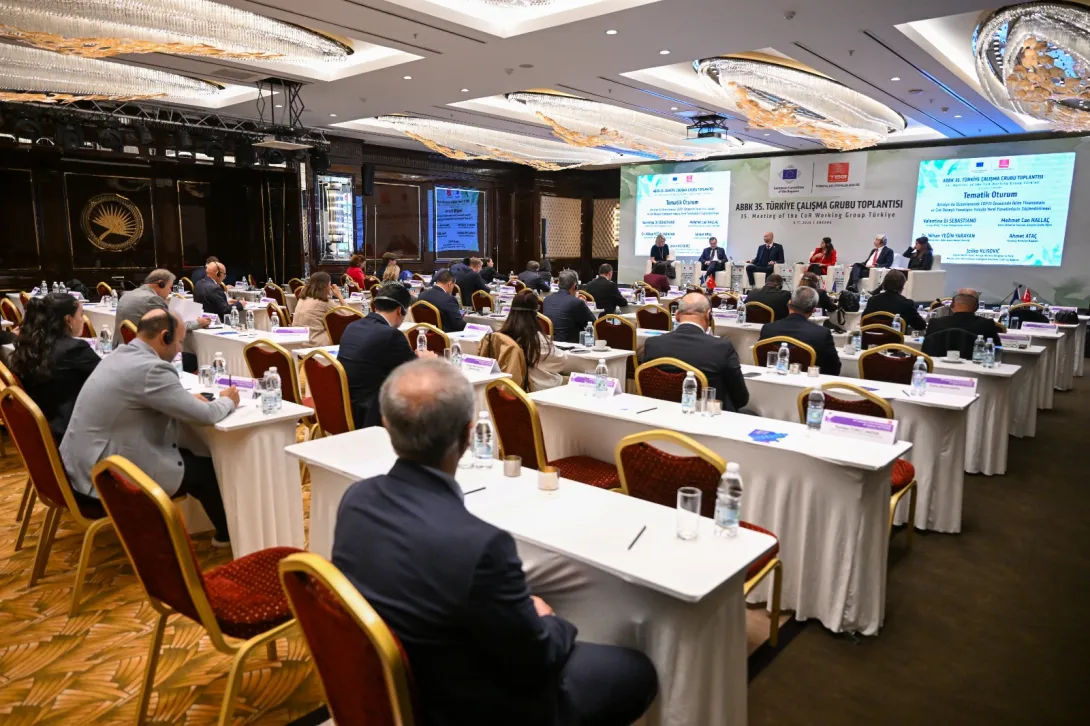
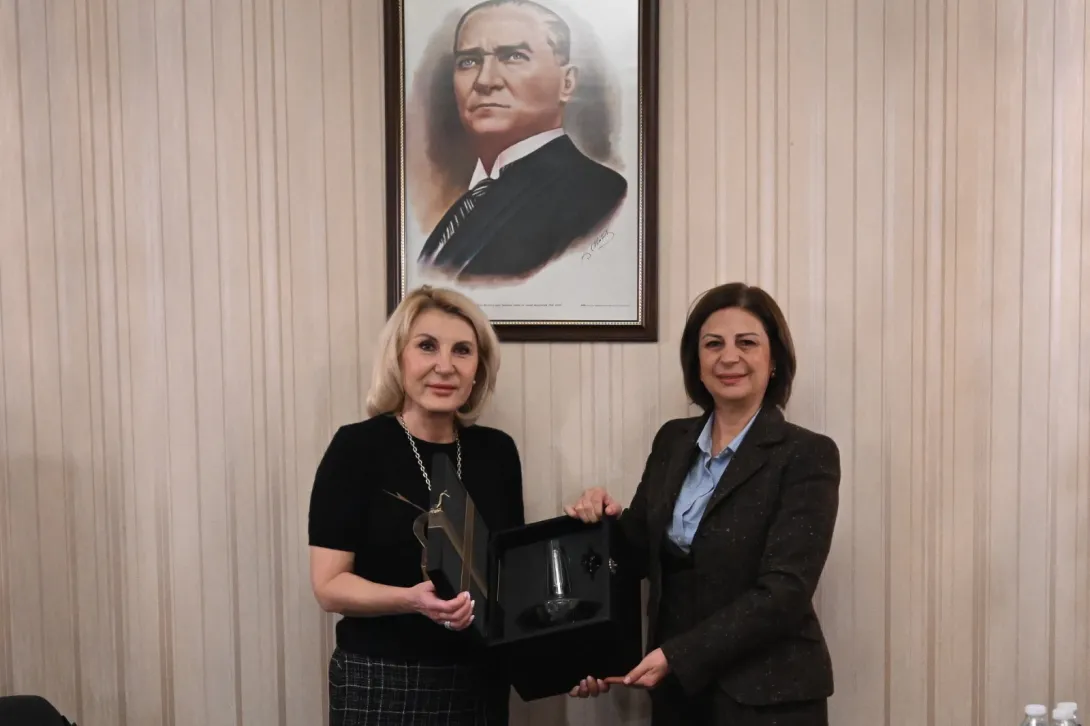
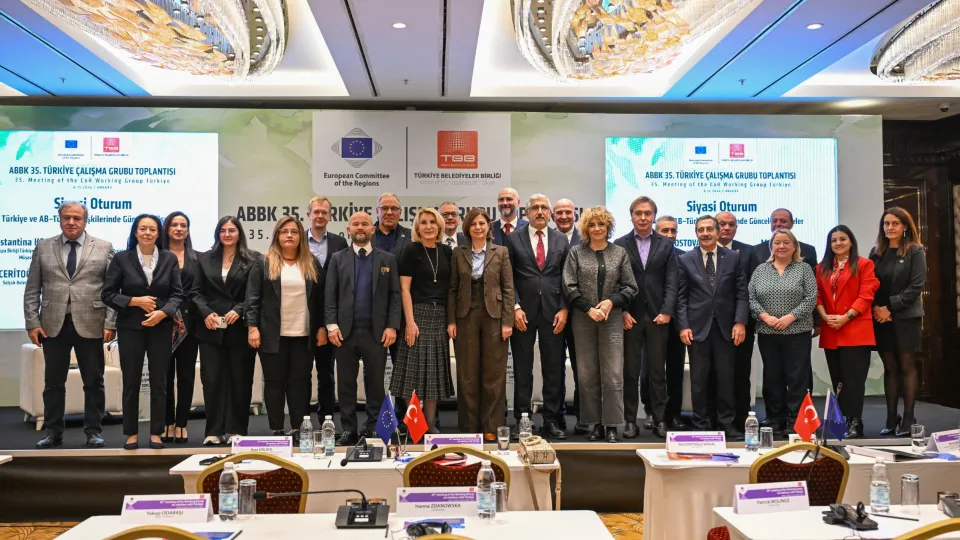
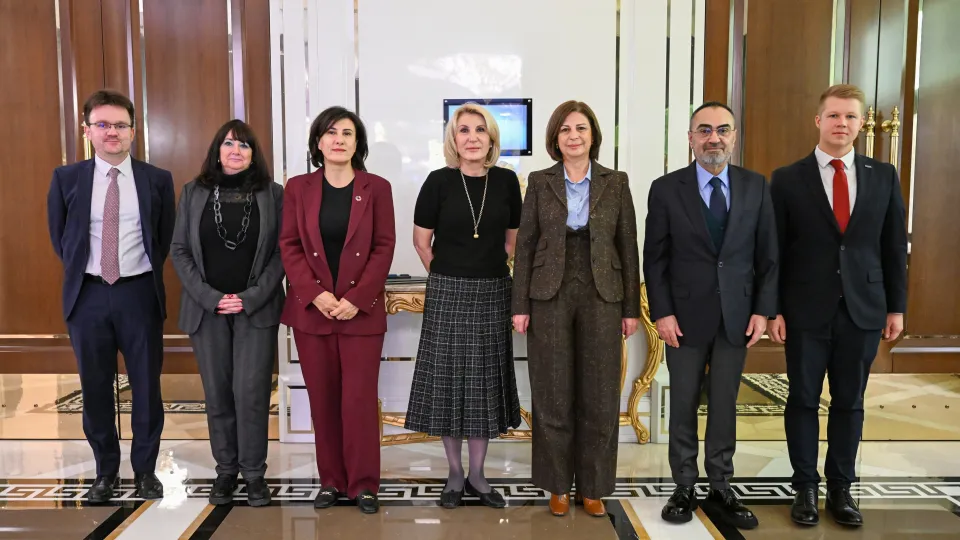
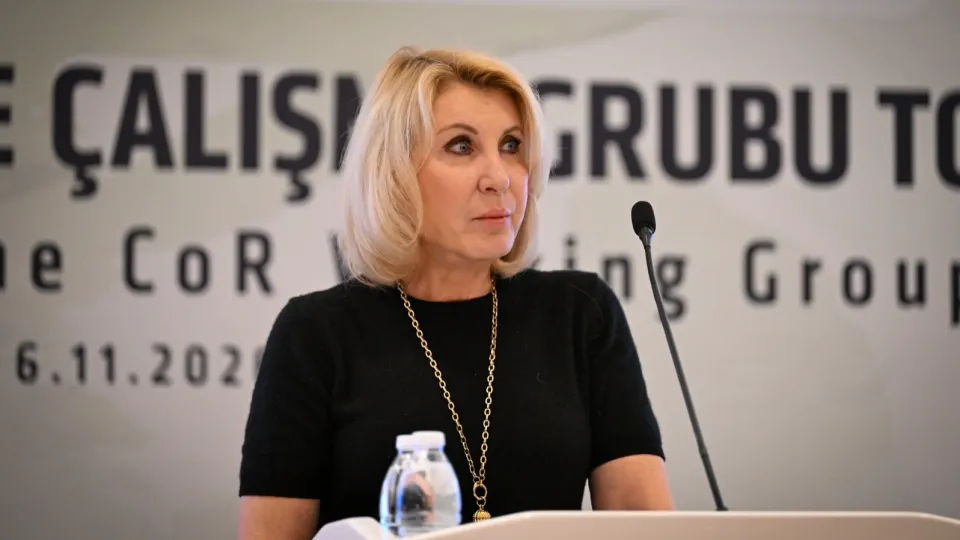
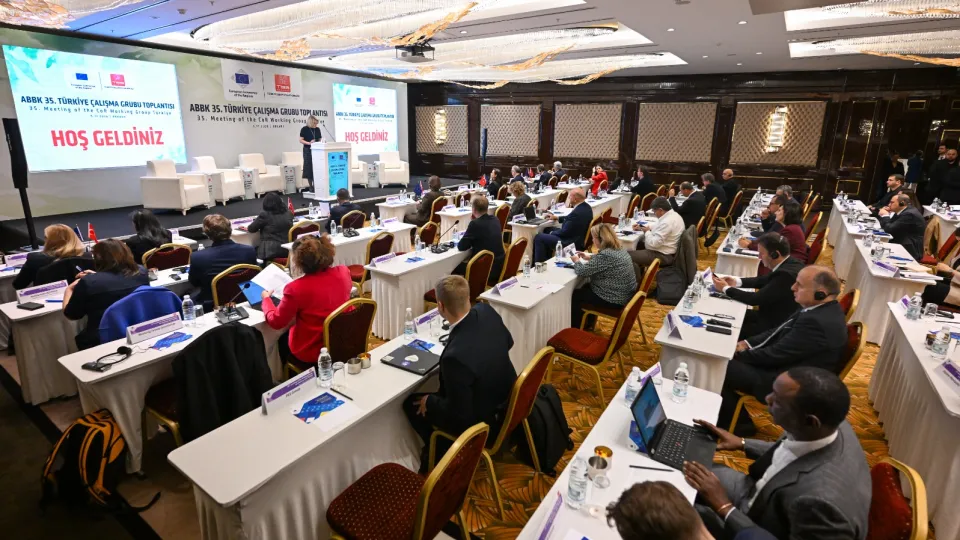
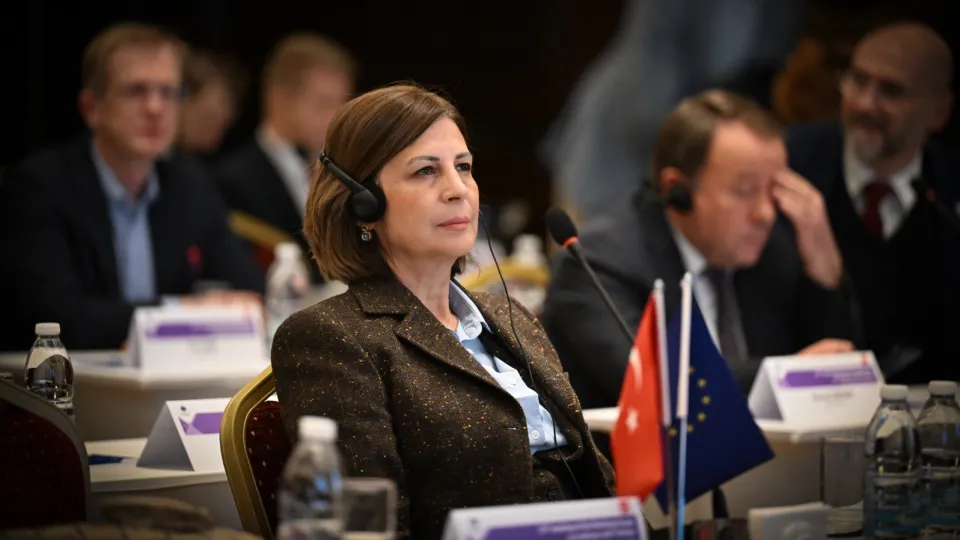
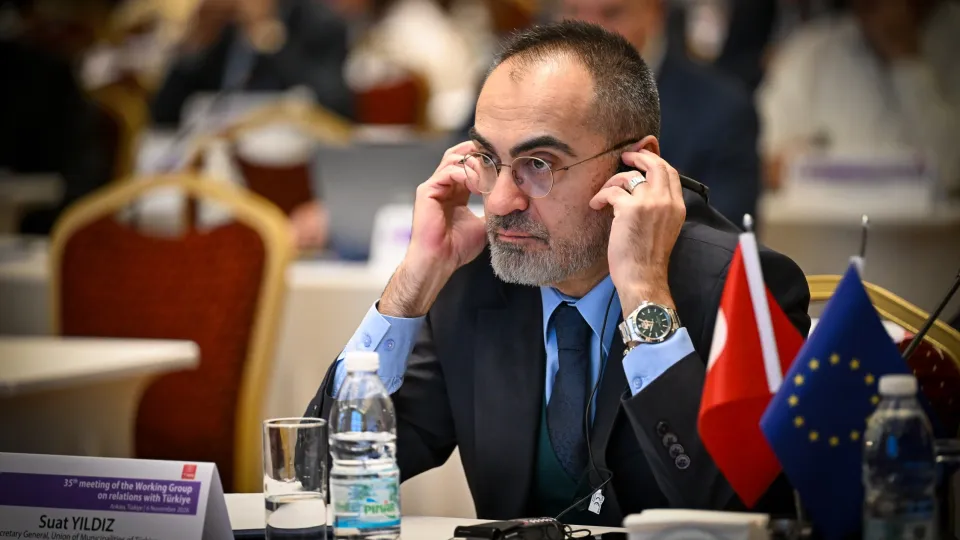
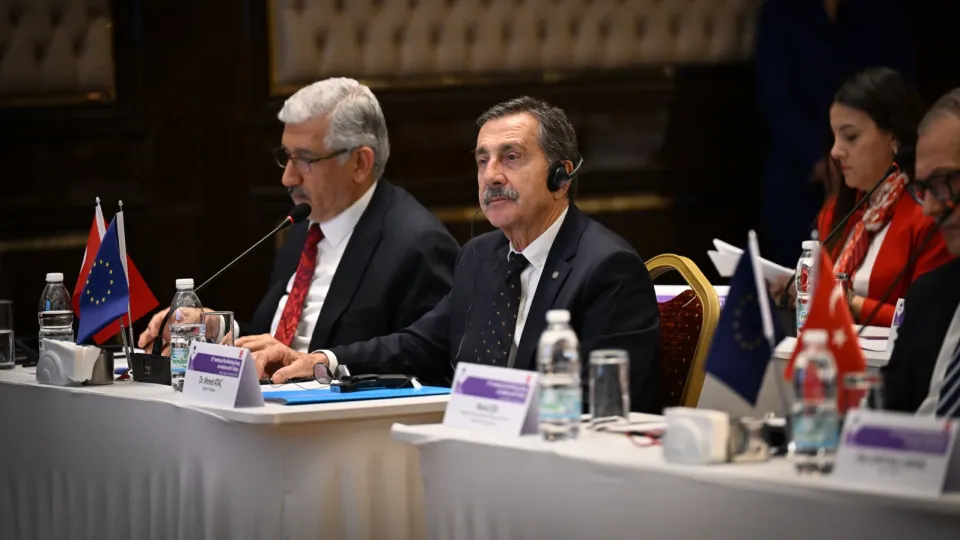
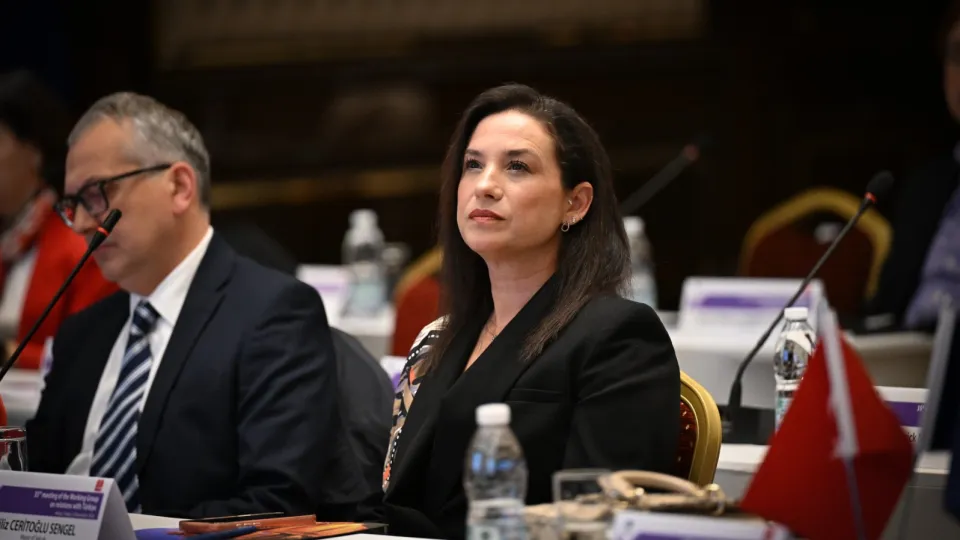
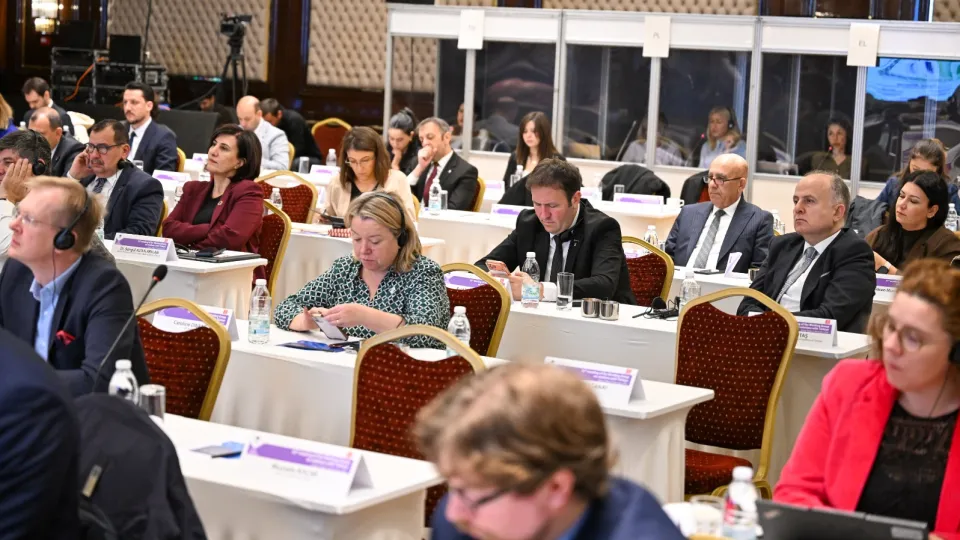
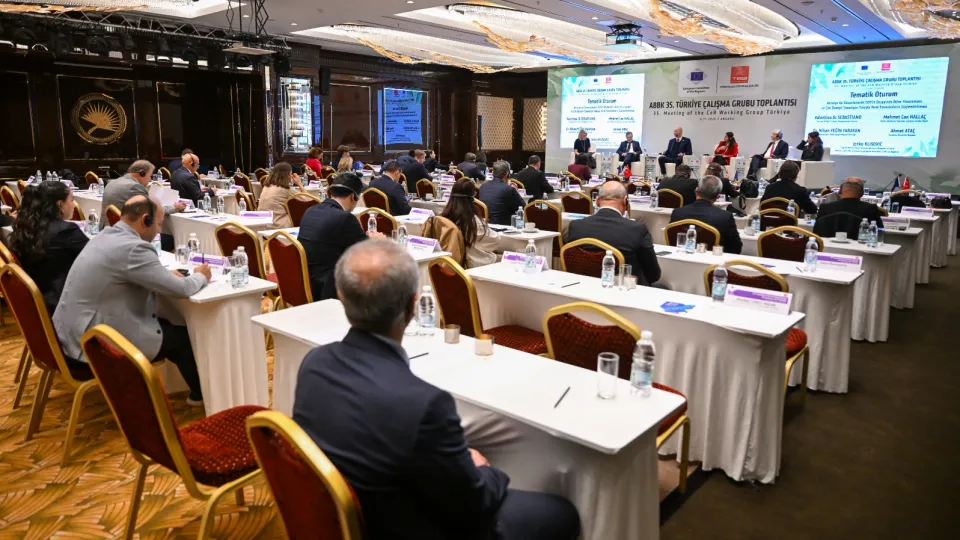
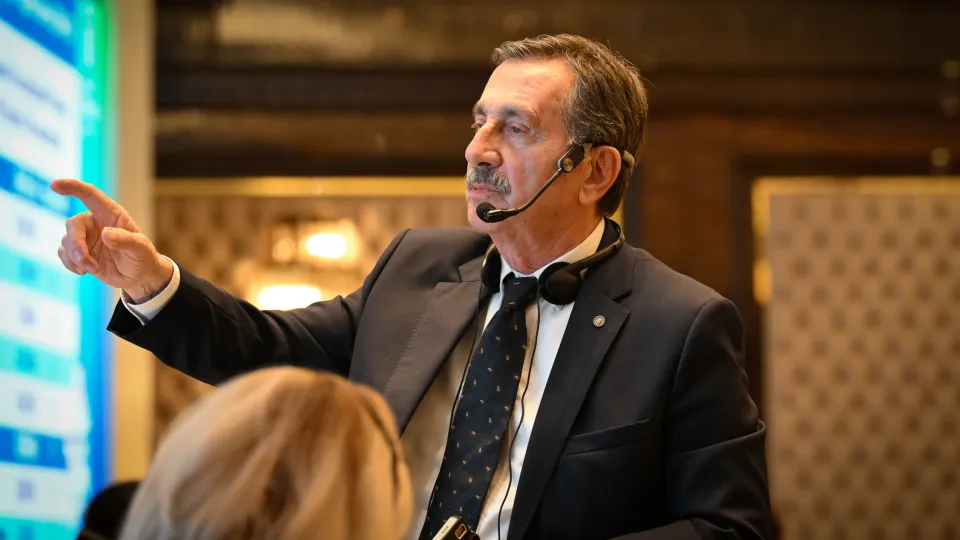
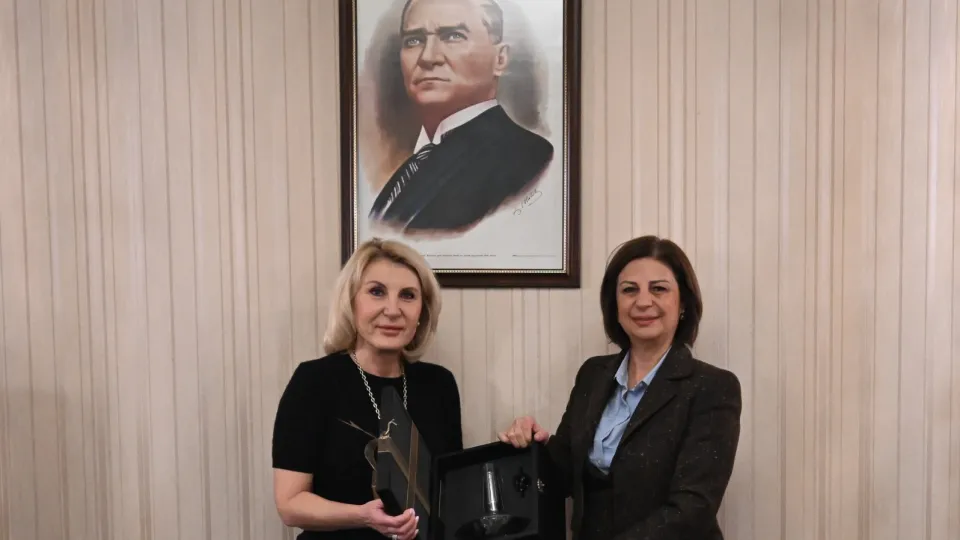
The 35th Türkiye Working Group (TWG) Meeting of the European Union Committee of the Regions (CoR) was held in Ankara. The meeting was attended by mayors, regional representatives, local government experts, and working group members from Türkiye and EU member states.
Hosted by UMT within the scope of cooperation with the EU Committee of the Regions, the meeting was held under the theme “Empowering Local Authorities through Climate Finance and Multilevel Governance Ahead of COP31.”
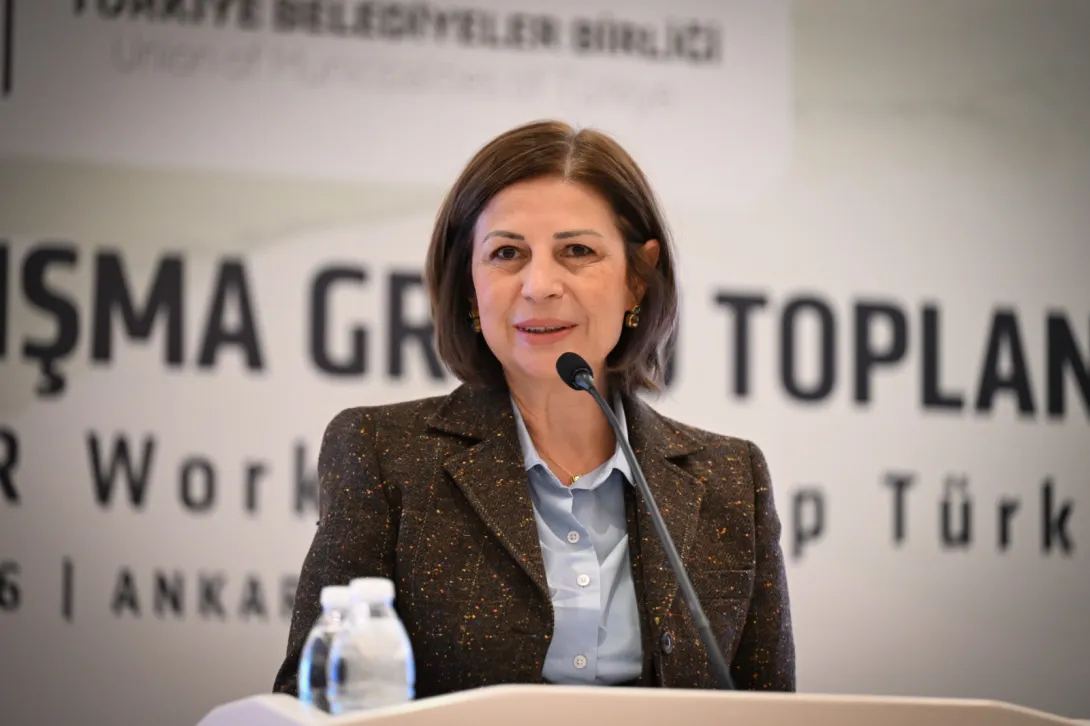
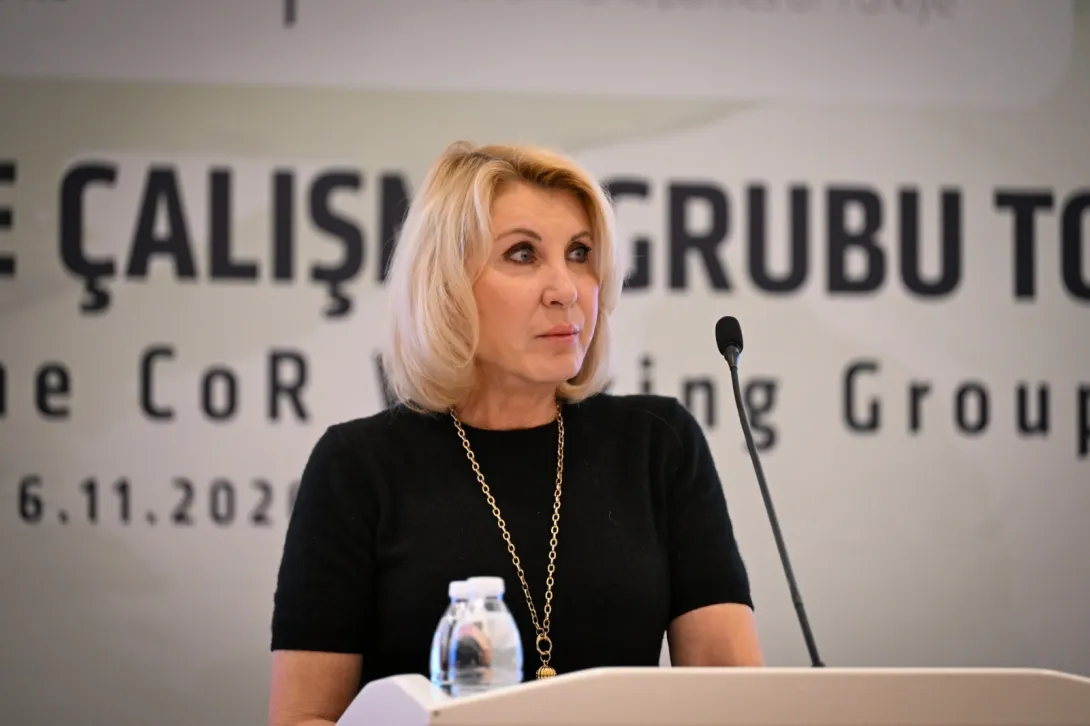
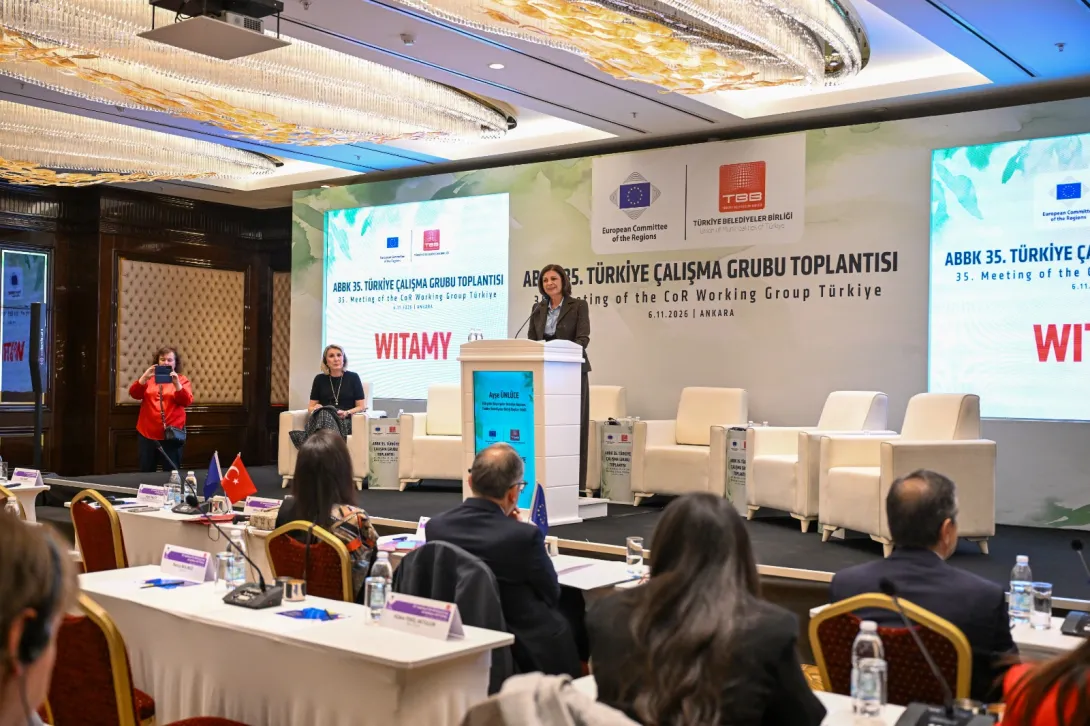
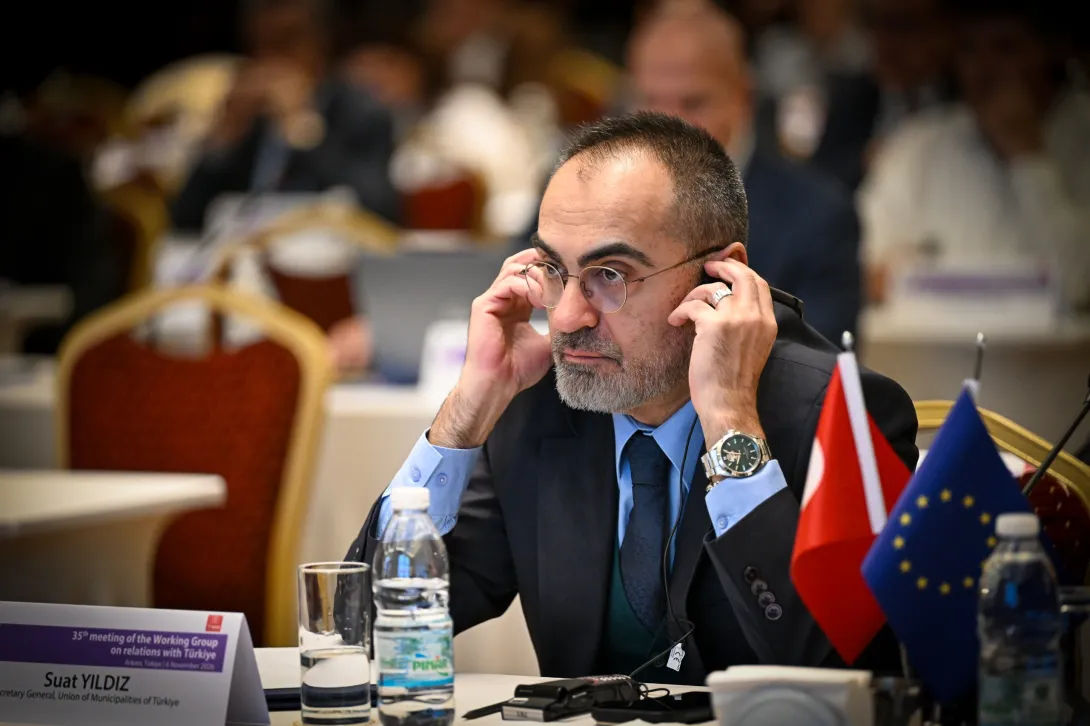
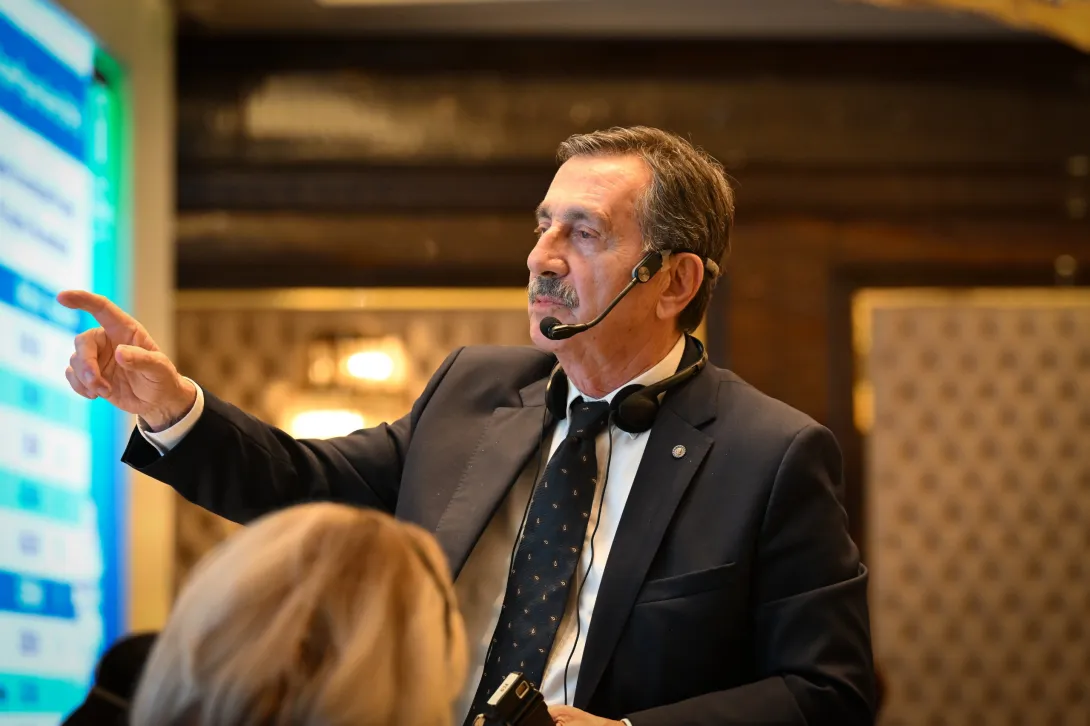
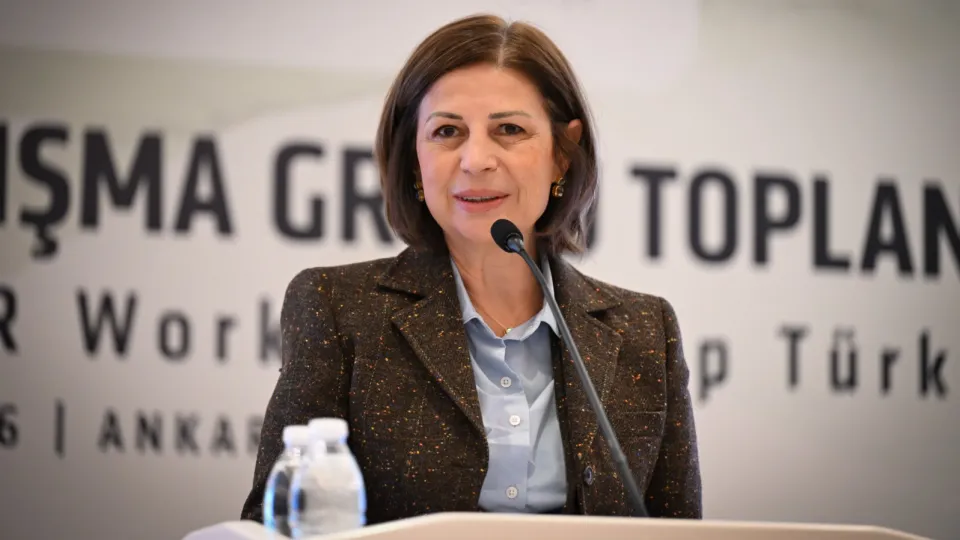
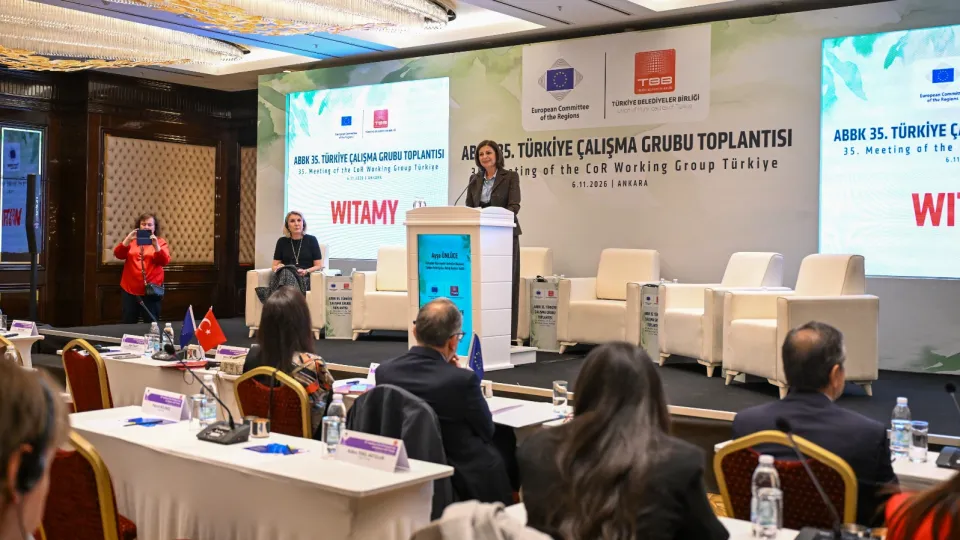
The opening speeches were delivered by Ayşe Ünlüce, Mayor of Eskişehir Metropolitan Municipality and Deputy President of UMT, and Jelena Drenjanin, Member of the Huddinge Municipal Council and Chair of TWG. Suat Yıldız, Secretary General of UMT, alongside Deputy Secretaries General Dr. Şengül Altan Arslan and Feridun Ulutaş, were also present at the program.
Ünlüce: “Türkiye Working Group is an important dialogue and cooperation platform”
Highlighting the importance of TWG in strengthening the local government dimension of relations between Türkiye and the EU, Ünlüce said, “Since 2006, TWG has allowed us to address common problems of our cities, share our experiences, and develop solutions together. As UMT, we attach great importance to the activities of the Working Group, whose secretariat we have been maintaining since 2016.”
Stating that local governments play an important role in Türkiye-EU relations, Ünlüce said, “These relations are further strengthened through joint projects developed by our municipalities, the partnerships they establish, and the solidarity formed between our cities. For this reason, we consider TWG meetings extremely valuable in terms of maintaining mutual dialogue and strengthening the role of local governments in the international arena.”
Stating that municipalities are struggling with the increasingly severe impacts of climate change alongside their traditional service responsibilities, Ünlüce said, “Climate change is no longer a prediction regarding the future; it is the most important reality we all face in our daily lives.”
Ünlüce also added, COP31 offers an important opportunity to address these responsibilities at the international level, Ünlüce emphasized that while more responsibility is expected from municipalities, the necessary means must also be provided for them to fulfill these duties.
Touching upon the Local Governments Position Paper that UMT is working on as part of COP31 preparations, Ünlüce stated that the document aims to present the problems, needs, and solution proposals faced by municipalities within a common framework.
Expressing that they aim not to create a jurisdictional conflict between central and local governments, but to strengthen cooperation, Ünlüce said, “We believe that lasting success can only be achieved by reflecting the experiences and needs of local governments in decision processes.”
Drenjanin: “Our goal is to strengthen democratic resilience in Türkiye’s relations with the EU”
Drenjanin congratulated UMT Deputy President and Eskişehir Metropolitan Municipality Mayor Ayşe Ünlüce on her election to office. Touching upon the current state of local democracy in Türkiye and developments regarding mayors, Drenjanin conveyed the CoR’s approach toward strengthening local democracy, ensuring the rule of law, and protecting democratic principles.
Speaking of the joint work carried out with the European Parliament and the Congress of Local and Regional Authorities of the Council of Europe, Drenjanin said, "As always, our working group remains committed to continuing its work in this regard, and to maintaining contact and dialogue with our counterparts in Türkiye, the Turkish Government, and our partners. Our goal is to strengthen democratic resilience in Türkiye's relations with the EU—one of its most important achievements—and to contribute to reinforcing this relationship from the ground up, starting from the local level."
Current developments in Türkiye-EU relations were discussed
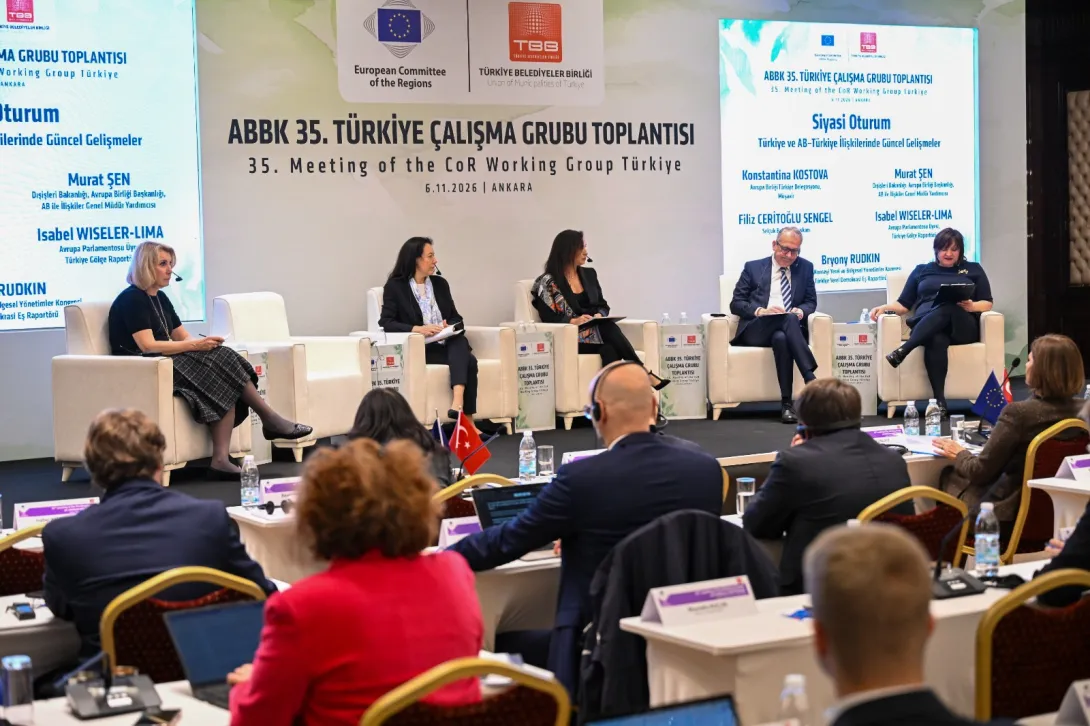
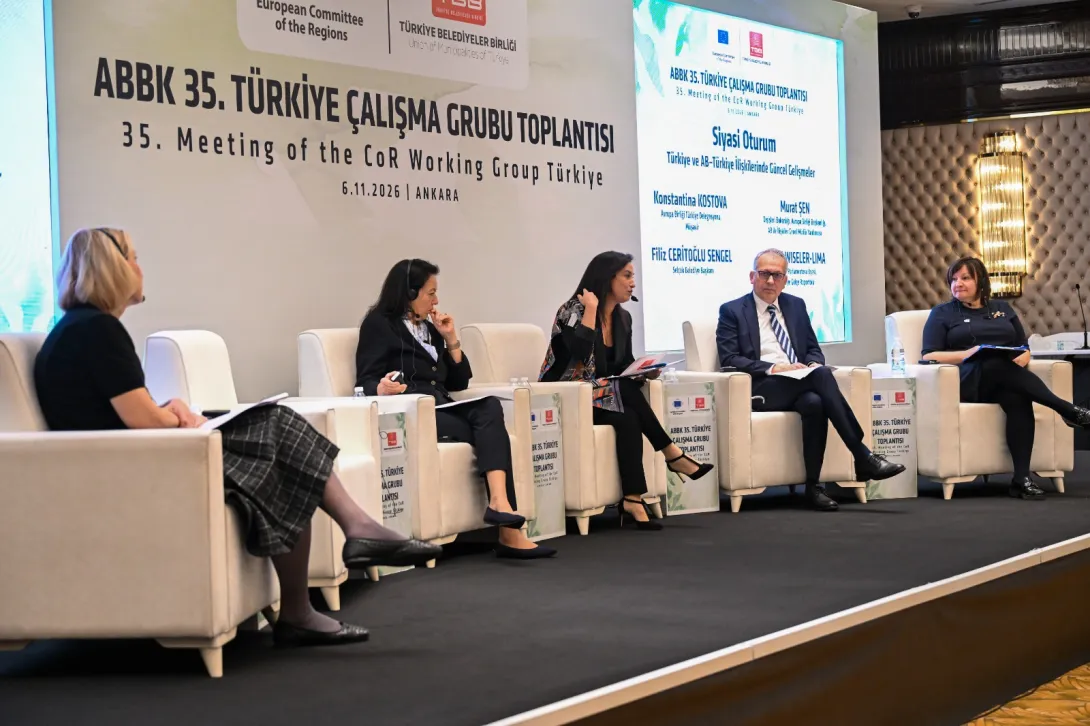
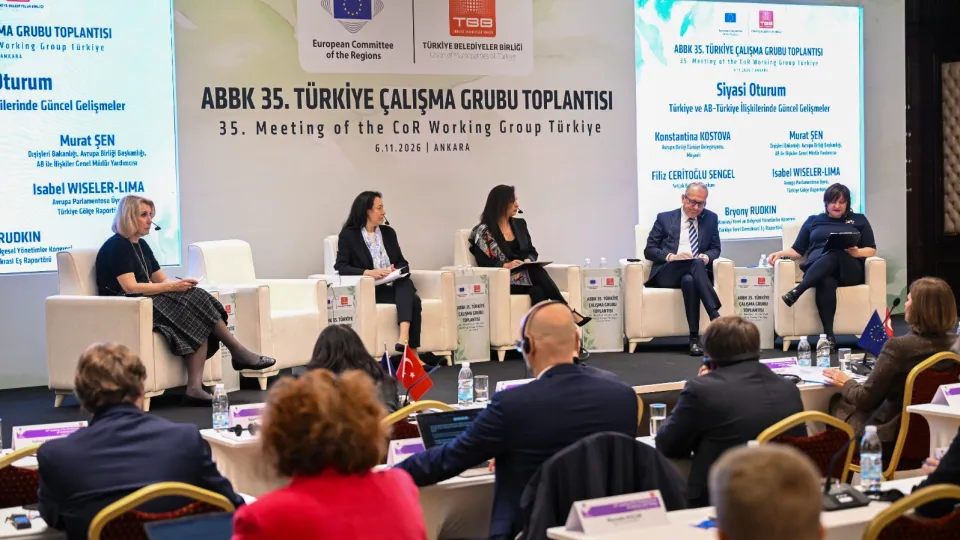
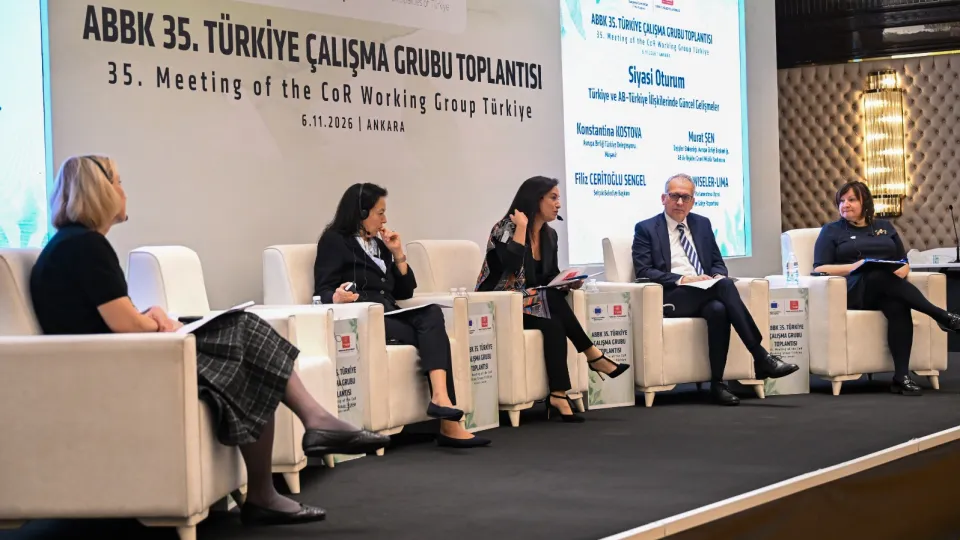
Following the opening session, the meeting continued with a political session titled “Current Developments in Türkiye and EU–Türkiye Relations.”
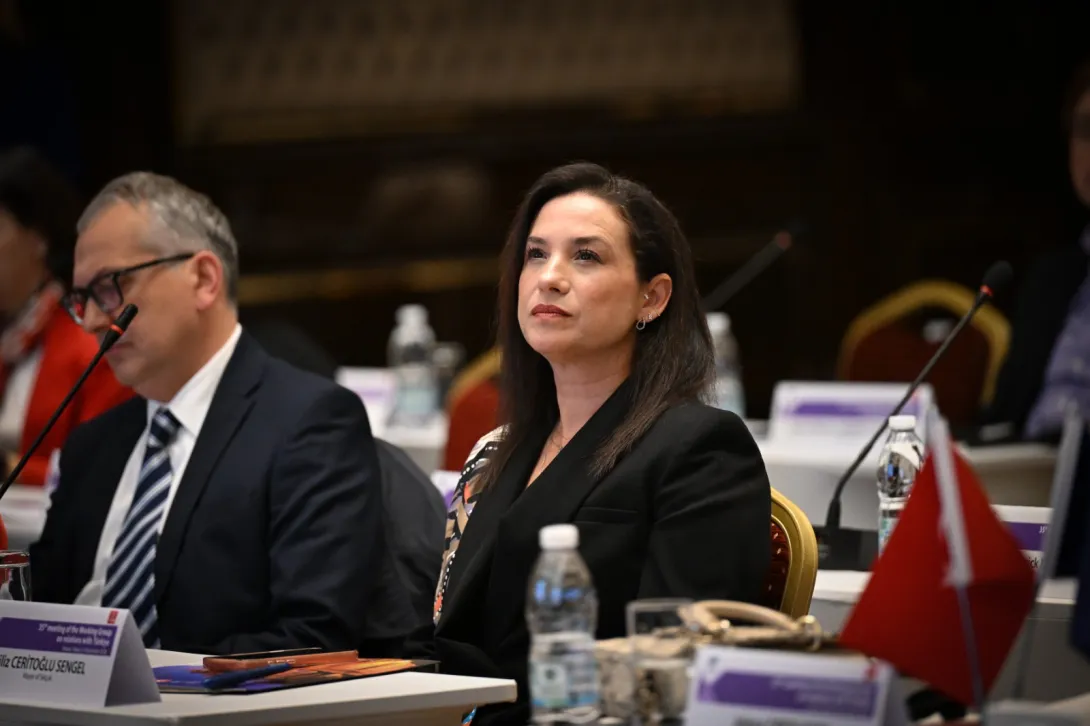
The session, which addressed the current course of relations between Türkiye and the European Union alongside political developments in Türkiye, featured evaluations from Konstantina Kostova, Counselor of the EU Delegation to Türkiye; Murat Şen, Deputy Director General for EU Relations at the Ministry of Foreign Affairs Directorate for EU Affairs; Filiz Ceritoğlu Sengel, Mayor of Selçuk; Isabel Wiseler-Lima, Member of the European Parliament and Shadow Rapporteur for Türkiye; and Bryony Rudkin, Co-Rapporteur on Local Democracy in Türkiye for the Congress of Local and Regional Authorities of the Council of Europe.
Importance of local democracy was emphasized
Konstantina Kostova, Counselor of the EU Delegation to Türkiye, touched upon the importance of local democracy in relations between Türkiye and the EU, drawing attention to the collaborations carried out with municipalities. Stating that EU projects are being implemented in different municipalities in Türkiye, Kostova stated that the Türkiye Report also included developments in various fields such as trade, research and innovation, transport connections, and climate.
Call for development of dialogue and cooperation
Murat Şen, Deputy Director General for EU Relations at the Ministry of Foreign Affairs Directorate for EU Affairs, stated that the CoR is an important platform supporting the participation of local and regional authorities in EU decision-making processes. Drawing attention to the role played by local governments in solving common problems such as the climate crisis, migration, and digital transformation, Şen stated that TWG forms an important ground for dialogue and cooperation by bringing together local government representatives from both sides.
Importance of inter-municipal cooperation was explained
Filiz Ceritoğlu Sengel, Mayor of Selçuk, stated that Türkiye-EU relations should be evaluated not only through diplomatic and economic developments, but also in terms of their reflections on the daily lives of citizens. Stating that municipalities carry out joint work with their European counterparts and non-governmental organizations in areas such as environment, culture, social policies, and disaster preparedness, Sengel noted that these collaborations strengthen the capacity of local governments and solidarity between societies.
Attention was drawn to democracy and the rule of law
Isabel Wiseler-Lima, Member of the European Parliament and Shadow Rapporteur for Türkiye, stated that relations between Türkiye and the EU should be developed not only within common interests, but also within the framework of common values such as democracy, fundamental rights, and the rule of law. Expressing that Türkiye continues to be an important partner for the European Union, Wiseler-Lima said that the evaluations in the European Commission's annual enlargement report should be handled as a critical perspective aimed at developing relations.
Emphasis on elected representatives being able to perform their duties
Bryony Rudkin, Co-Rapporteur on Local Democracy in Türkiye for the Congress of Local and Regional Authorities of the Council of Europe, drew attention to the importance of municipalities continuing essential services despite recent developments, saying, “It is one of the fundamental elements of democratic life that citizens can receive the services they need in their living environment through representatives they themselves have elected.”
The role of local governments in climate policies was discussed ahead of COP31
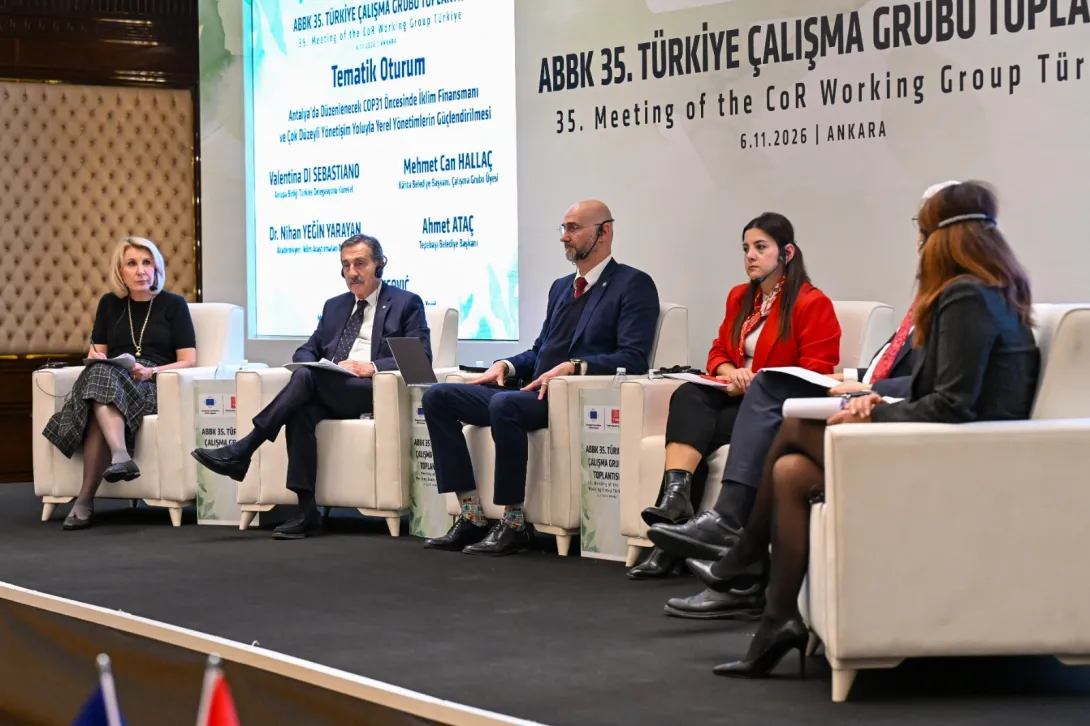
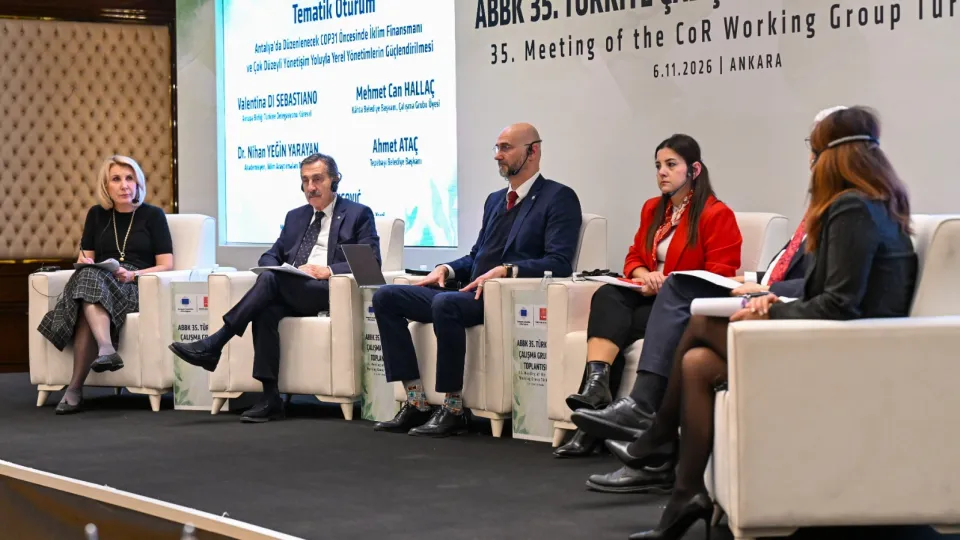
Following the first session, a thematic session titled “Empowering Local Authorities through Climate Finance and Multilevel Governance Ahead of COP31,” to be organized in Antalya, was held.
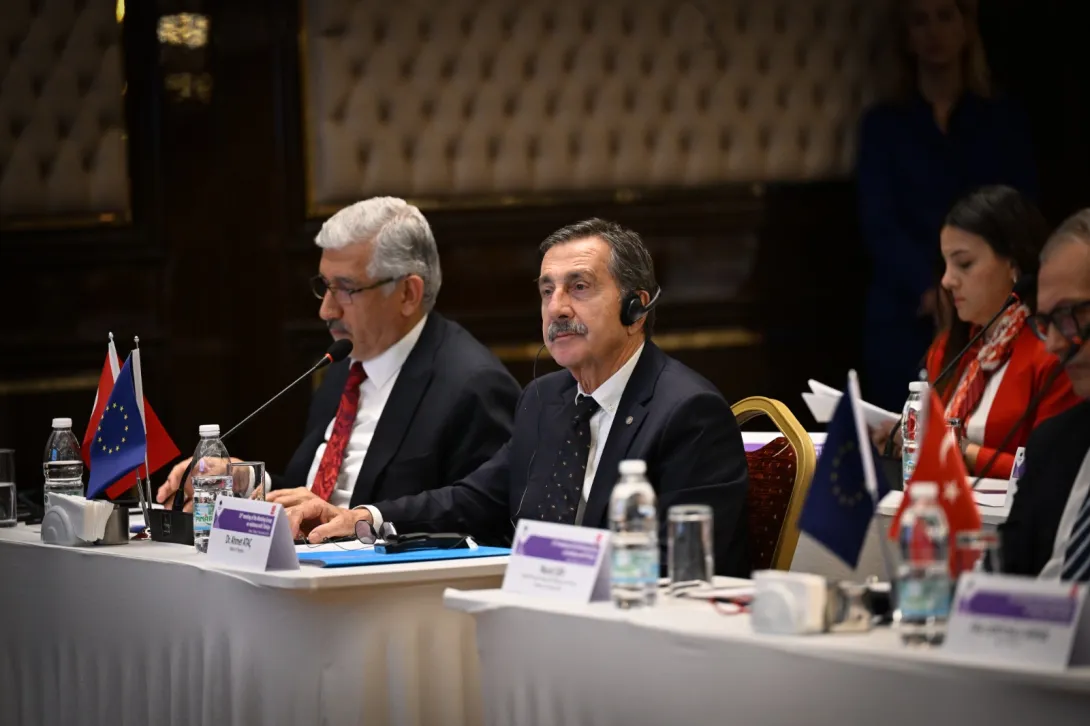
The session was attended by Valentina Di Sebastiano, Head of the Global Connectivity, Inclusive Growth and Green Transition Section at the EU Delegation to Türkiye; Mehmet Can Hallaç, Mayor of Kahta; Dr. Nihan Yeğin Yarayan, Academician and representative of the Climate Research Association; Ahmet Ataç, Mayor of Tepebaşı; and Joško Klisović, Member of the Assembly of the City of Zagreb and Co-President of the Euro-Mediterranean Regional and Local Assembly (ARLEM).
Emphasis on converting climate targets into concrete results
Valentina Di Sebastiano, Head of the Global Connectivity, Inclusive Growth and Green Transition Section at the EU Delegation to Türkiye, stated that municipalities play an important role in climate transformation, but strong partnerships are needed to realize the targets.
Mehmet Can Hallaç, Mayor of Kahta and Working Group Member, drew attention to the importance of jointly evaluating the needs and solution proposals of local governments ahead of COP31 to be held in Antalya.
Ahmet Ataç, Mayor of Tepebaşı, explained the work the municipality has implemented over the last 15 years in combating climate change and sustainable urbanization.
Academician and representative of the Climate Research Association Dr. Nihan Yeğin Yarayan stated that the success of climate targets depends on developing applicable solutions on a local scale.
Emphasis on local government participation and financing in the COP31 process
Joško Klisović, Member of the Assembly of the City of Zagreb and Co-President of the Euro-Mediterranean Regional and Local Assembly (ARLEM), emphasized that local governments are the field implementers of climate policies, stating, “If targets are desired to be implemented in real life, the views of local governments must also be reflected in decision processes.”