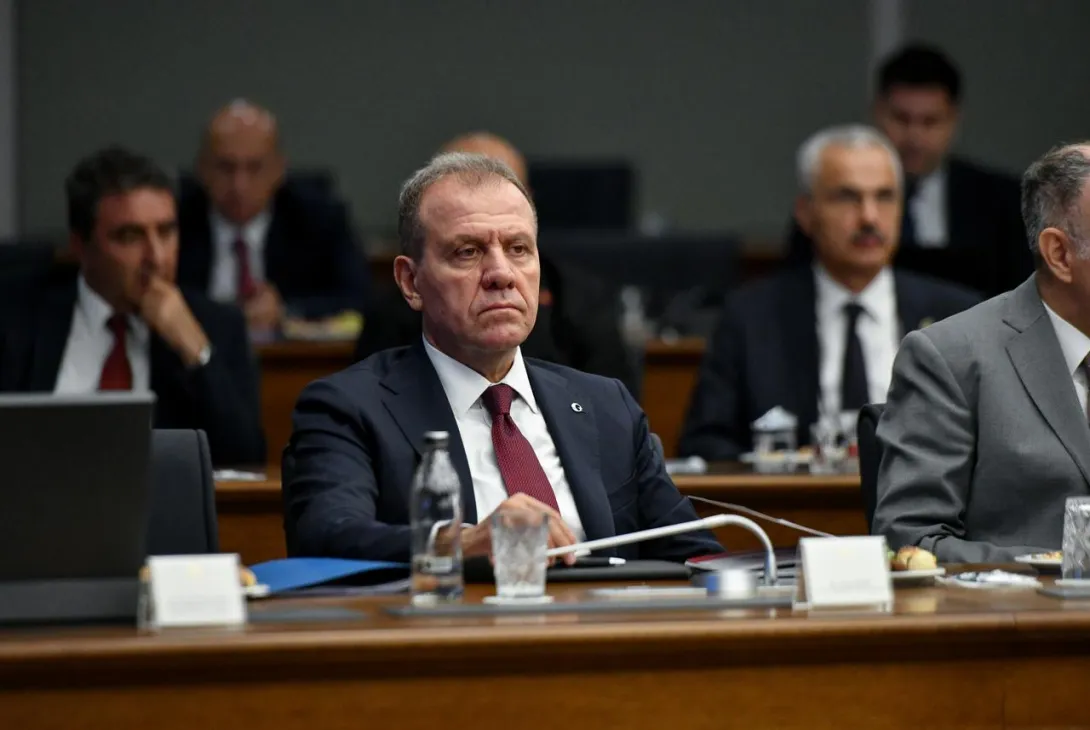
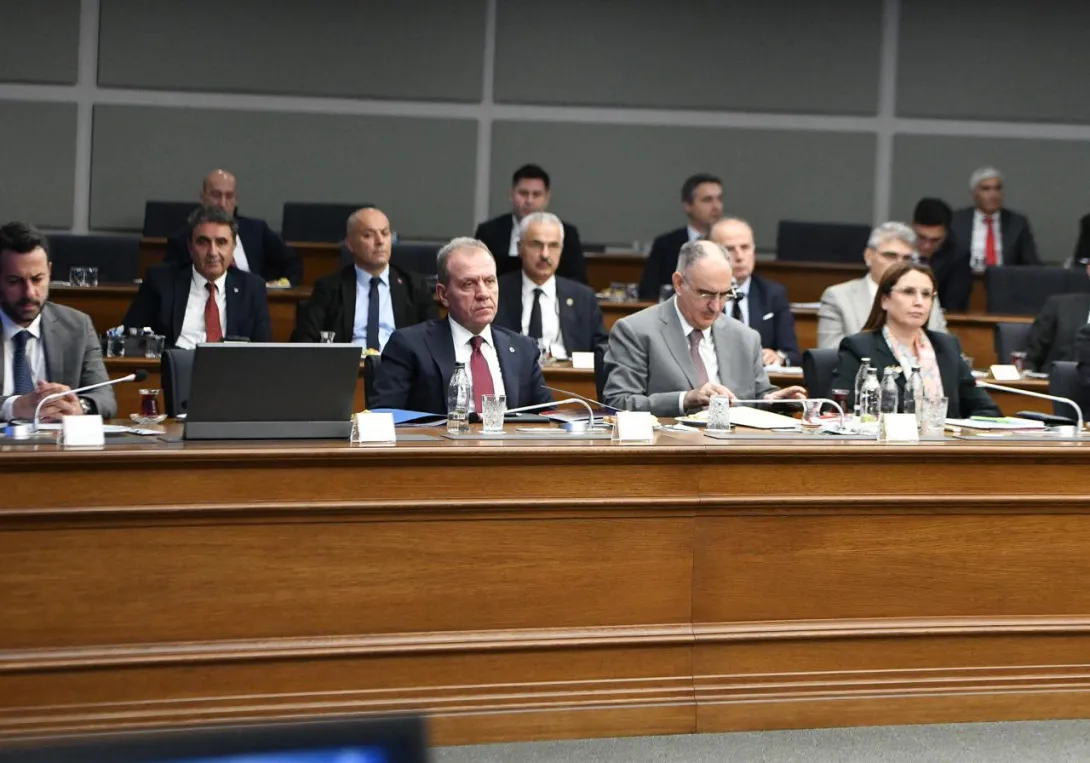
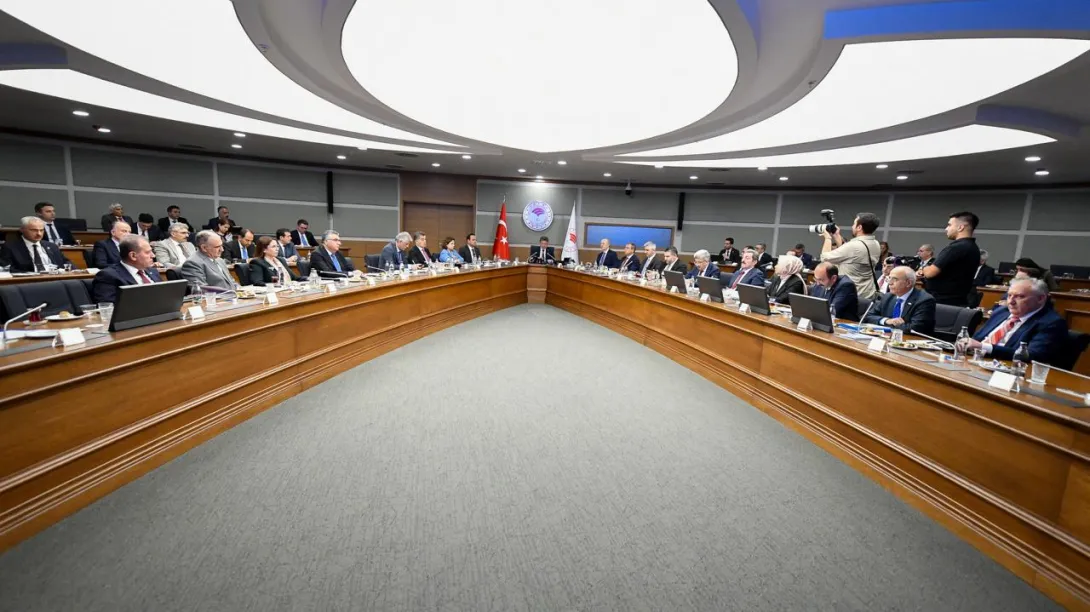
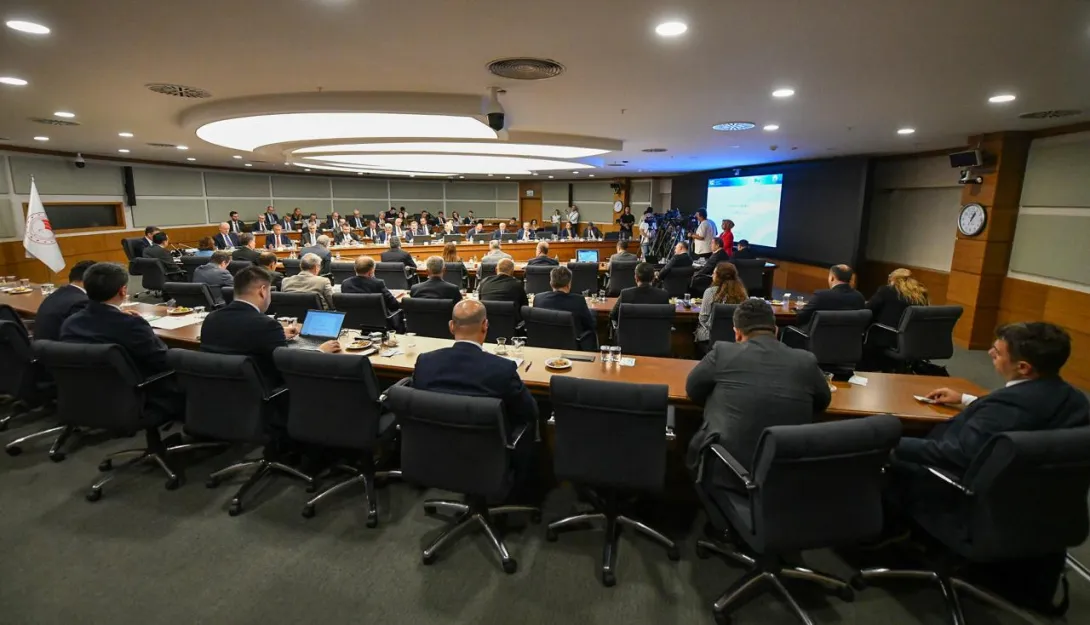
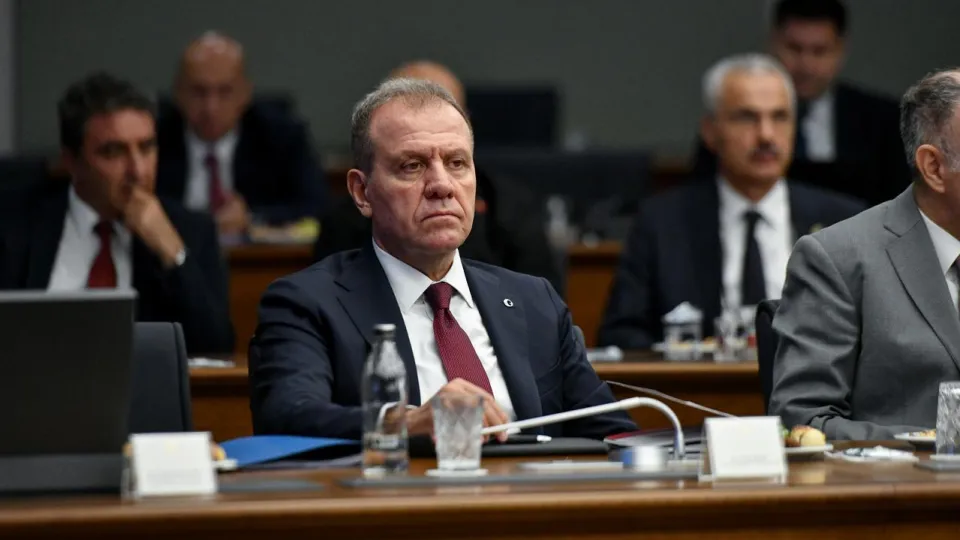
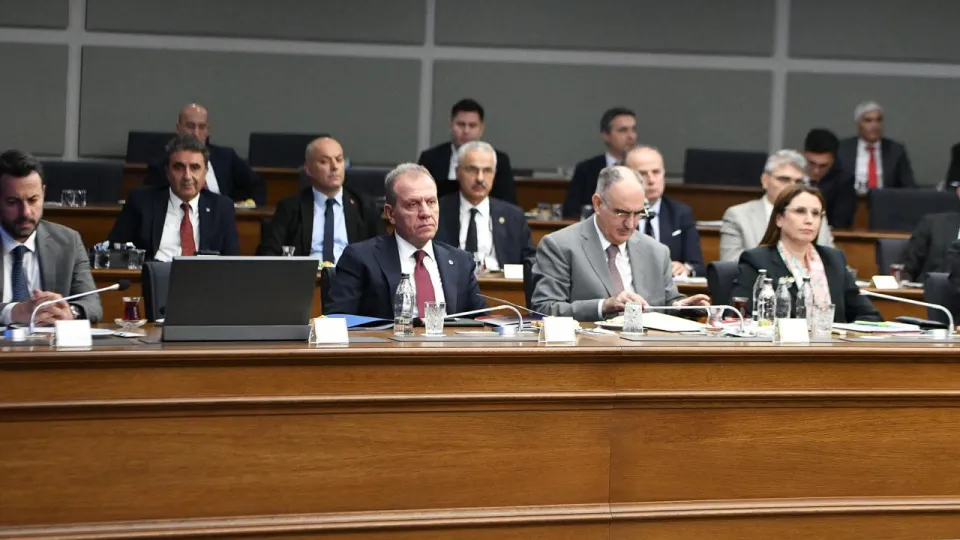

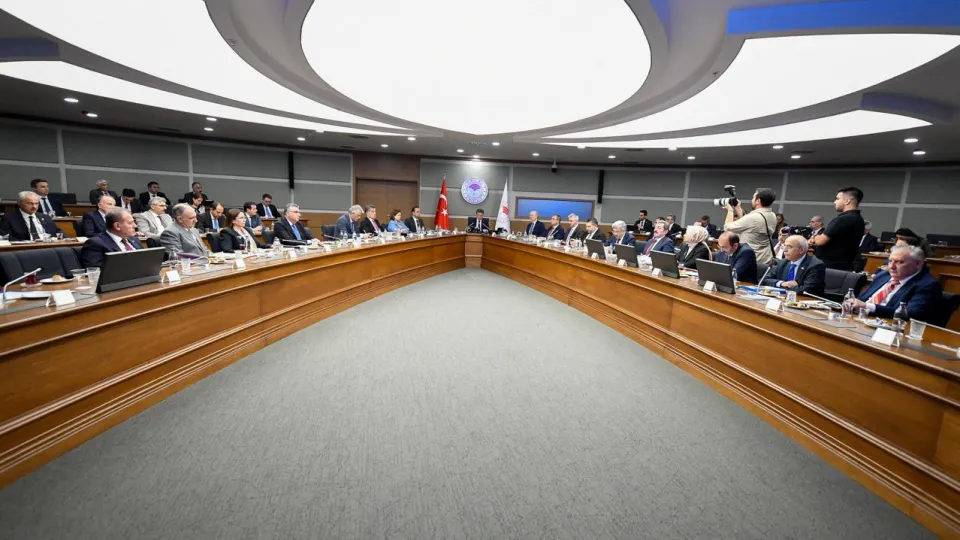
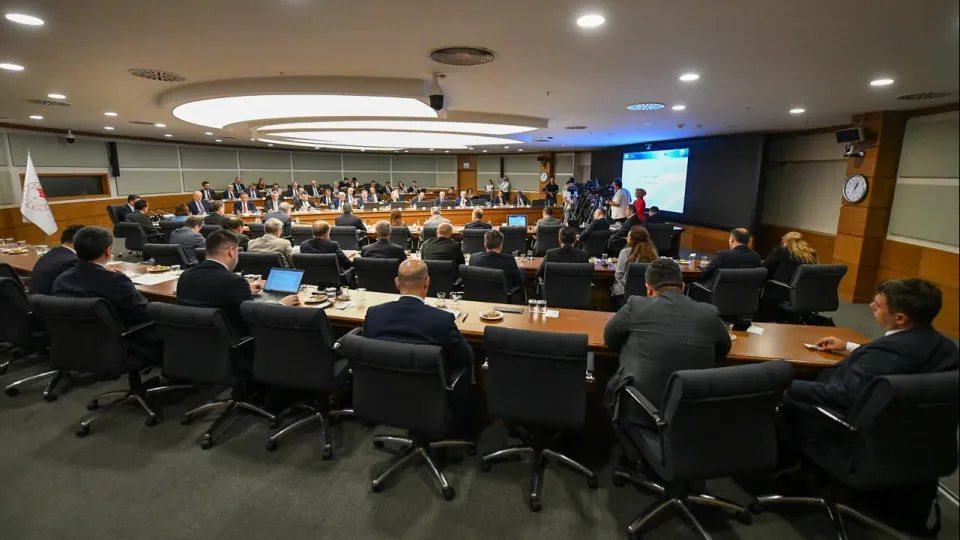
The 4th meeting of the National Water Council, of which the Union of Municipalities of Turkiye (UMT) is also a member, was held under the chairmanship of Minister of Agriculture and Forestry İbrahim Yumaklı. Representing UMT, Deputy President of the Union and Mayor of Mersin Metropolitan Municipality, Vahap Seçer, attended the meeting held in Ankara.
The fourth session of the National Water Council took place at the General Directorate of State Hydraulic Works (DSİ). The meeting addressed issues such as the impacts of climate change on water resources, drinking water safety, flood management, and the protection of lakes.
Chaired by Minister Yumaklı, the meeting was attended by UMT Deputy President and Mersin Metropolitan Mayor Vahap Seçer, accompanied by Deputy Secretary General of the Union, Feridun Ulutaş. Representatives from other public institutions and organizations were also present.
Impacts of Climate Change and the State of Water Resources
Minister Yumaklı emphasized that water management, food security, and the protection of the “green homeland” have now become matters of national security. He highlighted a significant increase in the severity and frequency of meteorological disasters in recent years due to the effects of climate change.
Yumaklı noted that precipitation during the 10-month “water year” across Türkiye has been at its lowest level in the past 52 years, with some regions experiencing drought. He added that Türkiye is among the countries most affected by climate change, warning that water resources could decrease by 25% by 2100 and average temperatures could rise by 4 to 6 degrees Celsius.
Measures for Water Resources
Yumaklı outlined the efforts underway to protect water resources as follows:
• Preparation and implementation of action plans for lakes (Eğirdir, Akşehir, Eber, Bafa, Beyşehir, Burdur, İznik, Seyfe, and Sapanca),
• Issuance of the Water Efficiency Regulation; acceleration of investments to reduce potable water losses and leakages,
• Expansion of modern and closed irrigation systems,
• Efforts to treat wastewater for reuse in agriculture and other sectors,
• Completion of the 2025–2035 National Water Plan; 752 opinions from 192 institutions and organizations were evaluated, resulting in 8 goals, 31 strategies, and 141 actions.
Six Decisions from the National Water Council
At the end of the meeting, Minister Yumaklı announced six decisions adopted unanimously by the National Water Council:
1. Implementation of actions within the Water Efficiency Strategy Document and Action Plan, promotion of climate-friendly cities through reuse of treated wastewater, reduction of water losses, expansion of practices such as rainwater harvesting and greywater reuse, and raising public awareness about drought risks,
2. Integration of efforts to ensure drinking water safety “from source to tap”; preparation of a report under Provincial Water Councils outlining the current situation, problems, and proposed solutions for improving drinking water management in rural areas, to be submitted to the National Water Council,
3. Prioritization of investments for the protection of water in basins; construction and development of wastewater treatment plants in Çankırı, Çorum, and Yozgat to preserve the Kızılırmak Delta ecosystem,
4. Approval of the National Water Plan,
5. Approval of flood management plans for the Susurluk and Yeşilırmak basins,
6. Establishment of a subcommittee to evaluate challenges and propose administrative, technical, and legal solutions for the reuse of treated wastewater in agriculture.