
UMT ORGANIZES WORKSHOP FOR JOINT STRUCTURE IN MUNICIPALITY DISASTER UNITS
UMT PREPARES A COMMON MODEL FOR DISASTER MANAGEMENT FOR MUNICIPALITIES
ULUTAŞ: “DISASTER UNITS OPERATE UNDER 53 DIFFERENT NAMES IN 30 METROPOLITAN CITIES”
Ankara
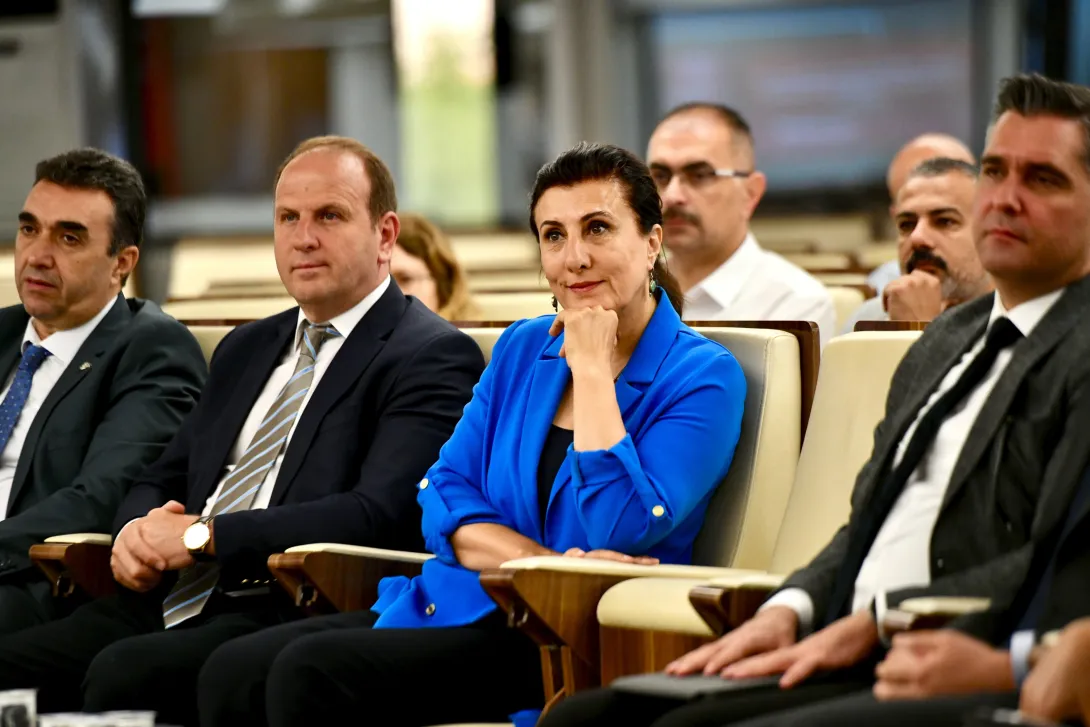
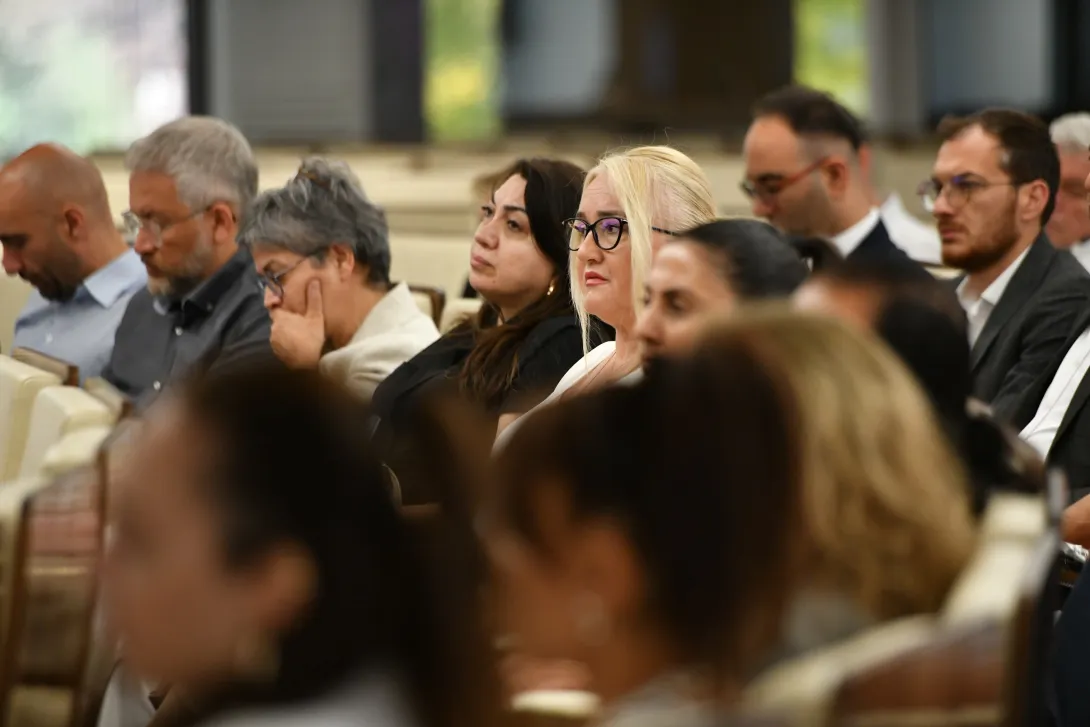
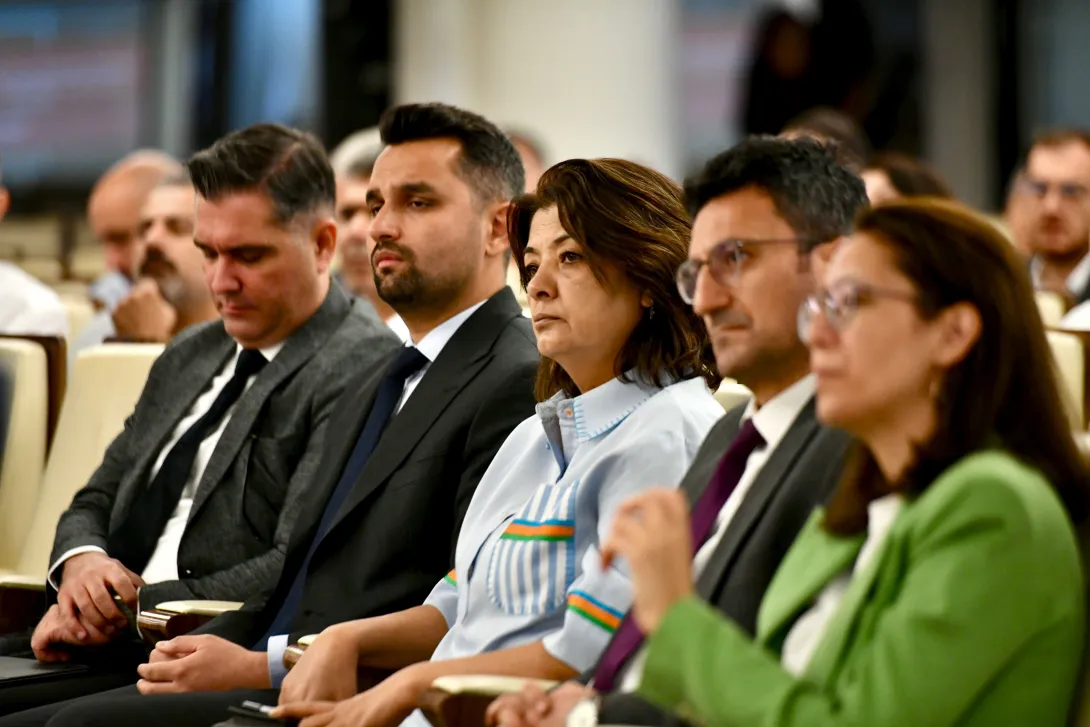
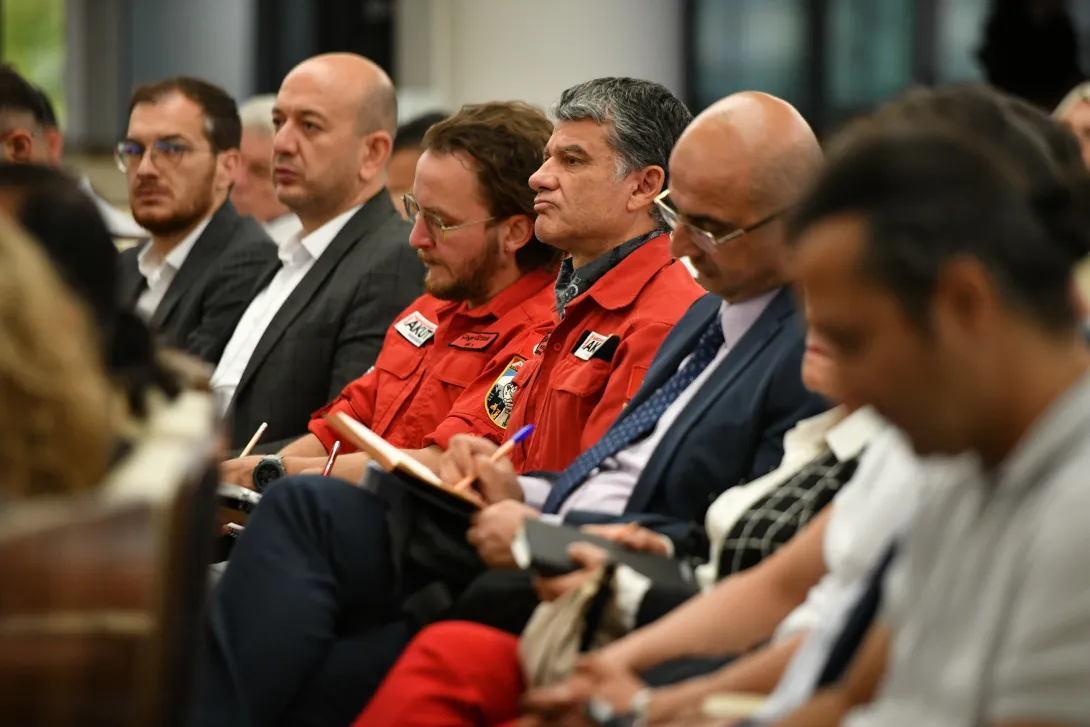
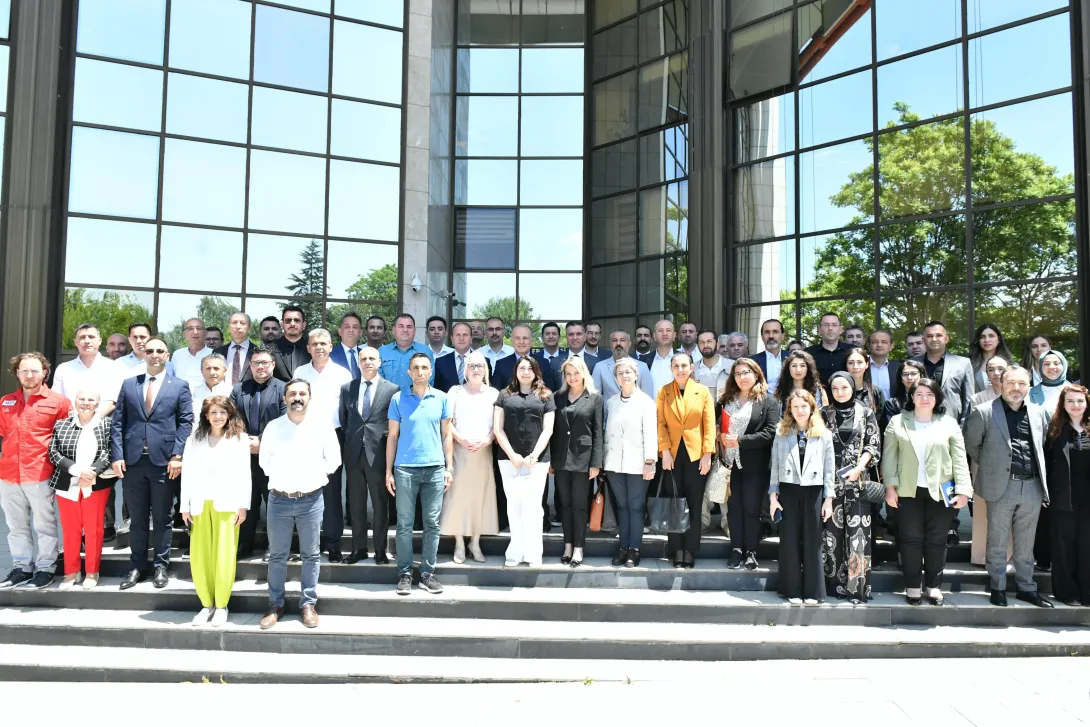
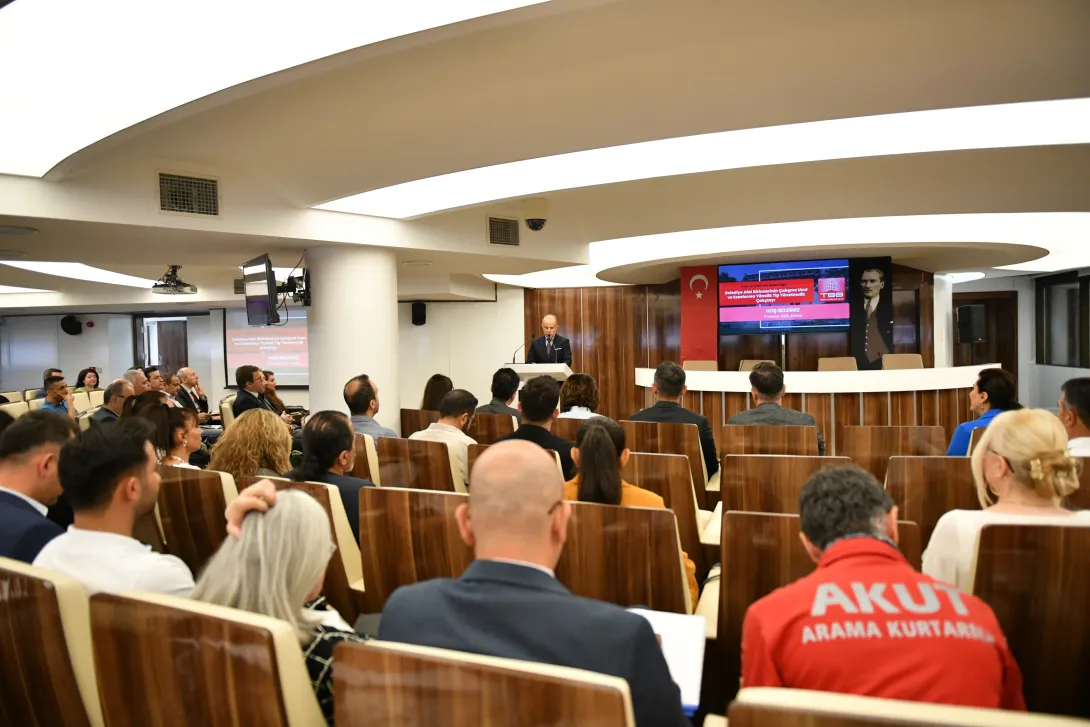
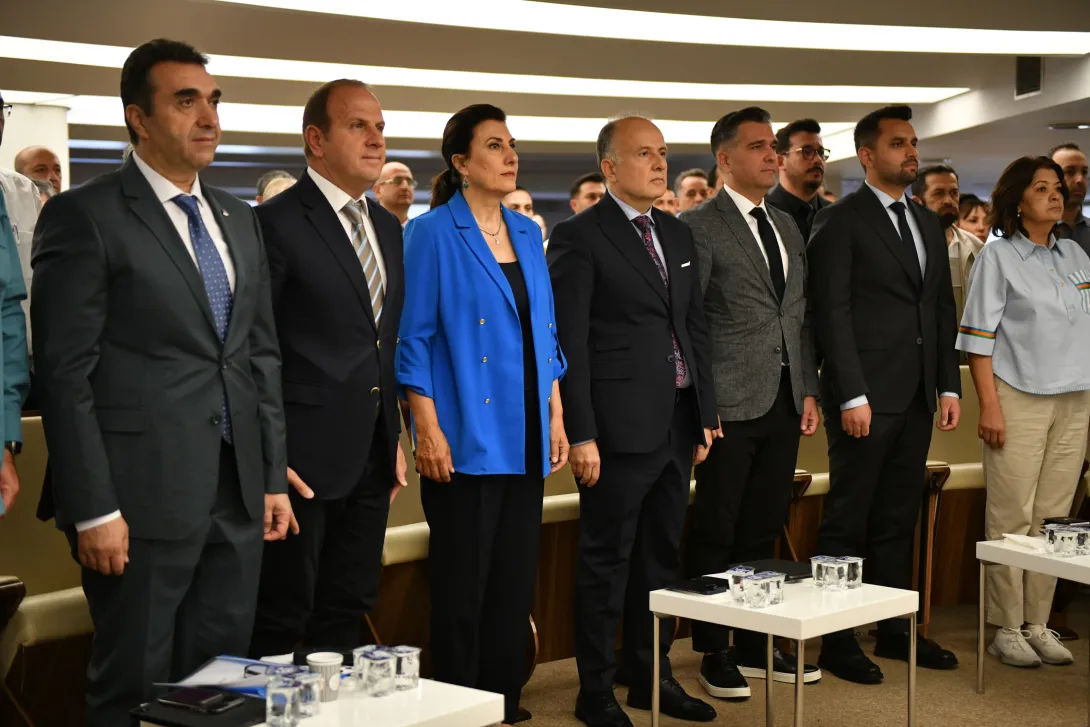
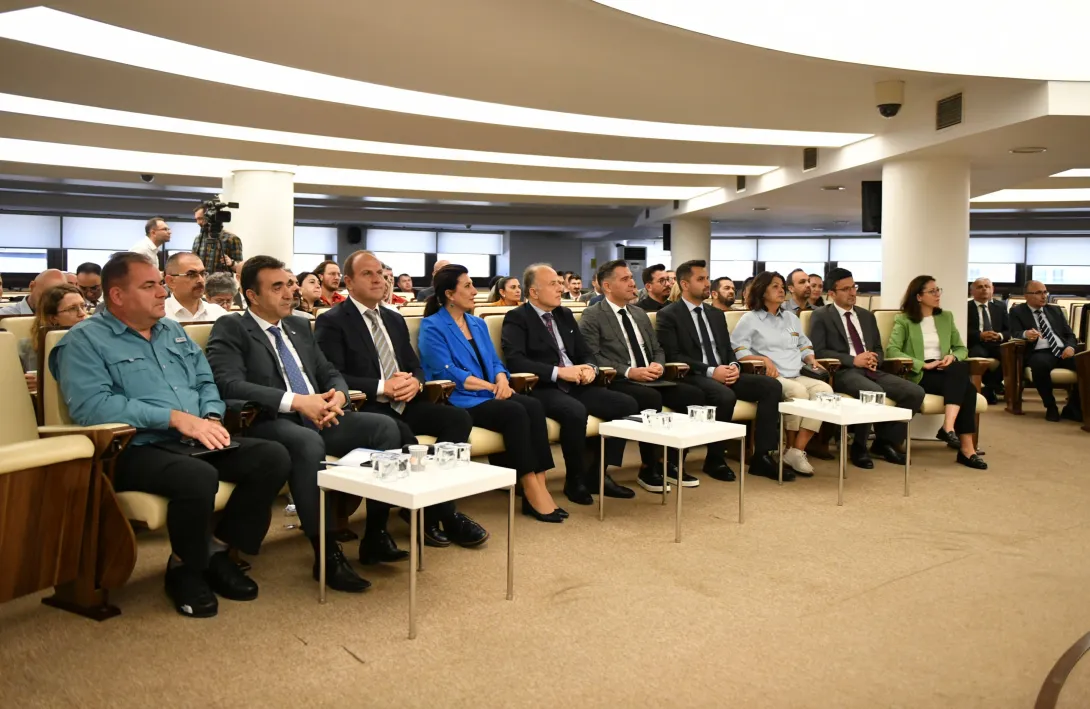
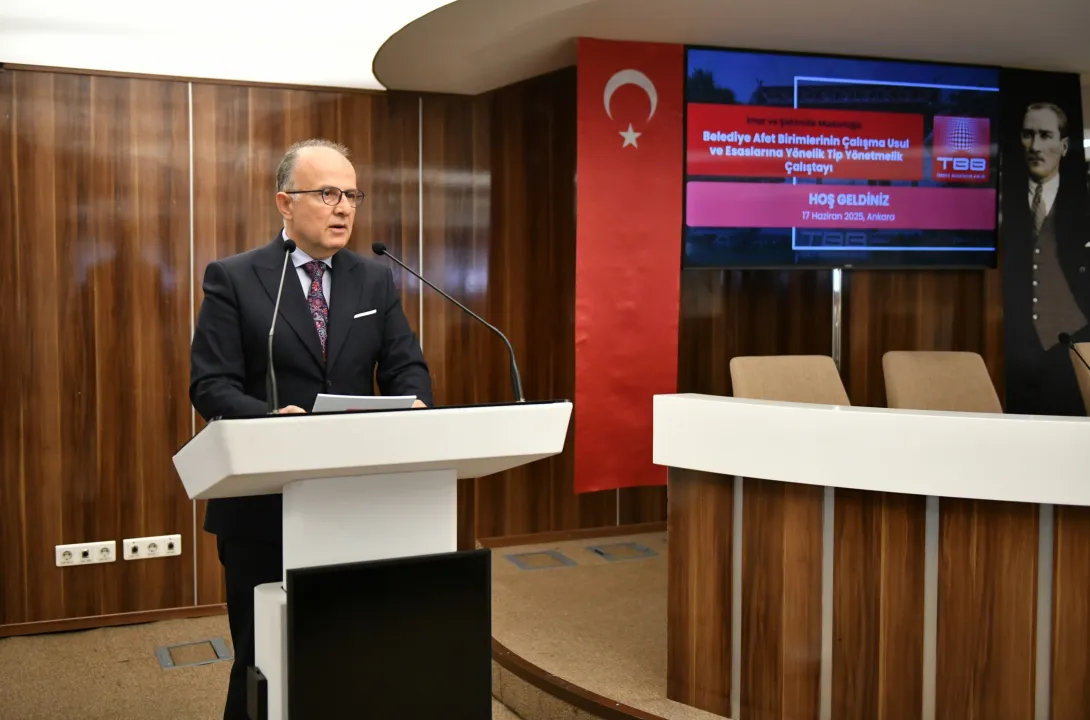
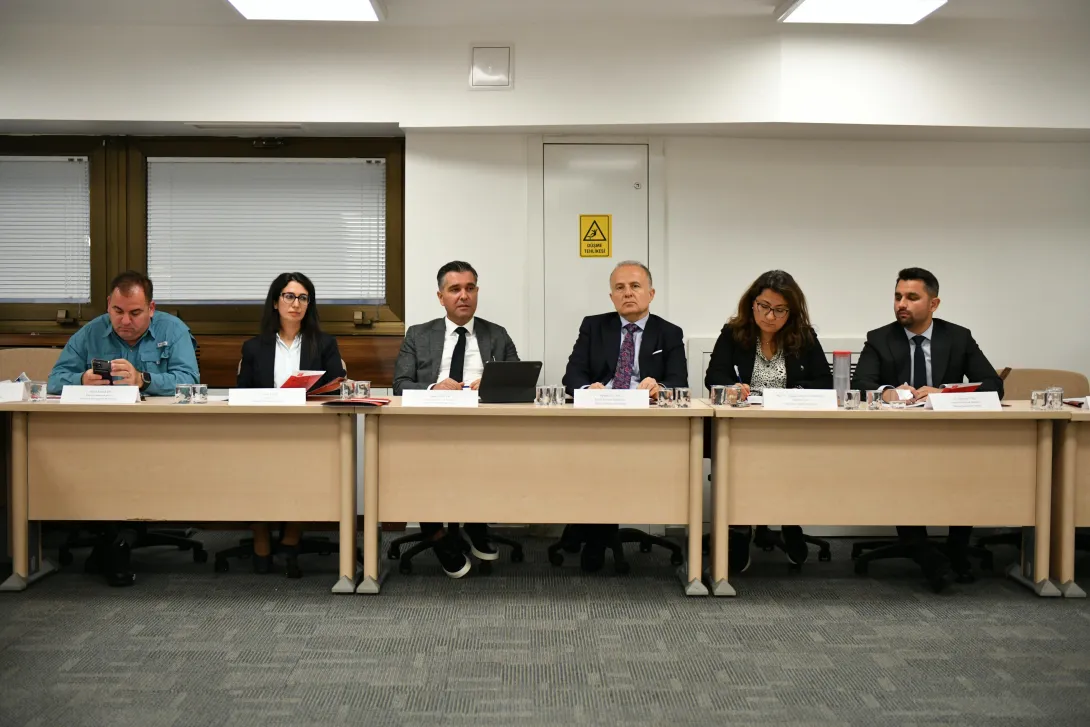
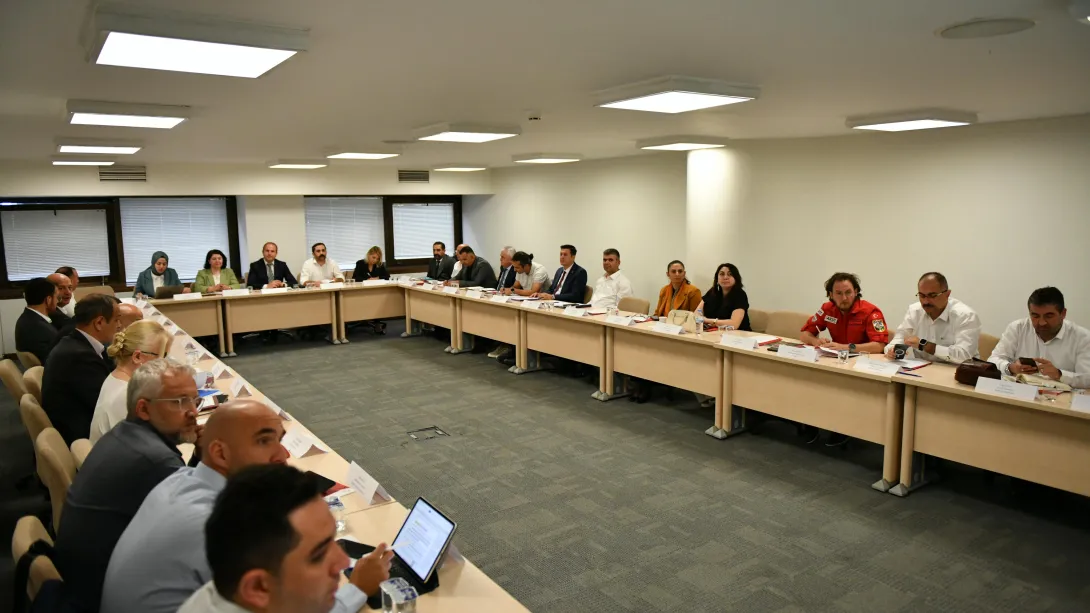
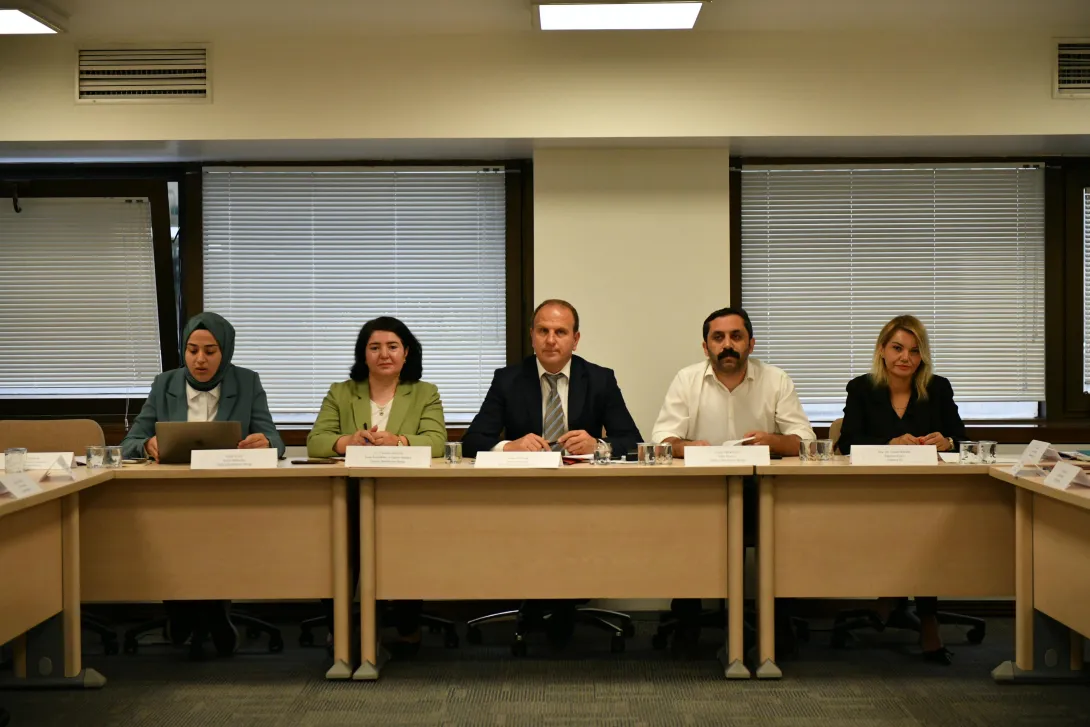
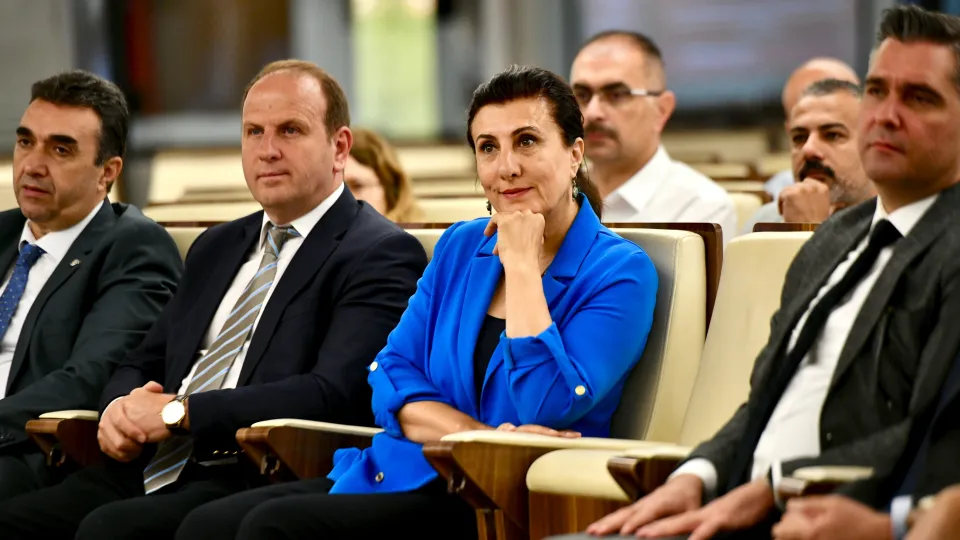
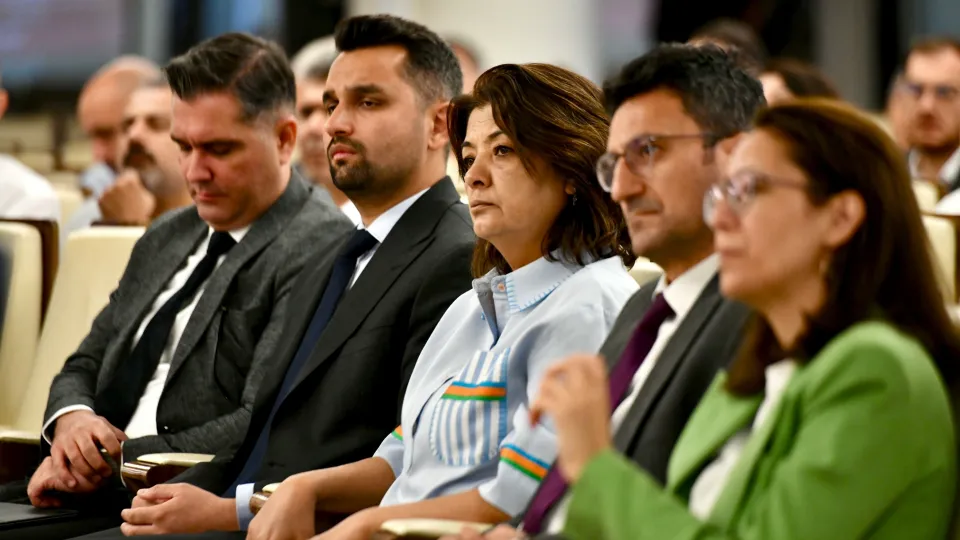
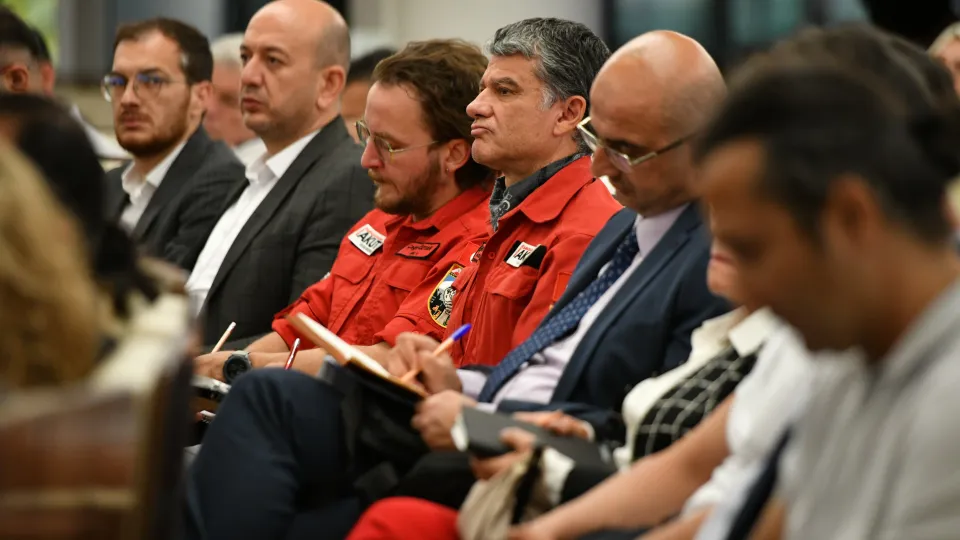
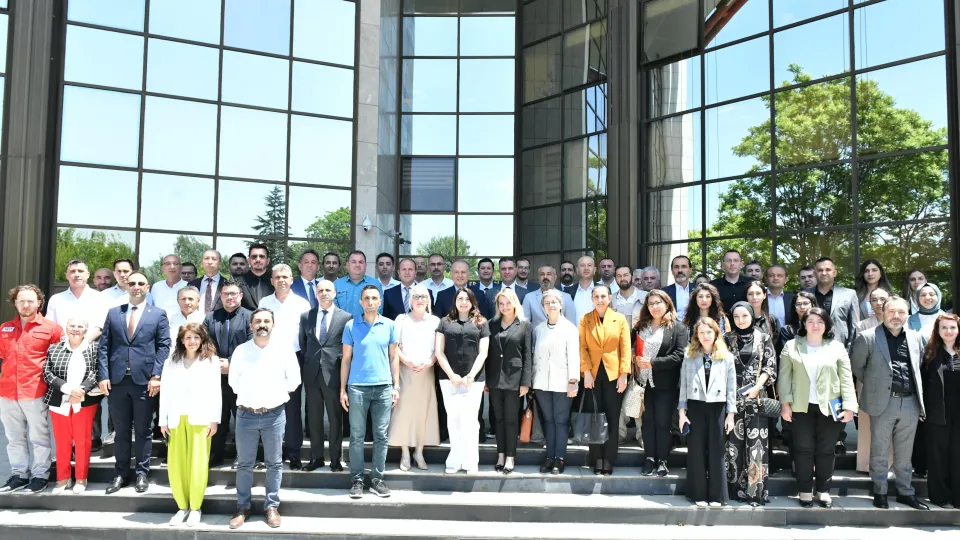
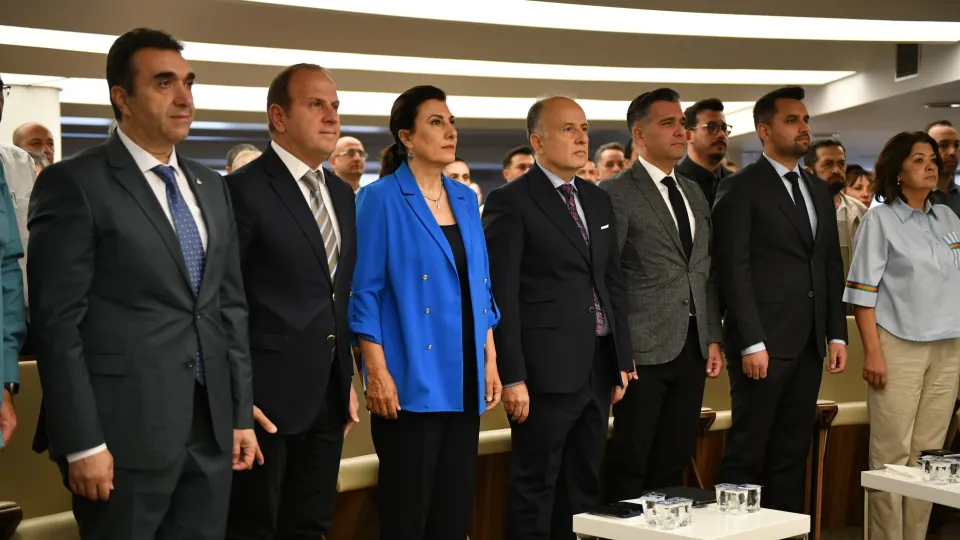
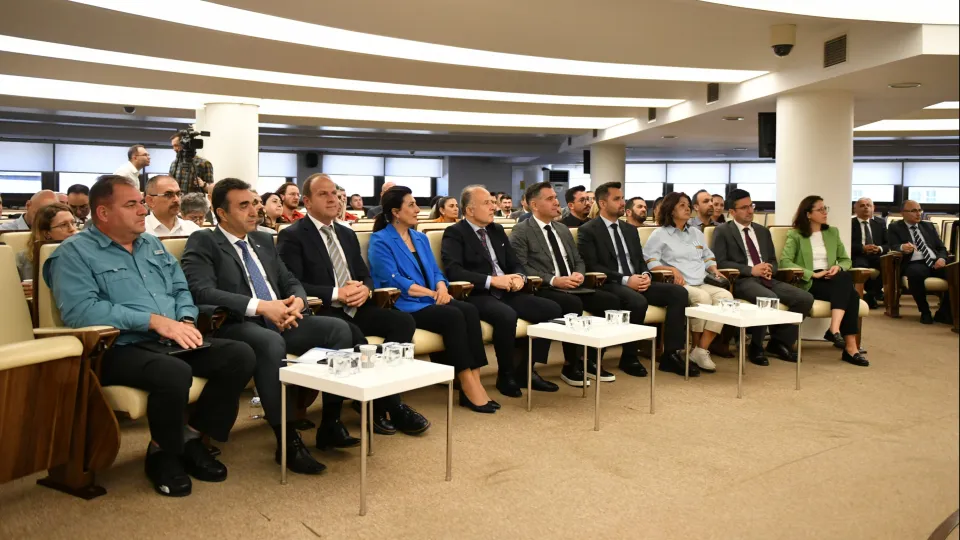
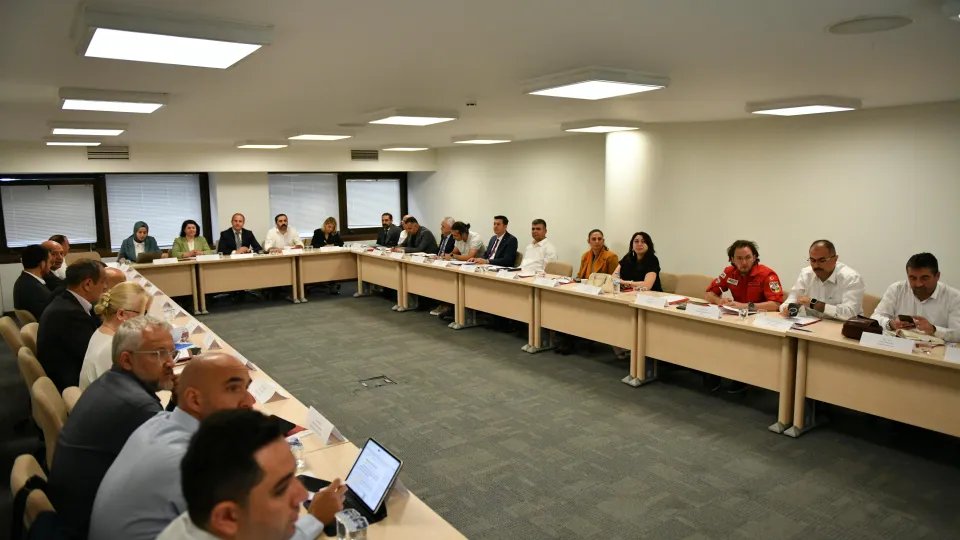
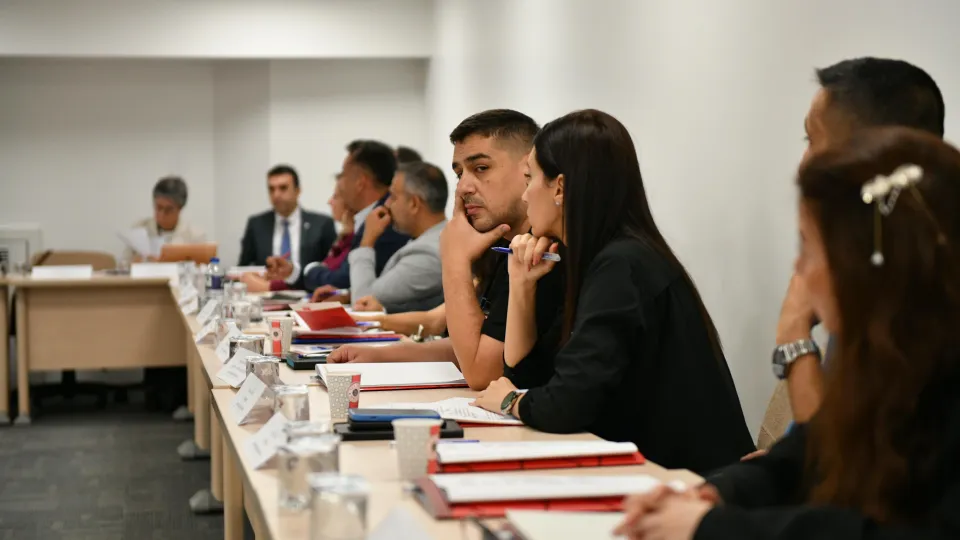
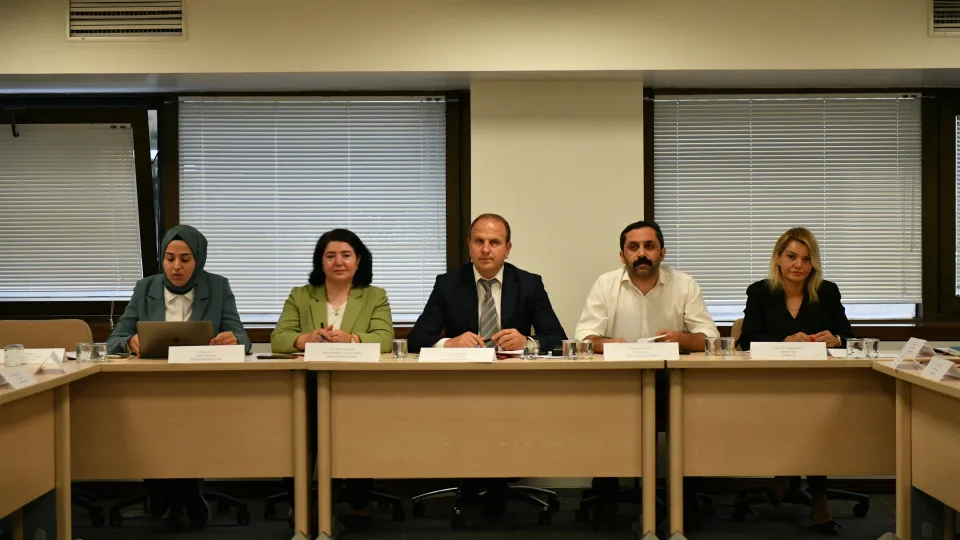
The Union of Municipalities of Turkey (UMT) organized a workshop on the model regulation for determining the working procedures and principles of municipal disaster units.
The workshop was held to eliminate the confusion arising from the fact that disaster units established in municipalities operate under different names, job descriptions, and structures, as well as to address conflicts of authority and the need for a common organizational model.
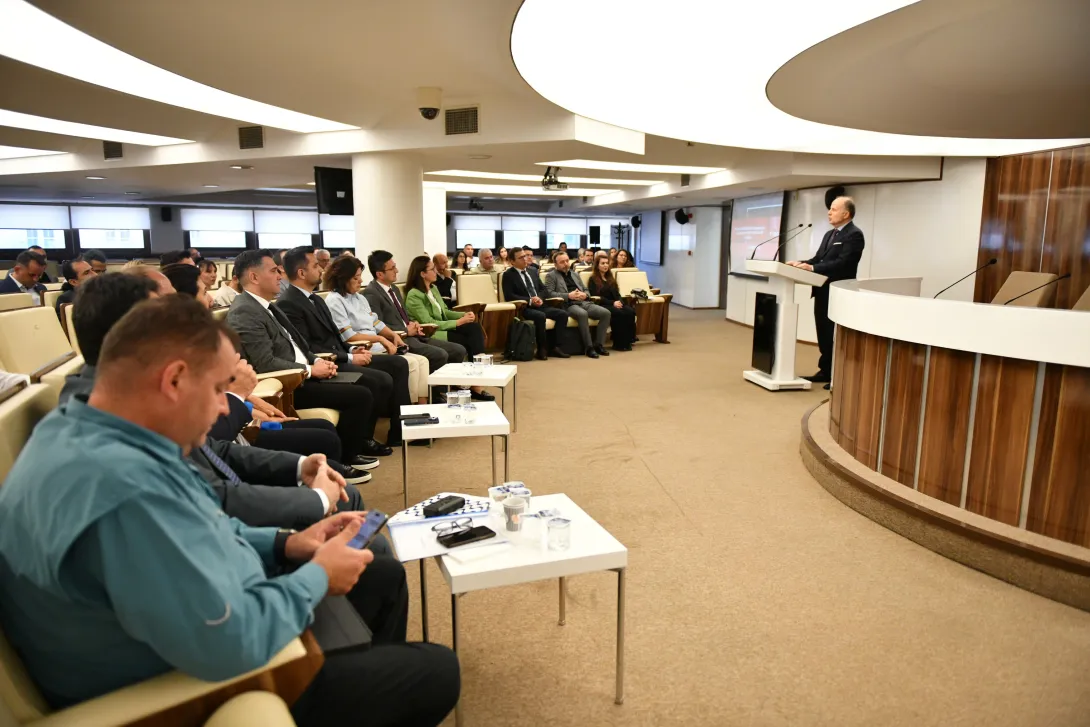
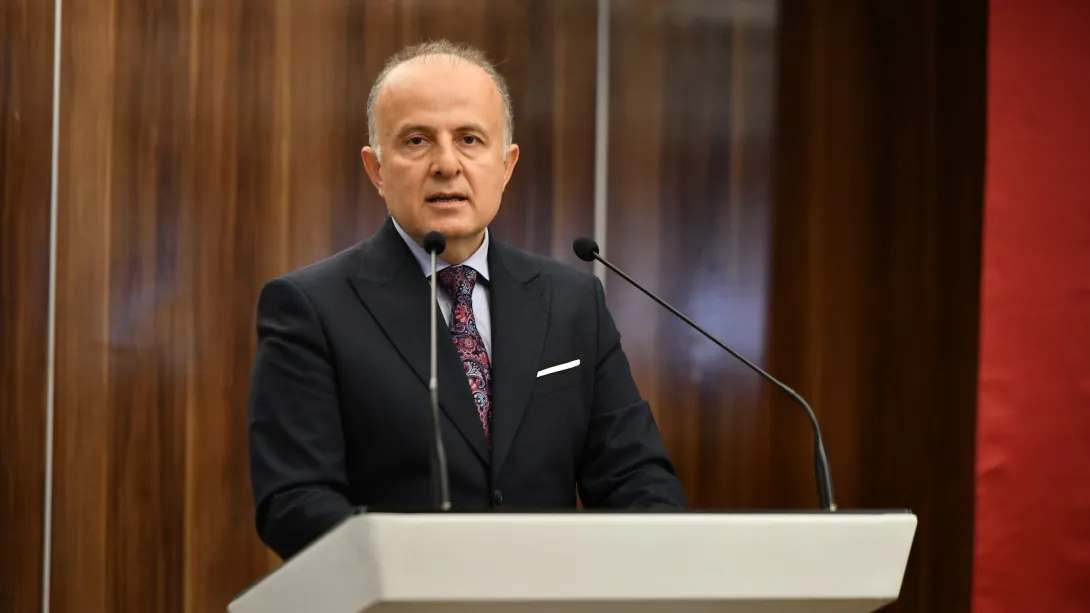
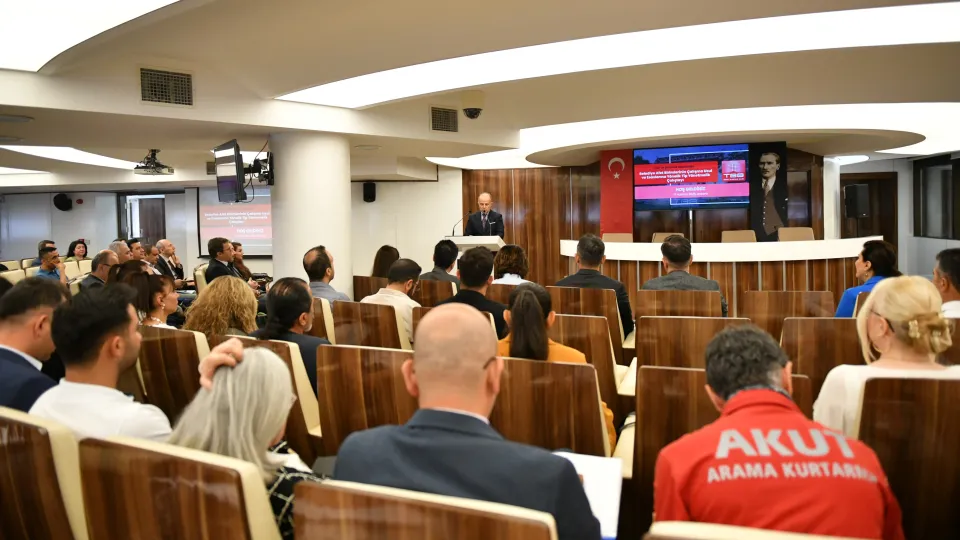
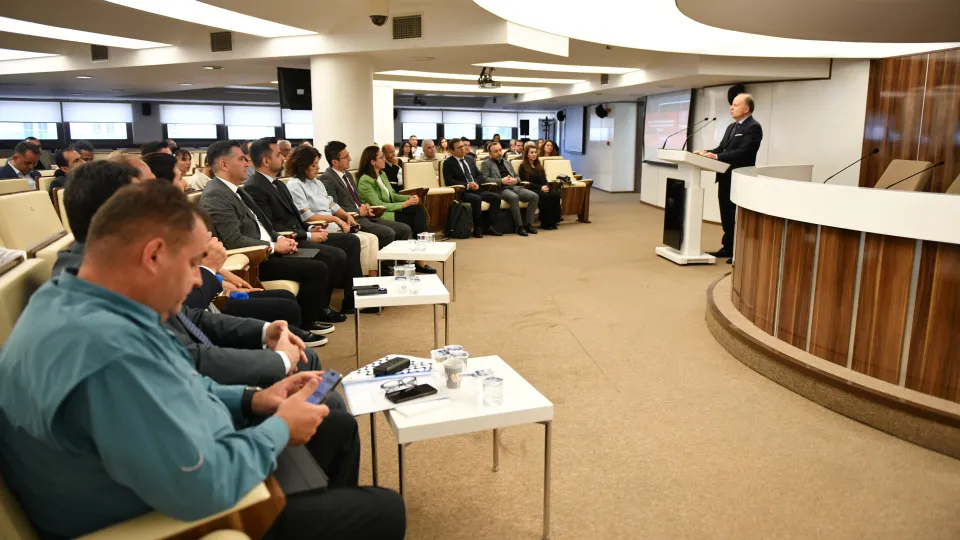
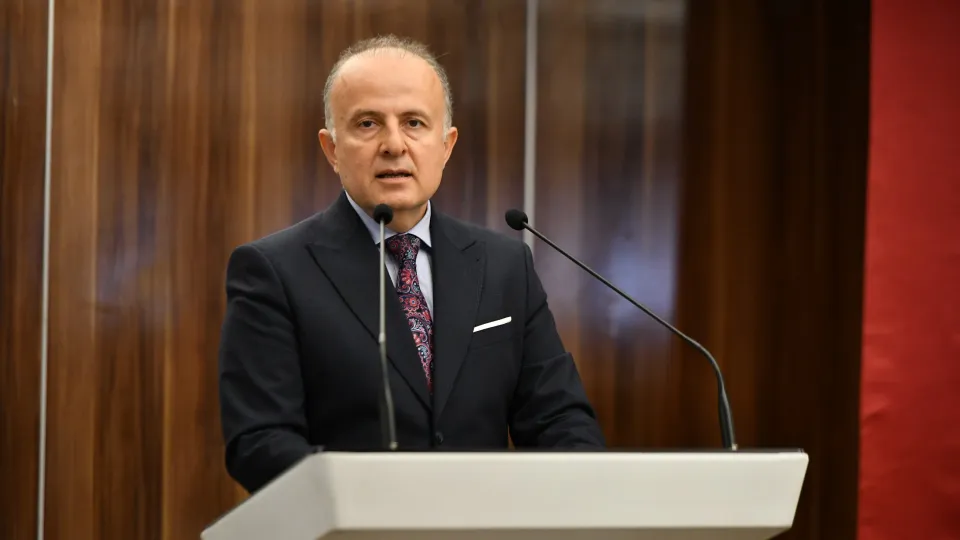
The opening speech of the workshop was delivered by Feridun Ulutaş, Deputy Secretary General of the UMT. Ulutaş stated that making cities more resilient in the face of disasters has been one of the Union's top priorities since the day they took office.
53 Different Names for Branch Directorates Identified
Ulutaş said that they evaluated the need for a common structure for disaster units based on feedback from municipalities, and emphasized that they examined the organizational structure of the Disaster Affairs Directorate of 30 metropolitan municipalities and identified 53 different branch directorates.
Ulutaş said, “This situation clearly showed us how much we need a common organizational model. As the Union of Municipalities of Turkiye , we are developing a comprehensive model proposal on this issue.”
Emphasis on Institutional Resilience Against Disasters
Referring to the UMT's work on disaster and resilience issues in the earthquake zone, Ulutaş said, “We established the Disaster, Risk Management, and Resilience Commission to make our cities more resilient to disasters. We organized 15 different training programs for municipalities in the earthquake zone and provided 129 vehicles to municipalities in the region.” Ulutaş said that this support will both increase the capacity for intervention during disasters and contribute to the daily operational efficiency of municipalities.
Application Examples and Evaluations Based on Drafts
Ulutaş noted that the draft texts sent to municipalities as part of the workshop included not only post-disaster intervention processes but also risk management and preventive measures. Sharing his expectations for the process, Ulutaş said, “I believe that the evaluations we will make here will contribute to the disaster units in our municipalities achieving a comprehensive and traceable structure. Our goal is to create an effective, coordinated, and sustainable structure.”
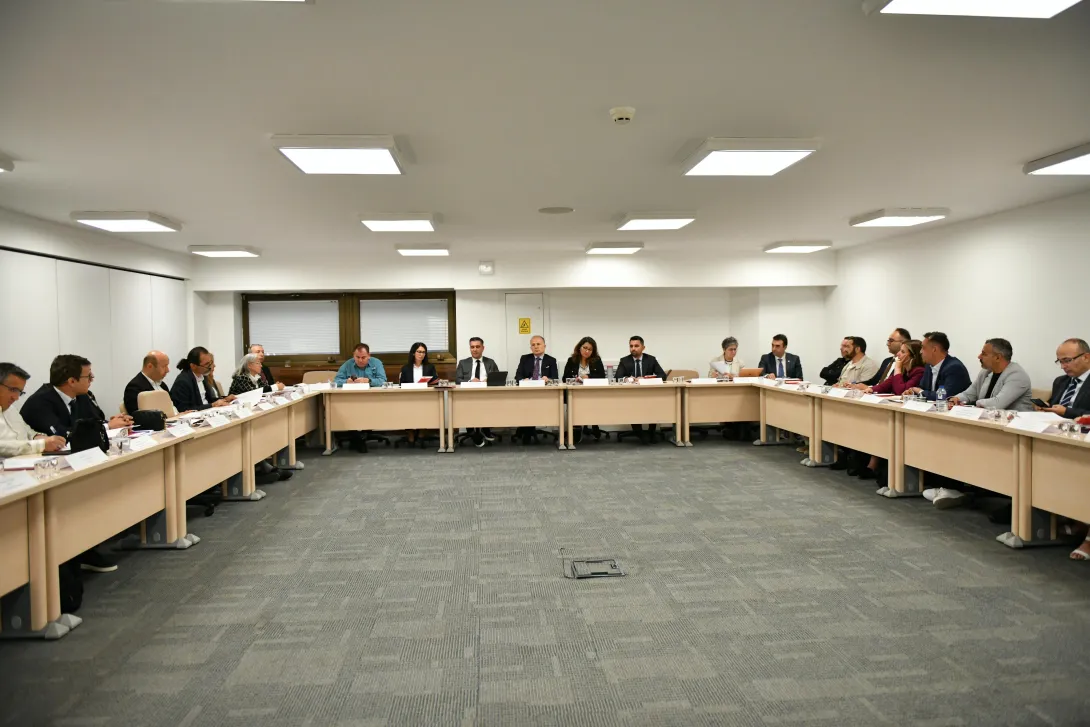
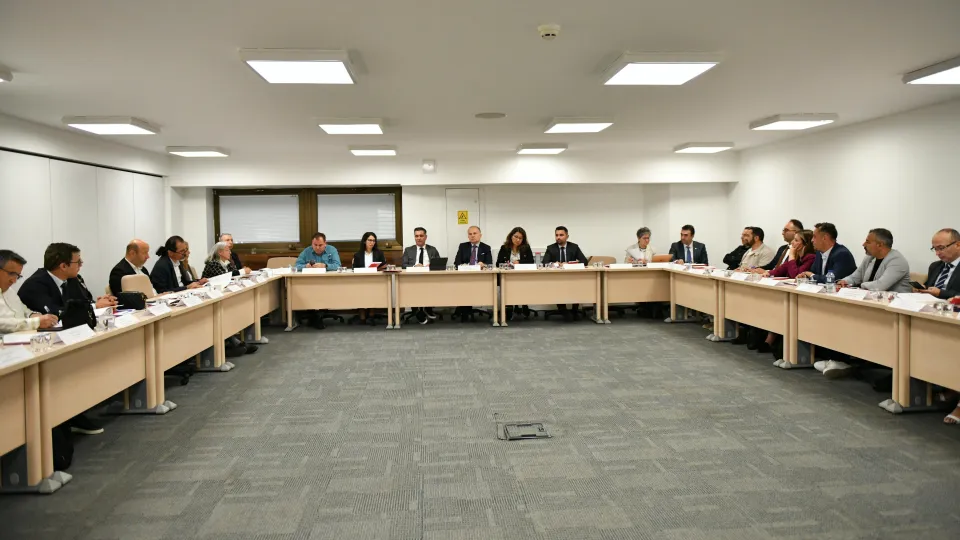
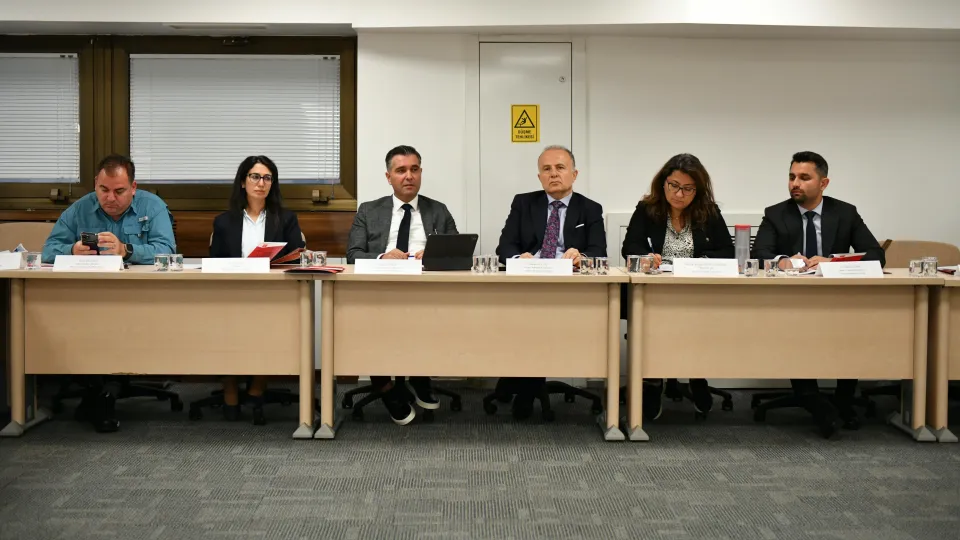
Following Ulutaş's speech, the workshop continued with two separate sessions. The sessions discussed the regulation work for “Metropolitan, Provincial, and District Municipalities.” The meetings addressed best practices in disaster management, models of inter-municipal cooperation, and the details of the draft regulation's implementation. Participants exchanged ideas on the draft regulation, presenting their suggestions regarding its adaptability to the field and the creation of flexible structures tailored to municipal scales. The UMT will complete the draft of a model regulation outlining the procedures and principles for the operation of municipal disaster management units in the near future.