SKUP TURKEY PROJECT COMPLETED THROUGH EU–TURKEY COOPERATION
YILDIZ: “THIS PROJECT BECAME A CATALYST FOR STRENGTHENING OUR LOCAL GOVERNMENTS' CAPACITY”
VILCINSKAS: “TÜRKIYE IS TAKING BOLD STEPS TOWARD CLIMATE AND SEISMIC RESILIENCE”
ANKARA—
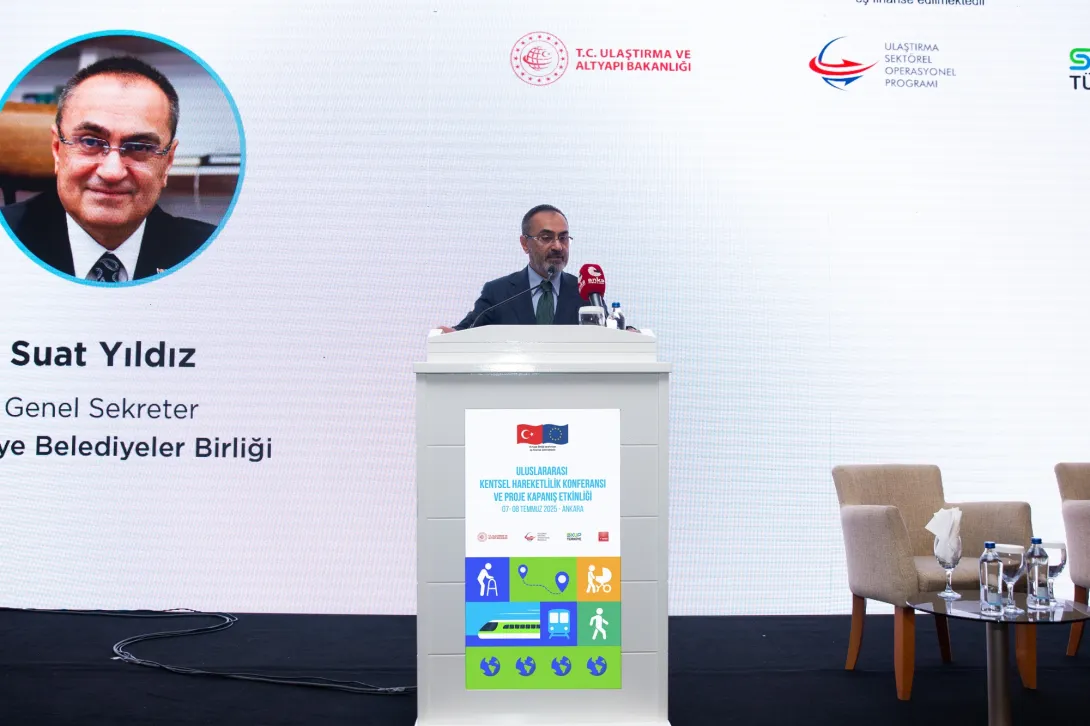
The closing event of the Sustainable Urban Mobility Project (SKUP Turkey), co-financed by the European Union (EU) and the Republic of Türkiye, and implemented with the Union of Municipalities of Türkiye (UMT) as the end beneficiary and the Ministry of Transport and Infrastructure as the contracting authority, was held in Ankara.
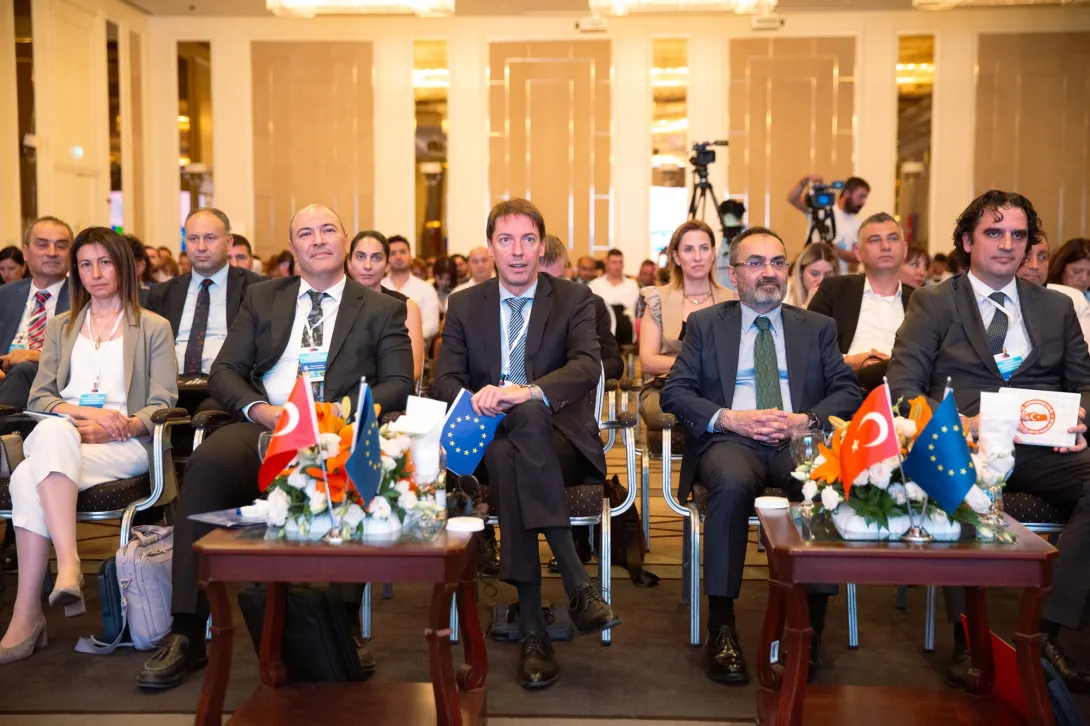
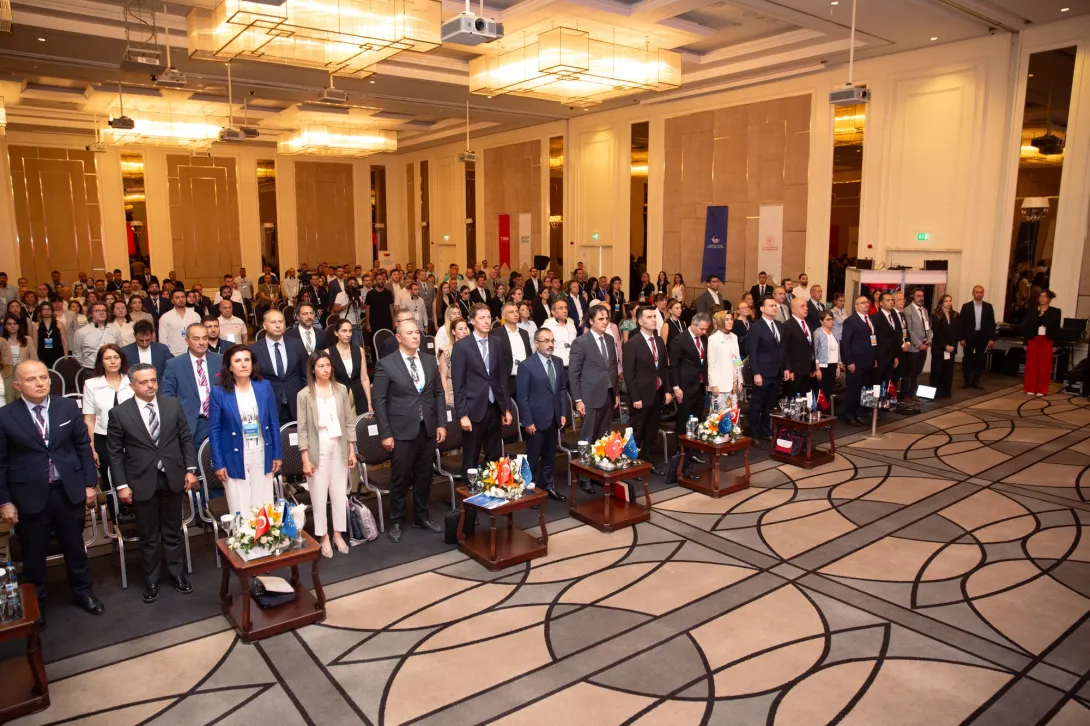
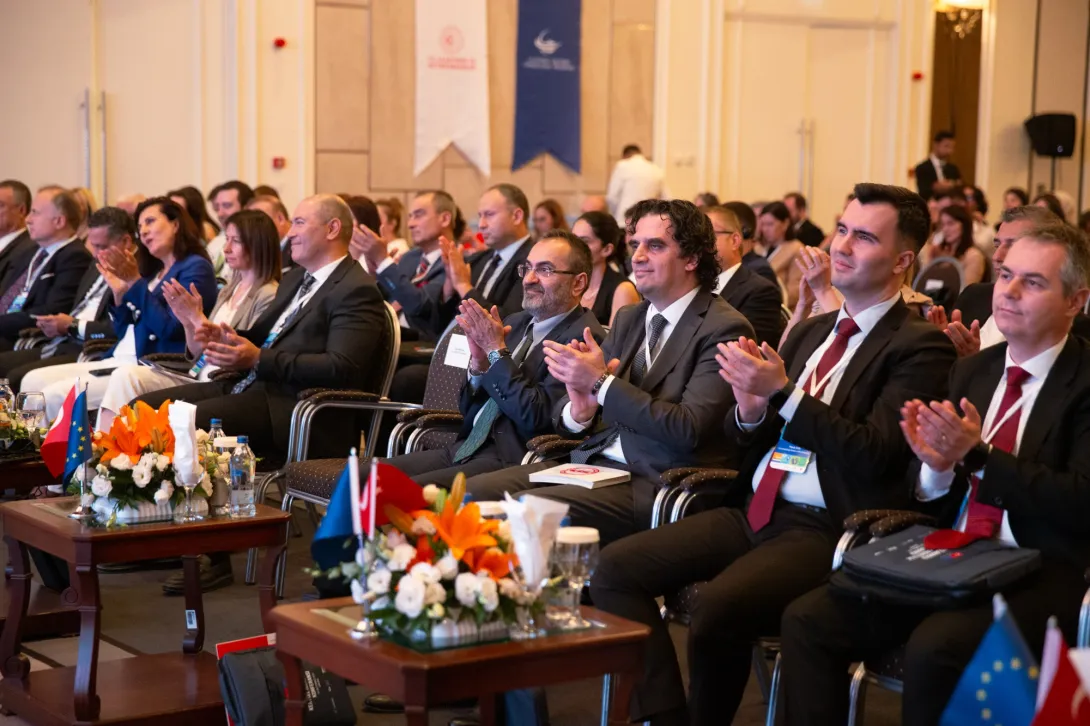
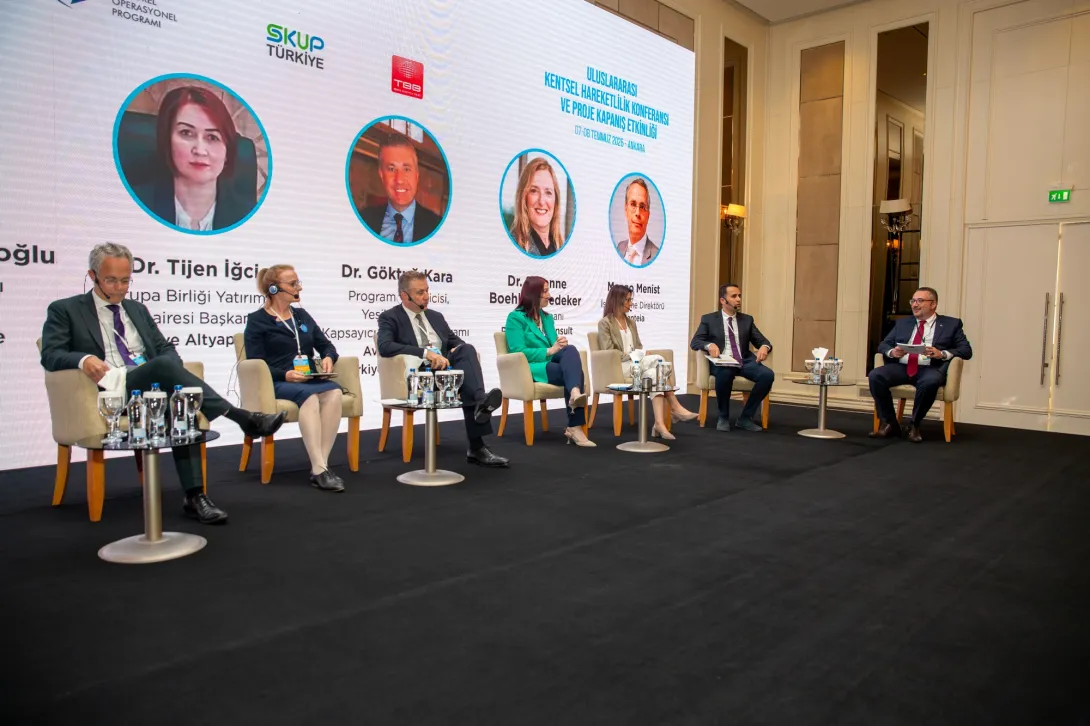
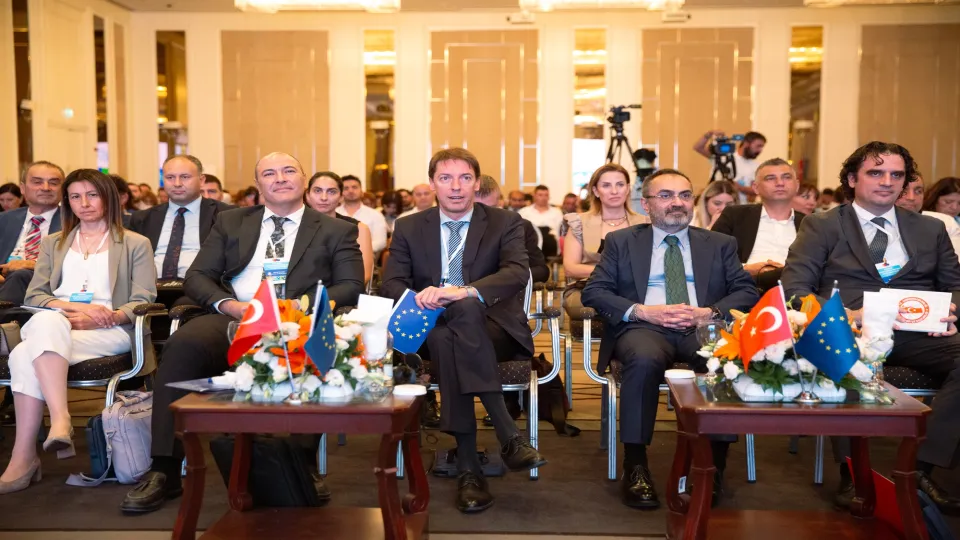
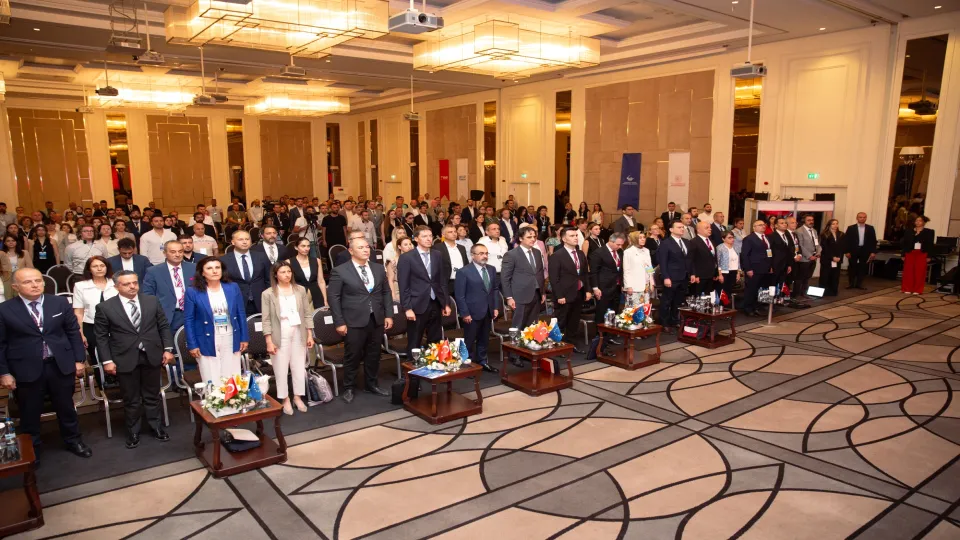
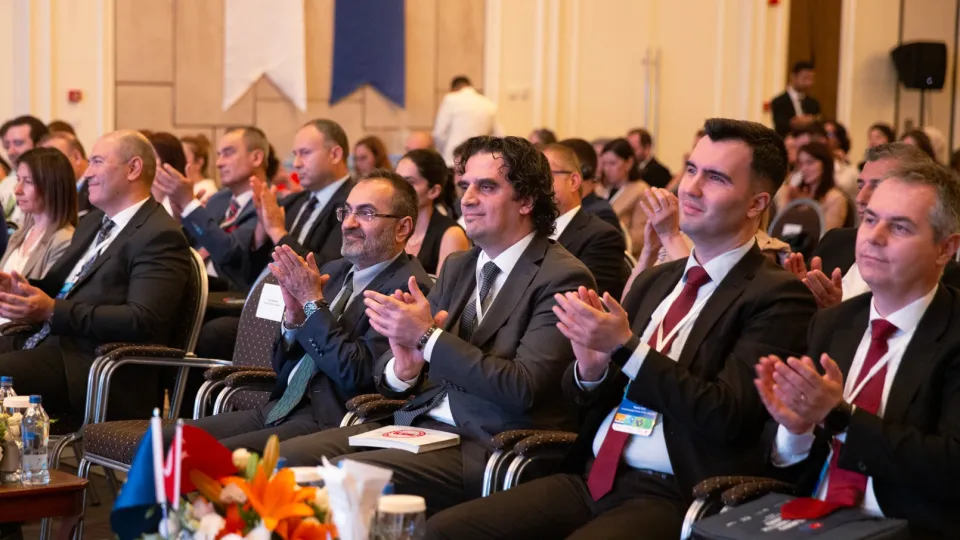
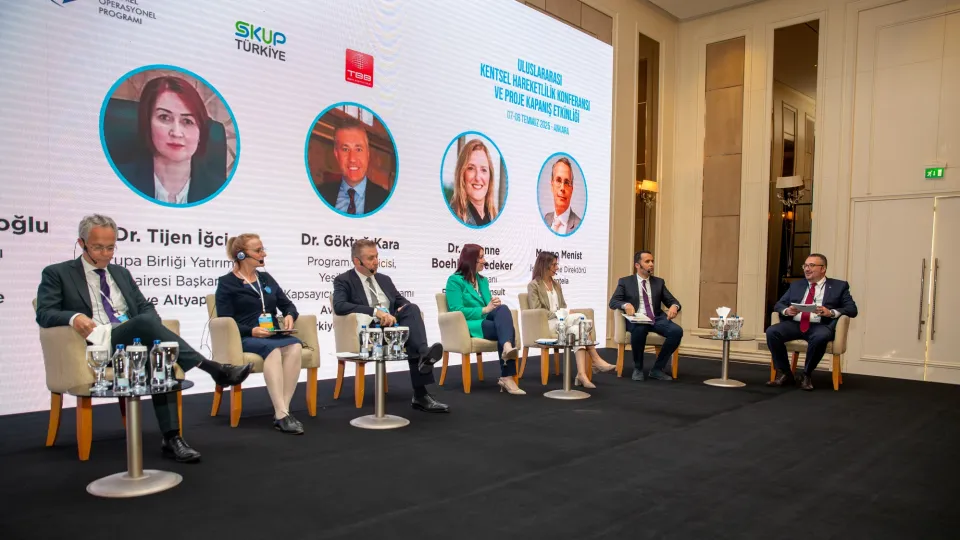
The International Urban Mobility Conference and Project Closing Event brought together national and international pioneers of sustainable urban mobility, including municipal representatives, embassy officials, ministry executives, sector experts, and academics. The conference facilitated exchange on critical topics such as inclusive transport policies, innovative financing models, and data-driven governance, while also paving the way for new cooperation networks. Key themes ranged from smart mobility solutions to field implementation, strategic planning, and policy-making. The event also included a comprehensive evaluation of the project's three-year outcomes.
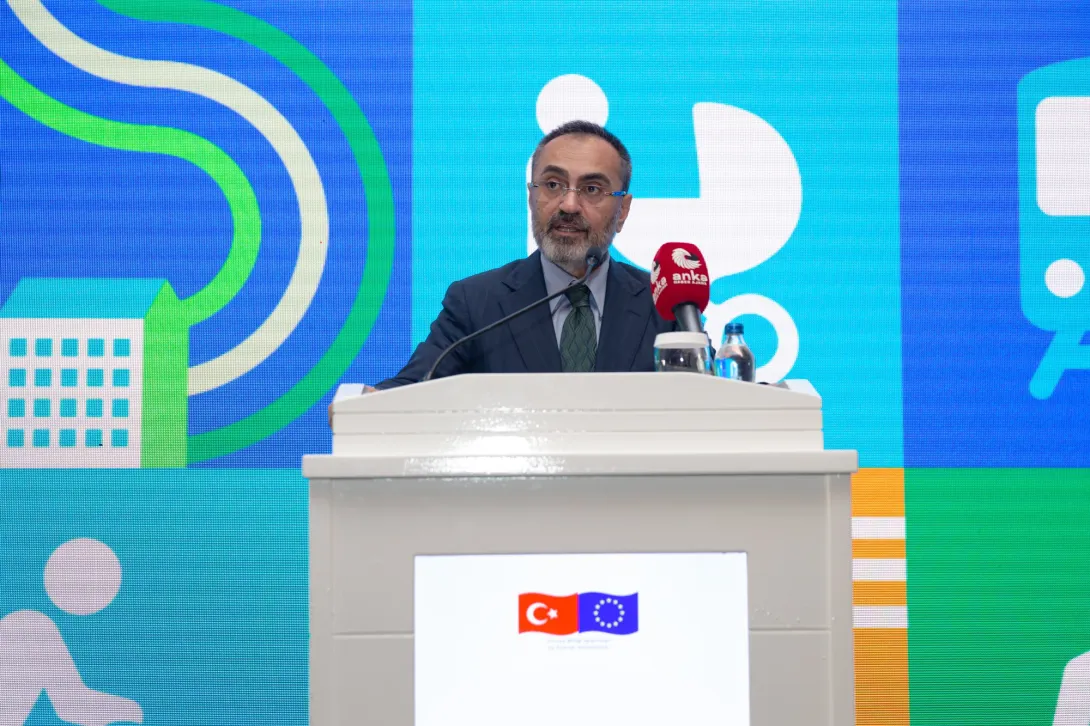
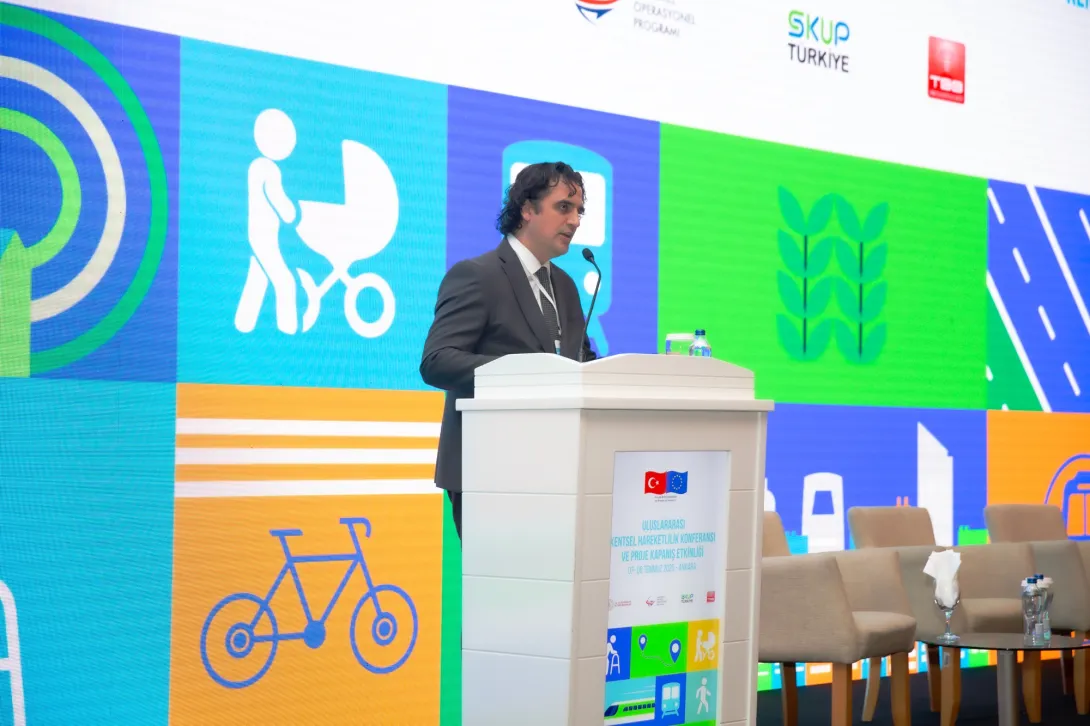
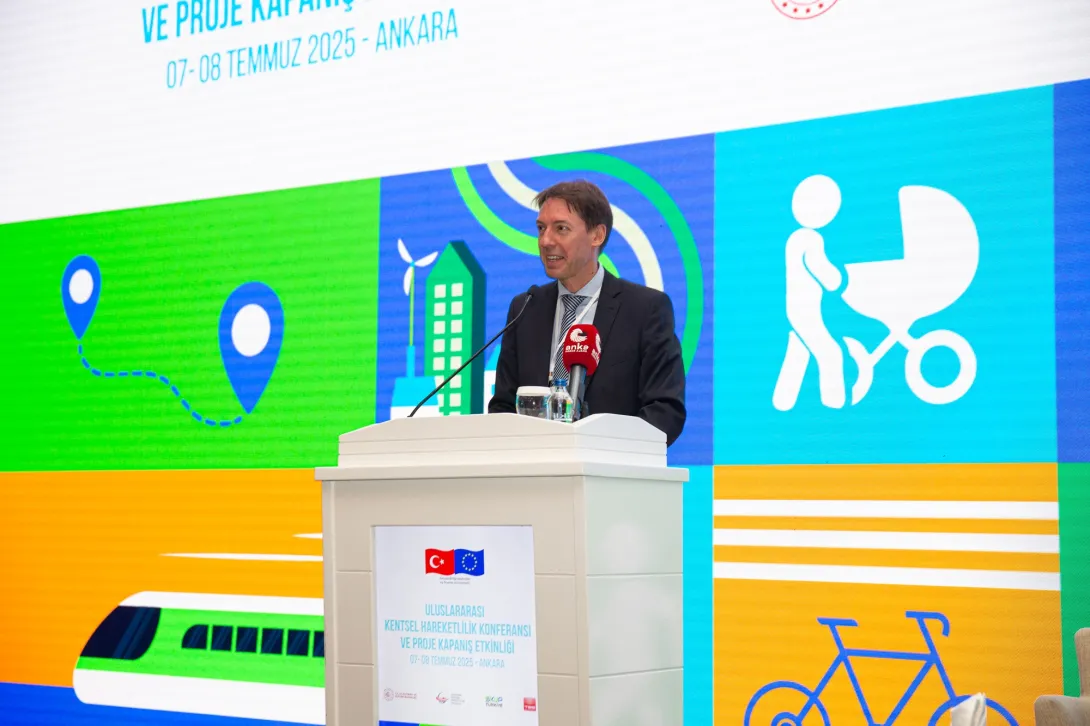
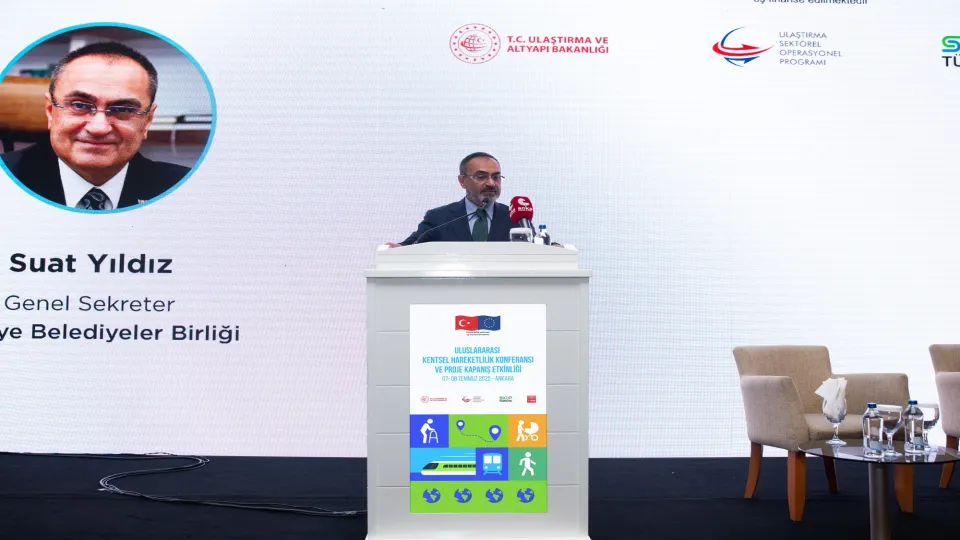
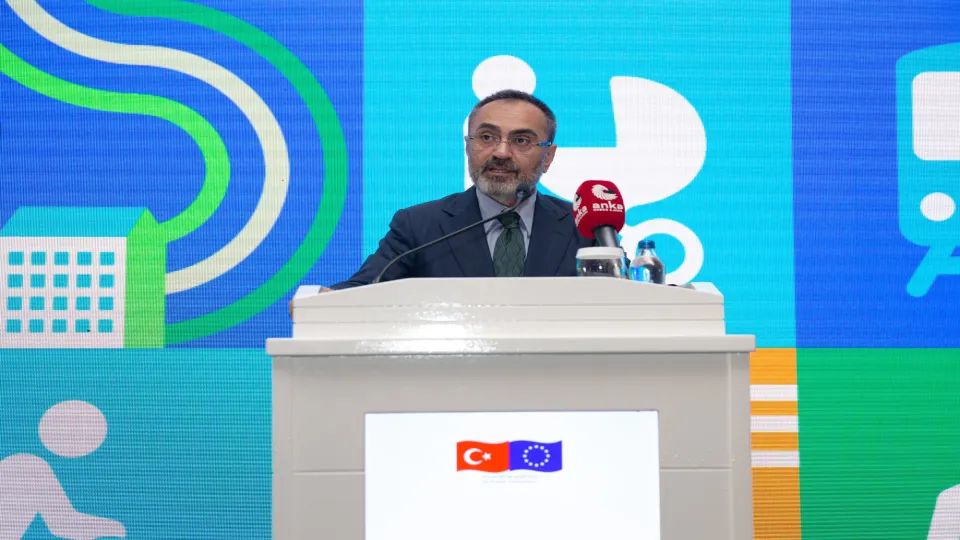
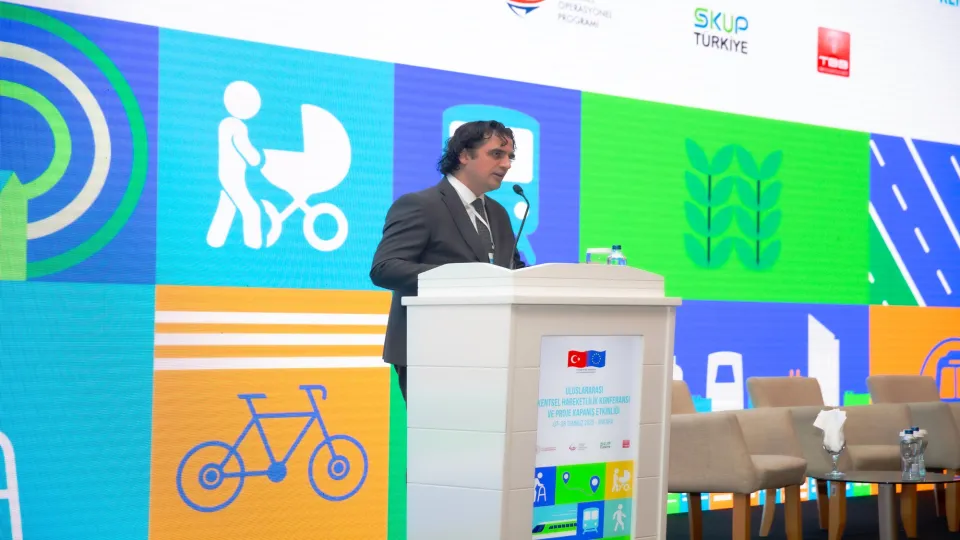
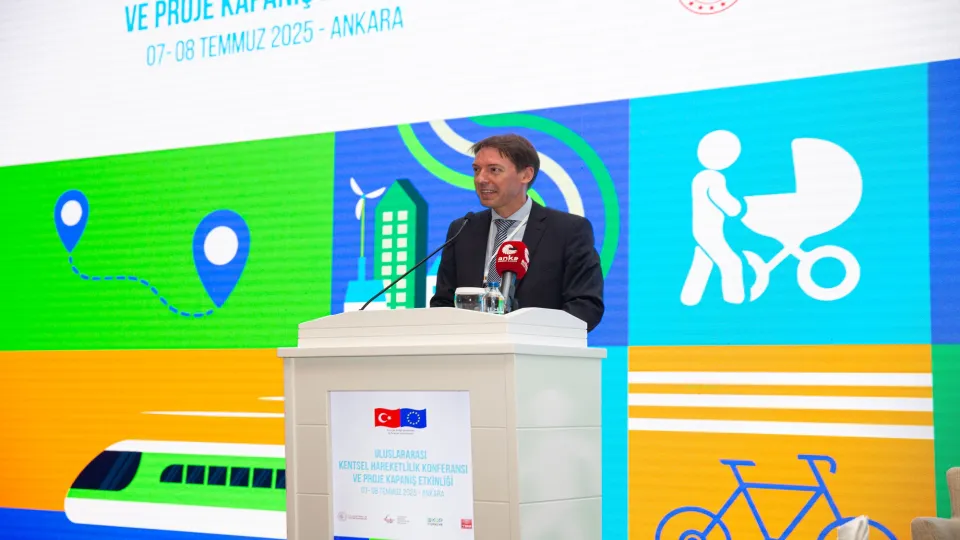
Opening speeches were delivered by Suat Yıldız, Secretary General of the UMT, and Jurgis Vilcinskas, Deputy Head of the EU Delegation to Turkey.
Yıldız: “We will work together to make our cities more livable”
Highlighting the conference’s inclusive dialogue platform throughout its 12 sessions, Yıldız emphasized its role as an important opportunity to make cities more livable, accessible, and resilient. He underlined that the steps taken during the SKUP Turkey Project’s three-year implementation would illuminate the path toward a sustainable urban future.
Yıldız noted that UMT embraced the project not merely as a beneficiary but as a visionary and guiding actor. He stressed that this EU–Turkey co-financed initiative enabled municipalities to evolve into strategic stakeholders in sustainable urban mobility policy.
“This project has become a catalyst for strengthening the capacity of our local governments and initiating a nationwide transformation,” Yıldız said.
Referring to the project’s flagship output—the “White Paper”—Yıldız described it as a visionary guide for institutional transformation at national and local levels. He also highlighted the SKUP Knowledge Library, composed of technical guides, handbooks, translations of EU technical documents, and training materials, as a lasting resource for practitioners.
Yıldız emphasized the critical importance of citizen engagement in the success of SKUP plans, noting that the European Mobility Week has become one of the most effective tools in this regard. He pointed to the launch held on June 30 as a concrete example of this participatory approach.
He concluded by stating that although the project officially ends, its legacy will endure:
“SKUP Turkey may officially conclude today, but the knowledge and policy framework it created will continue to shape future planning. As UMT, we are committed to disseminating this approach.”
Vilcinskas: “Urban mobility must now be felt on the streets”
Jurgis Vilcinskas, Deputy Head of the EU Delegation to Turkey, began his remarks with a personal anecdote about urban transport, noting that it took him 45 minutes to travel 14 kilometers that morning, averaging just 20 km/h. Highlighting the lack of bike lanes, he said,
“We moved 300 meters per minute. This may sound familiar to you. That’s exactly why we need to talk more about urban mobility.”
He described the White Paper as not just a policy document, but also a roadmap for urban transformation:
“It’s the product of a project whose beneficiary has achieved outstanding results in reshaping cities.”
Vilcinskas emphasized the urgent need to build climate- and disaster-resilient cities, saying the White Paper also provides critical guidance in this area.“We must be resilient. Turkey is taking bold steps toward climate and seismic resilience. This is not only about urban development; it’s about saving lives.”
Closing his speech in Turkish, Vilcinskas said:
“Transformation requires time, money, and a strong foundation in local democracy. As you shape cleaner, safer, and better cities for tomorrow, you can count on the European Union as a close partner and friend.”