
TBB’DEN SİSMİK GÜÇLENDİRME SEMİNERİ
ARSLAN: “SEISMIC REINFORCEMENT IS BEING PERFORMED ON A SCHOOL USING A METHOD THAT IS BEING APPLIED FOR THE FIRST TIME IN TURKEY.”
DAISUKE: “WE HOPE TO BUILD A RESILIENT SOCIETY FOR THE PEOPLE OF BOTH COUNTRIES.”
Ankara
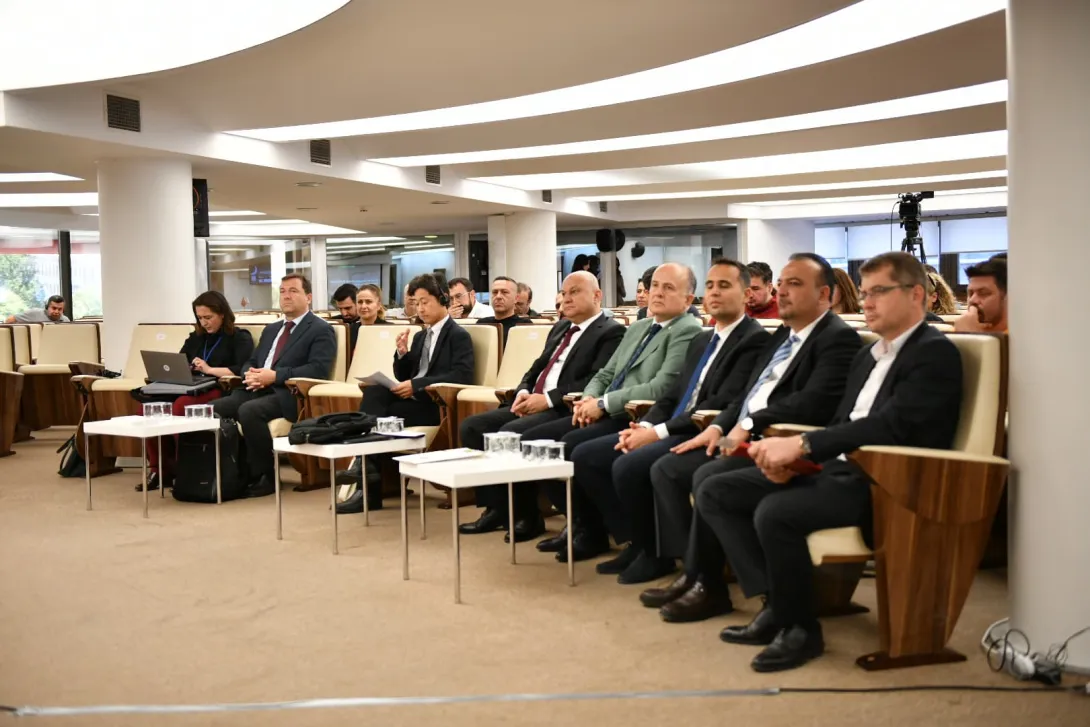
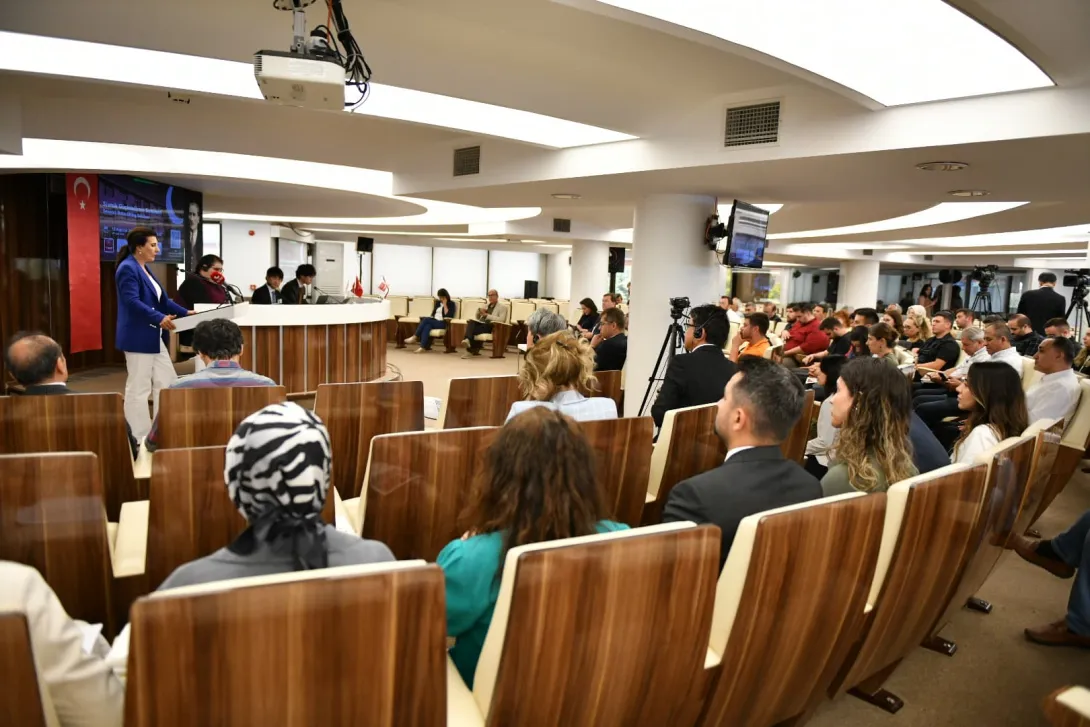
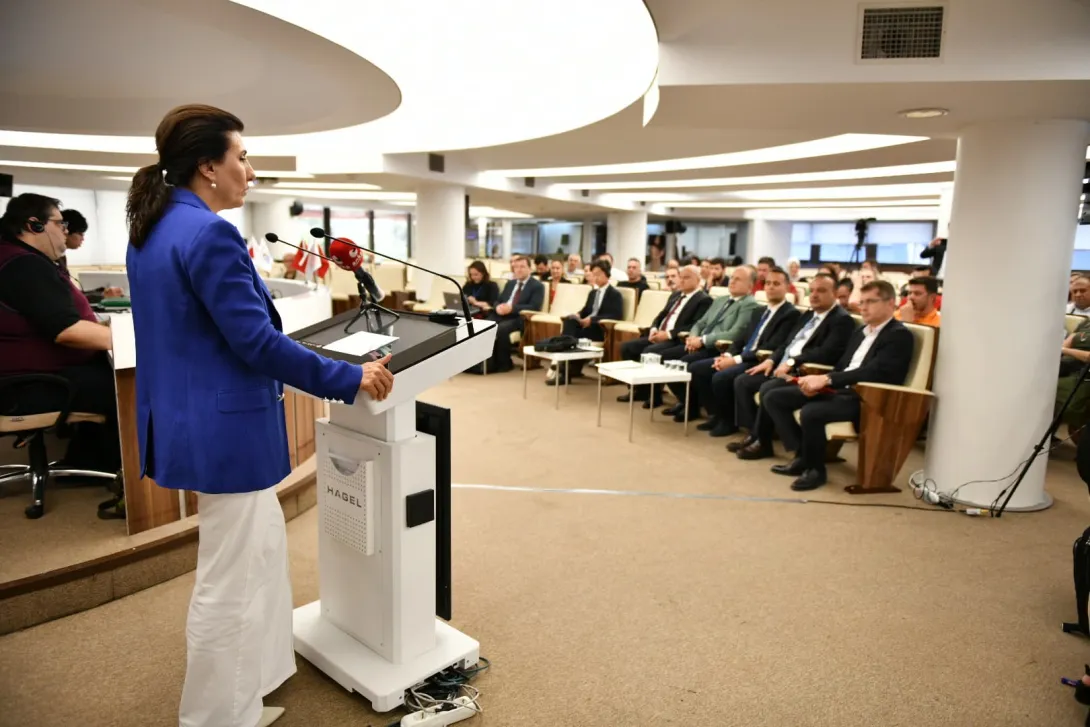
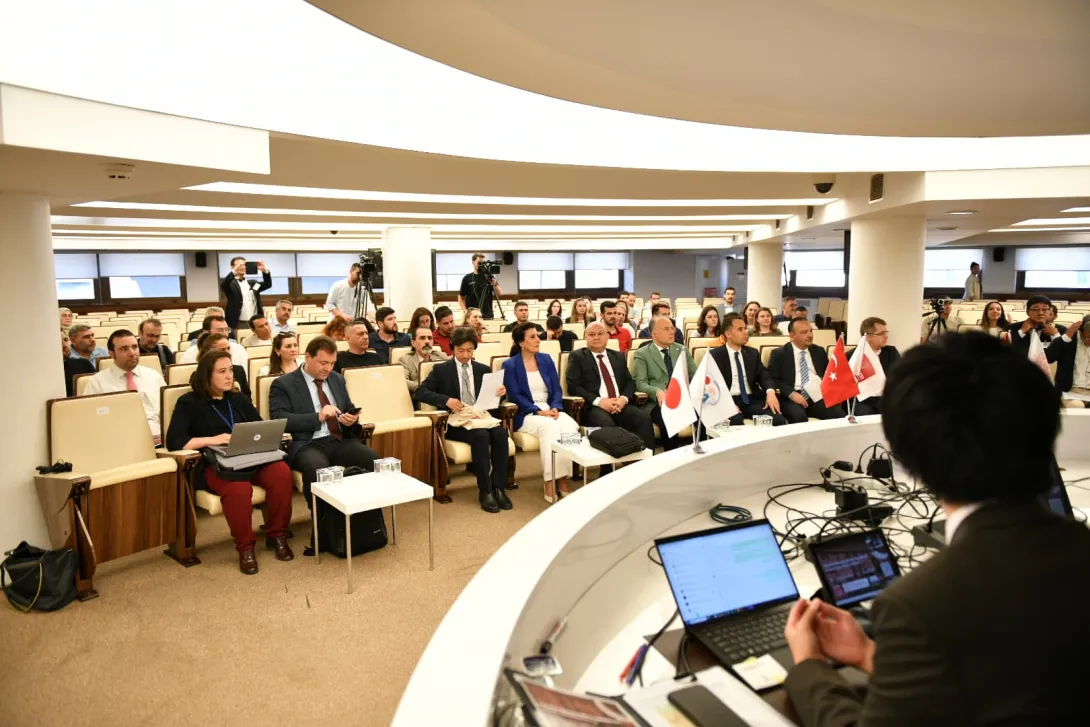
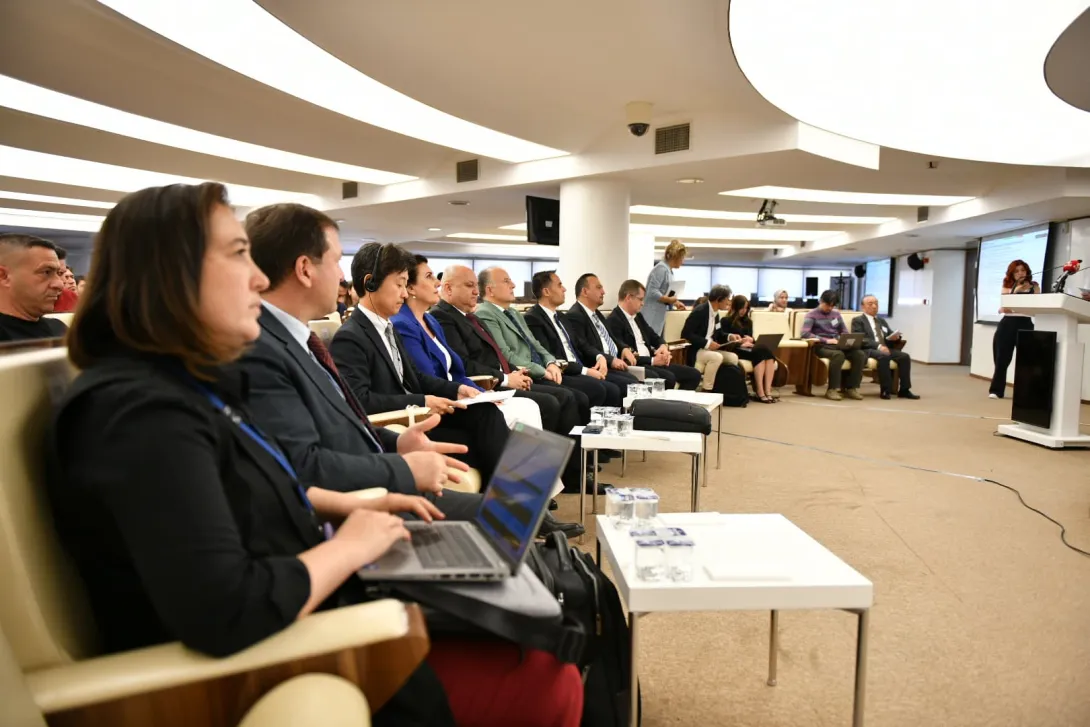
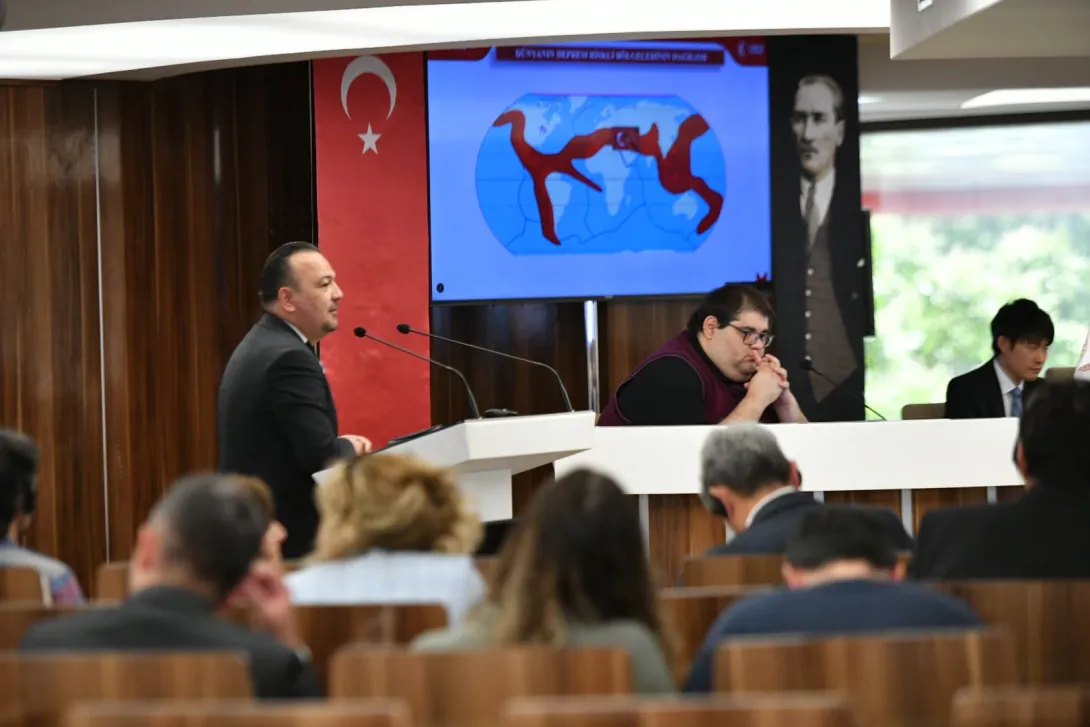
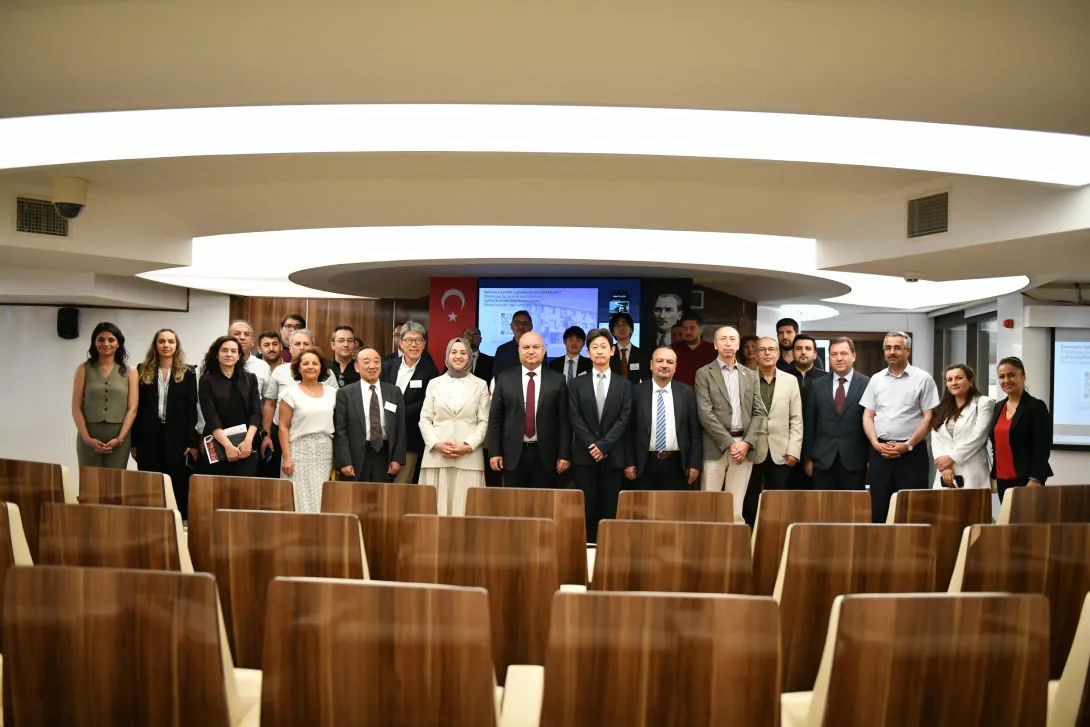
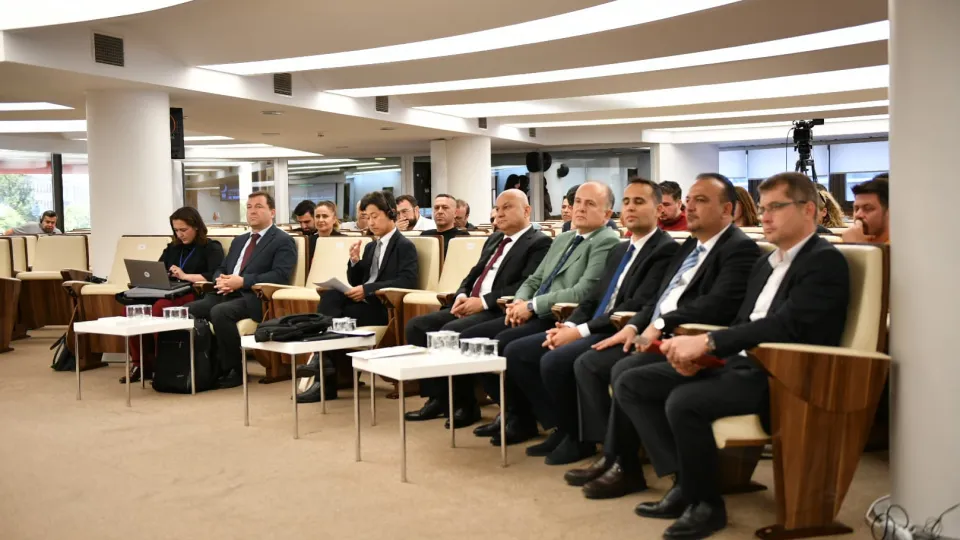
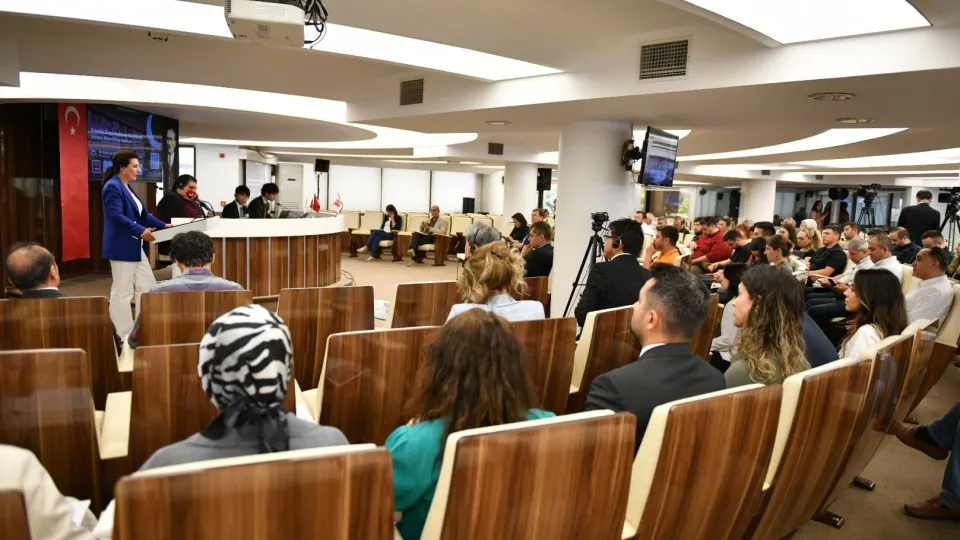
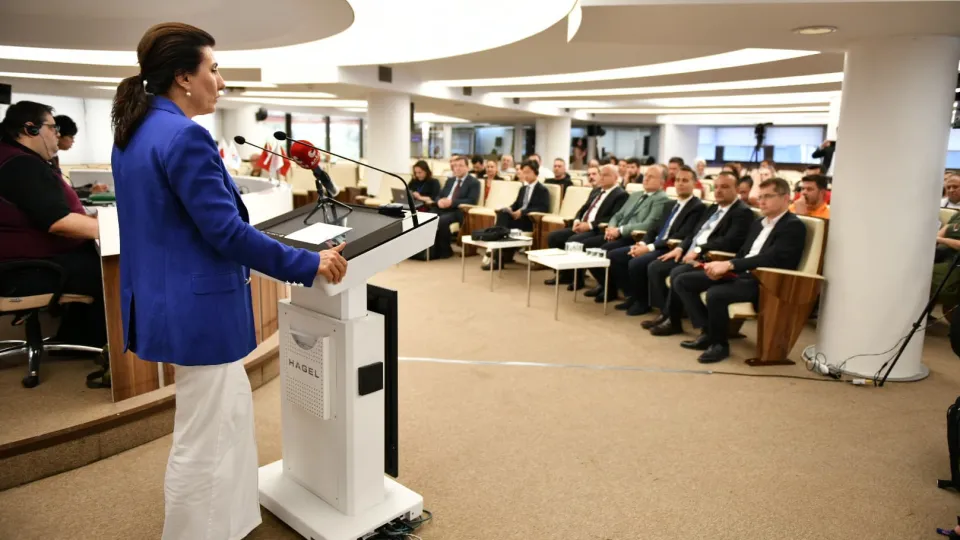
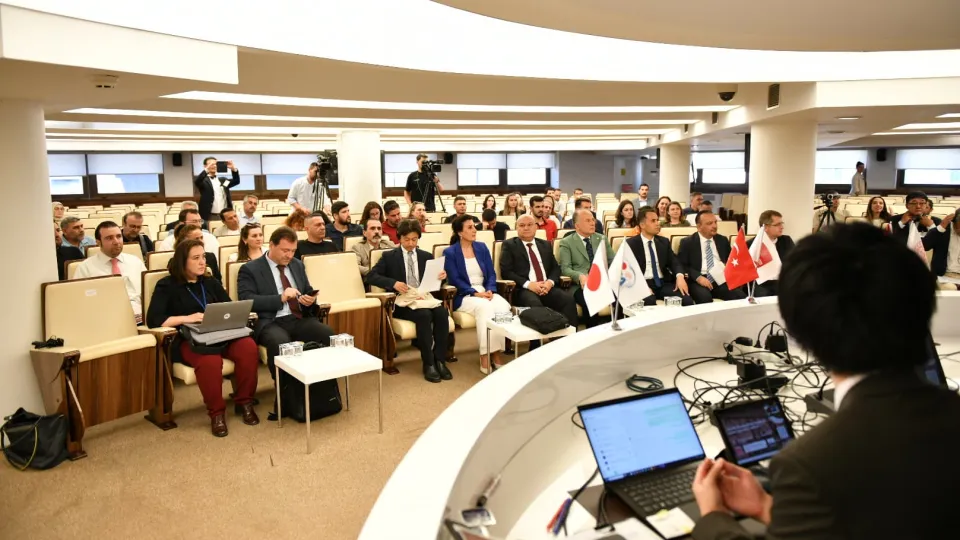
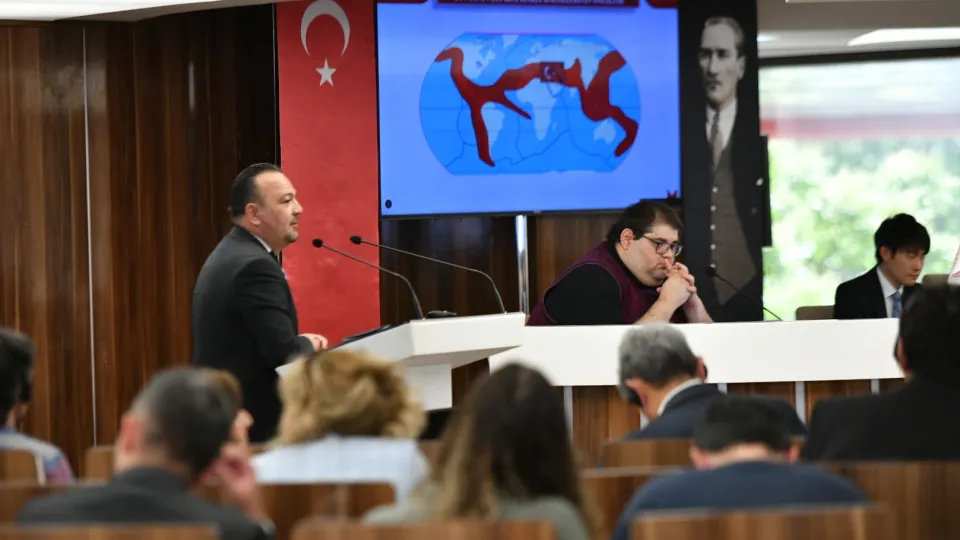
The Union of Municipalities of Turkiye (UMT) and the Japan International Cooperation Agency (JICA) organized a “Seismic Reinforcement Seminar” as part of the “Project to Reduce Disaster Risk and Increase Waste Management Capacity at the Local Level.”
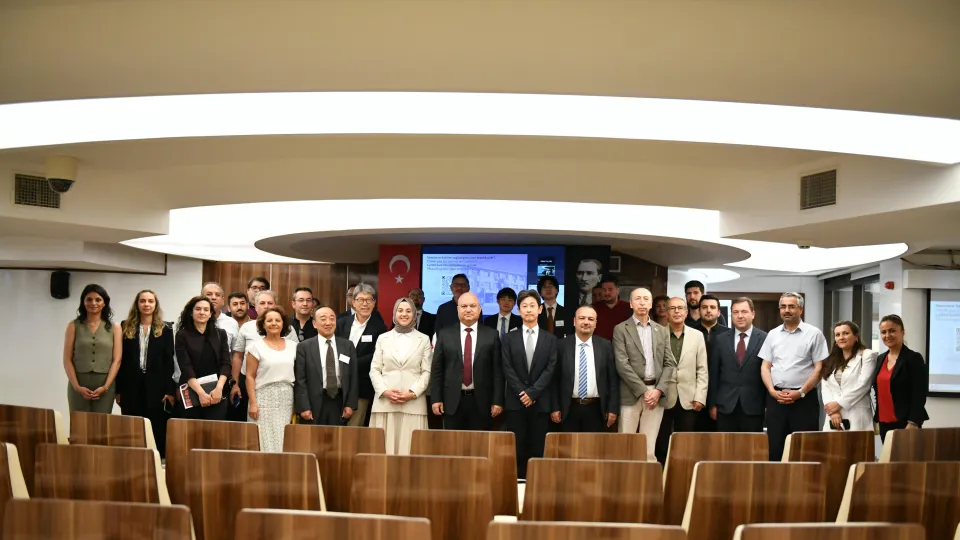
The seminar, which was organized to complete seismic reinforcement activities and share the results, was hosted by UMT with support from JICA and the Ministry of National Education (MNE).
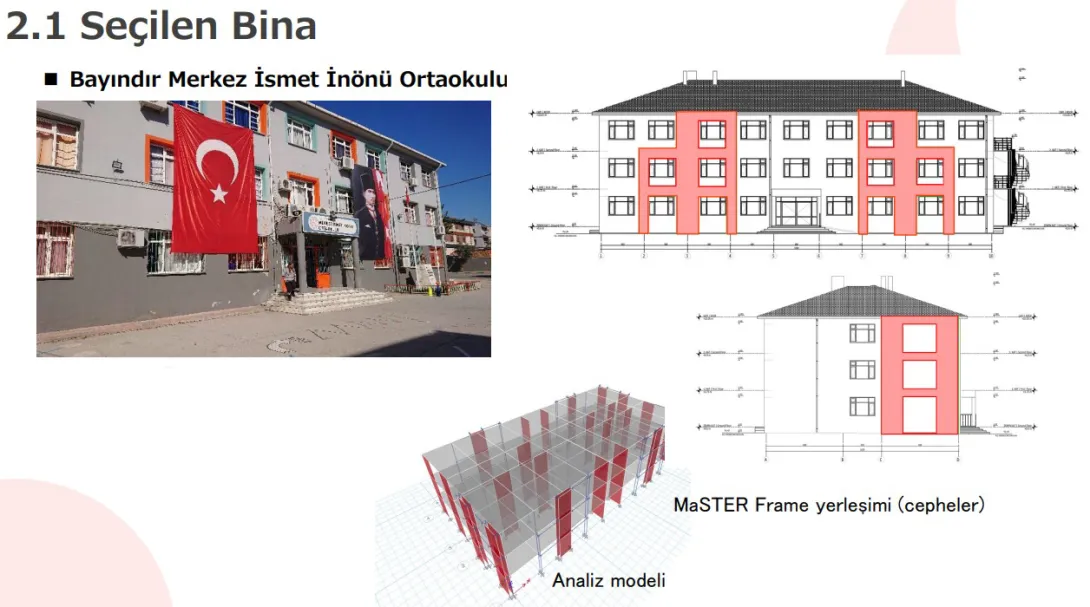
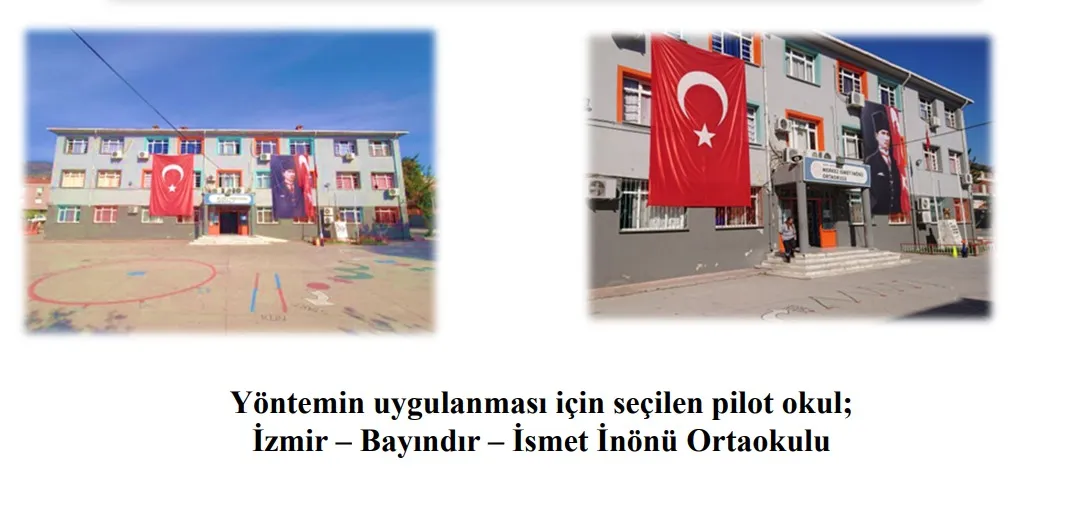
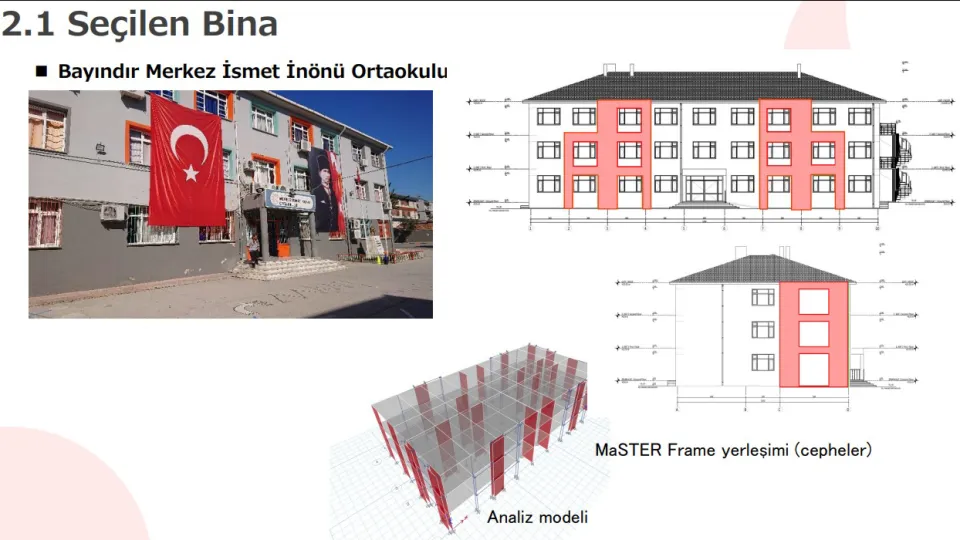
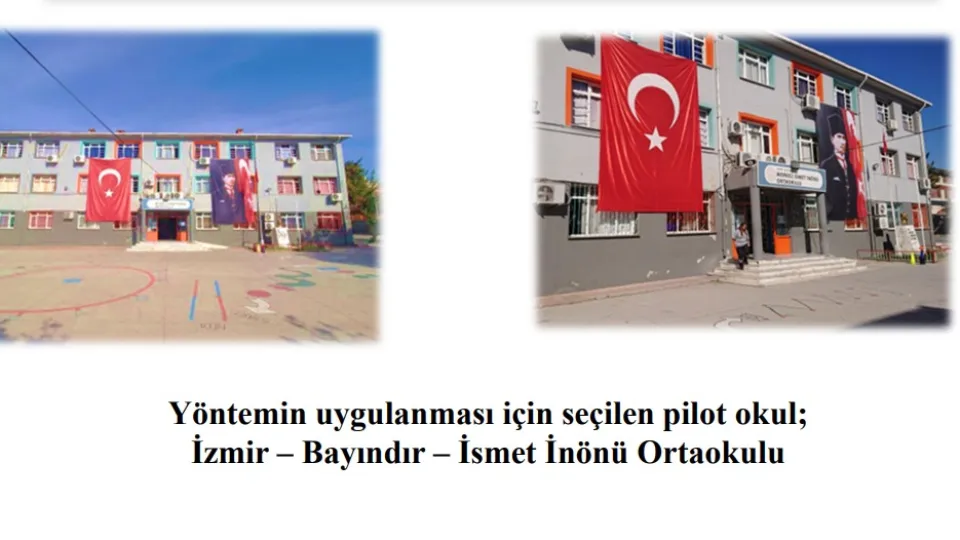
As part of the seismic reinforcement, Merkez İsmet İnönü Middle School in Bayındır district of İzmir was selected as the pilot building.
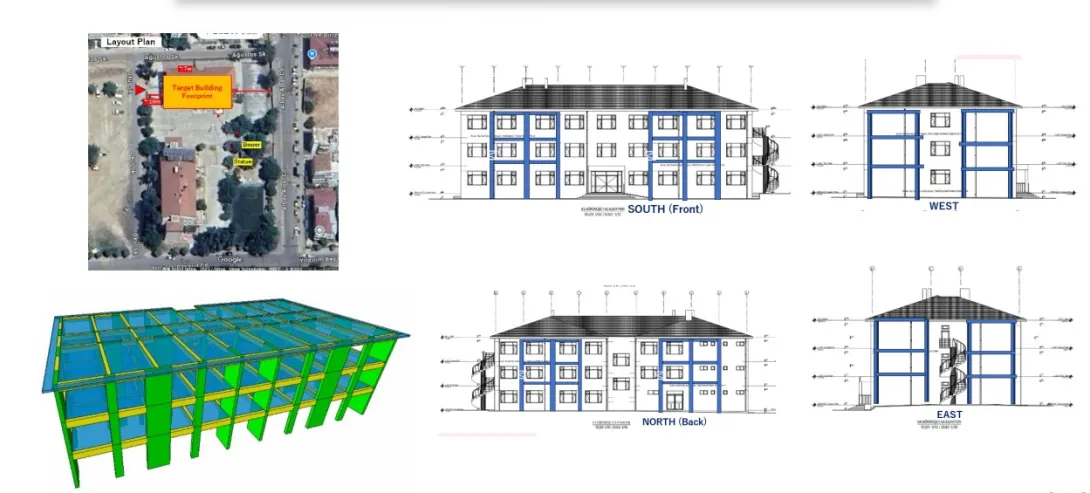
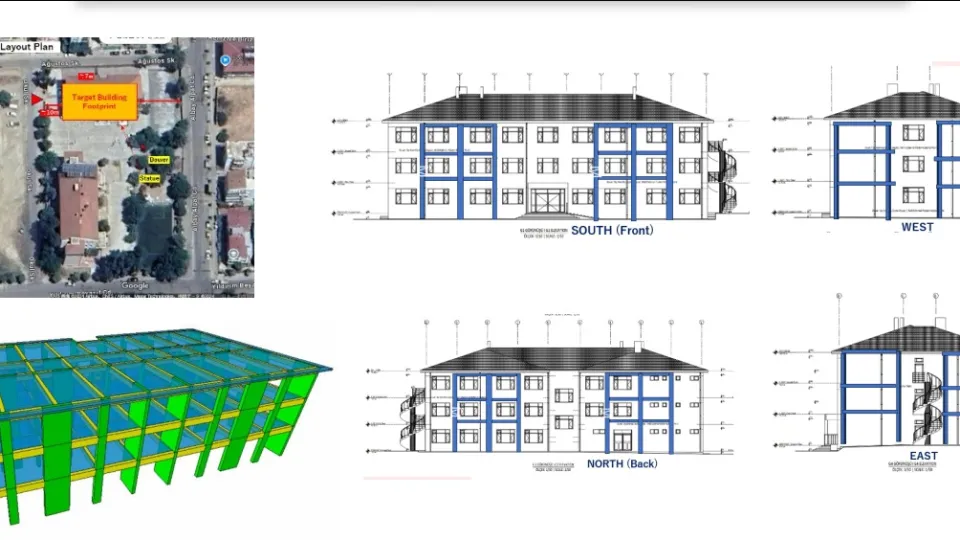
In collaboration with UMT, MNE, and JICA, a seismic reinforcement design was prepared for the school building using the external frame method. As a result of a detailed examination of the building, the necessary data for seismic diagnosis was collected, and the elements to be considered in the design were determined.
Based on this data, the basic and detailed projects were created, and the design process was completed on April 22, 2025. During the work, while the external frame method unique to Japan was transferred to Turkiye, technical training was organized for UMT and MNE engineers to gain experience in this field.
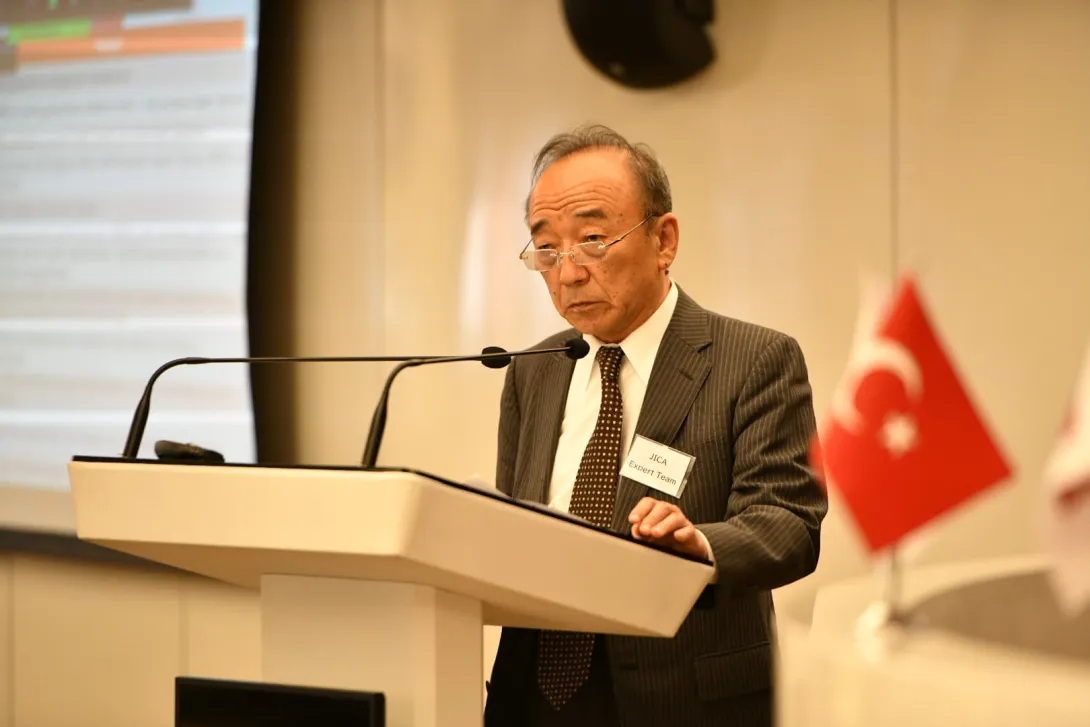
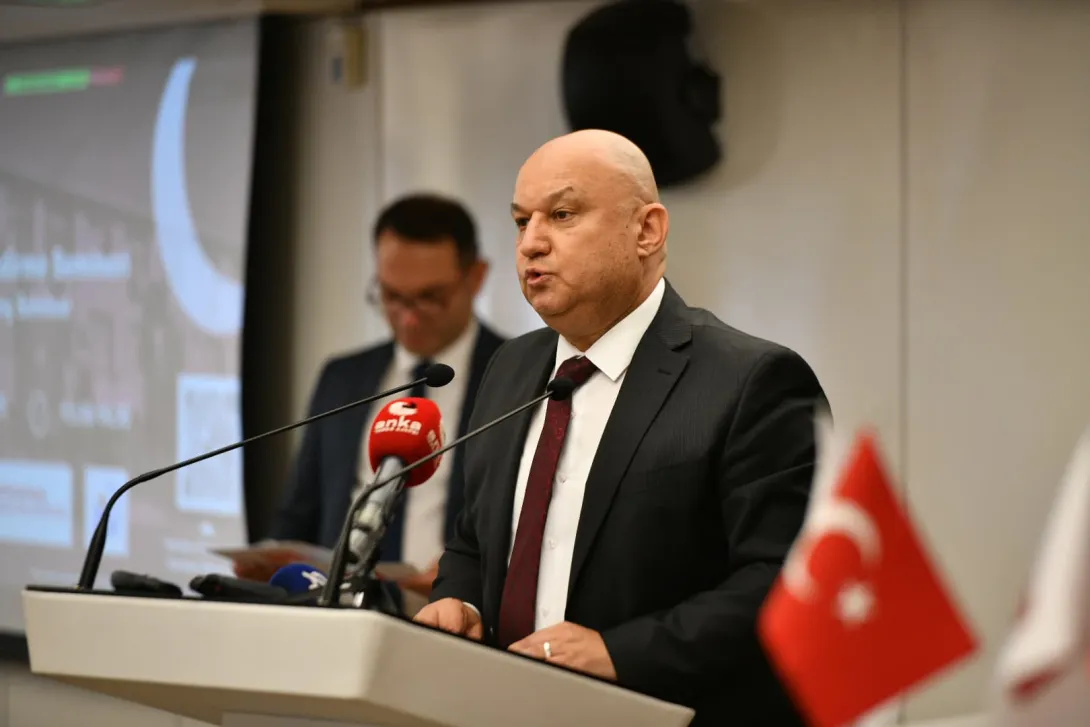
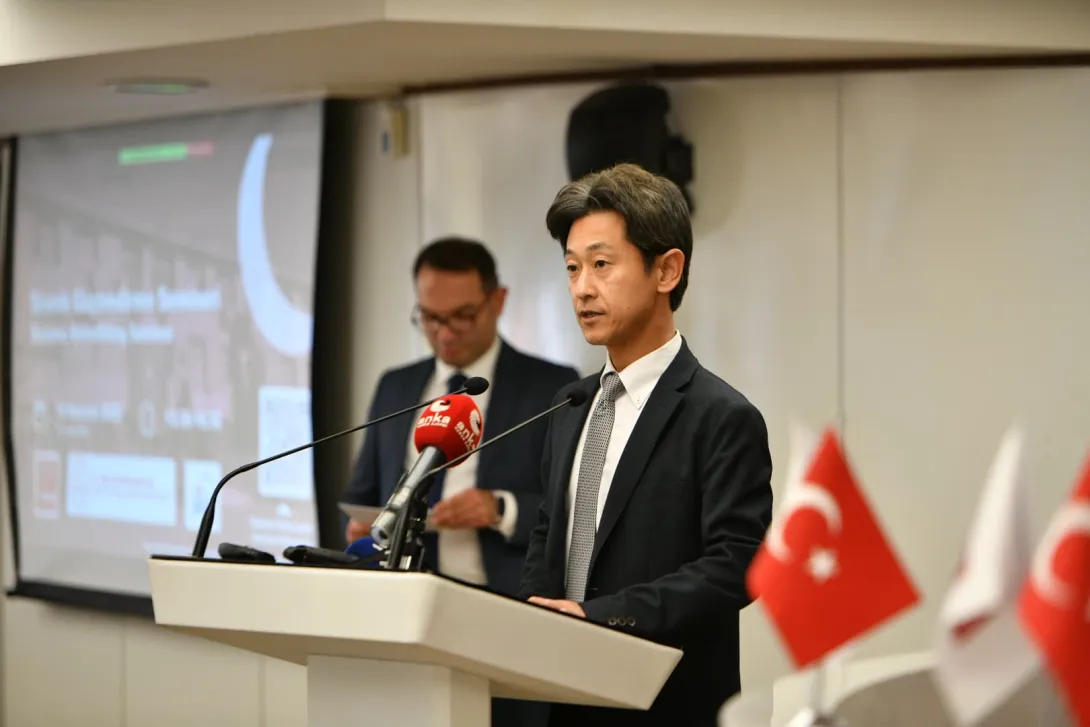
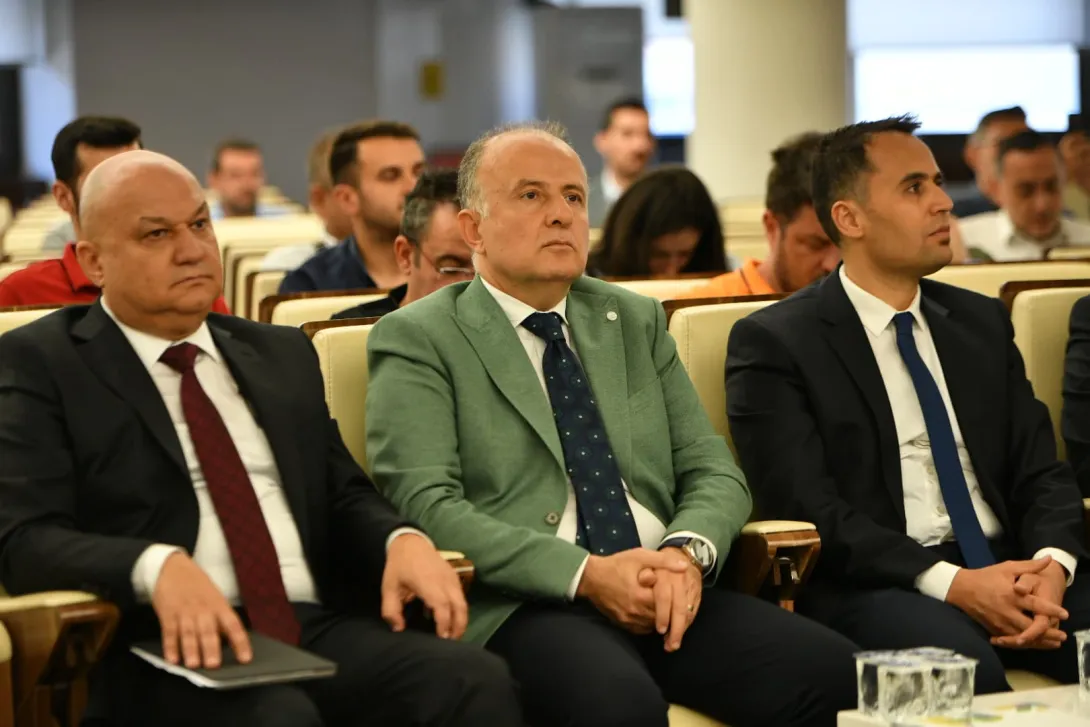
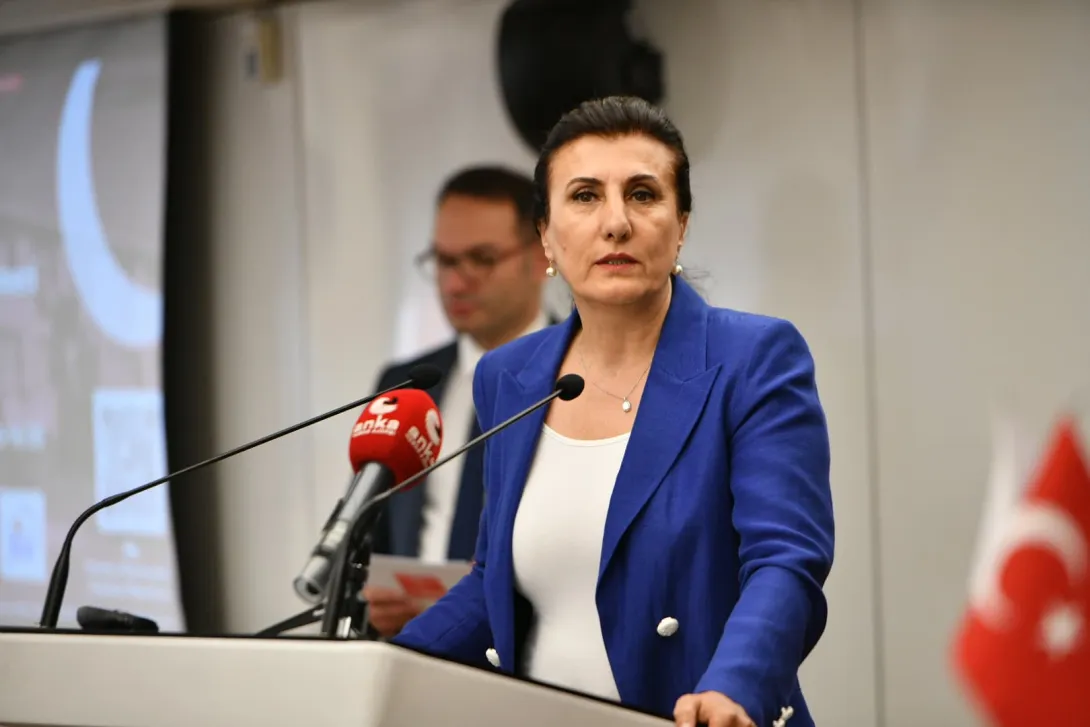
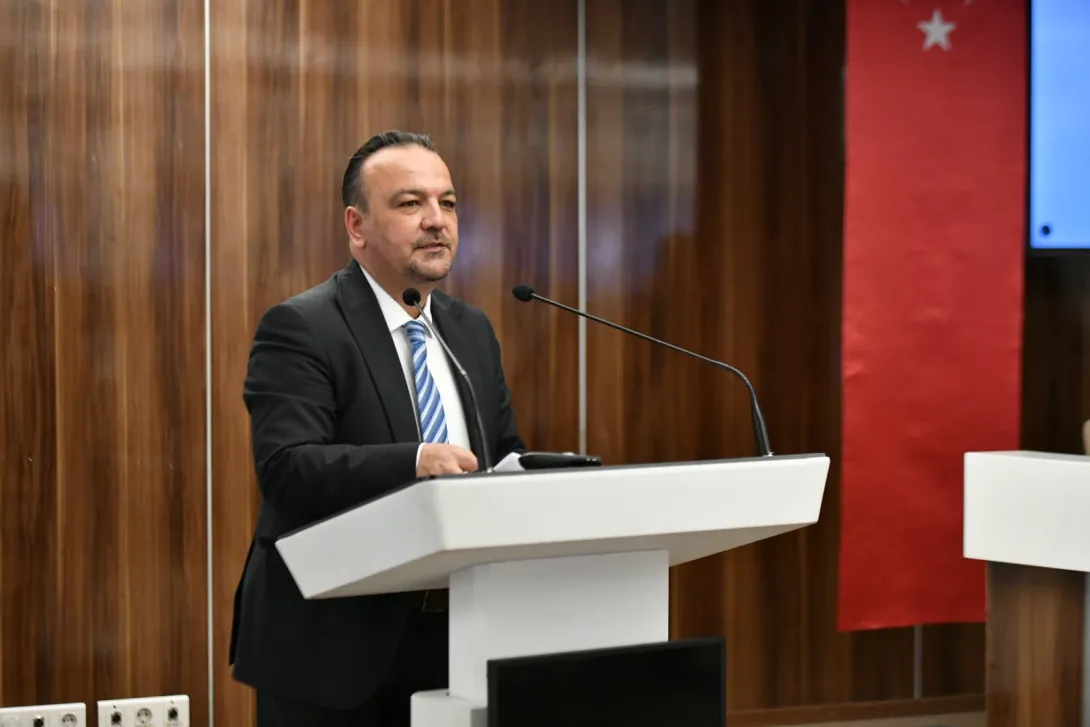
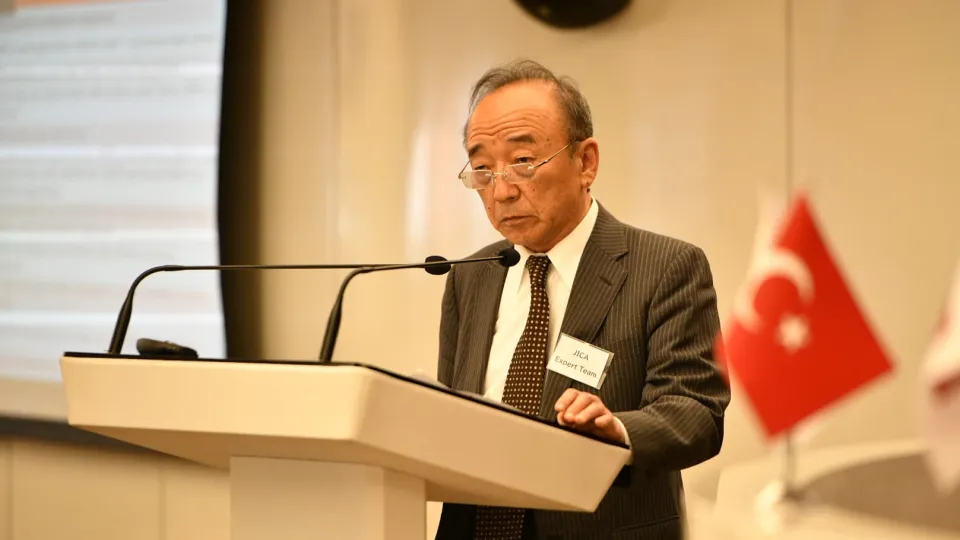
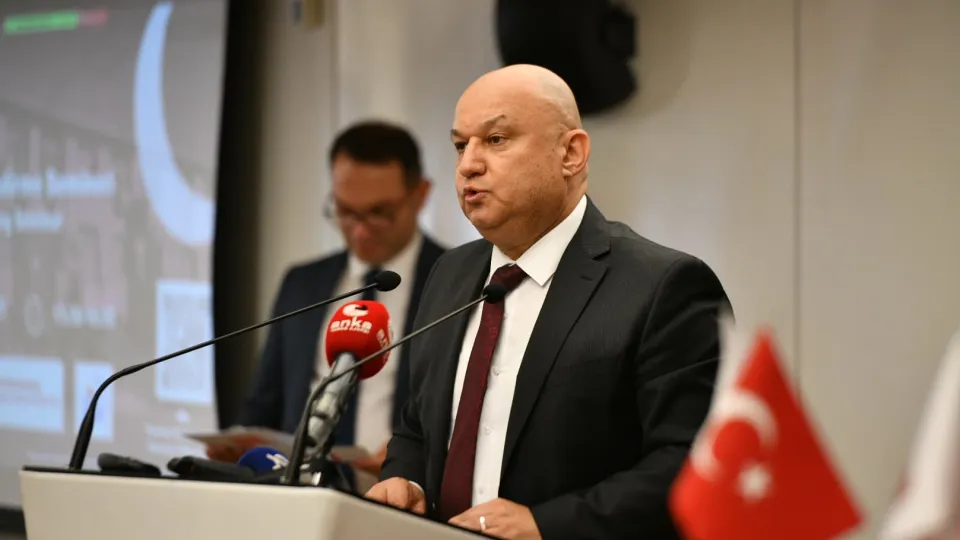
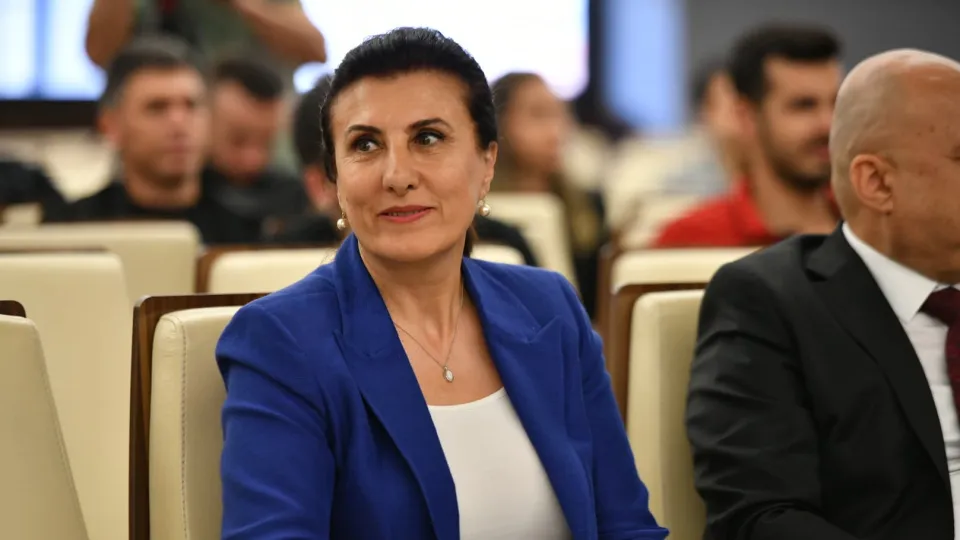
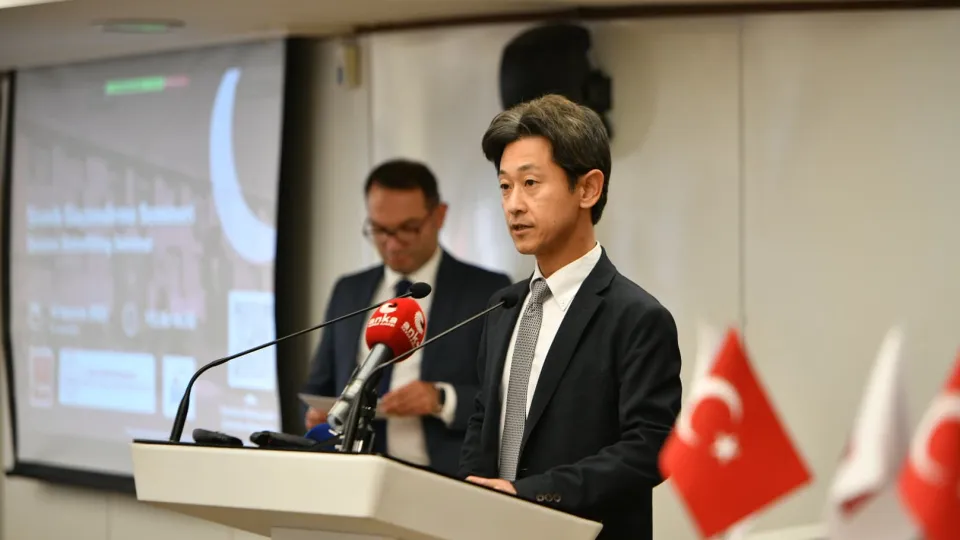
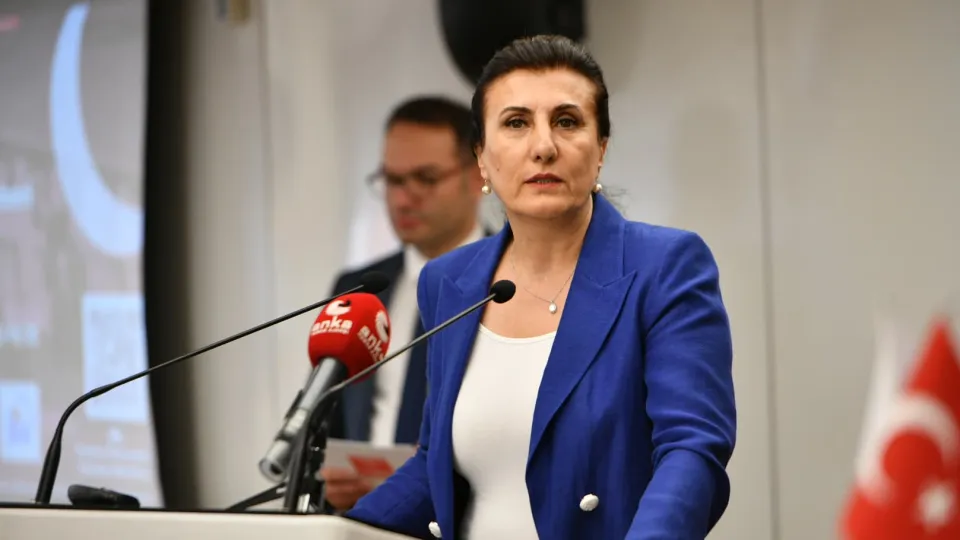
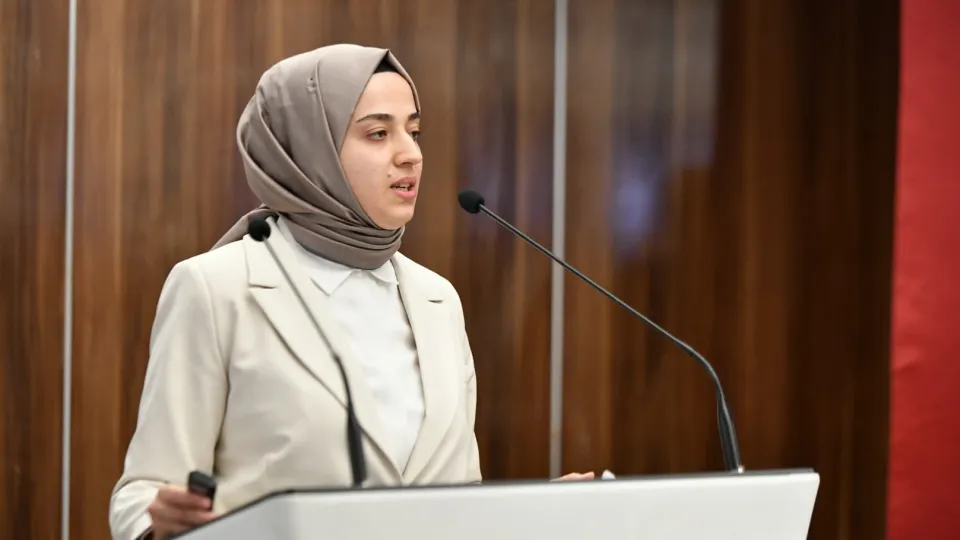
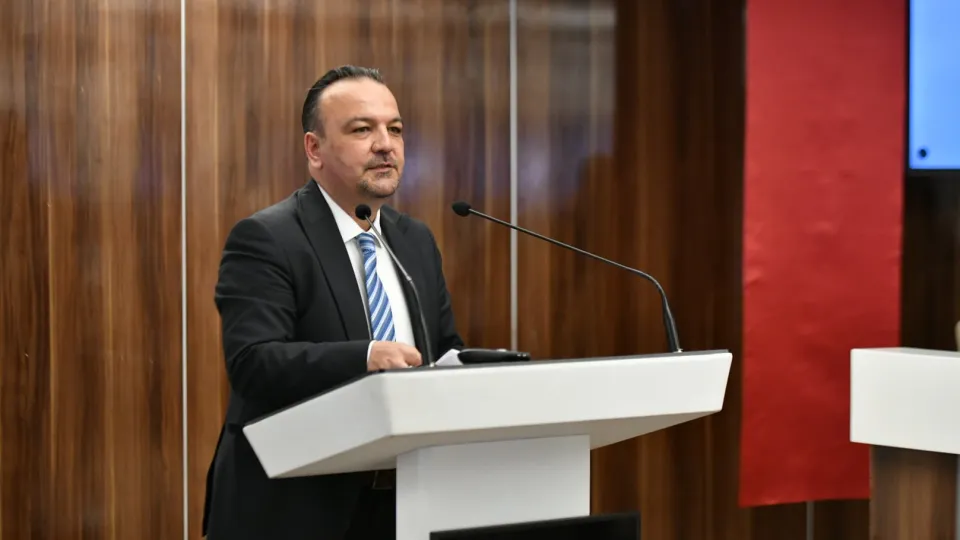
The opening speeches of the seminar were delivered by Dr. Şengül Altan Arslan, Deputy General Secretary of UMT; Watanabe Daisuke, JICA Turkiye Chief Representative; and İsmail Yıldırım, Director of the Construction Department at MNE.
Arslan: “We must build structures that will protect our future”
In his speech, Arslan emphasized the importance of efforts to increase resilience to disasters, saying, “The ‘Project to Increase Local Disaster Risk Reduction and Waste Management Capacity’ that we are carrying out with JICA aims to strengthen the capacity of our municipalities and partner institutions and to share international experience.”
Arslan emphasized that Turkiye is a country with a high risk of disasters and noted that the reports prepared after the February 6 earthquakes once again highlighted this reality. Arslan said, “Under the seismic reinforcement component of our project, we completed the structural reinforcement design using the external frame method at a middle school in Izmir with the contribution of the MNE Construction and Real Estate General Directorate. The most important feature of this method is that the building can remain in use during implementation and can be put into practice quickly.”
Arslan drew attention to the social significance of the project as well as its technical aspects, saying, “The external frame method will protect not only a building but also our children, who represent our future. This innovative method, which will be implemented for the first time in Turkiye, will be put into practice by the Ministry of National Education. I hope this work will serve as a good example for local administrations.”
Arslan also noted that the UMT is working intensively to increase the institutional capacity of local governments to respond to disasters in line with its strategic objectives.
Daisuke: “One hand can do little, but two hands can do a lot”
Emphasizing that Turkiye faces a serious earthquake risk despite its natural beauty, JICA Turkey Chief Representative Watanabe Daisuke said, “Recent events have clearly shown that being prepared for disasters is not just a good idea, but an absolute necessity.” Expressing pride in the collaboration with UMT and MNE, Daisuke noted that this partnership demonstrates how powerful working together can be.
Referring to Turkish culture in his speech, Daisuke said, “Recently, I learned a Turkish proverb that beautifully describes our joint efforts: One hand can do little, but two hands can make a sound.” Daisuke stated that shared information, joint commitments, and unified actions can have a real impact on disaster preparedness and increasing the resilience of cities, and called for “Let us learn from each other and work together to make every community in Turkiye more prepared, stronger, and more resilient.”
Yıldırım: “The external frame method will set an example for the public.”
İsmail Yıldırım, Director of Construction Works at the Ministry of National Education, also stated that the pilot application carried out using the external frame method will pave the way not only for the existing school building but also for similar projects in the future. Yıldırım said, "With this project, we are trying to show that reinforcement work can be completed without losing a sense of belonging and without moving to another school. The current situation and our anticipated action plans also support this approach."
Highlighting the importance of the new techniques developed with the contributions of Nippon Koei and JICA, Yıldırım emphasized that these efforts are of great value in terms of both knowledge accumulation and protecting human life.
Yıldırım stated that they achieved significant gains in a 16-month period during the pilot project implemented in Bayındır, İzmir, using the external frame method, and said, “This 16-month period showed us that new techniques can make important contributions to our country. The project will also serve as an example for public institutions and the private sector.” Yıldırım stated that they set out with the goal of reducing reinforcement costs, saying, “Our goal is to keep 80–85% of the total cost within the reinforcement. If we achieve this success, it will be an important gain for all public institutions in both material and moral terms.”
Project evaluation by the technical support team
Toshihiko Suzuki, the technical support team leader for seismic reinforcement, noted that the project is part of the “Local Disaster Risk Reduction and Waste Management Capacity Building” program, which runs from March 2023 to February 2026. The main scope of the project is defined as the development of local disaster prevention, reinforcement measures, and solid waste management.
Suzuki said that external frame systems such as the “master frame” method brought from Japan were used in the project and that these methods allowed for the rapid reinforcement of buildings while they were in use.
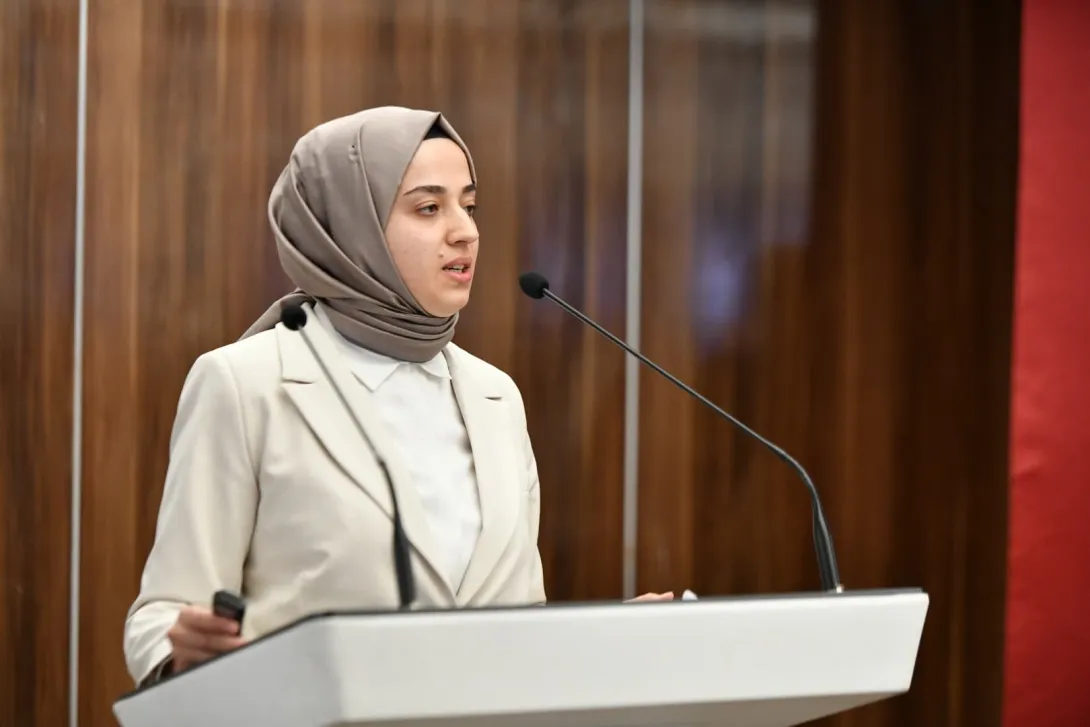
Following Suzuki, Fulya Atay from UMT shared her observations on the technical training program conducted in Japan with the participants. Later, Dr. Ahmet Hakan Mutlu from the Ministry of National Education explained the institution's seismic reinforcement strategy and their preference for the external frame method.
During the program, İsmail Yıldırım, a representative of the Ministry of National Education, gave a presentation on action plans developed in the context of disaster preparedness and the business continuity approach.
The Seismic Reinforcement Seminar concluded with Daisuke's closing remarks. In his speech, Daisuke stated that they hope the seismic reinforcement work carried out in Izmir will spread throughout Turkiye. Daisuke also said, “We hope to continue our work to build a more resilient society and cooperation for the people of both countries.”