

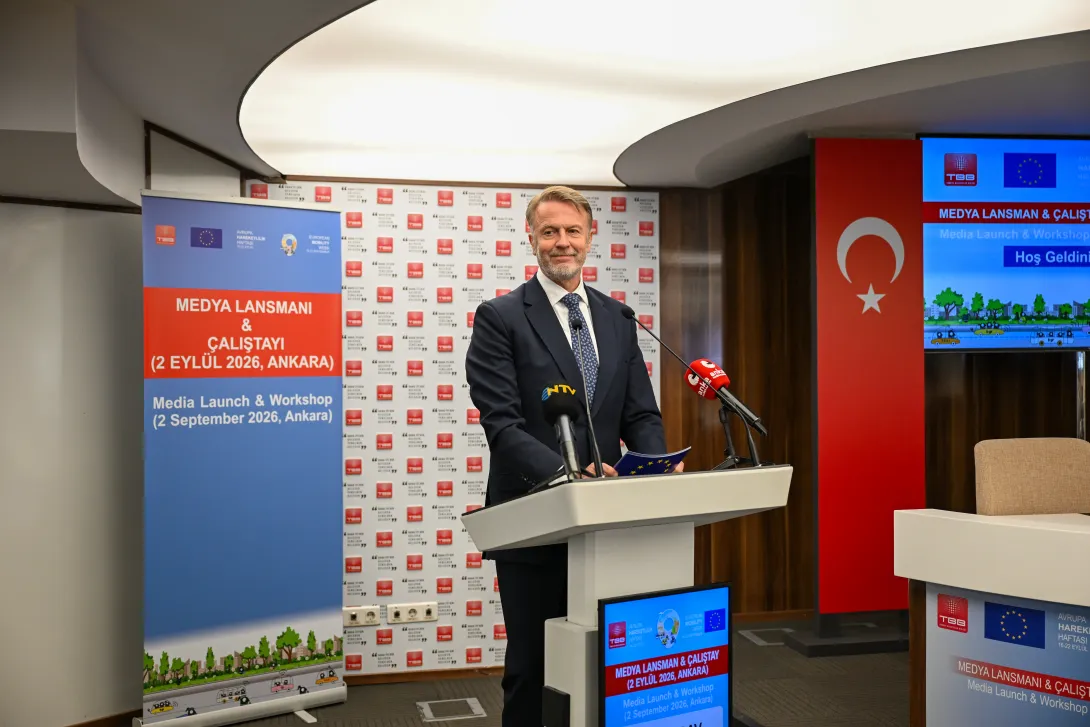
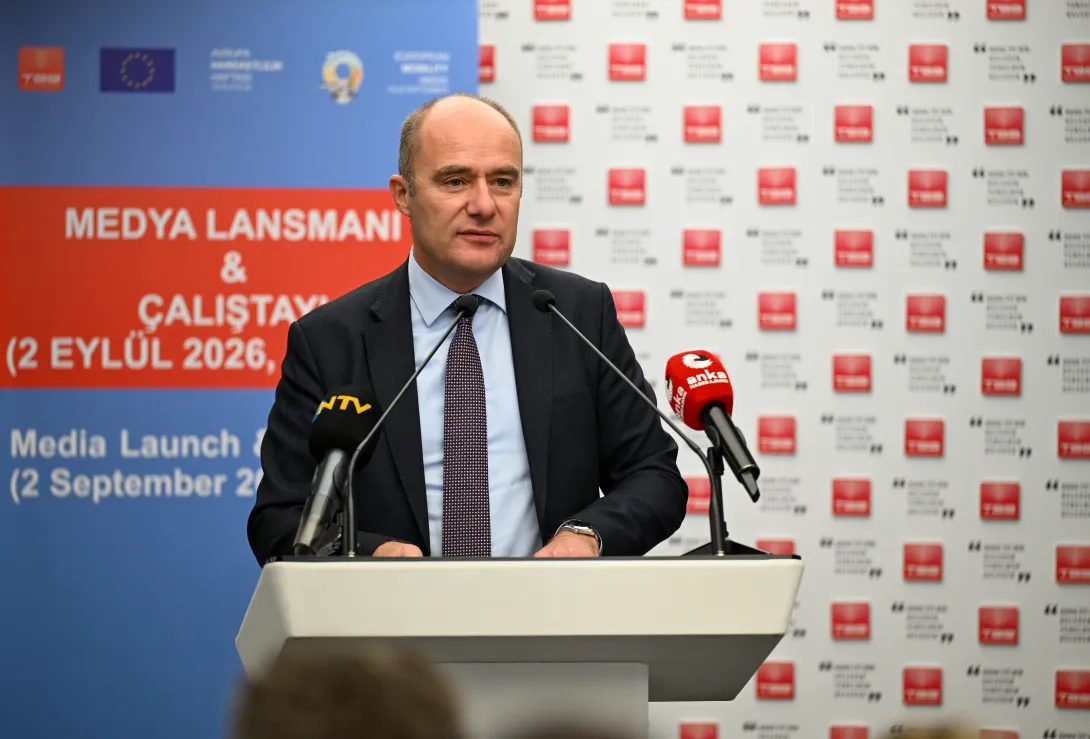
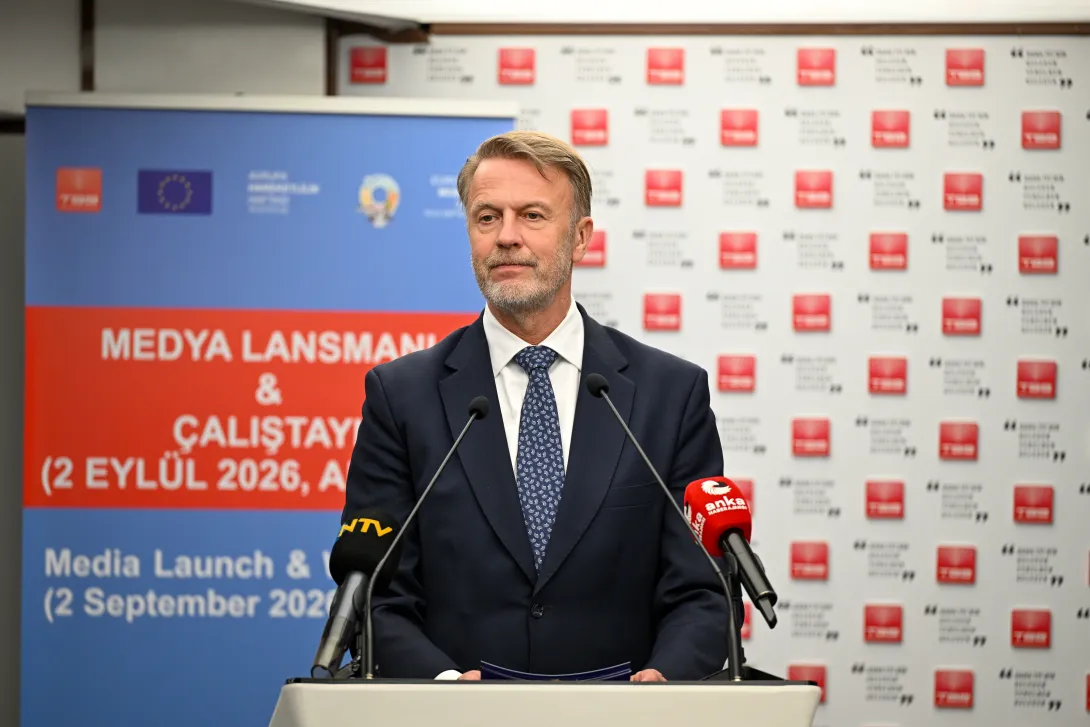
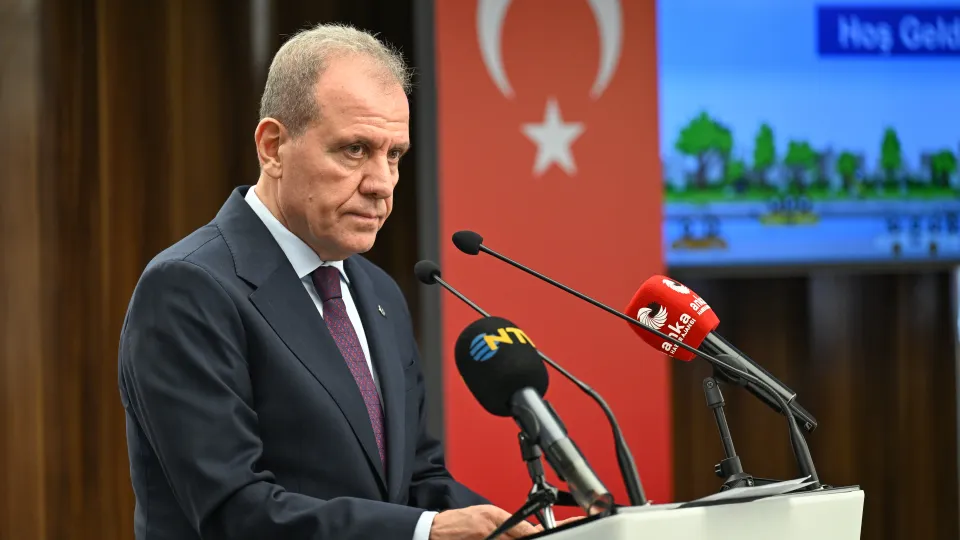
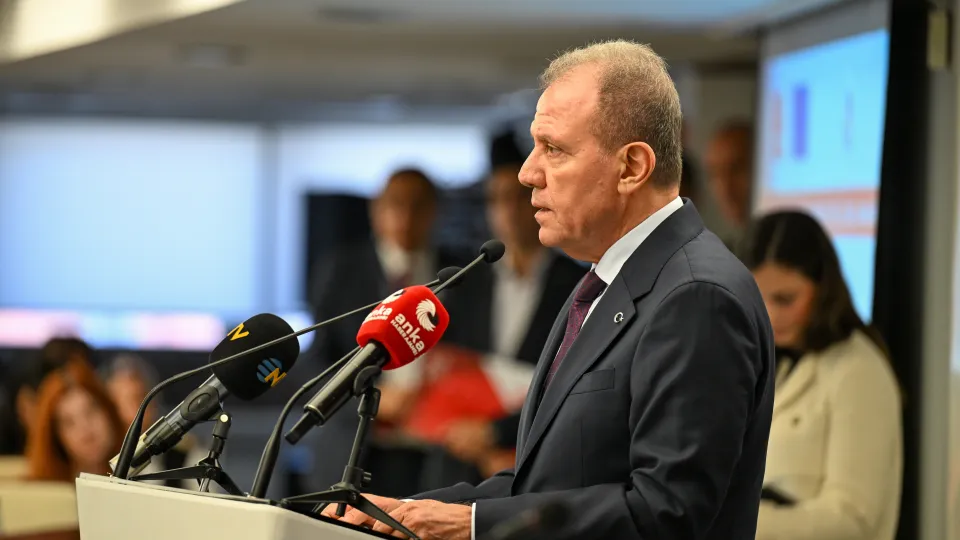
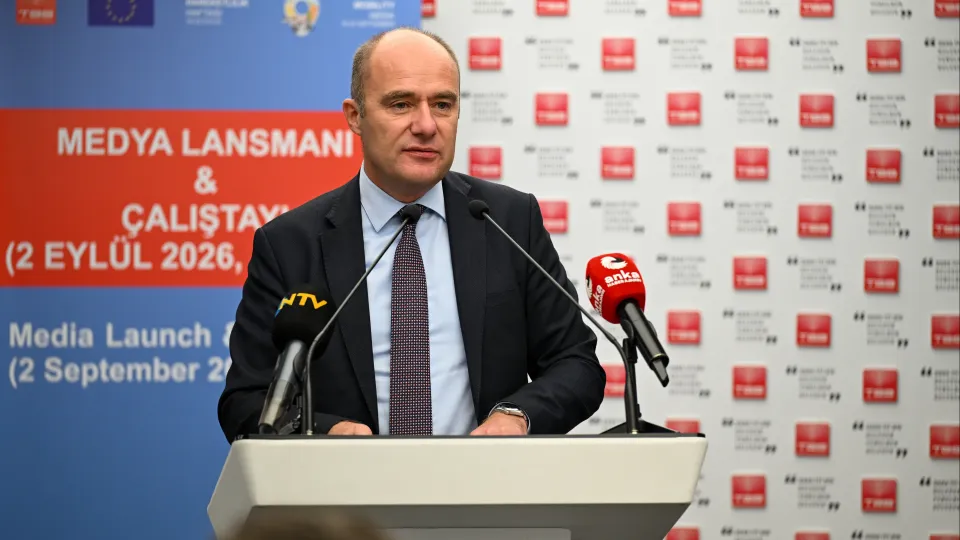
SEÇER: “WE AIM TO OFFER TRANSPORTATION SOLUTIONS LEAVING NO ONE BEHIND”
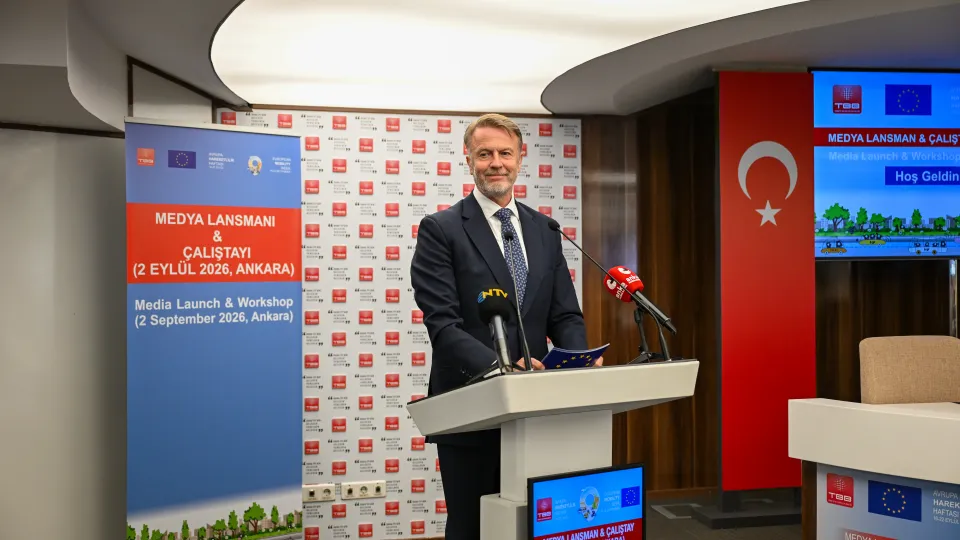
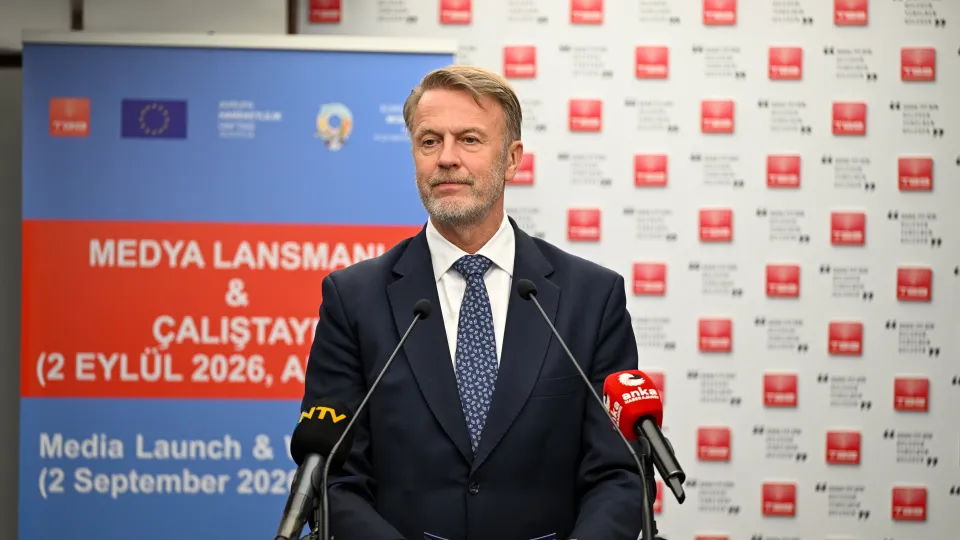
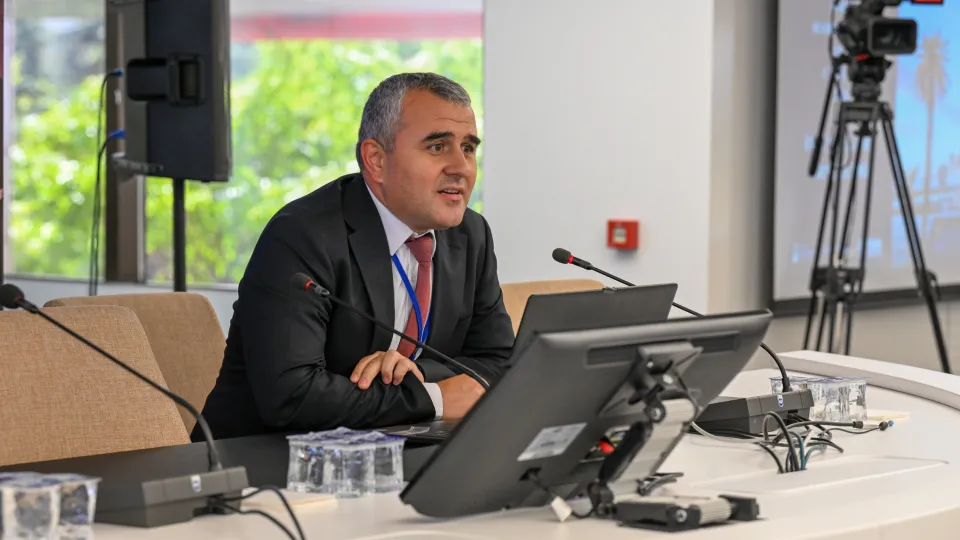
ORAV: “EUROPEAN MOBILITY WEEK IS A SEVEN-DAY EXPERIENTIAL WEEK”
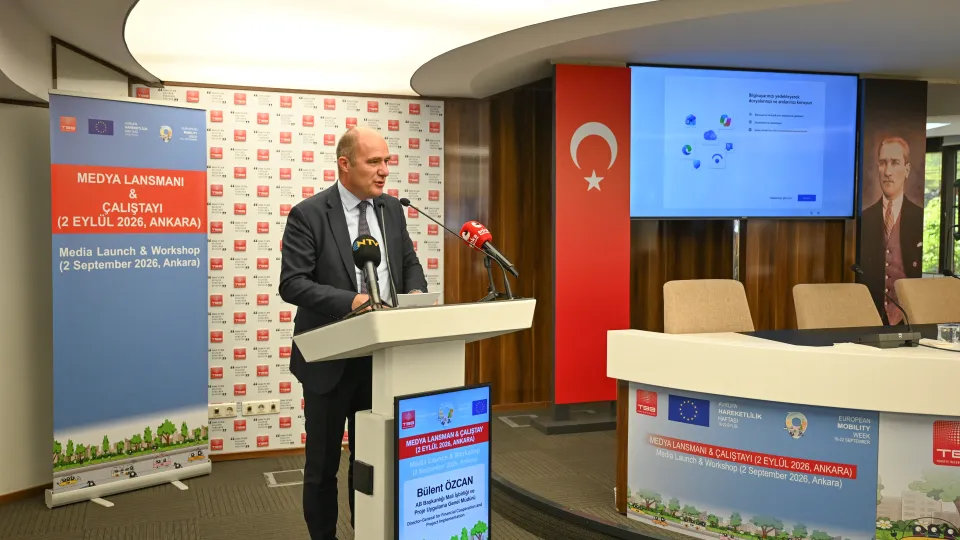
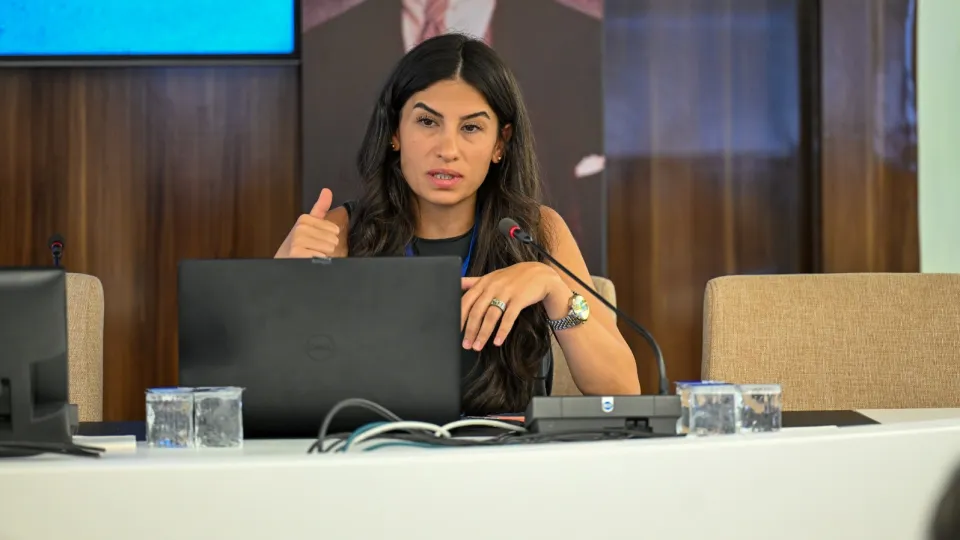
ÖZCAN: “WE AIM FOR EQUAL ACCESS TO TRANSPORTATION FOR EVERYONE”
Ankara-
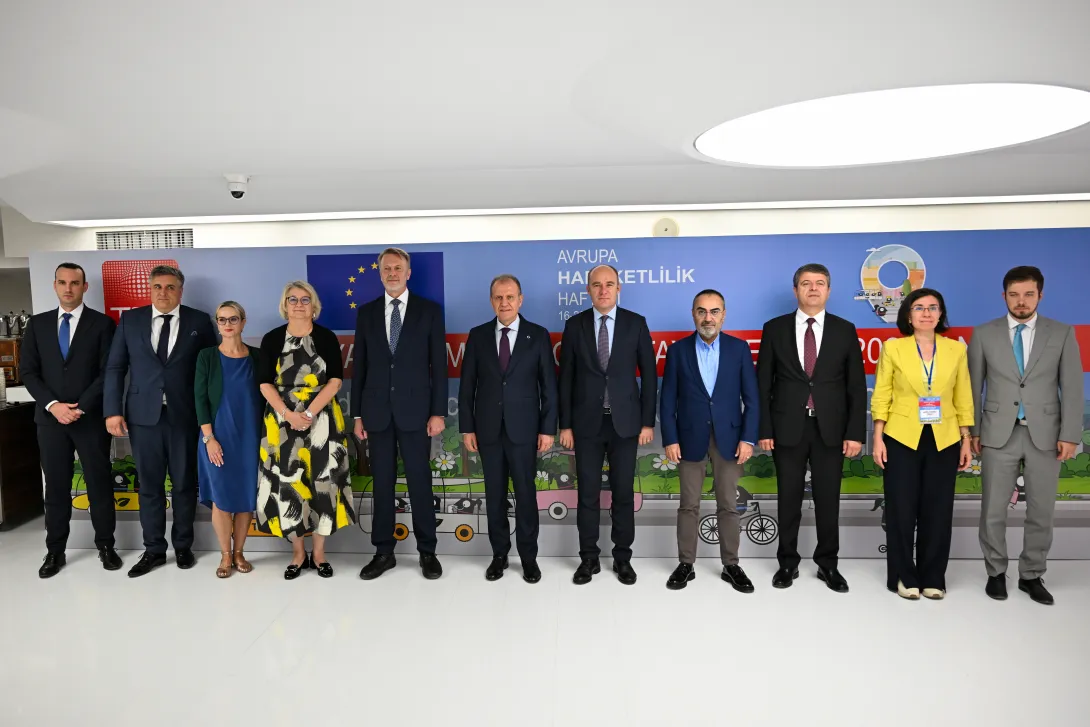
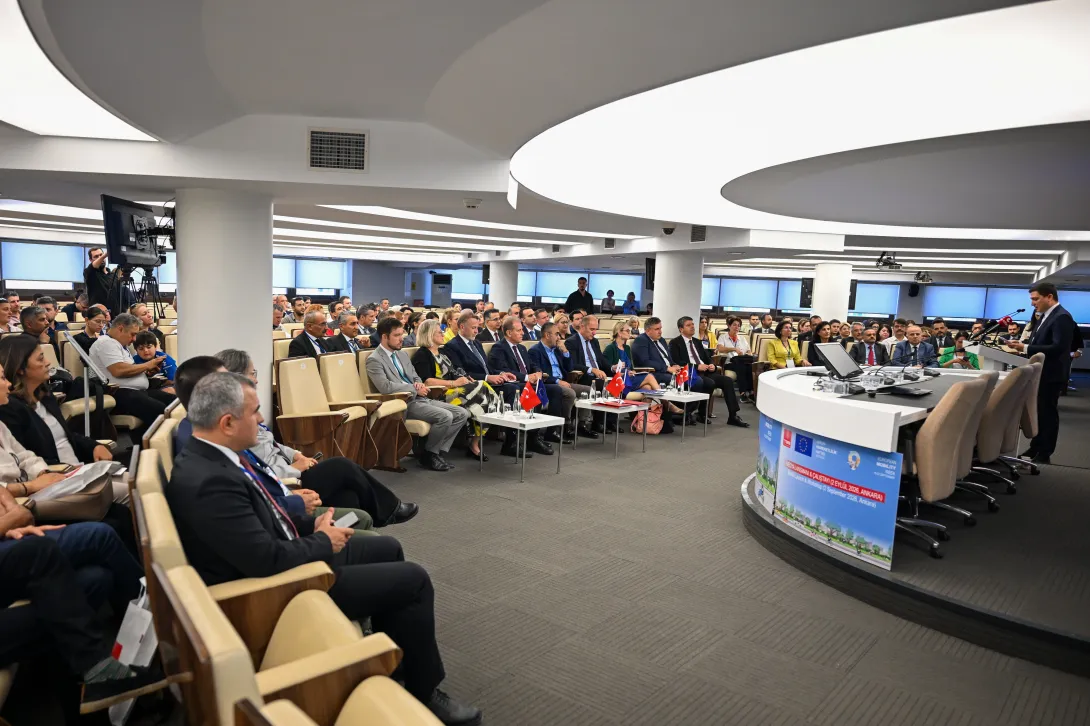
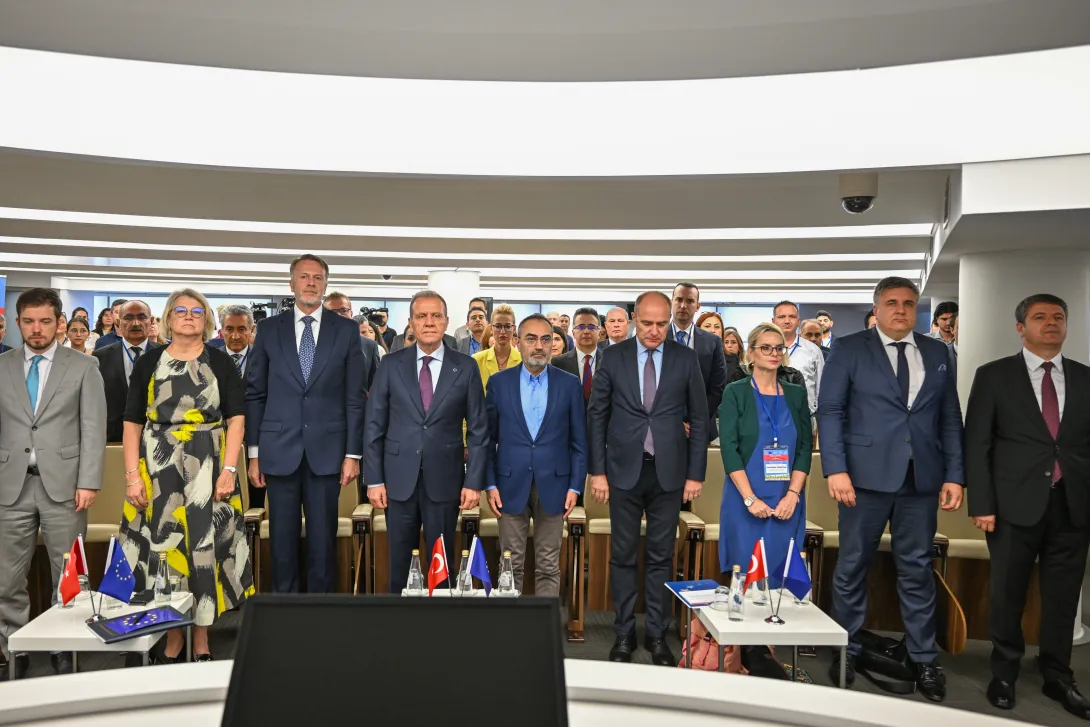
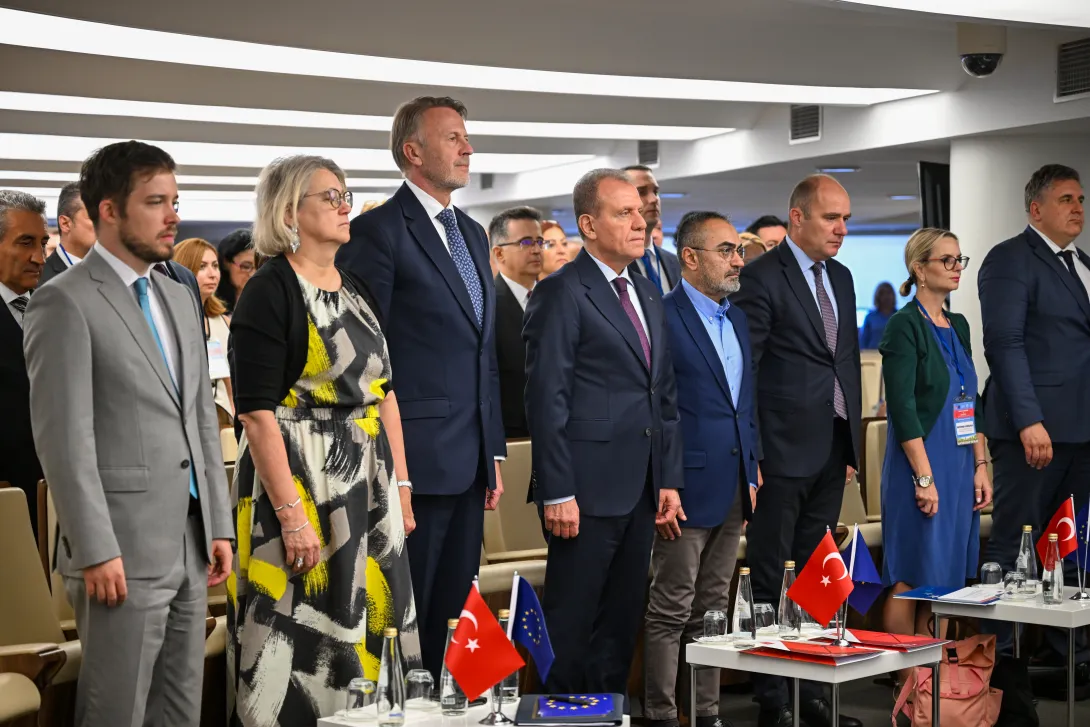
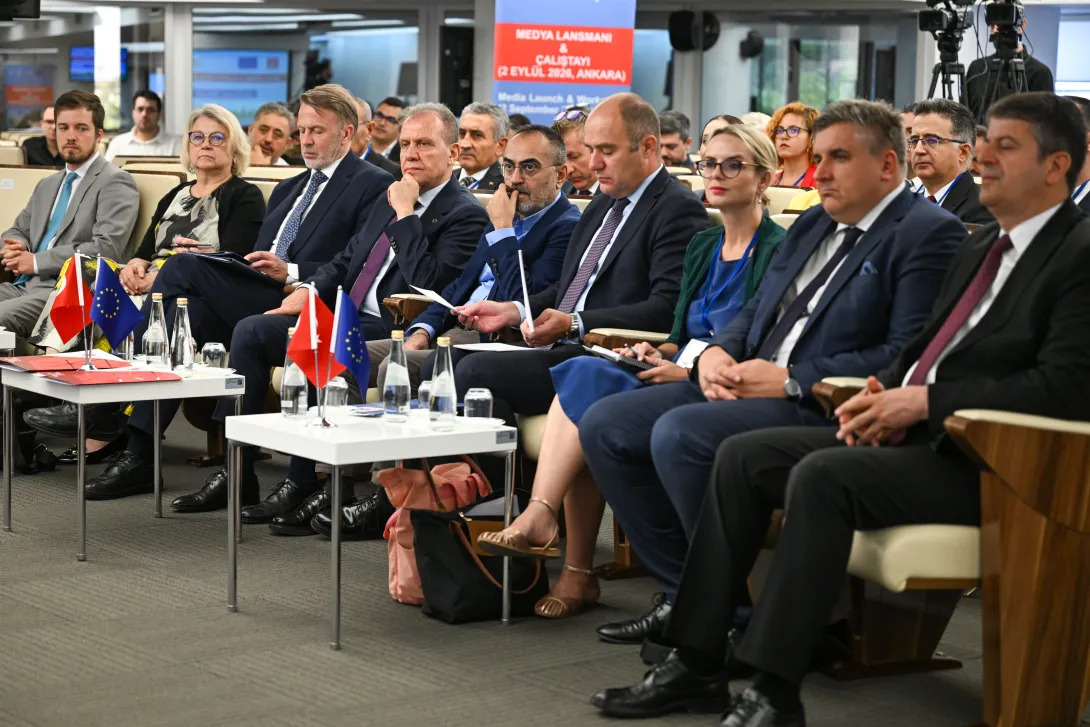
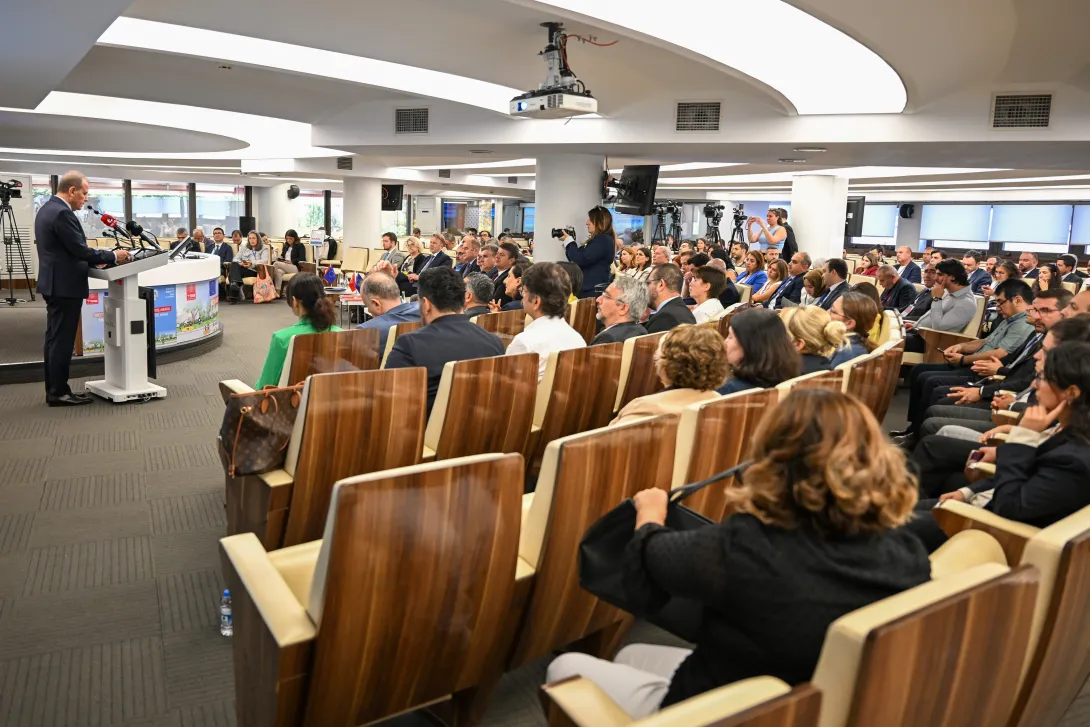
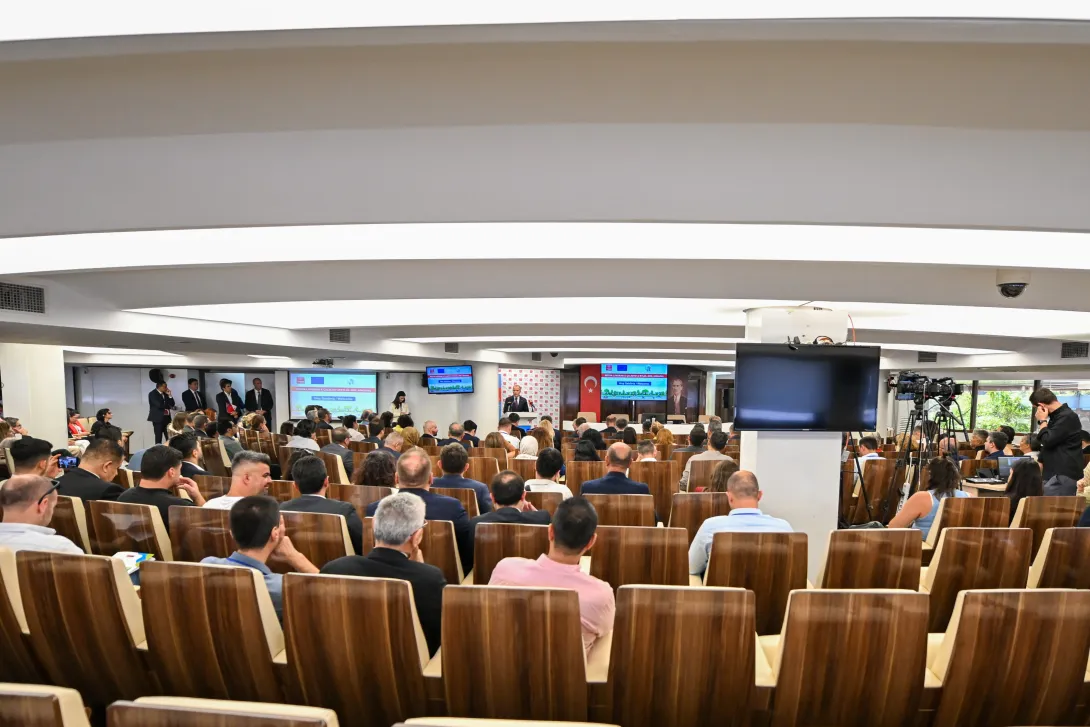
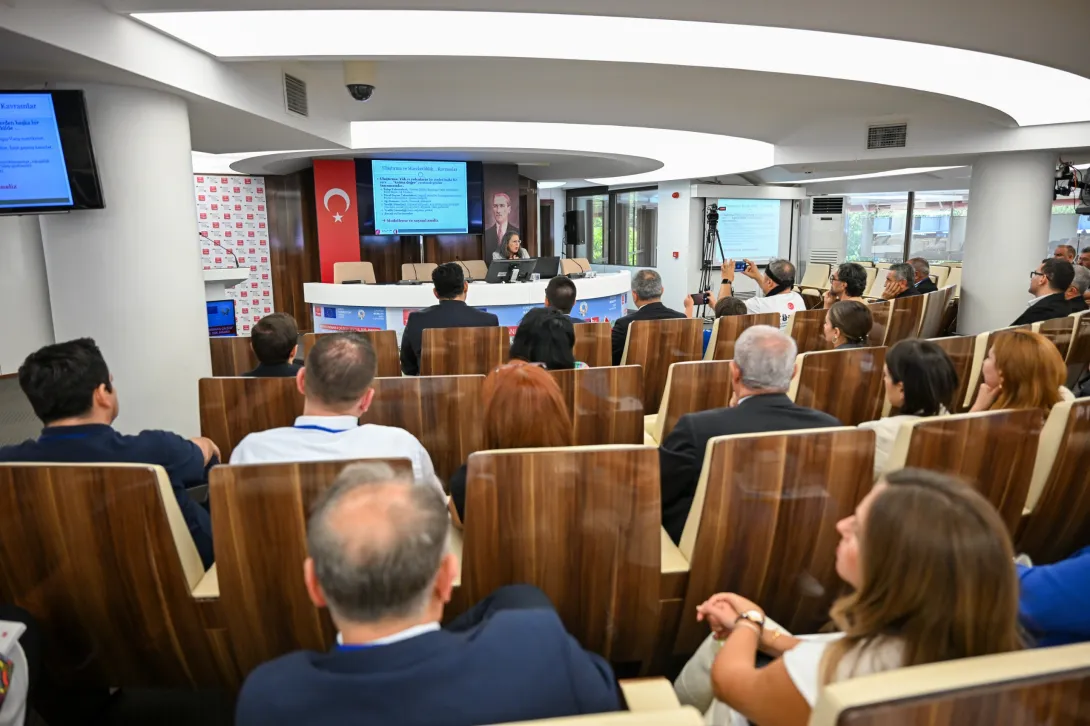
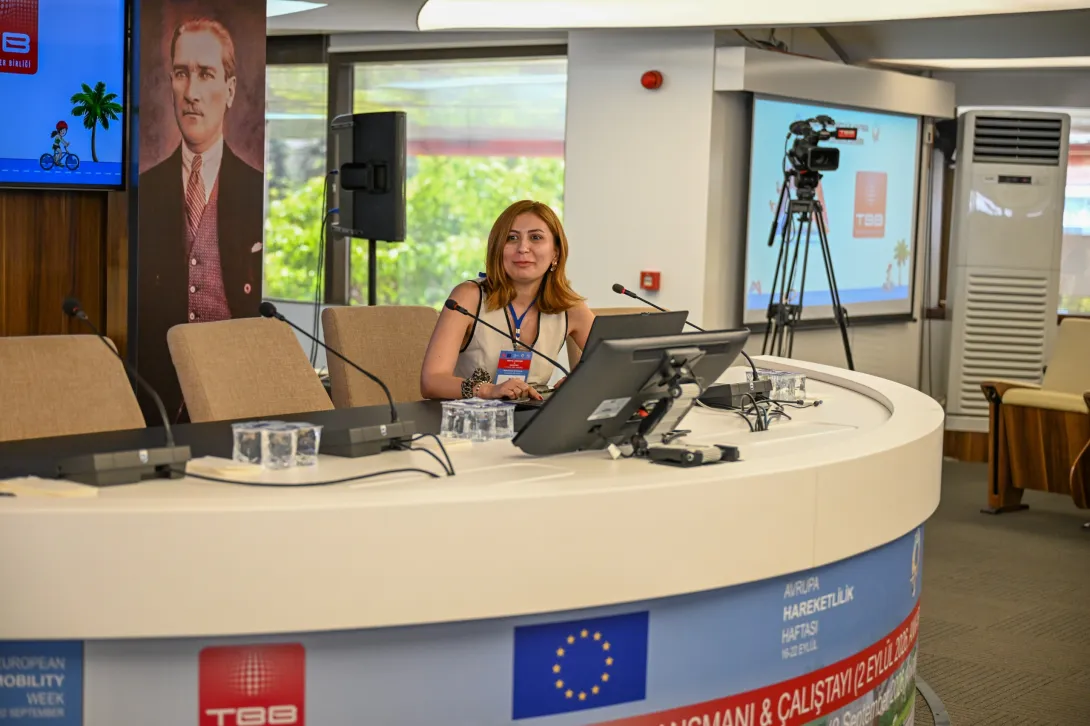
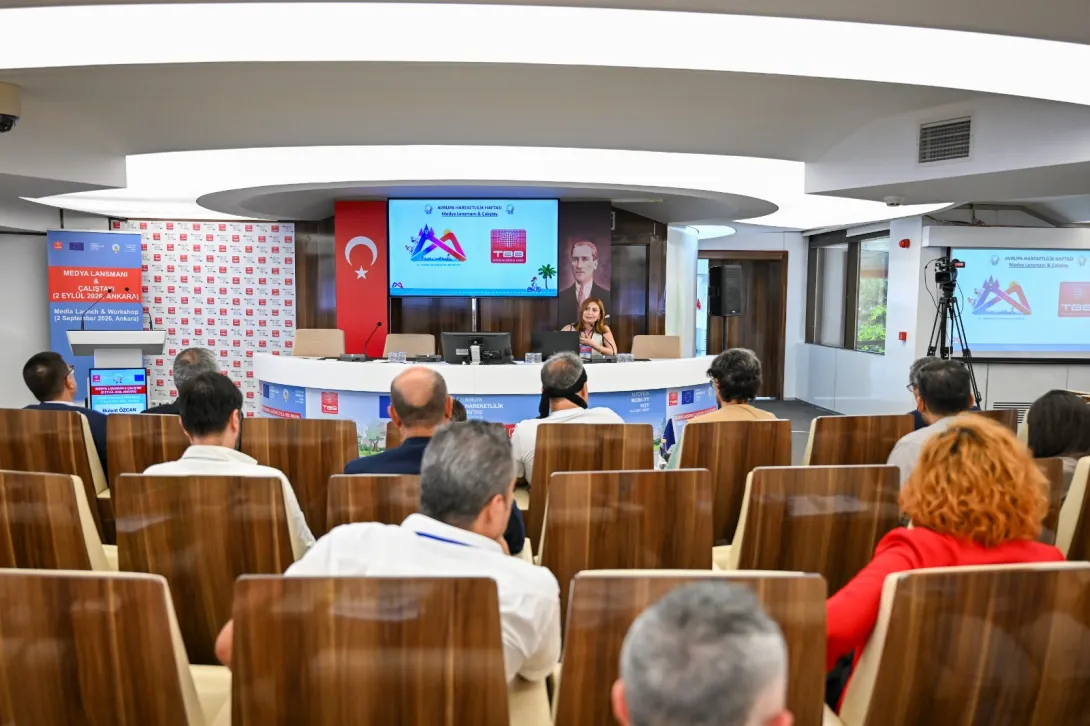
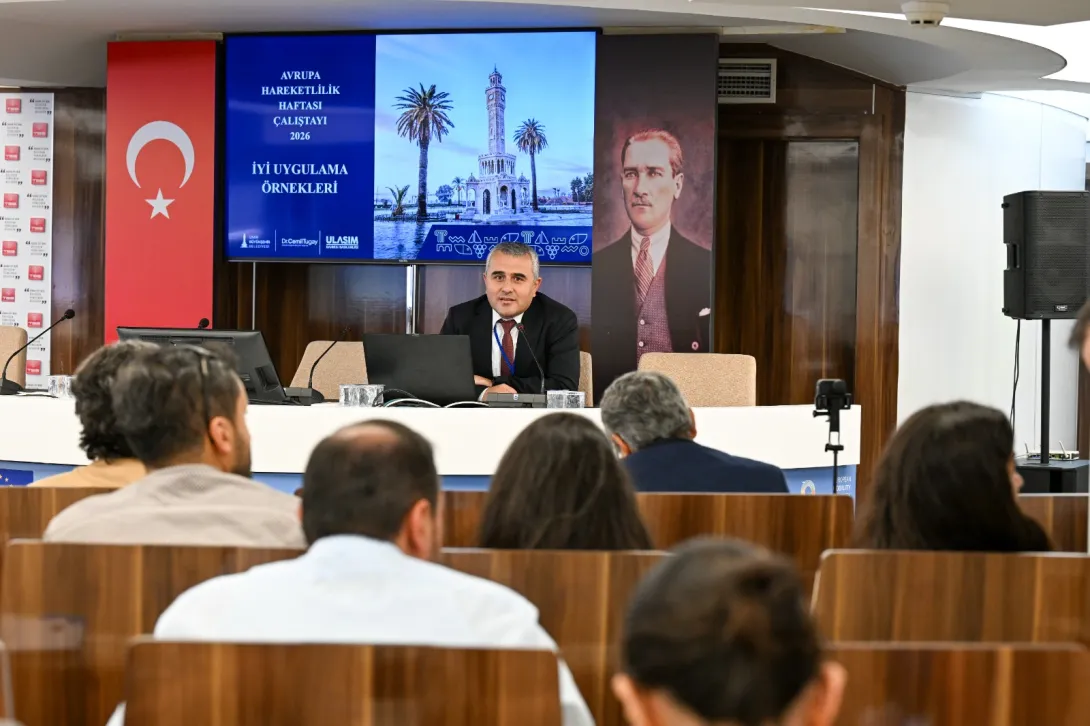
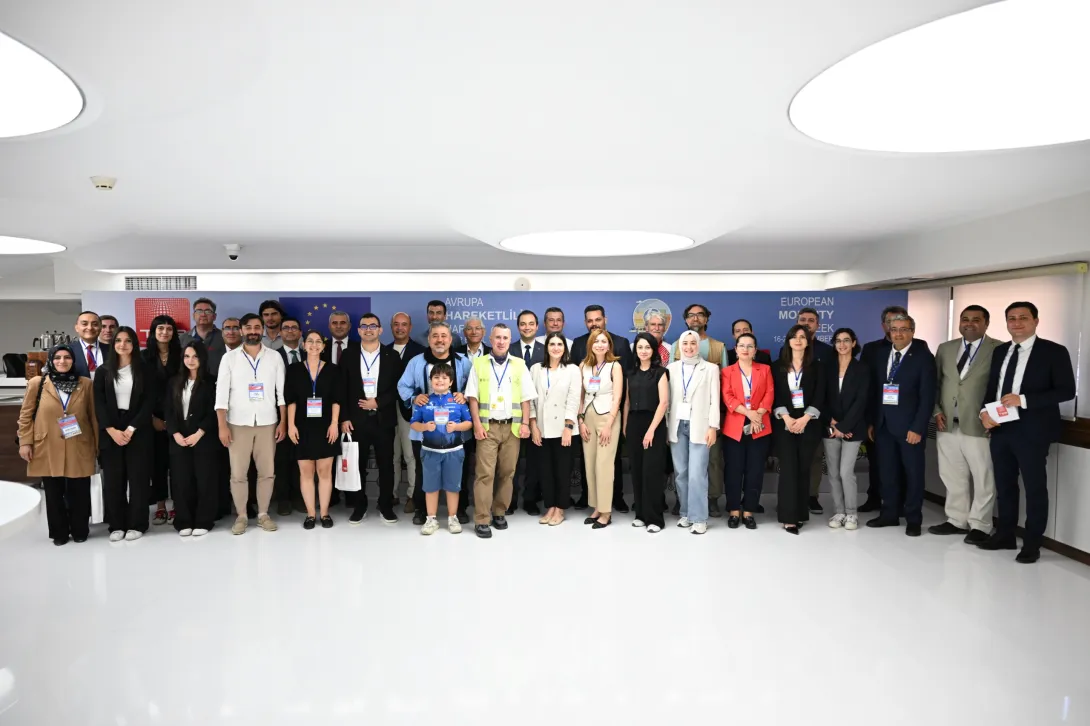
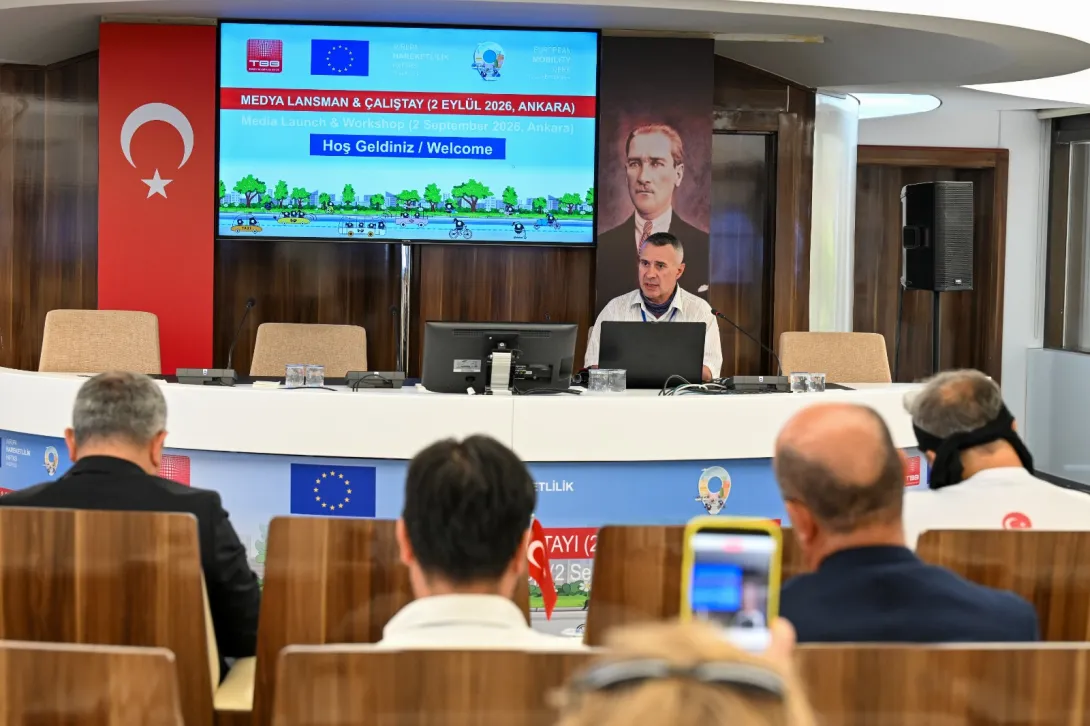
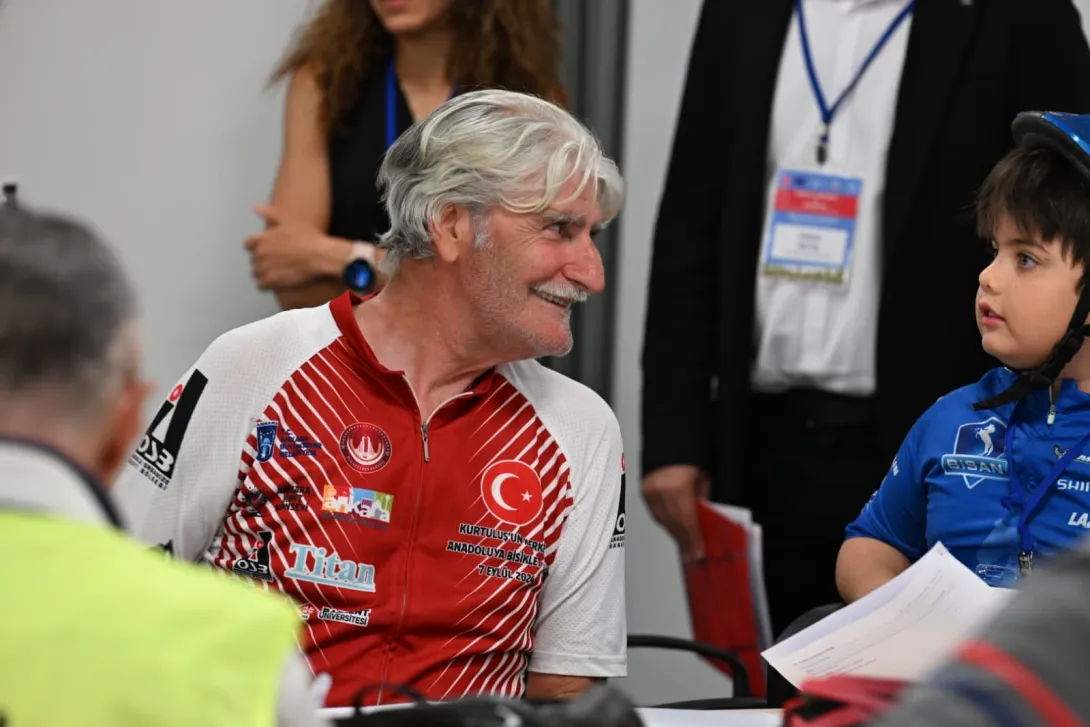
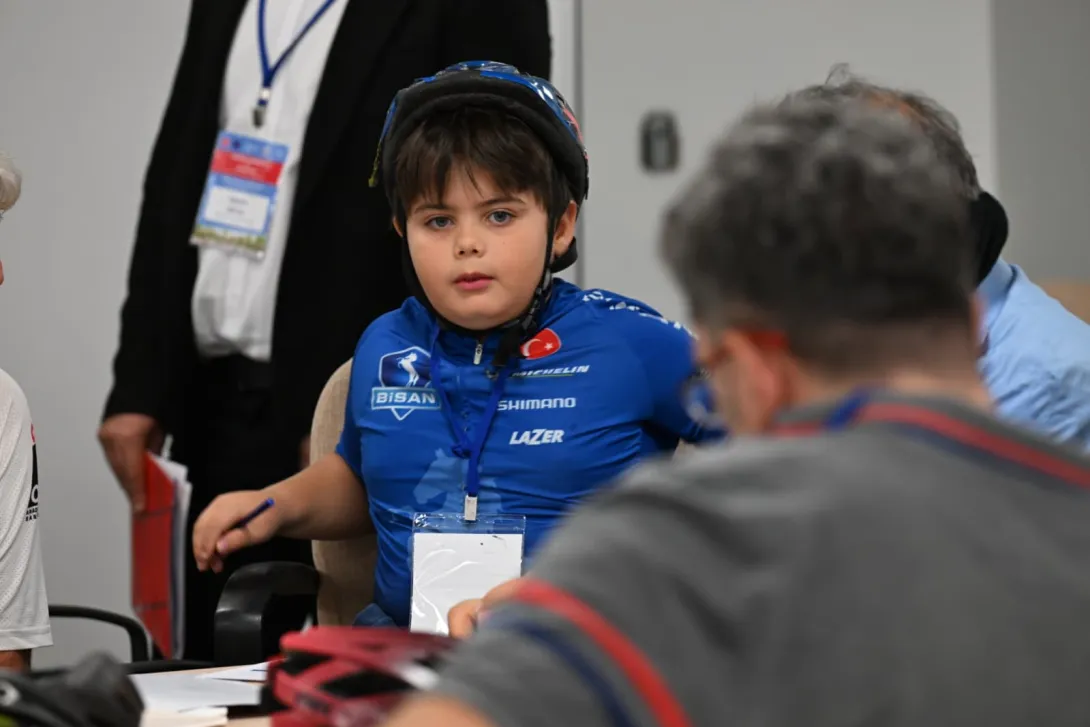
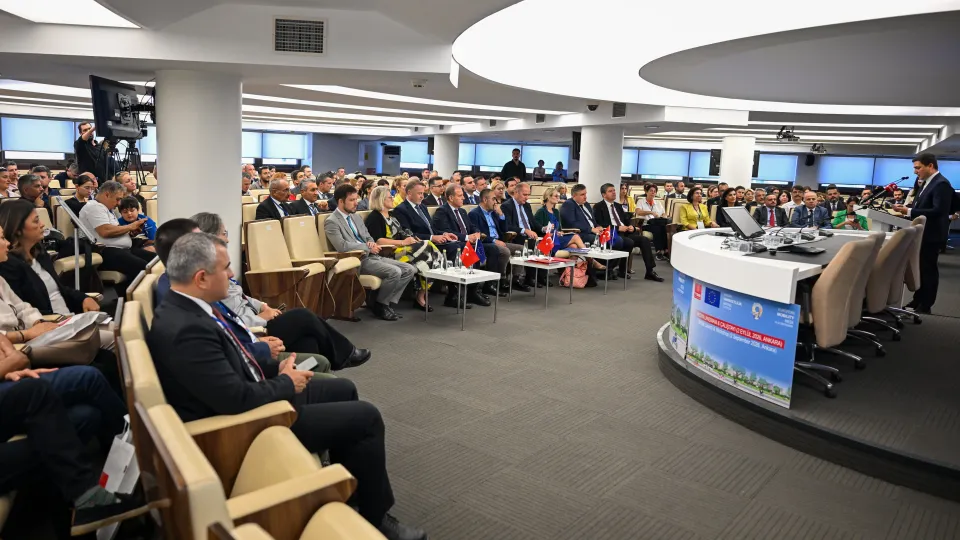
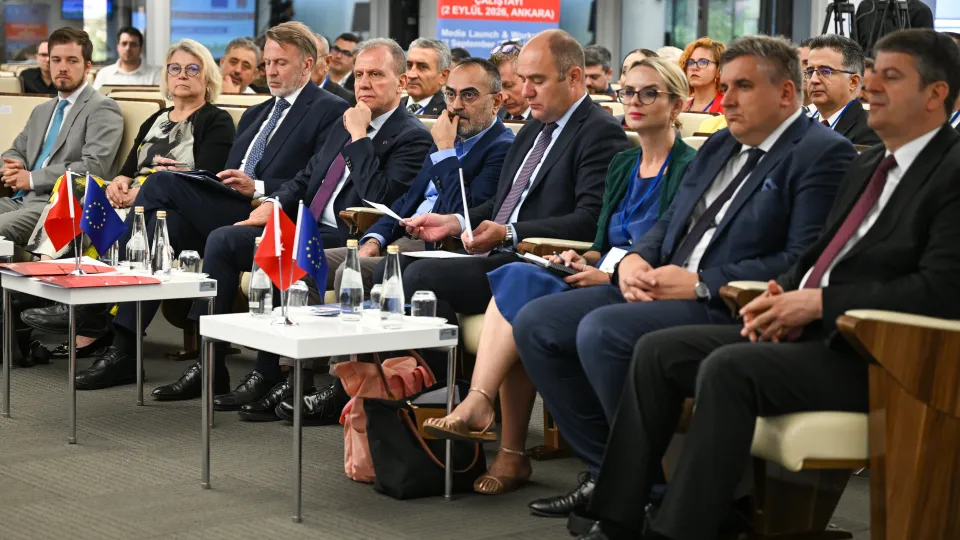
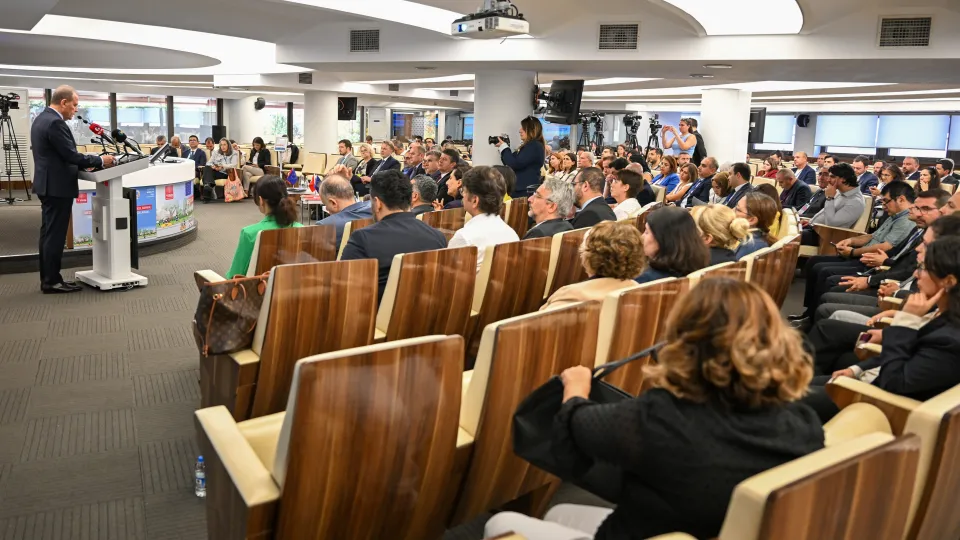
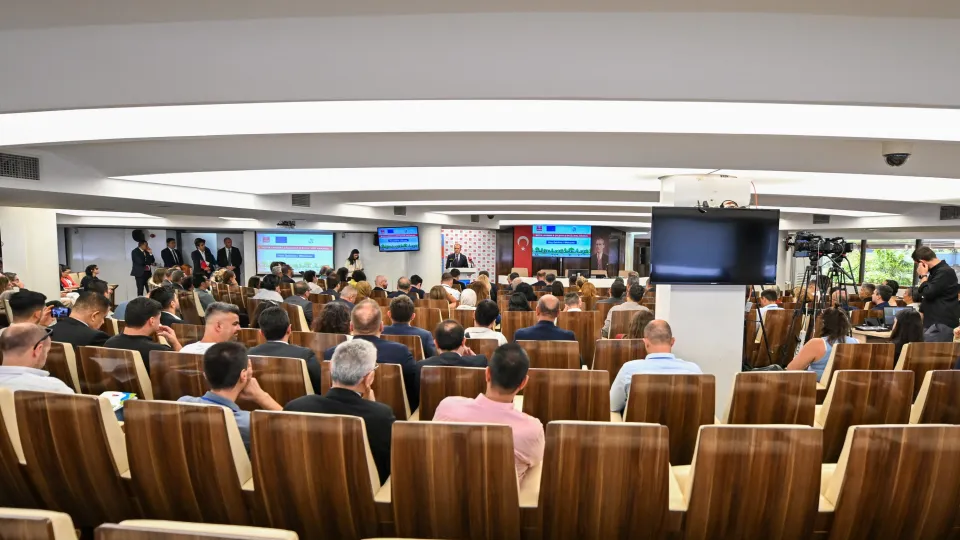
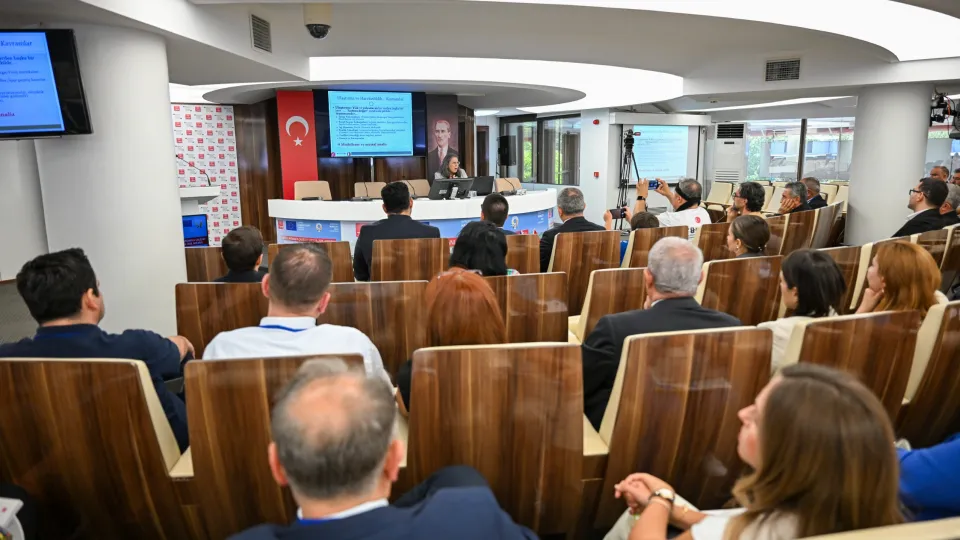
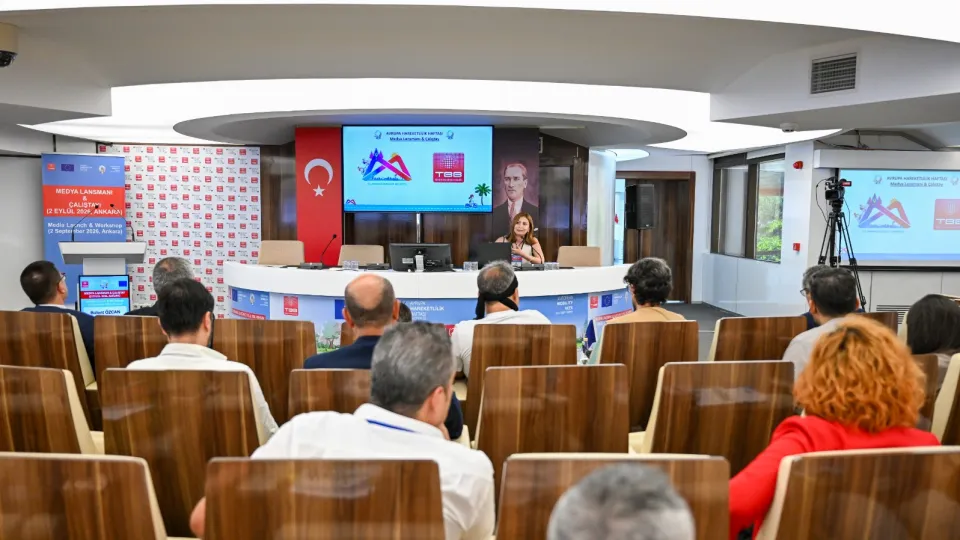
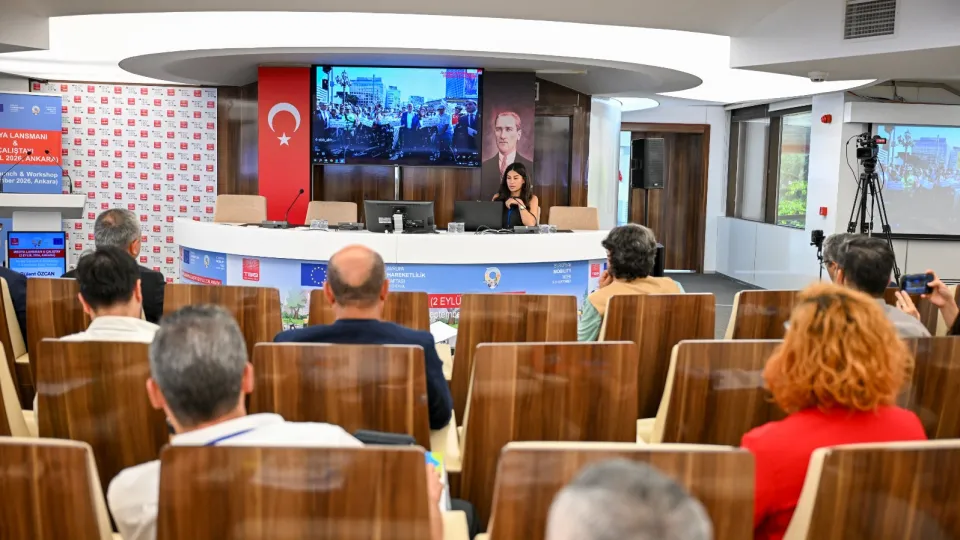
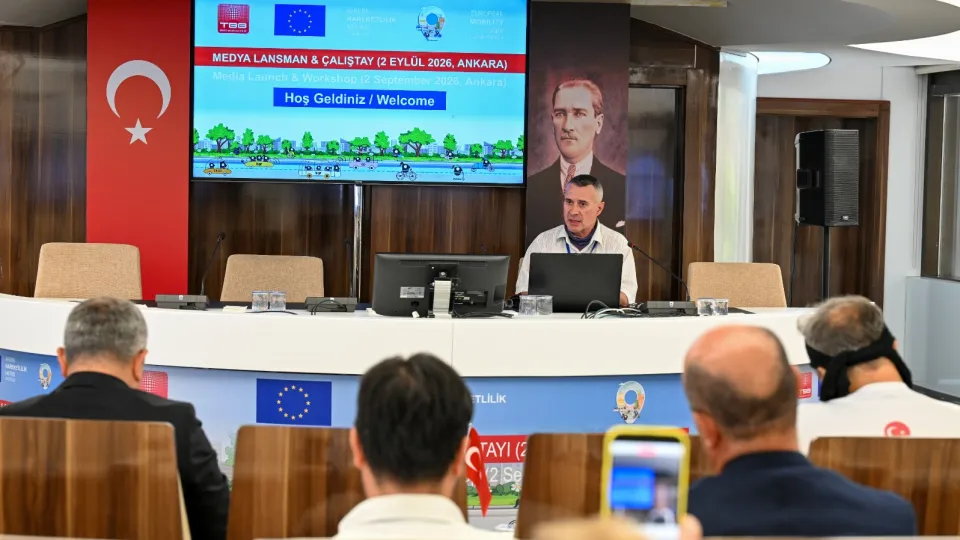
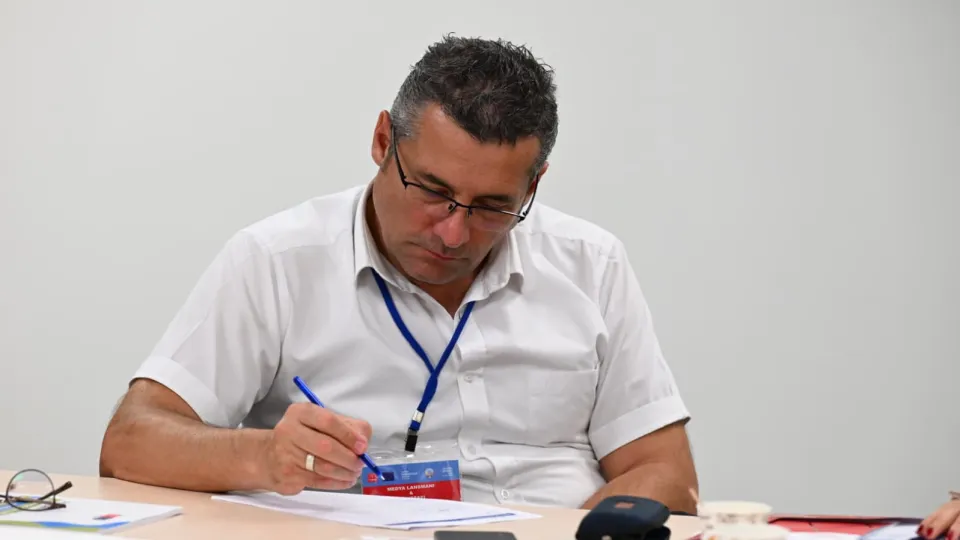
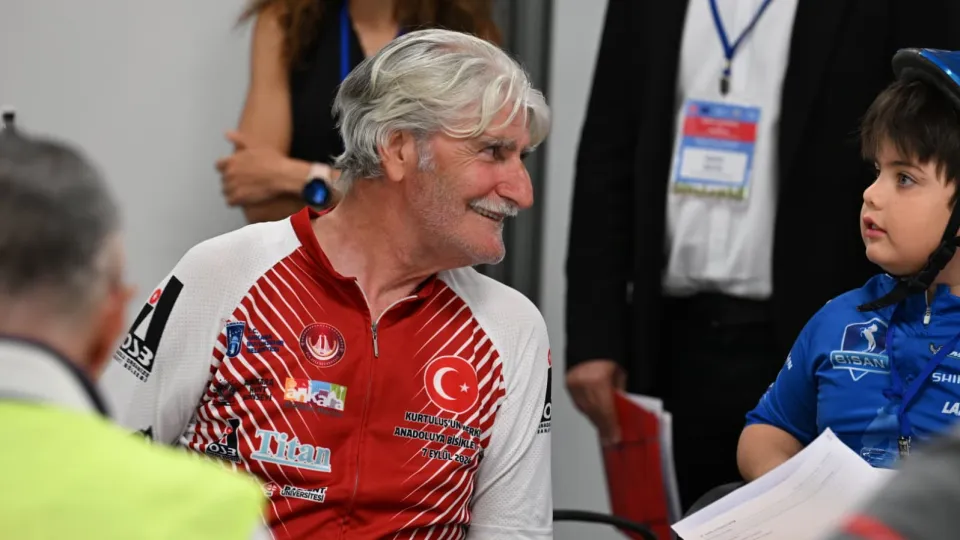
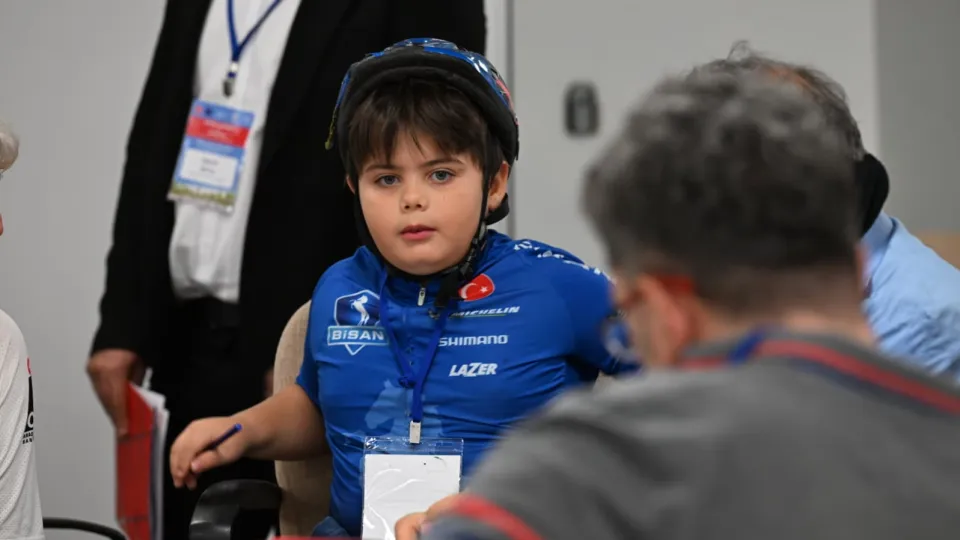
The Media Launch and Workshop Event for European Mobility Week (EMW) 2026, coordinated nationally by the Union of Municipalities of Türkiye (UMT), was held at the UMT headquarters in Ankara. Sustainable transportation, active mobility, and implementable applications in these fields were evaluated during the event.
Organized under the main theme of “Mobility for Everyone” from September 16 to 22, the 2026 approach for European Mobility Week was designated as “Intergenerational Fairness.” This year's focus aims to draw attention to making mobility opportunities in cities more accessible, inclusive, and equitable by considering the needs of different age groups.
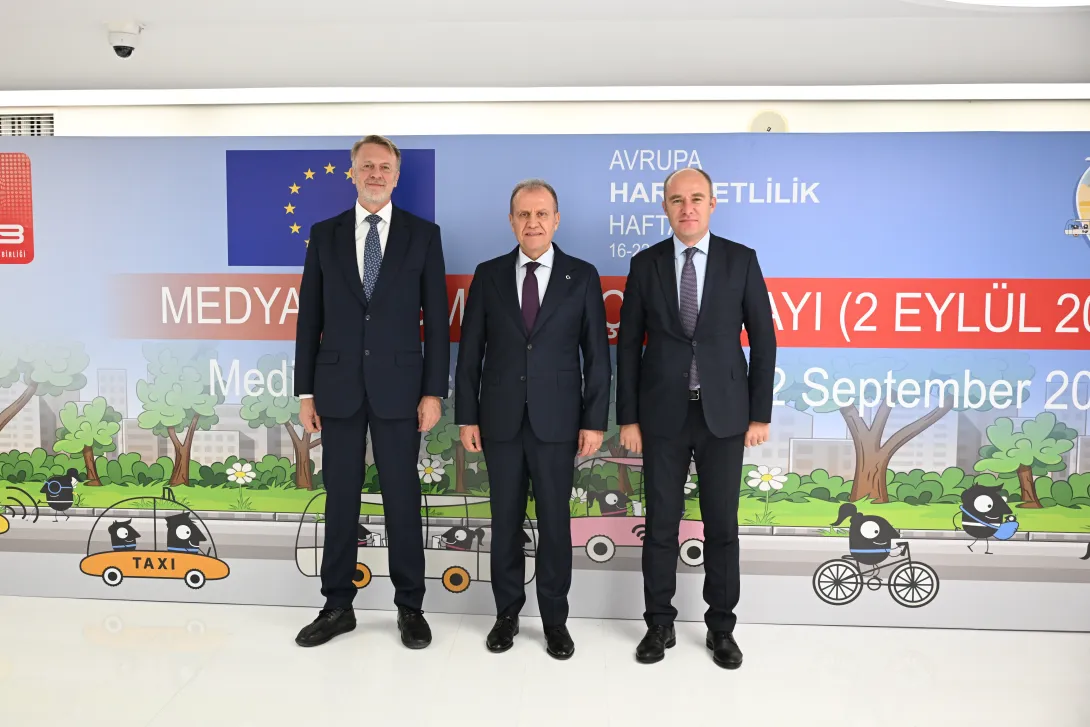
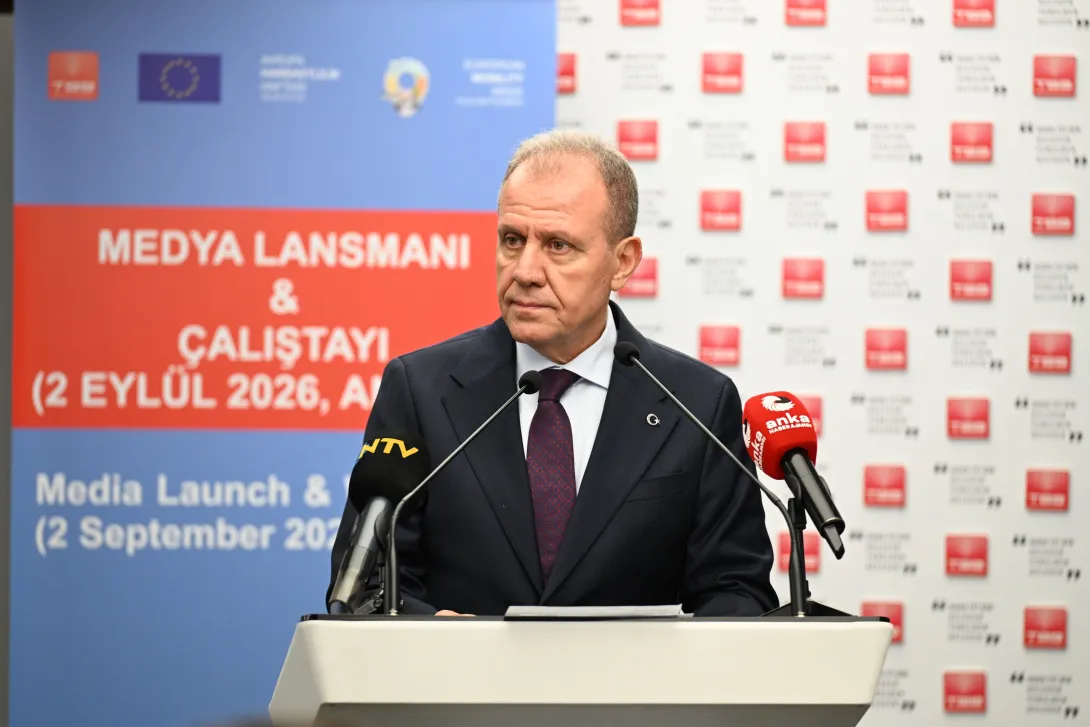
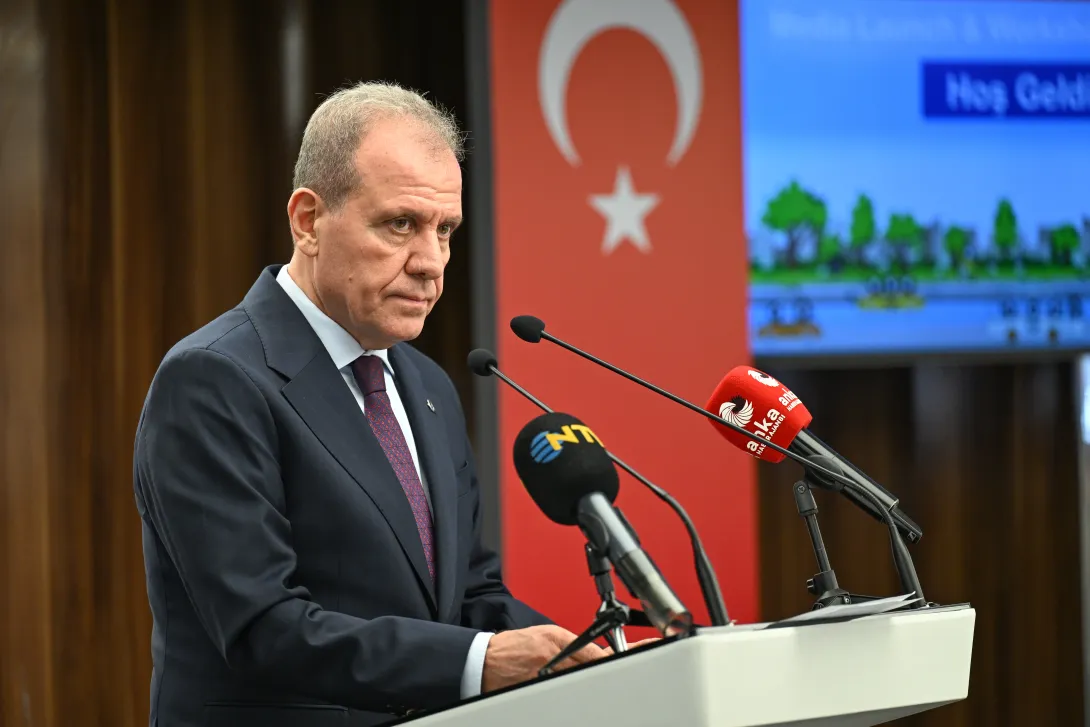
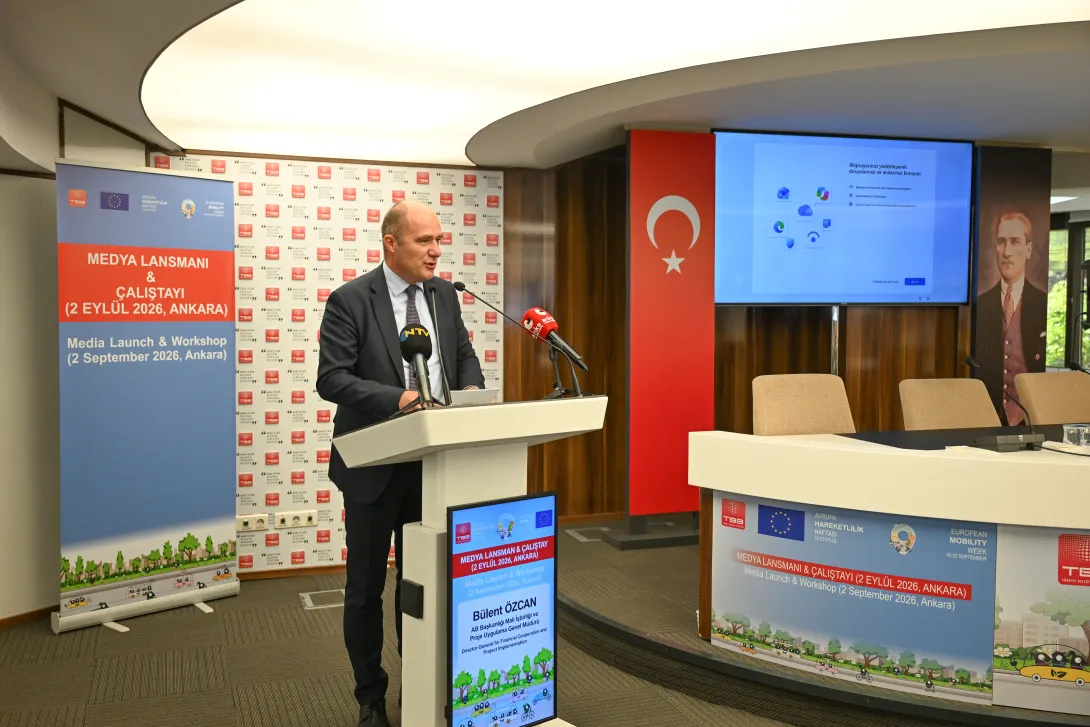
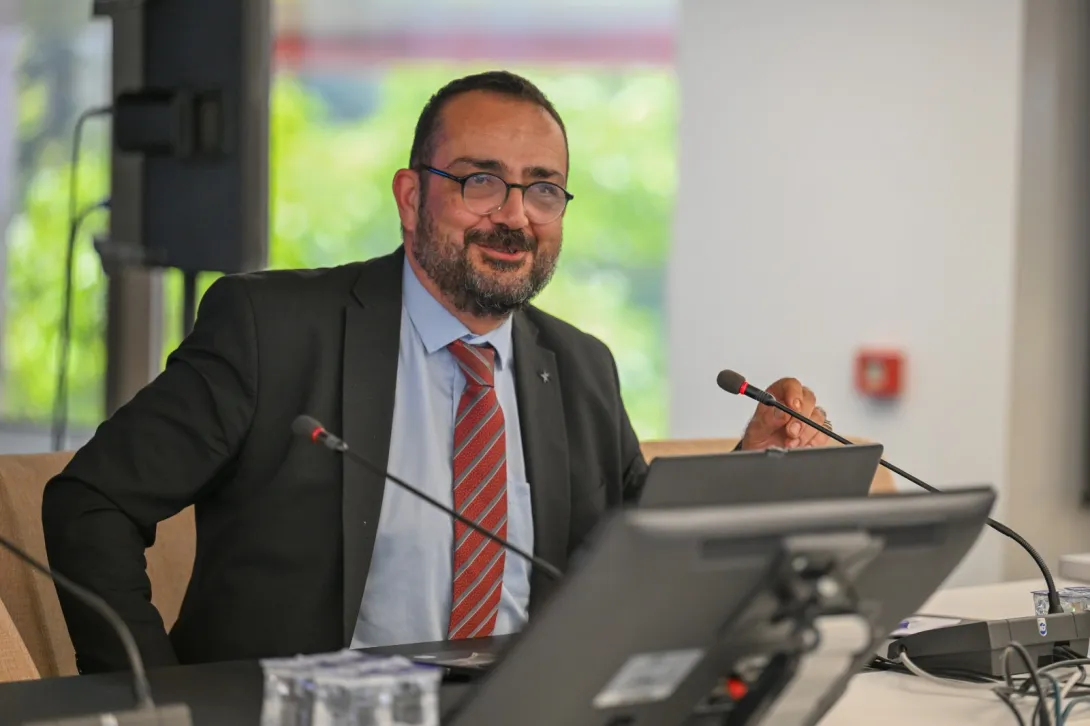
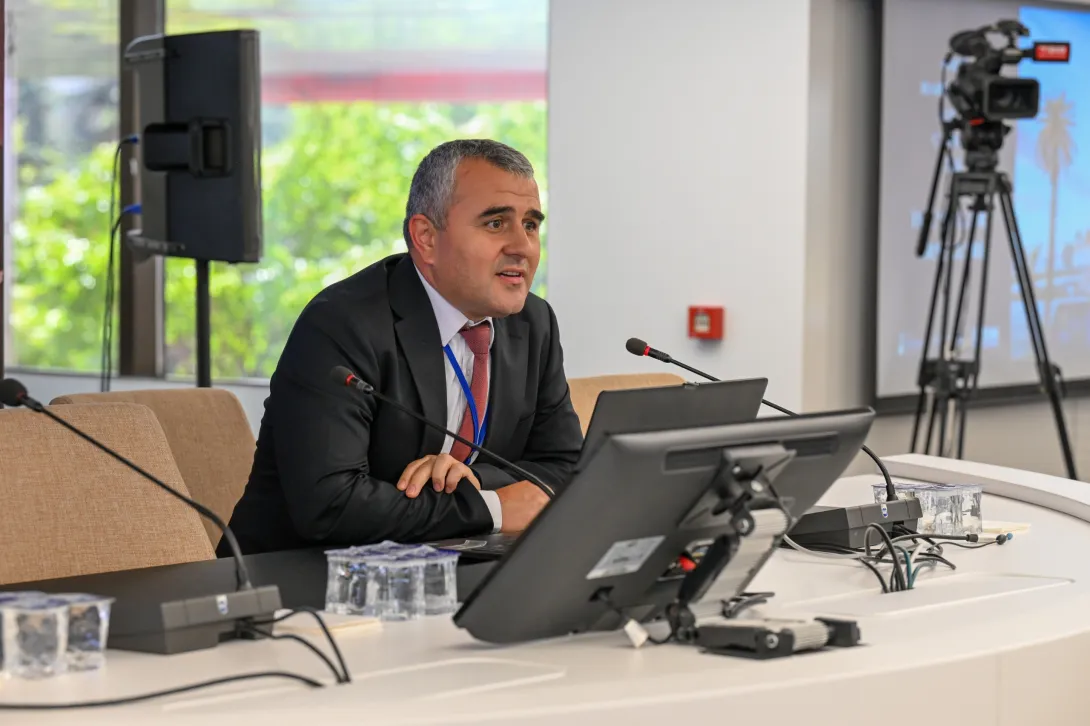
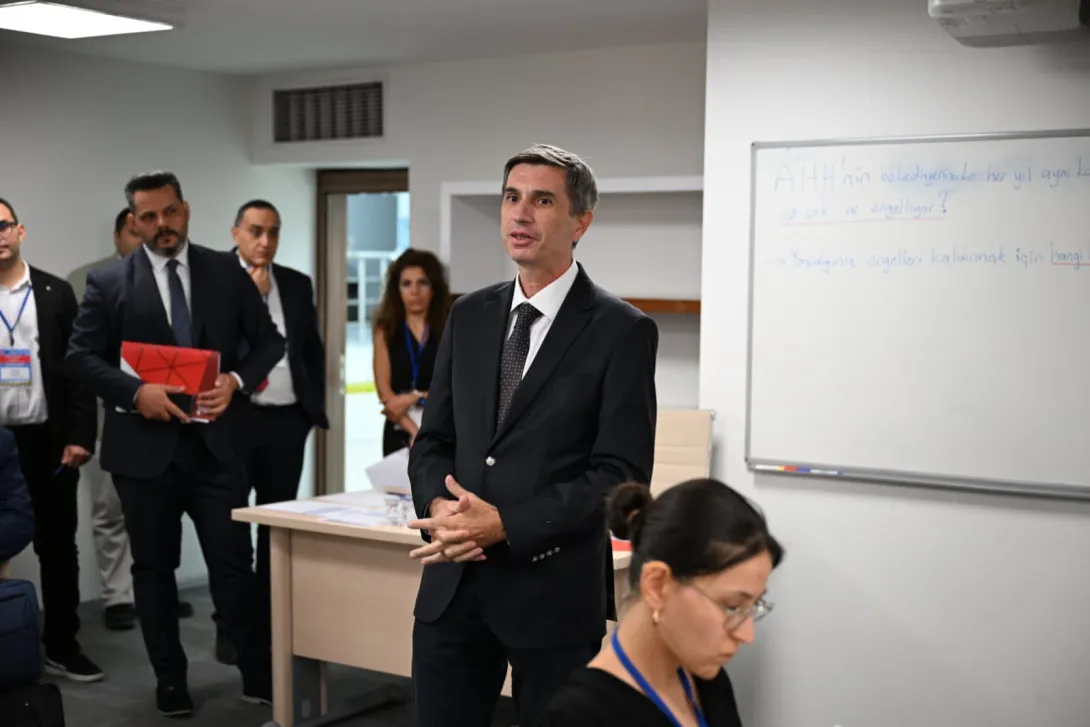
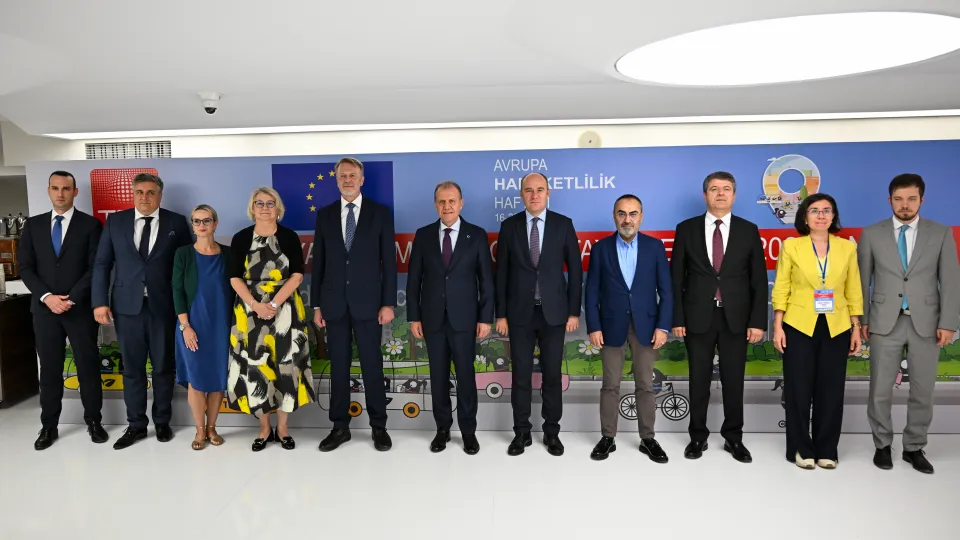
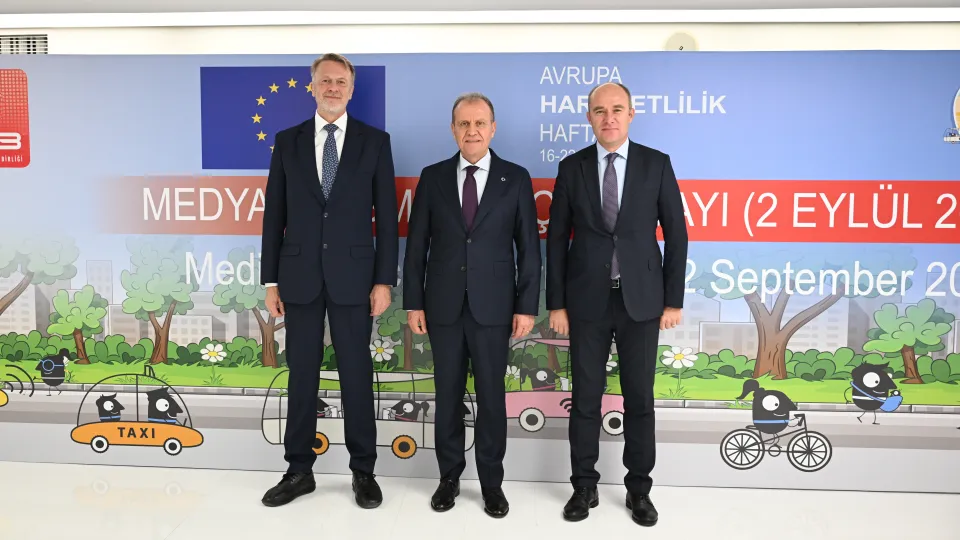
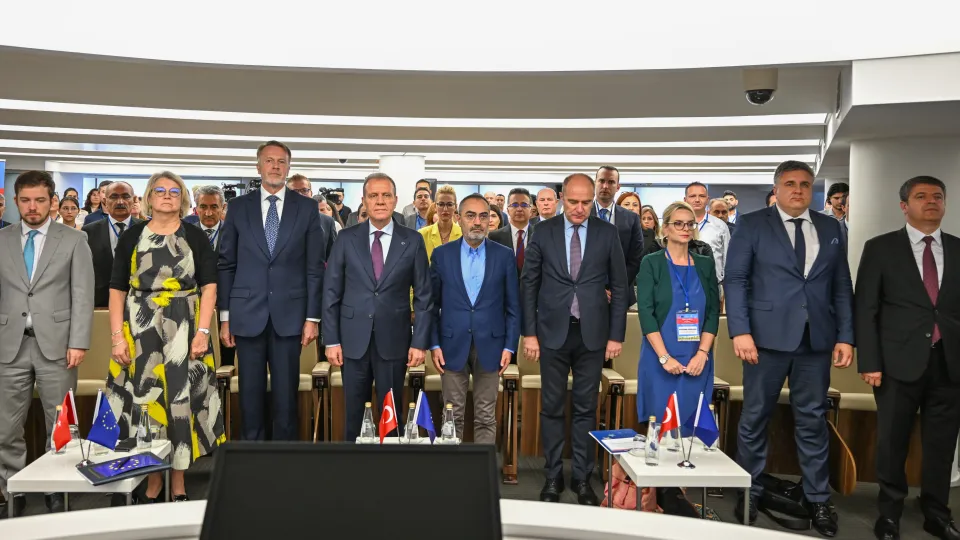
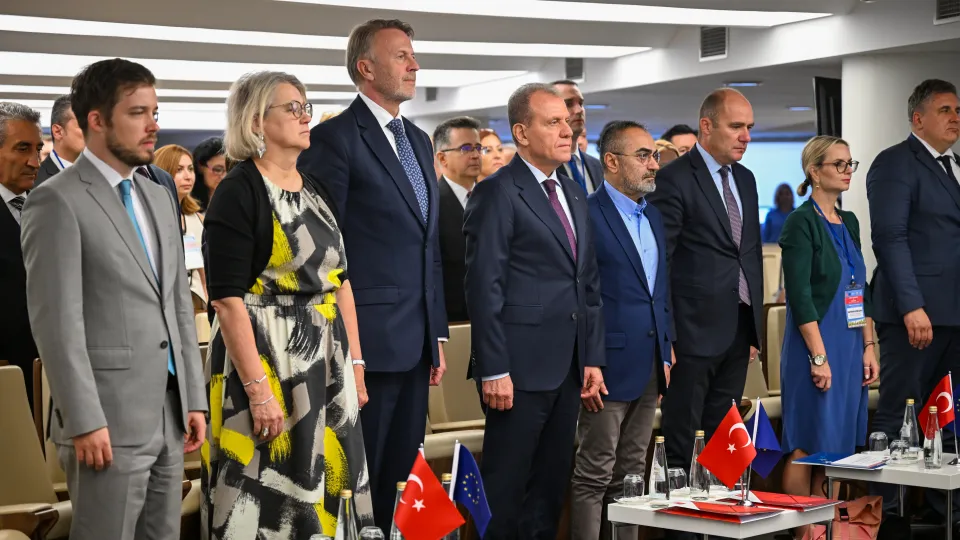
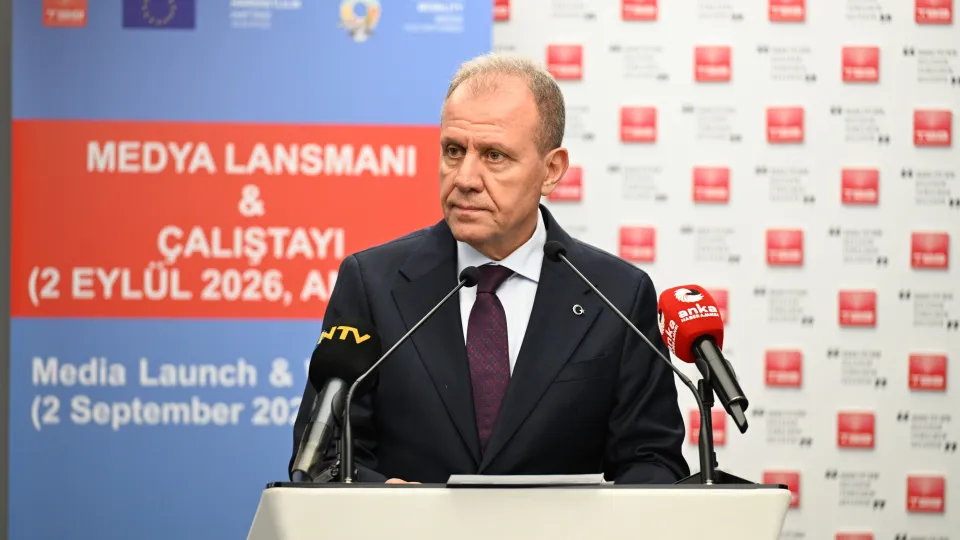
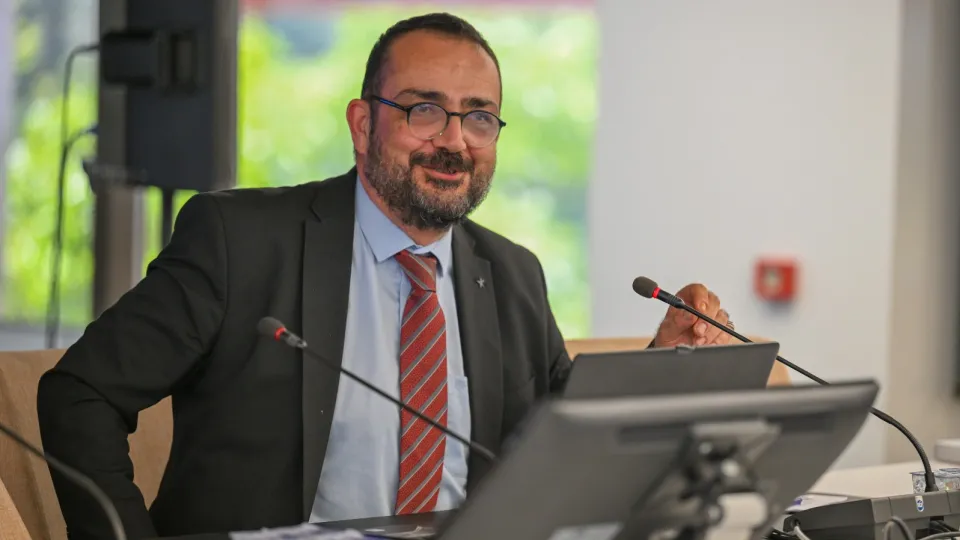
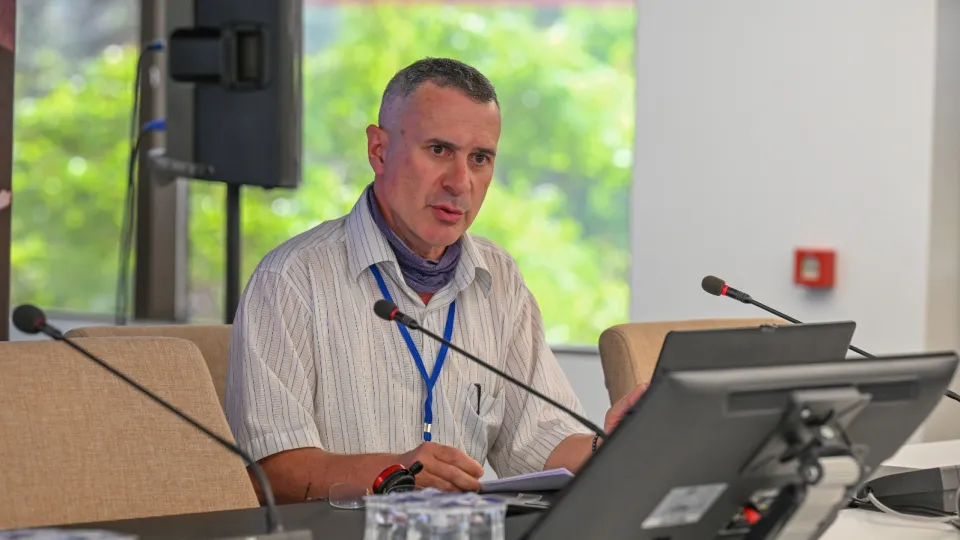
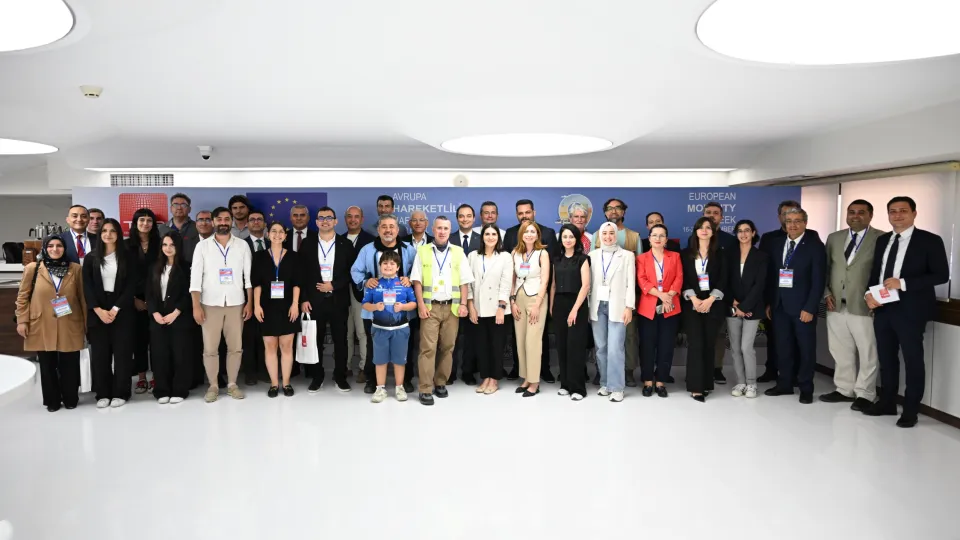
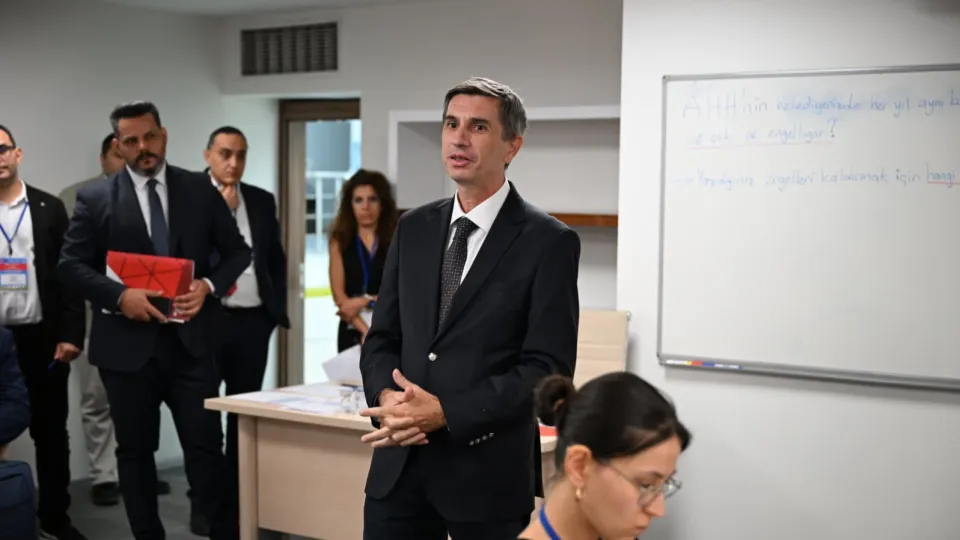
The opening speeches of the workshop were delivered by Vahap Seçer, President of UMT and Mayor of Mersin Metropolitan Municipality; Ambassador Aivo Orav, Head of the EU Delegation to Türkiye; and Bülent Özcan, Director General for Financial Cooperation and Project Implementation at the Directorate for EU Affairs. The program was attended by UMT Secretary General Suat Yıldız, ambassadors and representatives of EU member states, executives and experts from municipalities, as well as civil society representatives.
Seçer: “EMW is an Important Platform to Strengthen Experience Sharing”
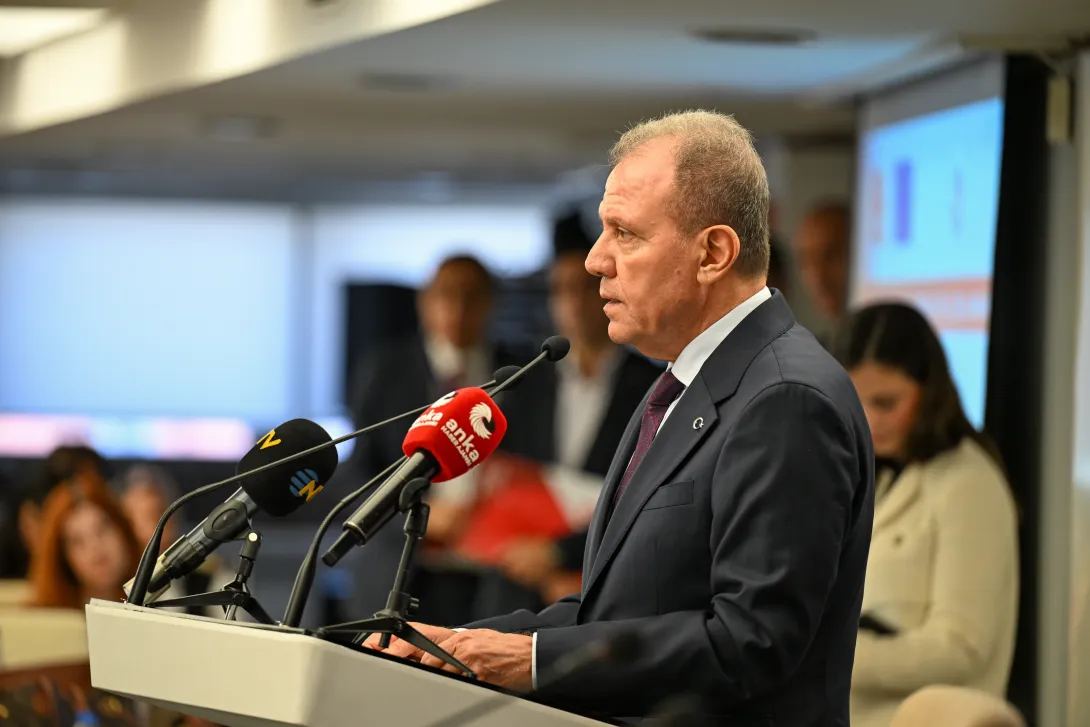
Vahap Seçer, President of UMT and Mayor of Mersin Metropolitan Municipality, stated that UMT has been carrying out the national coordination of the week since 2018, emphasizing that Türkiye stands out as one of the most enthusiastic participants each year.
Noting that the “Intergenerational Fairness” theme highlights the importance of planning public spaces and transportation systems by considering both today's and future generations' needs, Seçer said, “Ensuring that our children, youth, elderly citizens, and individuals with disabilities participate equally in urban life must be one of the fundamental goals of our transportation policies.”
Emphasizing that transportation should not be evaluated merely as an infrastructure issue, Seçer added, “We consider transportation not just as an infrastructure matter, but as a core public service that eases people's daily lives and strengthens their participation in social life.” Stating that providing more diverse, reliable, affordable, and accessible mobility options for all age groups is their duty, Seçer said, “We aim to offer transportation solutions to our people in our cities without leaving anyone behind and without creating any physical or digital barriers.”
Seçer highlighted that transportation must be planned with a human-centered approach for more livable cities, underscoring the importance of fulfilling responsibilities toward future generations while meeting today's needs. Noting that municipalities are implementing increasingly high-quality projects regarding sustainable transportation, Seçer stated that EMW is a vital platform to share these works with citizens, disseminate good practices, and strengthen experience sharing among municipalities. Seçer concluded, “We say 'mobility for all and sustainable transportation for all,' and together we are accelerating our 2026 EMW efforts.”
Orav: “Our Expectation from Municipalities is for All Routes to Become More Accessible”
Ambassador Aivo Orav, Head of the EU Delegation to Türkiye, noted that the “Intergenerational Fairness” approach stands out this year, stating, “None of these journeys are huge or dramatic, yet they still express freedom. This freedom is the freedom to access education, work, and other services. Mobility, in its most basic form, is a freedom.”
Noting that EMW is a “seven-day experiential week,” Orav said, “This week is not about success or failure; it is simply a week where we test experiences.” Stating that their goal in this process is not to measure the performance of cities, Orav added, “It will be a week where we test ourselves to learn things—whether school access routes are safe, whether stops are safe.”
Sharing that 46 municipalities have registered for the week since August 24, Orav asked municipalities to take steps in four areas:
“First, register to participate in EMW and related activities. Second, test your streets. Keep developing and making progress. Third, transform tangible outputs into results that benefit citizens after September 22. Fourth, evaluate and share the results.”
Orav drew attention to the importance of municipalities sharing their results with other municipalities through UMT, saying, “Our expectation from all municipalities is that at least one more street is made accessible, one more pedestrian crossing is created, and all routes and roads become more accessible.”
Özcan: “EMW is Very Valuable for Türkiye”
Bülent Özcan, Director General for Financial Cooperation and Project Implementation at the Directorate for EU Affairs, stated, “The concept of Mobility for All aims to ensure that everyone can access transportation and transit services regardless of age, income level, physical conditions, or location within the city.”
Reminding that Türkiye demonstrates high participation in EMW, Özcan said, “EMW is very valuable for Türkiye because Türkiye is perhaps the country organizing the most events in all of Europe and actively involving society in mobility efforts. This is highly valuable in terms of showing that our local governments own the EU process, believe in it, and are a part of it.”
Stating that the transport sector is one of the important areas in Türkiye-EU relations, Özcan mentioned that over 1 billion euros of funding has been utilized in various transport projects since 2002.
Özcan added that under the Instrument for Pre-Accession Assistance (IPA), they included two major projects owned by UMT in 2025 and 2026, aimed at supporting sustainable, resilient, and safe urban mobility, as well as digitalization in urban mobility in Türkiye.
Prof. Dr. Yaman Explained the Role of EMW in Sustainable Urban Mobility
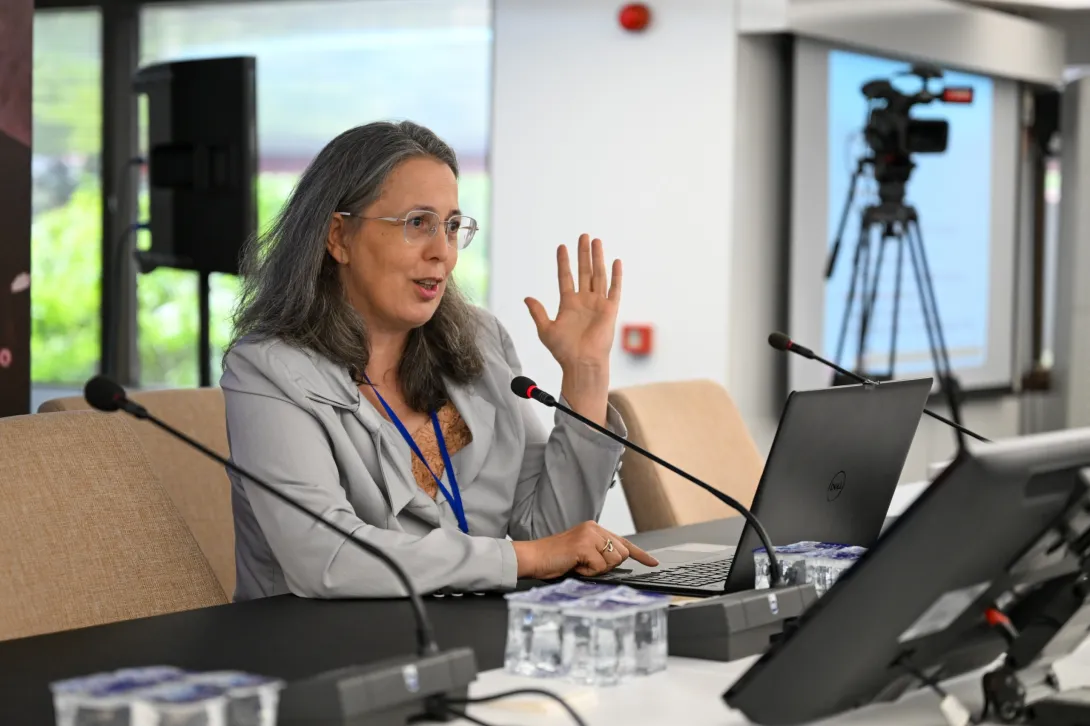
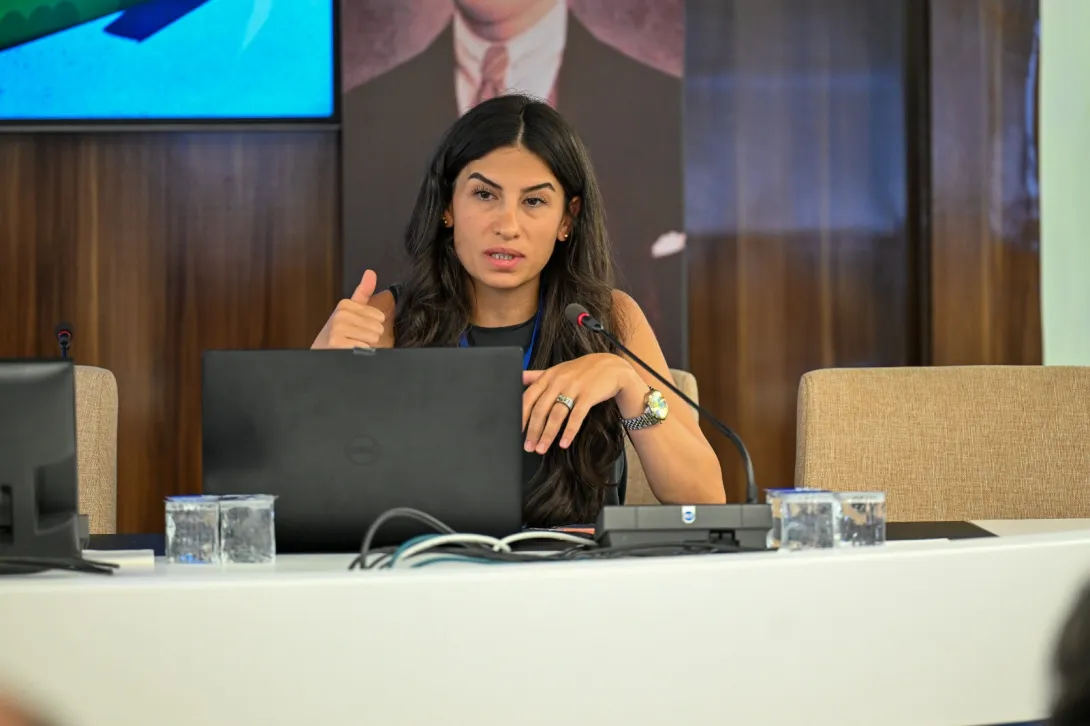
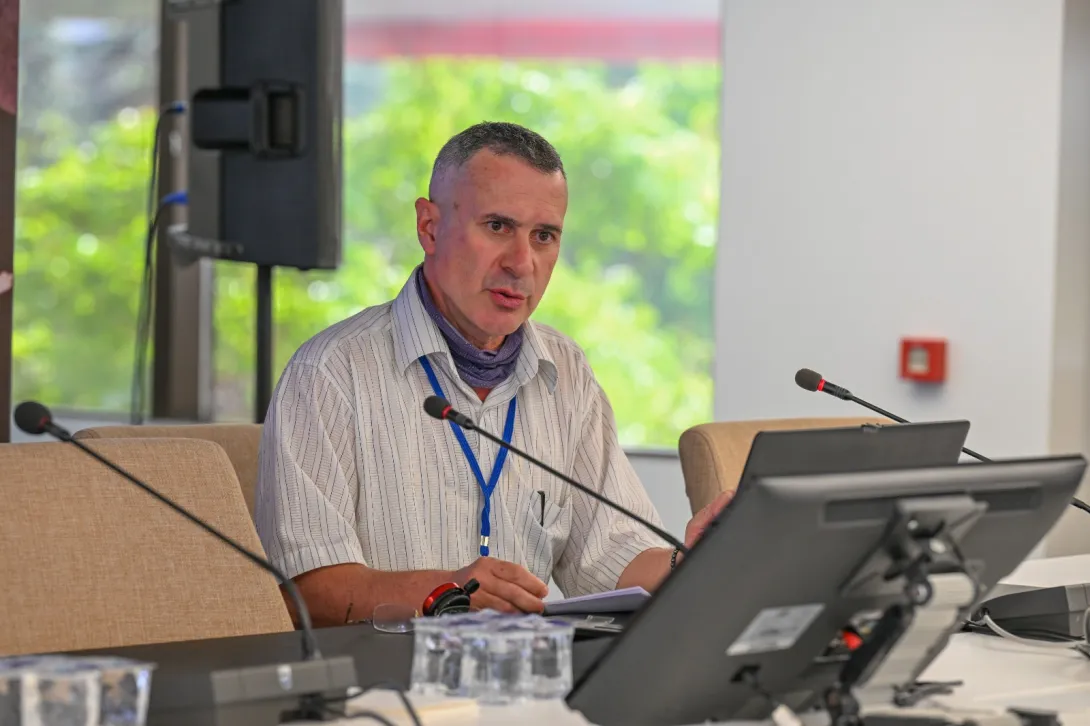
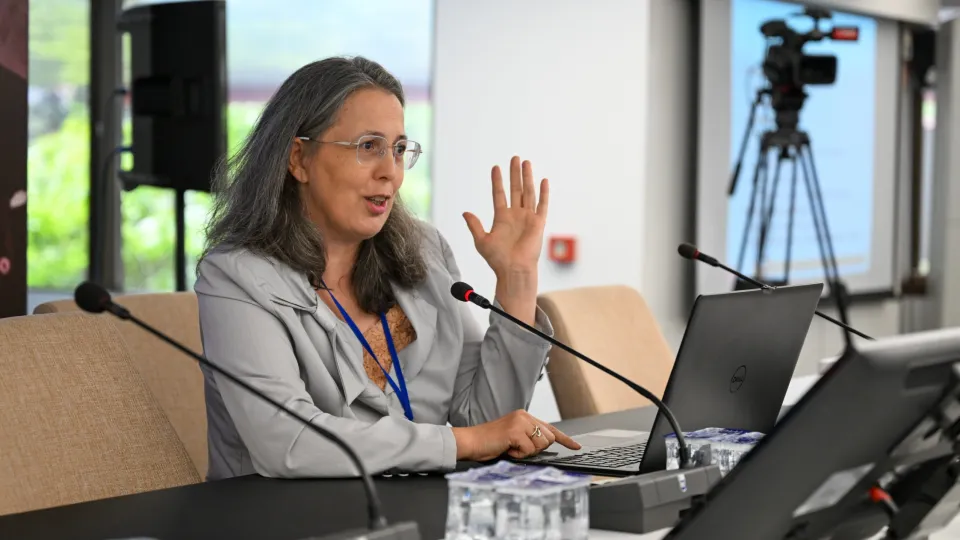
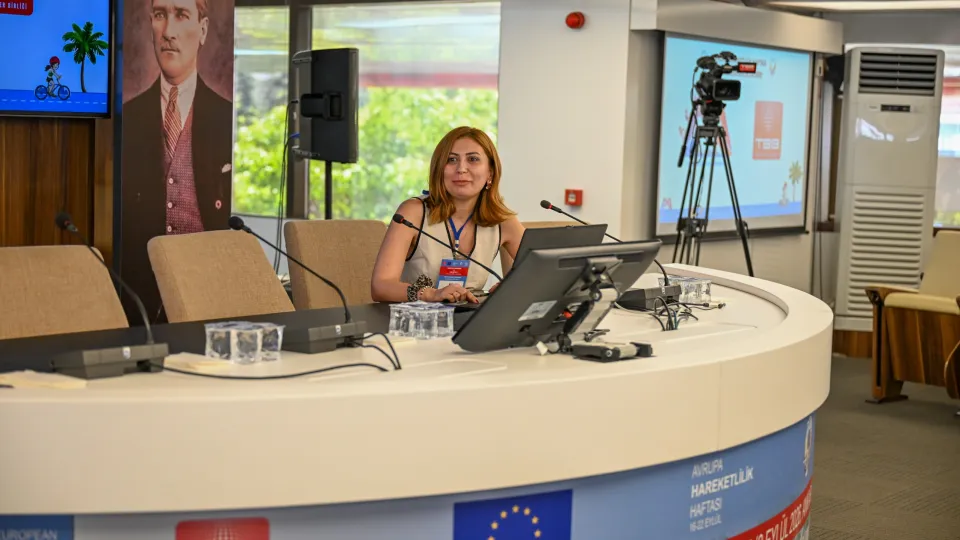
The main thematic speech of the workshop, titled “The Role of EMW in Sustainable Urban Mobility,” was delivered by Prof. Dr. Hediye Tüydeş Yaman, TBB Urban Mobility and Transport Commission Member and METU Faculty Member.
In her presentation, Yaman addressed the historical development of transport planning, the impact of rising private car ownership on urban transit, and the importance of modeling and quantitative analysis in establishing sustainable transport policies. She also highlighted the dimensions of mobility regarding accessibility, diversity of transport options, affordability, safety, inclusiveness, and sustainability.
Good Practice Examples and Experiences Were Shared
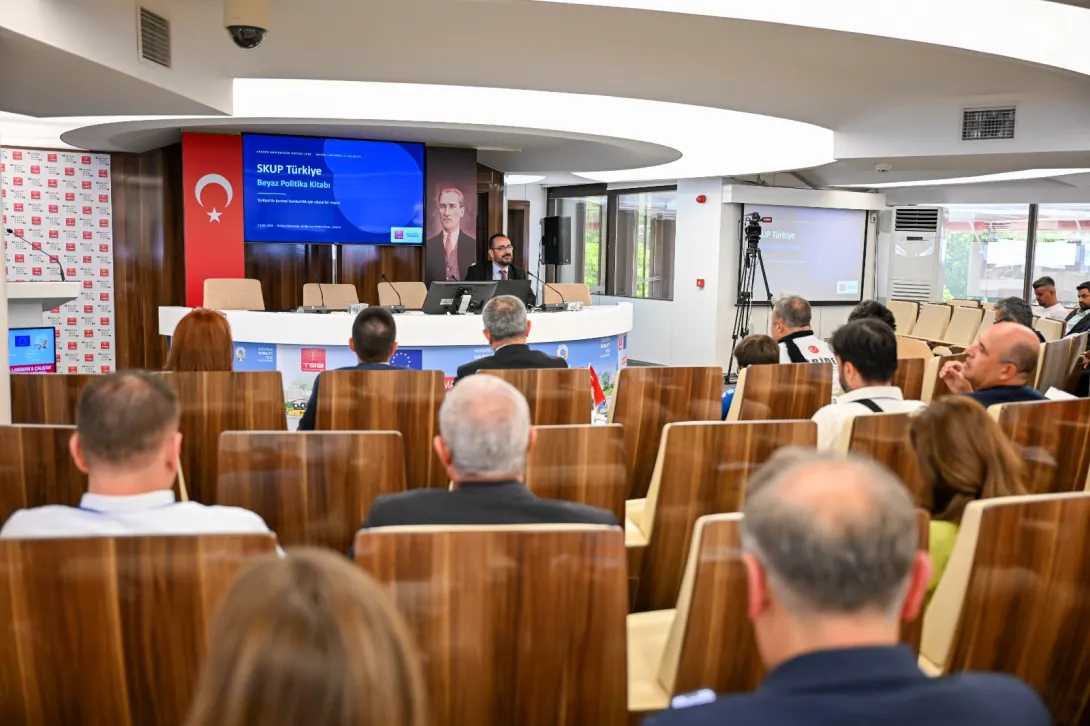
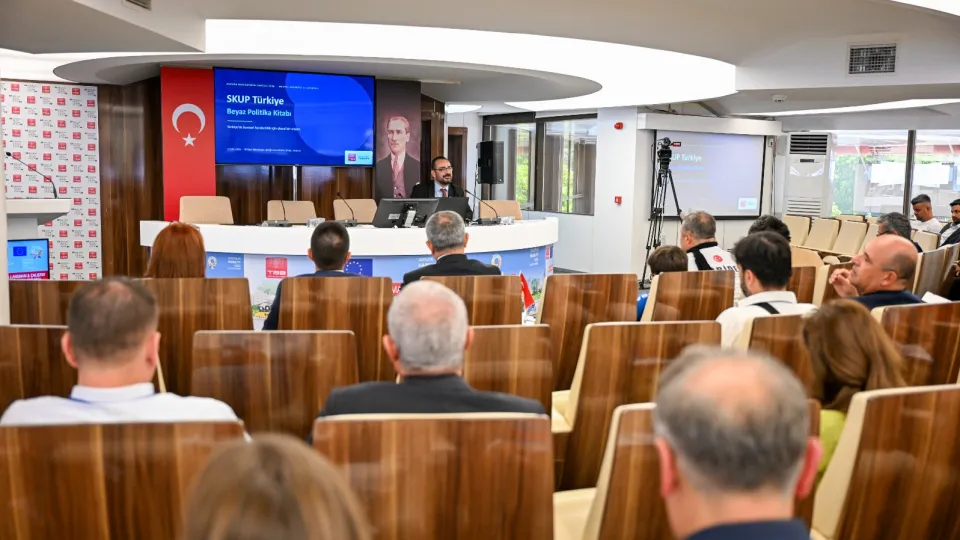
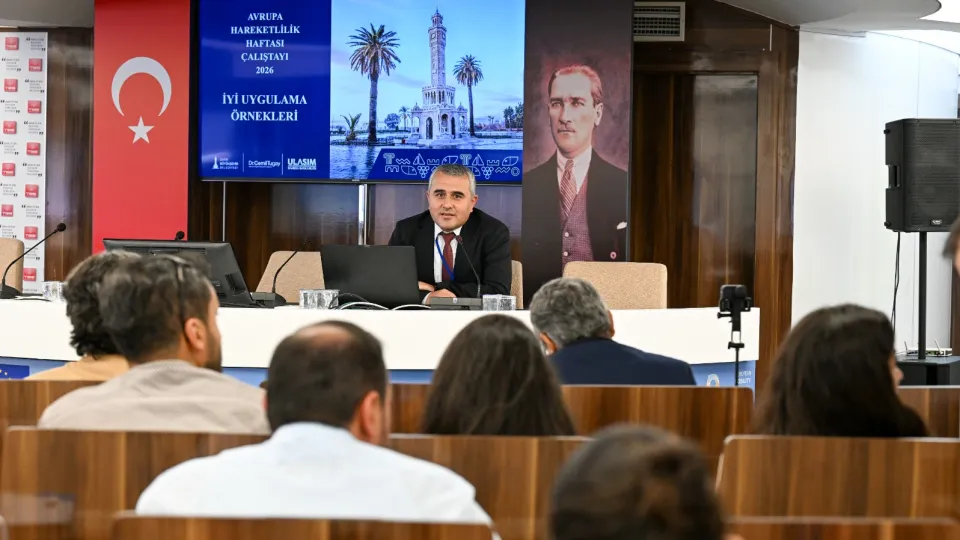
The workshop continued with sessions focusing on ongoing urban mobility projects and experiences from different cities. As part of the program, UMT Planning and Project Manager Nuri Barış Tartıcı introduced the SUMP White Paper, followed by evaluations of sustainable urban mobility efforts.
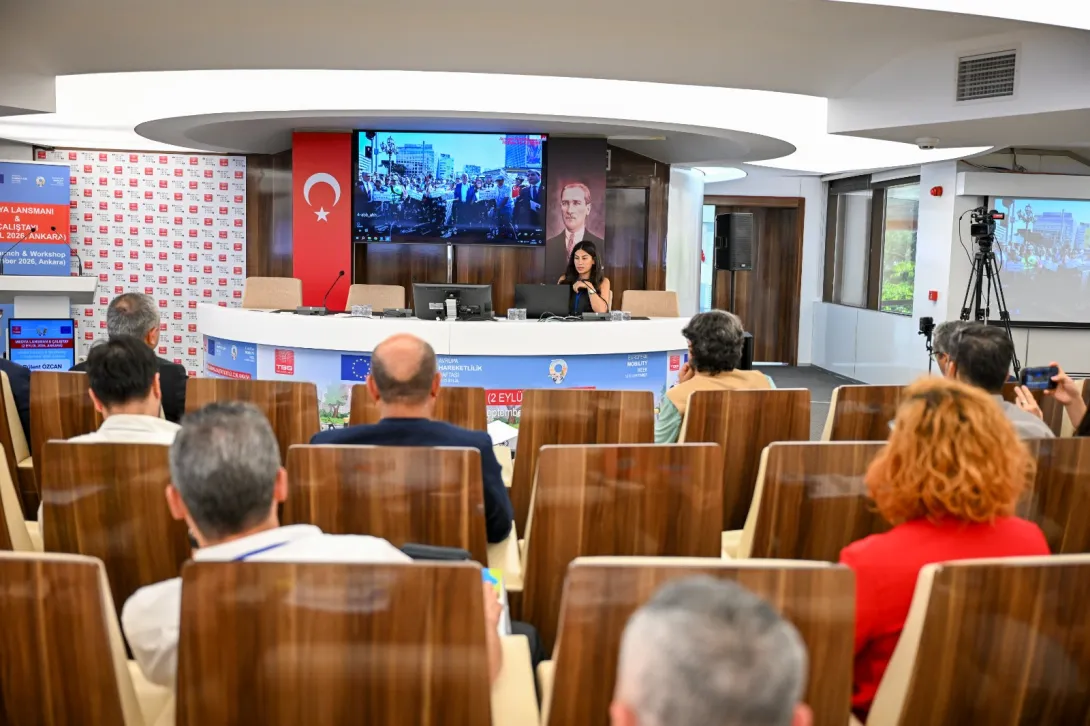
The second session, titled “Good Practice Examples,” featured presentations and video screenings of initiatives implemented by the Mersin, Ankara, and İzmir Metropolitan Municipalities.
The third session included evaluations of the reflections from “Car-Free Day Events” organized in Eskişehir and Ankara.
Common Ground Sought Across Five Thematic Titles
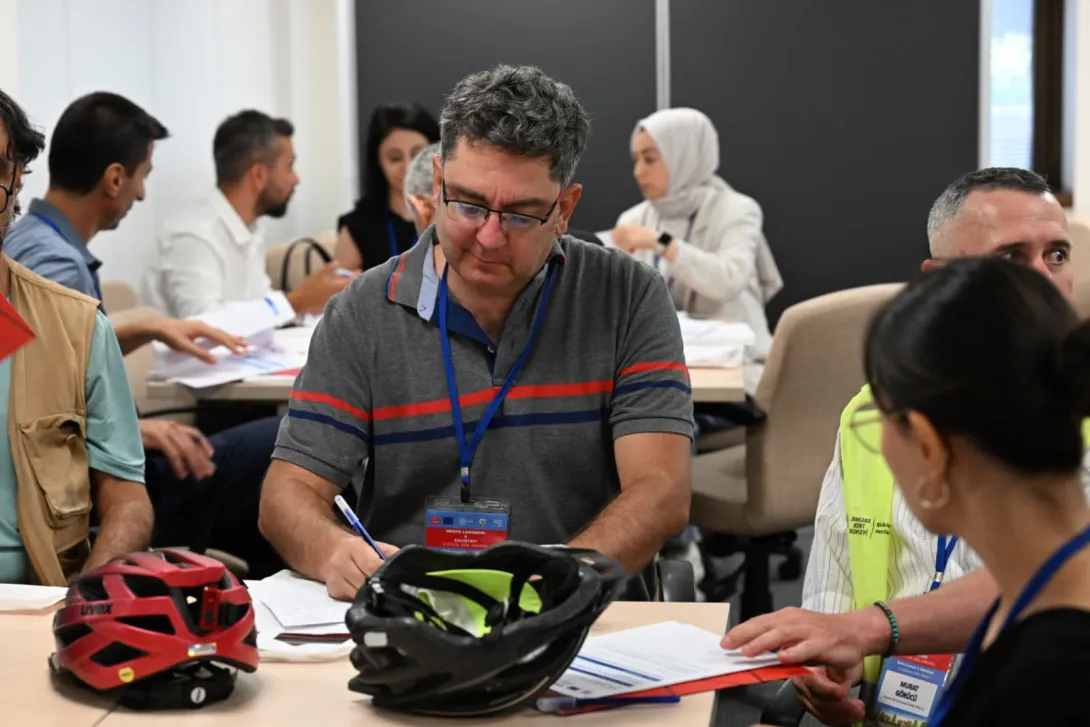
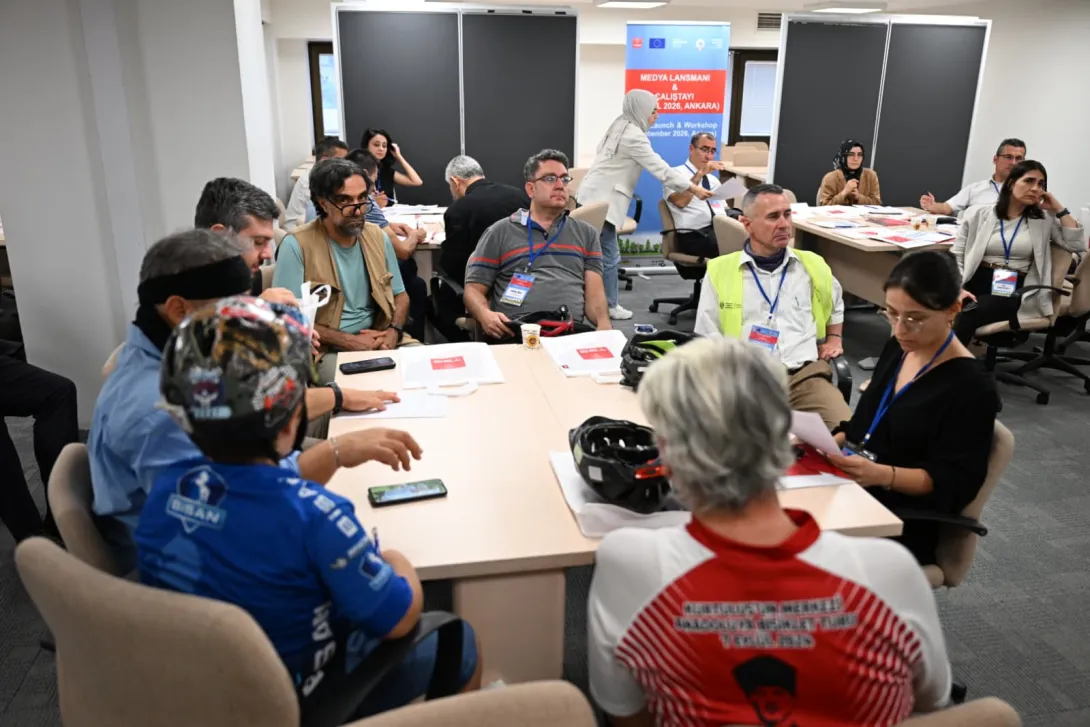
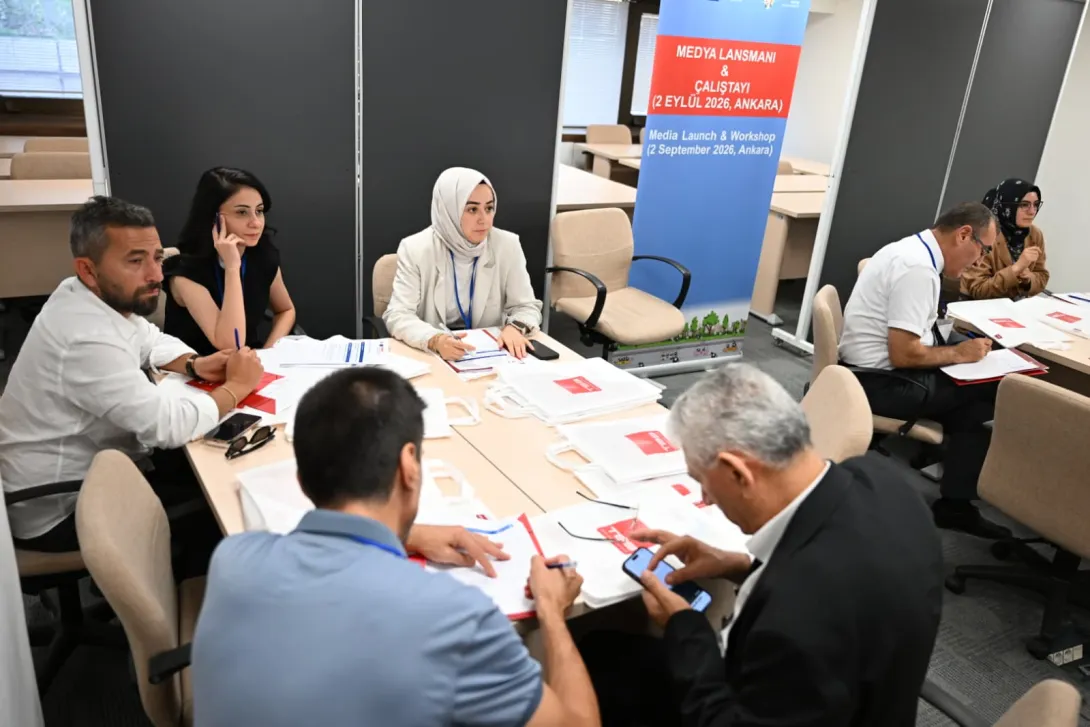
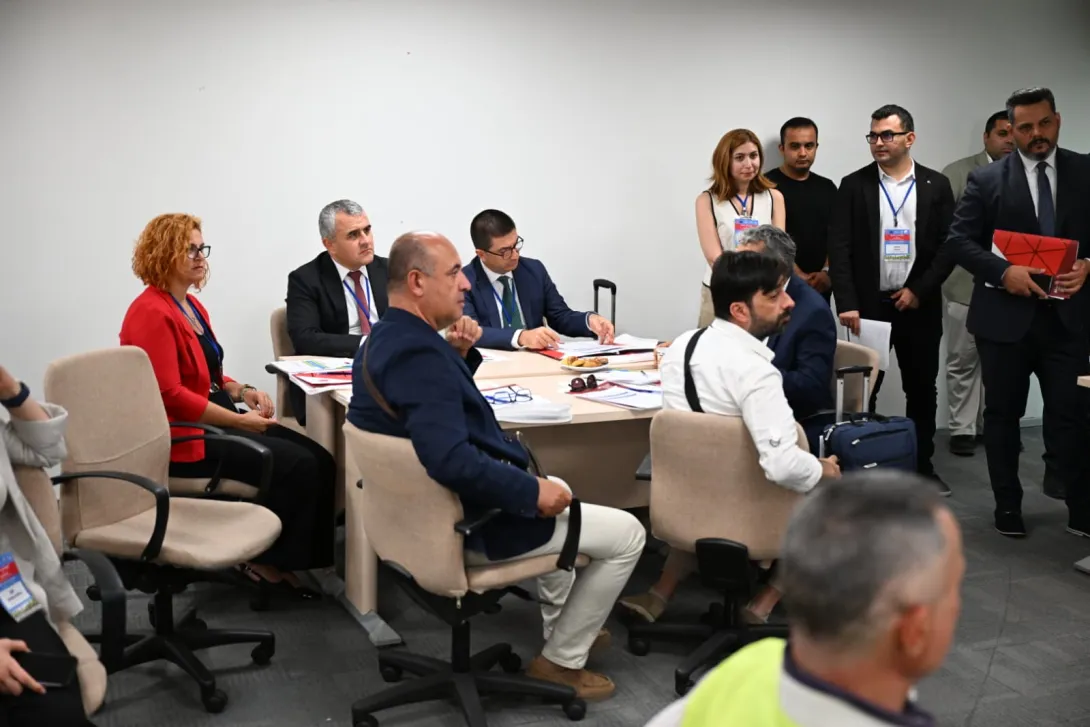
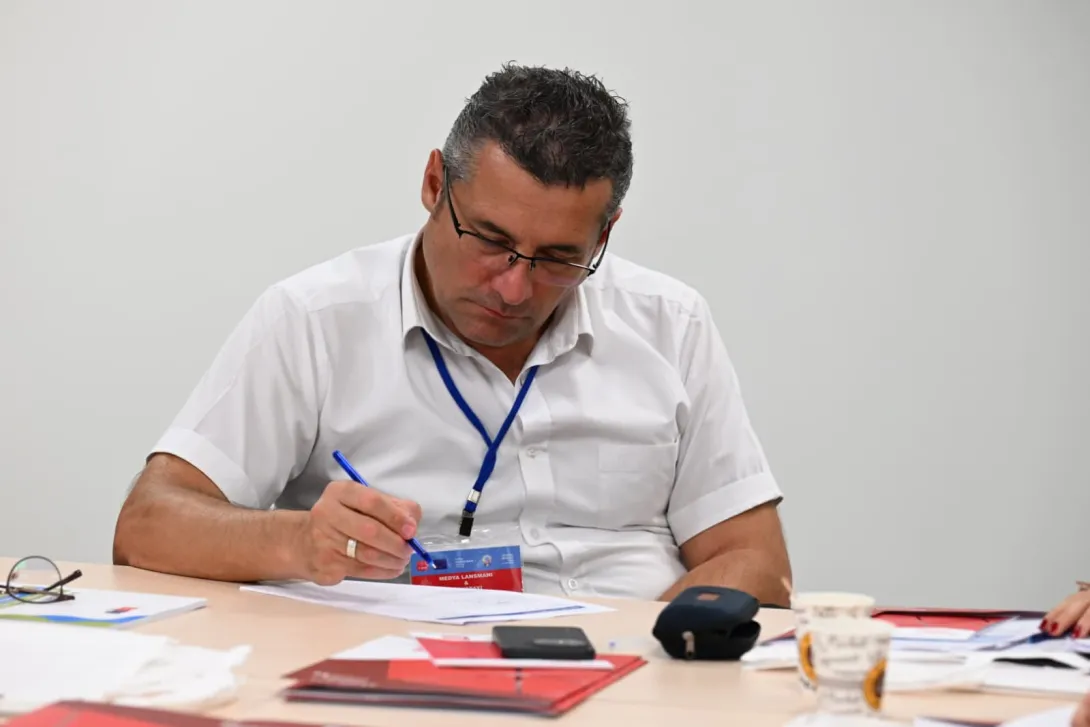
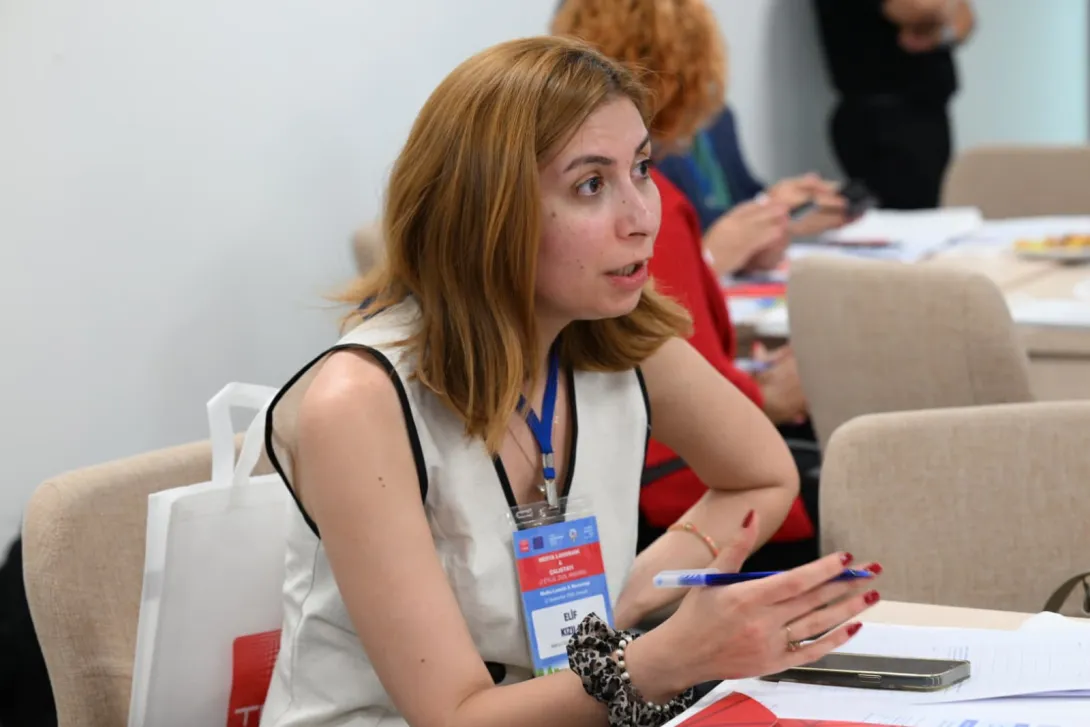
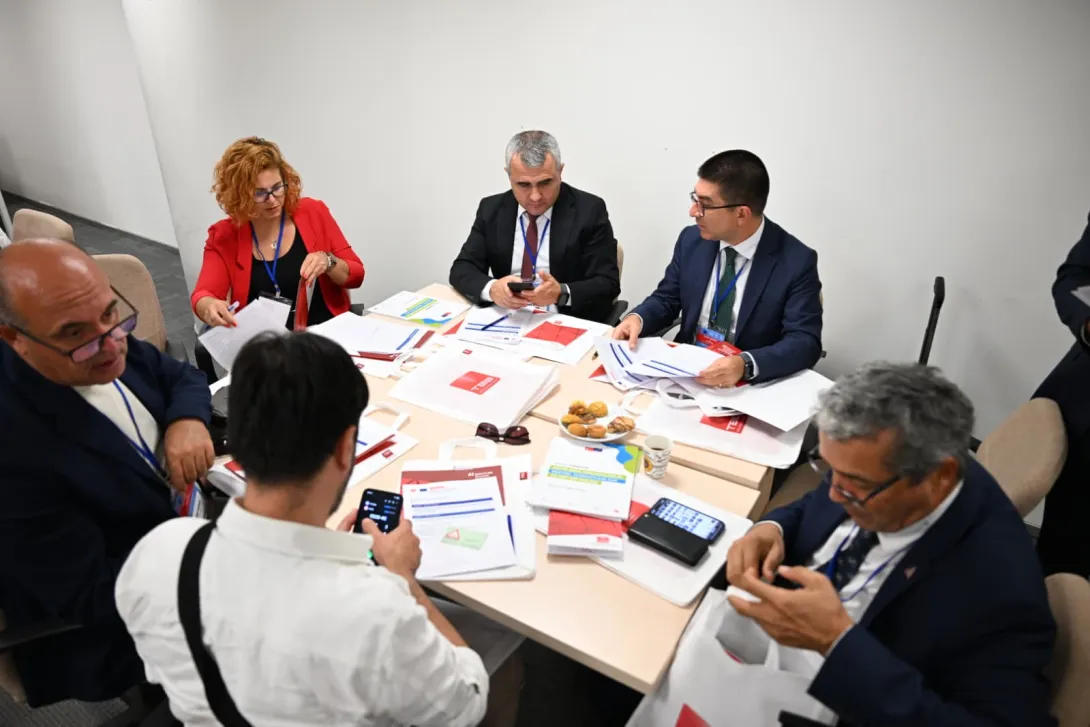
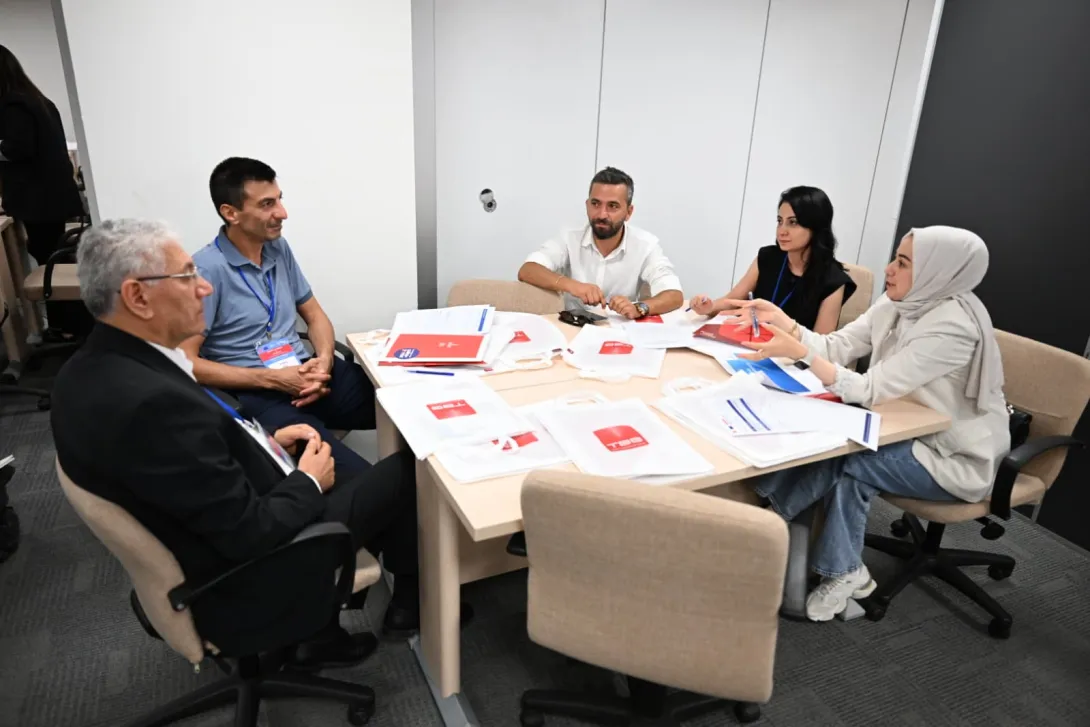
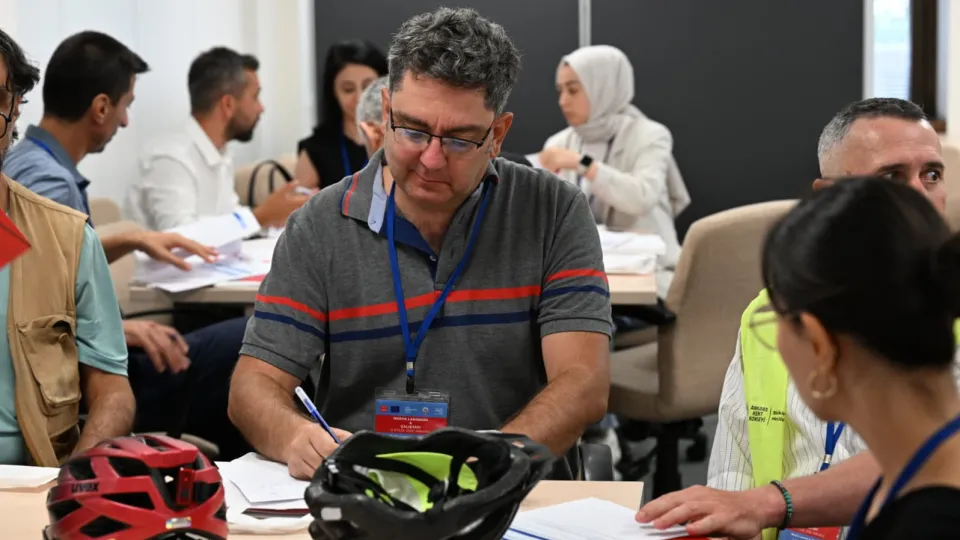
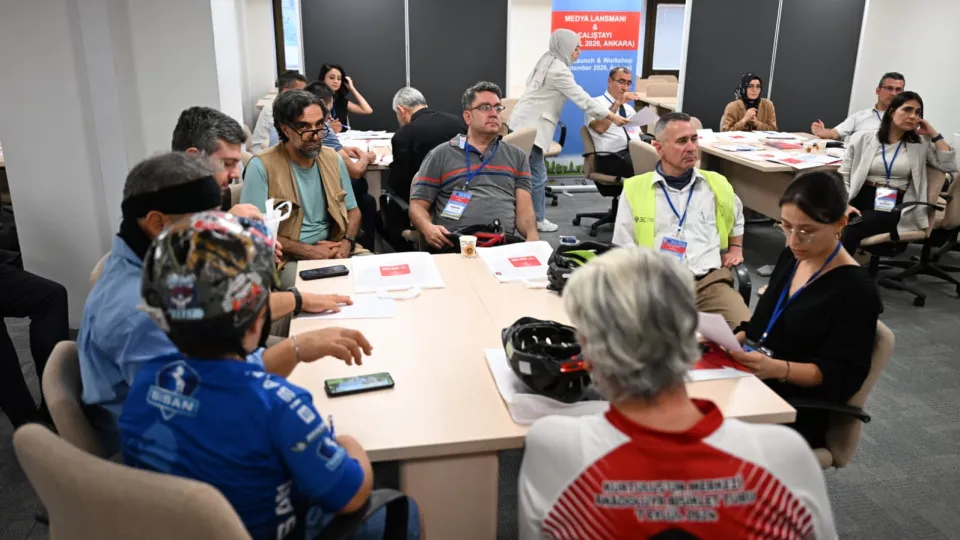
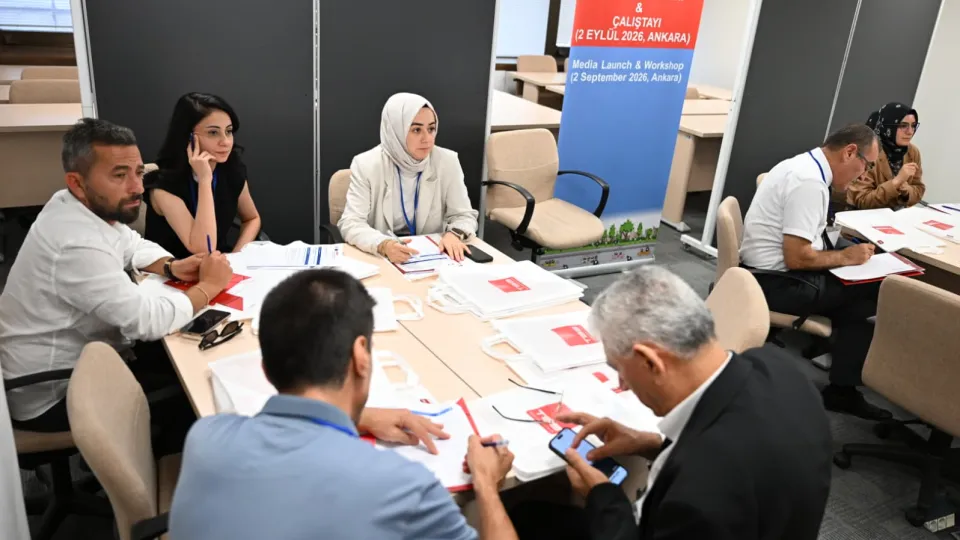
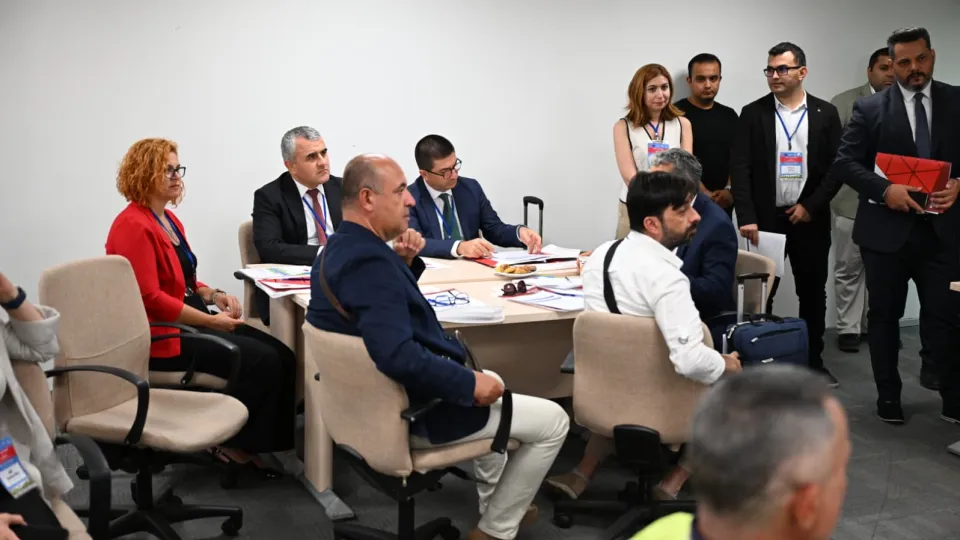
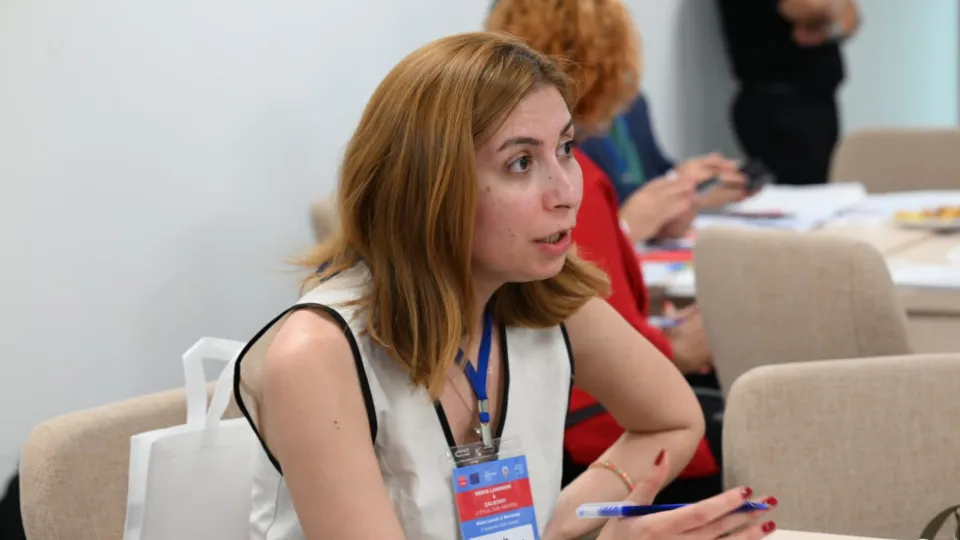
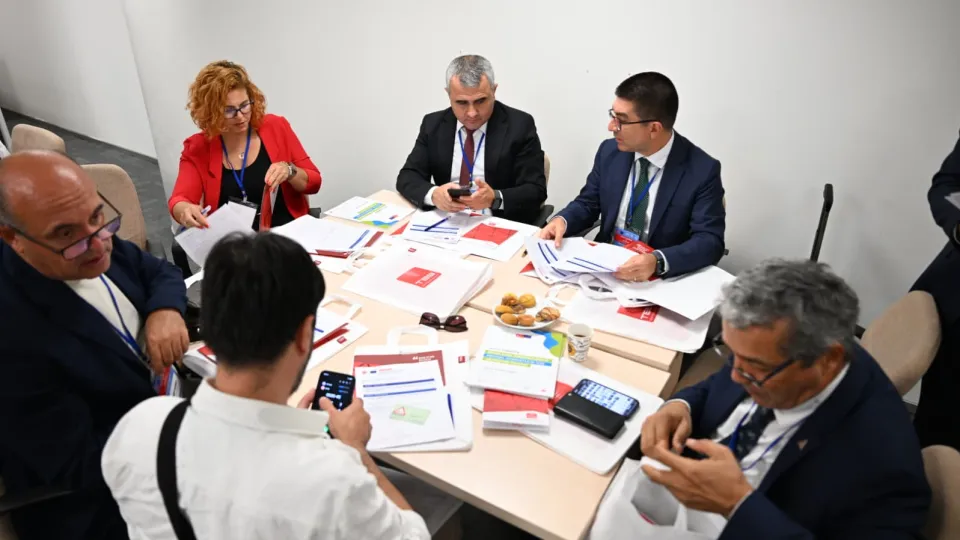
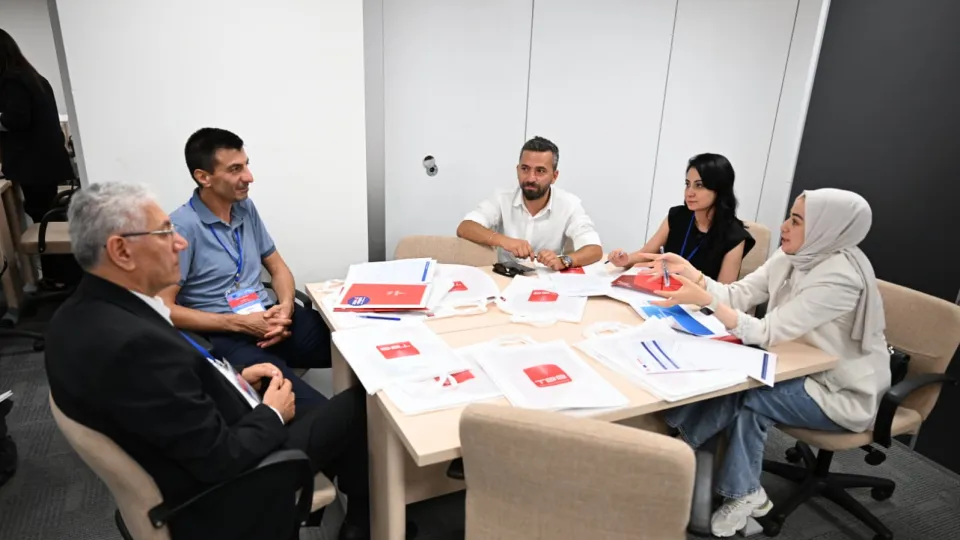
In the fourth session of the program, participants gathered under five different thematic headings. In parallel sessions discussing experiences, needs, and solution proposals to ensure EMW is implemented by municipalities more effectively, inclusively, and sustainably, the topics of “Governance and Institutional Capacity,” “Participation and Stakeholder Cooperation,” “Testing, Design, and Implementation,” “Measurement, Joint Learning, and Improvement,” and “Sustainability and Scaling Up” were put on the table.
Under the topic of “Governance and Institutional Capacity,” governance mechanisms for municipal ownership, institutionalization, and strengthening coordination among different units were evaluated. In the “Participation and Stakeholder Cooperation” session, cooperation models and methods to transform EMW into a city-wide participatory process engaging citizens, non-governmental organizations, universities, professional organizations, the private sector, and other local stakeholders were discussed.
Under “Testing, Design, and Implementation,” applications regarding safe school routes, bike lanes, pedestrian-priority and pedestrianized areas, encouraging public transit, integrating different transportation modes, and raising awareness about accessibility and mobility were evaluated. In the “Measurement, Joint Learning, and Improvement” session, methods for measuring the impact of activities, citizen participation, and city-wide reflections were emphasized, and proposals regarding the sharing of good practices and mutual learning among municipalities were discussed.
In the final thematic session titled “Sustainability and Scaling Up,” steps to transform one-week activities into long-term transport policies, strategic plans, investment decisions, and permanent applications were addressed. Evaluations were made on disseminating successful efforts to different municipalities, scaling applications, and developing financial, human, and institutional capacity.
Following the thematic sessions, workshop outcomes were shared with the participants by spokespersons selected from each table.